
In the increasingly complex digital landscape, where threats lurk around every corner and unauthorized access poses constant risks, understanding fundamental security mechanisms is paramount. Among these, the “blacklist” stands as a foundational concept, a frontline defense widely employed across various technological domains. Far from a mere list, a blacklist is a critical security tool, a proactive measure designed to identify, block, and restrict access for entities deemed undesirable or dangerous. It acts as a digital bouncer, meticulously scrutinizing incoming traffic, software, and users, permitting only those that are not explicitly on its “do not allow” register.
While the term “blacklist” carries historical connotations that are increasingly giving way to more neutral terms like “deny-list,” its function remains central to digital security. This article delves into the technical essence of what a blacklist is, exploring its diverse applications, operational mechanics, inherent advantages, and the challenges it presents, all within the exclusive realm of technology and digital security.
The Fundamental Concept of Blacklisting in Technology
At its core, a blacklist in technology is an access control mechanism. It’s a predefined inventory of specific items—be it IP addresses, email addresses, software applications, URLs, or user accounts—that are explicitly denied permissions or prevented from interacting with a system, network, or application. Its purpose is singular and vital: to safeguard digital assets by keeping known threats and unwanted elements at bay.
Defining a Blacklist: A Deny-List for Digital Gatekeeping
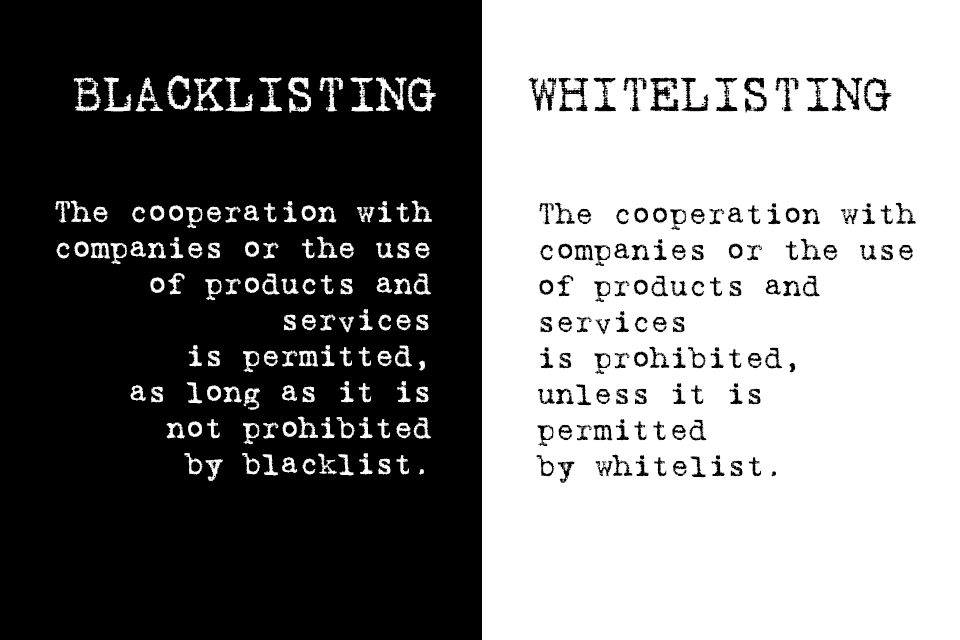
Technically, a blacklist is a deny-list. It operates on the principle of explicit denial, where anything on the list is forbidden. Conversely, anything not on the list is typically allowed (unless a more restrictive “whitelist” model is also in place, which we’ll touch upon later). Imagine a bouncer at an exclusive club: anyone on their “banned” list is turned away immediately, regardless of any other credentials. This selective prohibition is what defines a blacklist. It’s a pragmatic approach to security, focusing on known bad actors rather than attempting to enumerate every possible good one.
How Blacklists Operate: Mechanisms and Criteria for Inclusion
The operation of a blacklist involves a continuous comparison process. When an entity attempts to access a system or resource, it is checked against the configured blacklist. If a match is found, access is immediately denied, or the corresponding action (e.g., blocking an email, quarantining a file) is triggered. The criteria for an entity’s inclusion on a blacklist are varied but typically stem from:
- Identified Malicious Activity: Past attempts at unauthorized access, spamming, phishing, or distributing malware.
- Known Vulnerabilities: Software versions or configurations identified as exploitable.
- Policy Violations: Users or systems that have breached security policies or terms of service.
- Threat Intelligence: Data from security vendors, researchers, and government agencies about emerging threats.
These criteria are often dynamic, updated as new threats emerge and old ones evolve, underscoring the constant battle in cybersecurity.
The Core Purpose: Security and Control
The overarching purpose of a blacklist is to enhance security and maintain control over digital environments. By preemptively blocking known threats, organizations can:
- Prevent Data Breaches: Stop unauthorized access attempts that could lead to sensitive information theft.
- Mitigate Malware Infections: Block access to malicious websites or prevent the execution of harmful software.
- Reduce Spam and Unwanted Communications: Filter out unsolicited emails and messages, improving productivity and reducing phishing risks.
- Enforce Compliance and Policies: Ensure users and systems adhere to established security guidelines.
In essence, blacklists act as an essential filter, sifting out the dangerous and undesirable from the legitimate and necessary.
Common Applications of Blacklists Across Tech Domains
The versatility of blacklisting makes it an indispensable tool across a vast spectrum of technological applications. From safeguarding vast networks to protecting individual endpoints, blacklists are woven into the fabric of modern digital defense.
Network Security (Firewalls & Routers)
Perhaps one of the most visible applications of blacklists is in network security. Firewalls and routers are often configured with blacklists of IP addresses and domain names. These lists prevent traffic from known malicious sources—such as command-and-control servers for botnets, IP addresses associated with Denial-of-Service (DoS) attacks, or countries deemed high-risk—from entering or exiting a network. This proactive blocking prevents a wide array of network-based attacks before they can even reach internal systems.
Email & Communication Systems
Email blacklists are critical in the fight against spam and phishing. Email servers often consult real-time blackhole lists (RBLs) or DNS-based blackhole lists (DNSBLs) which contain IP addresses of known spam senders. If an incoming email originates from an IP address on one of these lists, it is automatically rejected, quarantined, or flagged. Similarly, blacklists can be applied to specific sender email addresses or domains to block persistent nuisances or known phishing attempts, significantly reducing the volume of unwanted and potentially dangerous emails.
Web Security (Browsers & Servers)
Web browsers and servers also heavily leverage blacklists. Browsers often maintain internal blacklists of known malicious websites, flagged by security providers for distributing malware, hosting phishing pages, or engaging in drive-by downloads. When a user attempts to visit such a site, the browser issues a warning or blocks access entirely. On the server side, web application firewalls (WAFs) use blacklists to filter out requests from suspicious IP addresses or those containing known attack patterns (e.g., SQL injection attempts, cross-site scripting payloads), protecting web applications from exploitation.
Software & Operating Systems
Operating systems and antivirus software employ blacklists to prevent the execution of known malicious programs. Antivirus databases are essentially blacklists of file hashes, signatures, and behavioral patterns associated with viruses, worms, Trojans, and ransomware. Any program attempting to run that matches an entry on this blacklist is immediately blocked, quarantined, or removed. This extends to blocking specific software installations, restricting access to certain system functions, or preventing the use of vulnerable applications.
Data Management & Access Control
Within databases and sensitive data repositories, blacklists can be used to control user access. For instance, specific user IDs or groups identified as high-risk or having violated access policies can be blacklisted, preventing them from accessing, modifying, or deleting sensitive information. This granular control is crucial for maintaining data integrity and confidentiality, especially in environments with numerous internal and external stakeholders.
The Mechanics and Management of Blacklists
The effectiveness of a blacklist is directly proportional to its accuracy, comprehensiveness, and how well it is managed. This involves understanding where the data comes from, how it’s applied, and the continuous effort required to keep it relevant.
Sources of Blacklist Data
Blacklist data originates from various sources, reflecting the collaborative and dynamic nature of cybersecurity:
- Threat Intelligence Feeds: Commercial and open-source feeds from security vendors, CERTs (Computer Emergency Response Teams), and security research organizations provide continuously updated lists of malicious IPs, domains, and malware signatures.
- User Reporting: End-users and system administrators often report suspicious activities, spam, or malicious URLs, which can be aggregated and used to update blacklists.
- Automated Detection Systems: Intrusion Detection Systems (IDS), Intrusion Prevention Systems (IPS), honeypots, and Security Information and Event Management (SIEM) systems automatically detect and report suspicious patterns, leading to automatic blacklist updates.
- Internal Security Assessments: Audits, penetration tests, and vulnerability scans within an organization can identify internal weaknesses that warrant blacklisting certain internal configurations or user behaviors.
Manual vs. Automated Blacklisting
Blacklisting can be managed manually or through automated processes. Manual blacklisting involves human administrators adding or removing entries based on analysis and policy decisions. This offers precision but can be slow and resource-intensive. Automated blacklisting, leveraging AI, machine learning, and rule-based systems, can react much faster to emerging threats, processing vast amounts of data to identify patterns and update lists in real-time. A hybrid approach, combining automated detection with human oversight for critical decisions, is often the most effective.
Maintaining and Updating Blacklists: A Dynamic Challenge
The digital threat landscape is constantly evolving. New malicious IPs emerge, old ones are retired, and legitimate services can be compromised. Therefore, blacklists require continuous maintenance and frequent updates. Stale blacklists can lead to:
- False Positives: Legitimate entities being mistakenly blocked, causing service disruptions or user frustration.
- False Negatives: New threats bypassing the blacklist because they haven’t been added yet, compromising security.
Effective blacklist management involves regular review cycles, automated feed integrations, and mechanisms for quickly addressing reported inaccuracies.
Tools and Technologies for Blacklisting
A wide array of tools and technologies incorporate blacklisting capabilities:
- Antivirus and Anti-malware Software: Utilize extensive blacklists of known malware signatures.
- Firewalls (Network, Host-based, Web Application): Implement IP, port, and application-layer blacklists.
- Intrusion Detection/Prevention Systems (IDPS): Use blacklists to identify and block attack signatures.
- Email Security Gateways: Rely on RBLs and custom blacklists for spam and phishing prevention.
- DNS Security Solutions: Blacklist malicious domains at the DNS resolution level.
- Endpoint Detection and Response (EDR) Systems: Monitor endpoint activity against blacklists of suspicious processes and behaviors.
The Advantages and Challenges of Blacklisting
While undeniably powerful, blacklisting is not a silver bullet. It comes with distinct advantages that make it a cornerstone of security, but also inherent limitations that necessitate a nuanced approach.
Key Benefits
- Enhanced Security: The primary benefit is improved security posture by blocking known threats at the perimeter.
- Resource Optimization: By filtering out unwanted traffic or processes early, blacklists reduce the load on other security systems and network resources.
- Simplified Management: For many common threats, a simple blacklist rule is effective and easy to implement.
- Compliance: Blacklists can aid organizations in meeting regulatory compliance requirements by demonstrating efforts to prevent specific types of attacks or unauthorized access.
Limitations and Downsides
- Reactive Nature: Blacklists are inherently reactive; an item must be identified as malicious first before it can be added to the list. This means zero-day attacks or novel threats can bypass them until they are recognized.
- Potential for False Positives: Incorrectly blacklisting a legitimate IP, domain, or file can cause significant operational disruptions, denying access to essential services or applications.
- Administrative Overhead: Maintaining large, frequently updated blacklists can be resource-intensive, especially for custom lists.
- “Blacklist Bypass” Techniques: Sophisticated attackers constantly seek ways to circumvent blacklists, for example, by rapidly rotating IP addresses, using domain fluxing, or polymorphic malware that changes its signature.
- Scalability Concerns: Very large blacklists can impact performance as systems have to check against extensive lists.
The Evolution Towards “Deny-listing”
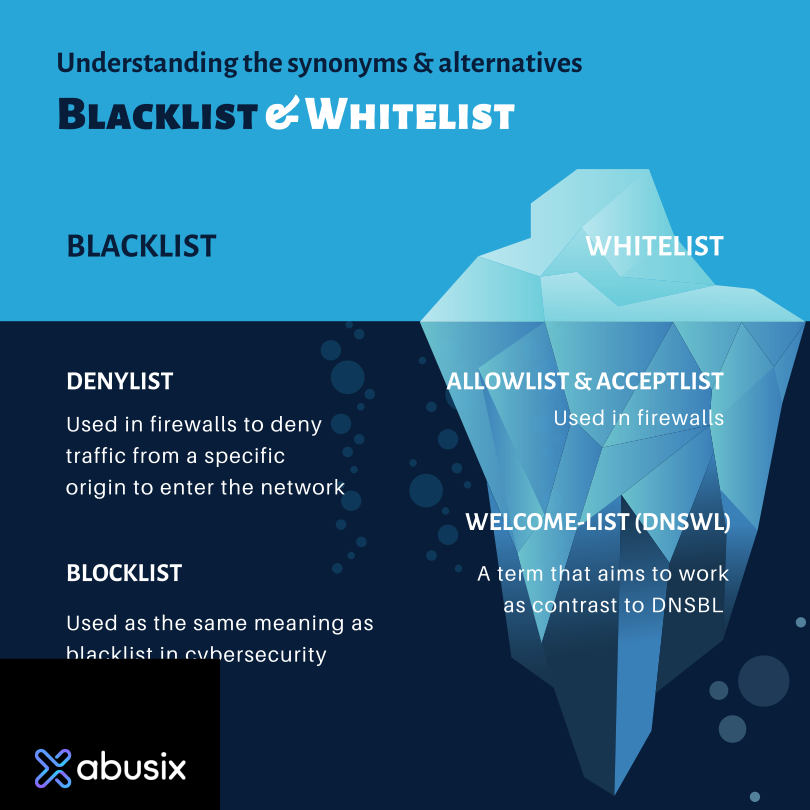
Recognizing the potentially negative connotations associated with “blacklist” (and “whitelist”), there’s a growing movement towards using more neutral and descriptive terms like “deny-list” and “allow-list.” This shift in terminology reflects a broader industry trend towards inclusive language and more precise technical descriptions, without altering the fundamental security function.
Best Practices for Implementing and Utilizing Blacklists
To maximize the effectiveness of blacklists while mitigating their drawbacks, organizations should adhere to several best practices as part of a comprehensive cybersecurity strategy.
Regular Review and Updates
Given the dynamic nature of threats, blacklists must be reviewed and updated constantly. Integrate reputable threat intelligence feeds, leverage automated tools for rapid updates, and establish clear procedures for manual additions and removals. Outdated blacklists are security liabilities.
Combining with Whitelists: A Layered Security Approach
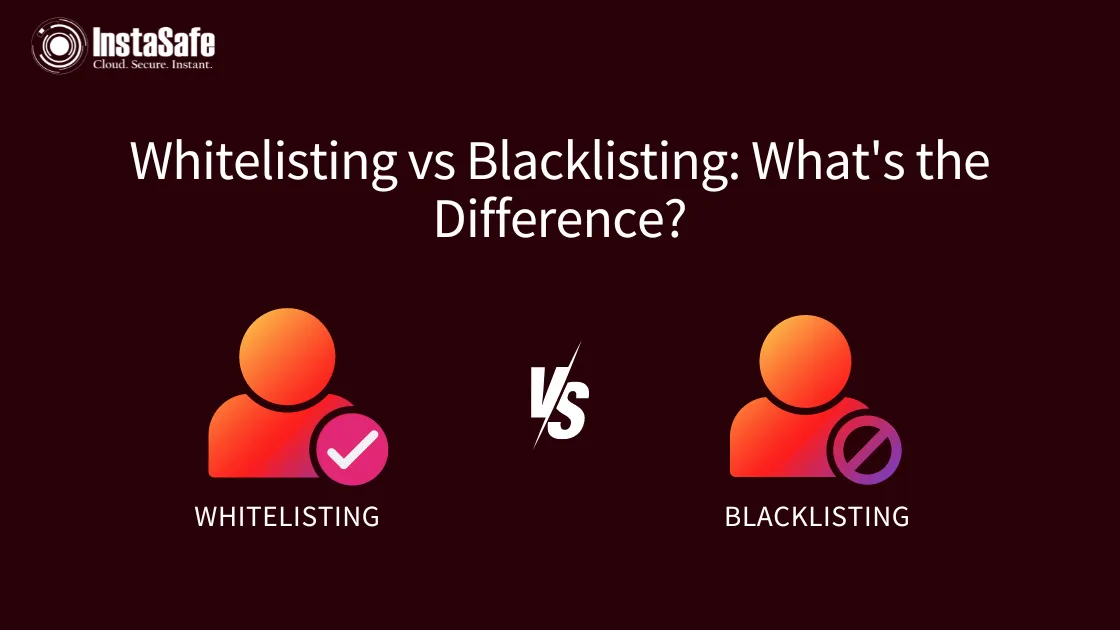
While blacklists focus on denying known bad entities, whitelists (or “allow-lists”) operate on the principle of explicit permission – only what is on the list is allowed. A layered security approach that combines both can be highly effective:
- Blacklist: Blocks known malicious elements.
- Whitelist: Allows only explicitly approved elements, often for critical systems where the attack surface needs to be minimal.
This dual approach provides a more robust defense, addressing both known threats and enforcing strict controls over allowed access.
User Education and Awareness
No technical control is foolproof without human vigilance. Educating users about phishing, suspicious links, and safe browsing habits complements blacklists. Users can serve as an early warning system, reporting suspicious activities that can then be used to update blacklists.
Integration with Broader Security Frameworks
Blacklists should not operate in isolation. They are most effective when integrated into a broader security framework that includes:
- Intrusion Detection/Prevention Systems (IDPS): To detect and block attacks missed by the blacklist.
- Security Information and Event Management (SIEM) Systems: For logging, monitoring, and correlating events across different security layers.
- Access Control Systems: To manage user permissions and authentication.
- Data Loss Prevention (DLP) Solutions: To prevent sensitive data from leaving the network.
This holistic approach ensures that blacklists act as one crucial component within a multi-layered defense strategy, rather than the sole line of defense.
Conclusion
The “blacklist,” or more accurately, “deny-list,” is an indispensable component of modern digital security. It provides a straightforward yet powerful mechanism for protecting networks, systems, and data by explicitly denying access to known malicious or unwanted entities. From blocking spam and malicious websites to preventing network intrusions and malware infections, its applications are vast and varied, forming a critical first line of defense in an ever-hostile digital environment.
However, its reactive nature and the constant need for maintenance highlight that blacklisting is just one piece of the cybersecurity puzzle. When implemented with best practices—including continuous updates, integration with other security measures like whitelists, and complemented by robust user education—blacklists remain a potent and essential tool, working tirelessly behind the scenes to keep our digital lives secure and functional. As technology advances, so too will the sophistication of blacklisting mechanisms, evolving to meet the complex challenges of tomorrow’s threat landscape.
aViewFromTheCave is a participant in the Amazon Services LLC Associates Program, an affiliate advertising program designed to provide a means for sites to earn advertising fees by advertising and linking to Amazon.com. Amazon, the Amazon logo, AmazonSupply, and the AmazonSupply logo are trademarks of Amazon.com, Inc. or its affiliates. As an Amazon Associate we earn affiliate commissions from qualifying purchases.