
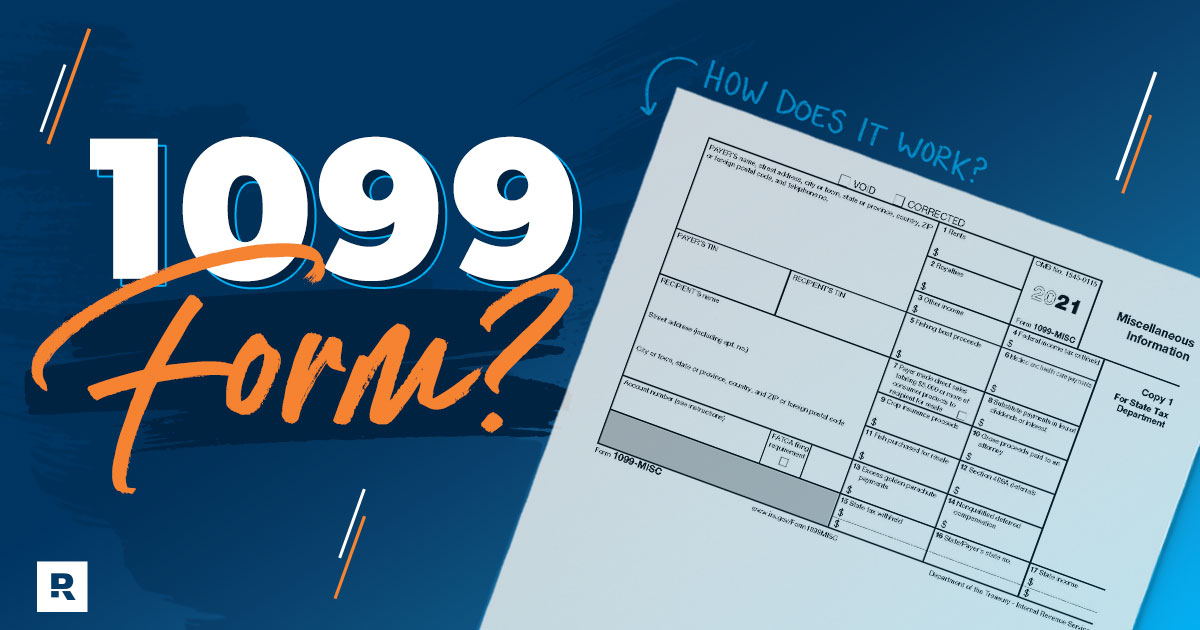
In the evolving landscape of the modern economy, the traditional “9-to-5” structure is no longer the sole blueprint for professional success. From freelance graphic designers and software consultants to rideshare drivers and real estate investors, millions of individuals now derive their income from sources that do not provide a standard paycheck. For these individuals, and the businesses that hire them, the 1099 tax form is a critical document.
A 1099 form is what the Internal Revenue Service (IRS) calls an “information return.” While a W-2 form reports wages paid to an employee, a 1099 reports various types of income received from sources other than an employer. Understanding the nuances of these forms is essential for anyone looking to navigate the complexities of personal finance, side hustles, or business ownership without falling into the trap of unexpected tax liabilities or IRS audits.
The Diverse World of 1099 Forms: Identifying Your Income
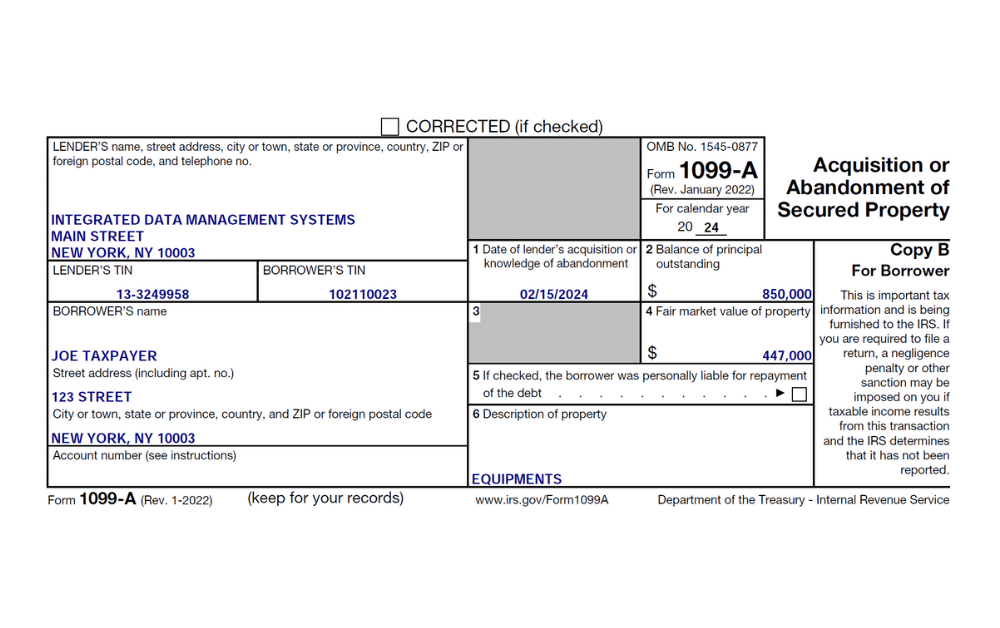
The term “1099” is actually a broad category rather than a single document. There are nearly twenty different versions of the 1099 form, each designed to capture a specific type of financial transaction. For most taxpayers, however, only a handful of these are relevant to their daily financial lives.
1099-NEC: The Modern Freelancer’s Staple
The 1099-NEC (Nonemployee Compensation) is perhaps the most common form in the gig economy. Reintroduced by the IRS in 2020, it is used specifically to report payments of $600 or more made to individuals who are not employees. If you are a contractor, a consultant, or a freelancer, this is the document you will receive from your clients. It outlines the total gross income paid to you during the tax year, and the IRS receives a duplicate copy to ensure that you report this income on your tax return.
1099-MISC: The Catch-All for Miscellaneous Income
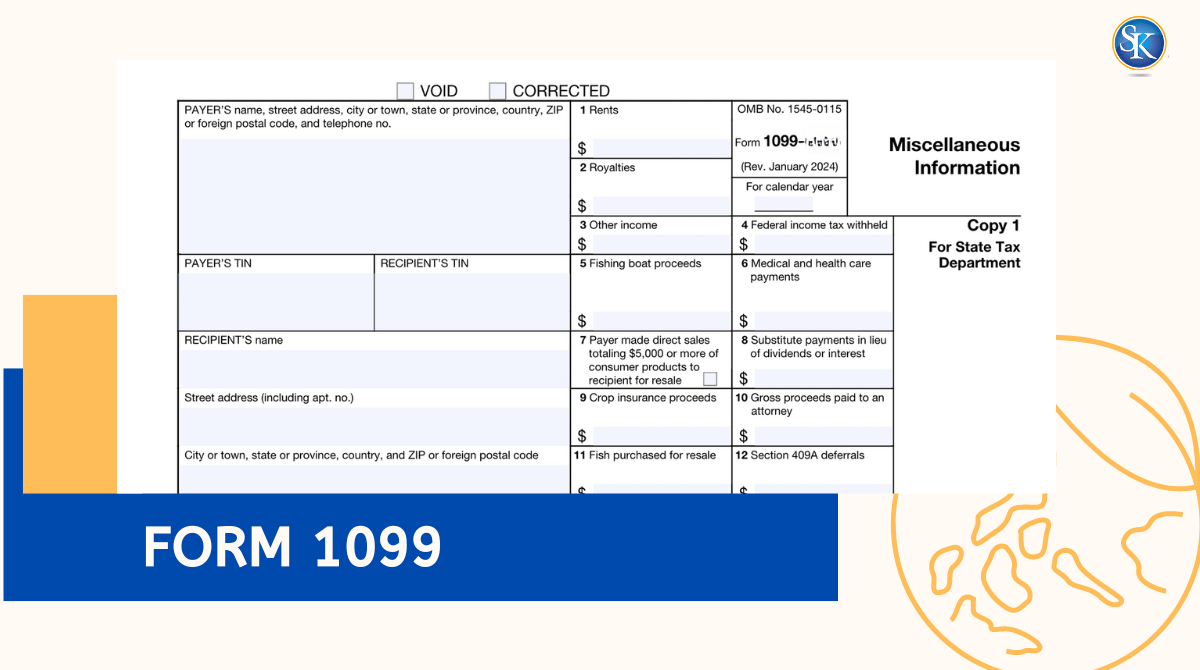
Before 2020, the 1099-MISC was the primary form for freelancers. Today, its scope is more specific. It is used to report rent payments, prizes and awards, legal settlements, and payments to physicians or for health care services. If you own a rental property and a management company handles your tenants, or if you won a significant cash prize in a competition, you will likely receive a 1099-MISC.
1099-K: Payment Card and Third-Party Network Transactions
The 1099-K has gained significant attention recently due to changing legislative thresholds. This form reports payments received through third-party processors like PayPal, Venmo, Stripe, and Etsy. It ensures that individuals selling goods or services through digital platforms are accurately reporting their gross receipts. Understanding the 1099-K is vital for small business owners and side-hustlers who utilize digital payment technology to facilitate their sales.
1099-INT and 1099-DIV: The Language of Investing
For those focused on building wealth through the financial markets, the 1099-INT and 1099-DIV are familiar sights. The 1099-INT reports interest income earned from bank accounts, certificates of deposit (CDs), or other debt investments, provided the amount exceeds $10. The 1099-DIV reports distributions, such as dividends or capital gains, from stocks and mutual funds. These forms are essential for calculating the “passive” portion of your annual taxable income.
The Fundamental Distinction: 1099 vs. W-2
The most significant hurdle for those transitioning from traditional employment to self-employment is understanding the shift in tax responsibility. When you receive a W-2, your employer acts as a fiduciary for the government; they withhold federal income tax, Social Security, and Medicare taxes from your paycheck throughout the year.
When you receive a 1099, the payor provides you with the “gross” amount. No taxes are withheld. This often leads to a “sticker shock” during tax season if the recipient has not planned accordingly.
The Self-Employment Tax Burden
As a 1099 earner, you are essentially both the employer and the employee. In a W-2 scenario, the employer pays half of the FICA taxes (Social Security and Medicare), and the employee pays the other half. For 1099 earners, the “Self-Employment Tax” (SECA) requires you to pay both portions, totaling 15.3% of your net earnings. This is in addition to standard federal and state income taxes. Recognizing this obligation early is the key to maintaining a healthy cash flow and avoiding debt to the Treasury.
Autonomy and Control
The IRS uses the 1099 designation to signify a specific type of working relationship. To be a 1099 contractor, you must generally have control over how the work is performed, what tools are used, and when the work is completed. If a company treats you like an employee—setting your hours and providing your equipment—but issues you a 1099, they may be misclassifying you to avoid paying payroll taxes and benefits. Understanding your status is not just about taxes; it is about your rights as a professional.
Navigating the Financial Responsibilities of 1099 Income
Receiving 1099 income requires a more proactive approach to financial management than a standard salary. Because the government is not receiving tax payments from your checks automatically, you must implement your own system of “withholding.”
The Necessity of Quarterly Estimated Payments
The U.S. tax system is a “pay-as-you-go” system. The IRS expects to receive tax payments as you earn the income. If you expect to owe more than $1,000 in taxes for the year, you are generally required to make quarterly estimated tax payments. These payments are due in April, June, September, and January. Failing to make these payments can result in underpayment penalties and interest, which can erode the profits of a successful side hustle or freelance business.
Leveraging Deductions to Protect Your Bottom Line
The primary advantage of being a 1099 earner is the ability to deduct “ordinary and necessary” business expenses. While a W-2 employee generally cannot deduct their commuting costs or home office setup, a 1099 contractor can.
Key deductions often include:
- Home Office Deduction: A portion of your rent/mortgage, utilities, and insurance if a space is used exclusively for business.
- Software and Tools: Subscriptions, hardware, and specialized equipment required for your trade.
- Professional Services: Fees paid to accountants, lawyers, or consultants.
- Marketing and Advertising: Costs associated with acquiring new clients or customers.
- Health Insurance Premiums: Self-employed individuals can often deduct their health insurance premiums directly from their adjusted gross income.
By diligently tracking these expenses, you can significantly reduce your taxable income, ensuring that you only pay tax on your “net profit” rather than your “gross receipts.”
Best Practices for Managing 1099 Documentation
Organization is the hallmark of a successful 1099 earner. Because you are responsible for proving your income and your deductions, a haphazard approach to record-keeping can lead to financial disaster during an audit.
Separate Business and Personal Finances
One of the most effective strategies for managing 1099 income is the “separation of church and state.” Opening a dedicated business bank account and using a specific credit card for business expenses simplifies your accounting. At the end of the year, you won’t have to sift through personal grocery receipts to find the one software subscription you need to deduct.
Implementing Digital Bookkeeping Tools
In the age of digital finance, manual spreadsheets are increasingly obsolete. Utilizing tools like QuickBooks, FreshBooks, or specialized apps for gig workers can automate the tracking of 1099 income. These platforms can often link to your bank accounts, categorize your expenses, and even estimate your quarterly tax obligations in real-time.
Handling Discrepancies and Missing Forms
By law, businesses must send out 1099 forms by January 31st. However, the absence of a form does not absolve you of the responsibility to report the income. If you earned $1,000 from a client but never received a 1099-NEC, you are still legally required to report that $1,000 on your Schedule C. Conversely, if you receive a 1099 with an incorrect amount, your first step should be to contact the issuer for a correction. If they refuse, you can attach an explanation to your tax return, but keeping your own meticulous records is the only way to win that argument with the IRS.
The Strategic Value of Understanding Your 1099s
Beyond the immediate requirements of tax season, understanding the 1099 form provides a window into your broader financial health. It forces an individual to view themselves as a “business of one.” When you see your total gross income on a 1099-NEC and compare it to your net profit after taxes and expenses, you gain a clearer picture of your actual earning power.
This insight is invaluable for setting rates, deciding which clients to keep, and determining when it might be time to scale a side hustle into a full-time venture. The 1099 form is more than just a piece of paper; it is a testament to the independence and entrepreneurial spirit that defines the modern economy. By mastering the rules of 1099 income, you transition from a passive recipient of a paycheck to an active manager of your own financial destiny.
aViewFromTheCave is a participant in the Amazon Services LLC Associates Program, an affiliate advertising program designed to provide a means for sites to earn advertising fees by advertising and linking to Amazon.com. Amazon, the Amazon logo, AmazonSupply, and the AmazonSupply logo are trademarks of Amazon.com, Inc. or its affiliates. As an Amazon Associate we earn affiliate commissions from qualifying purchases.