
In the contemporary attention economy, view counts are more than just a metric of popularity; they are a testament to the power of global brand positioning. While the question “What YouTuber has the most views?” might seem straightforward, the answer reveals a complex interplay between personal branding, corporate identity, and the democratization of international media. As of 2024, the pinnacle of YouTube viewership is occupied by entities that have mastered the art of brand scaling, ranging from individual creators like MrBeast to corporate juggernauts like T-Series and Cocomelon.
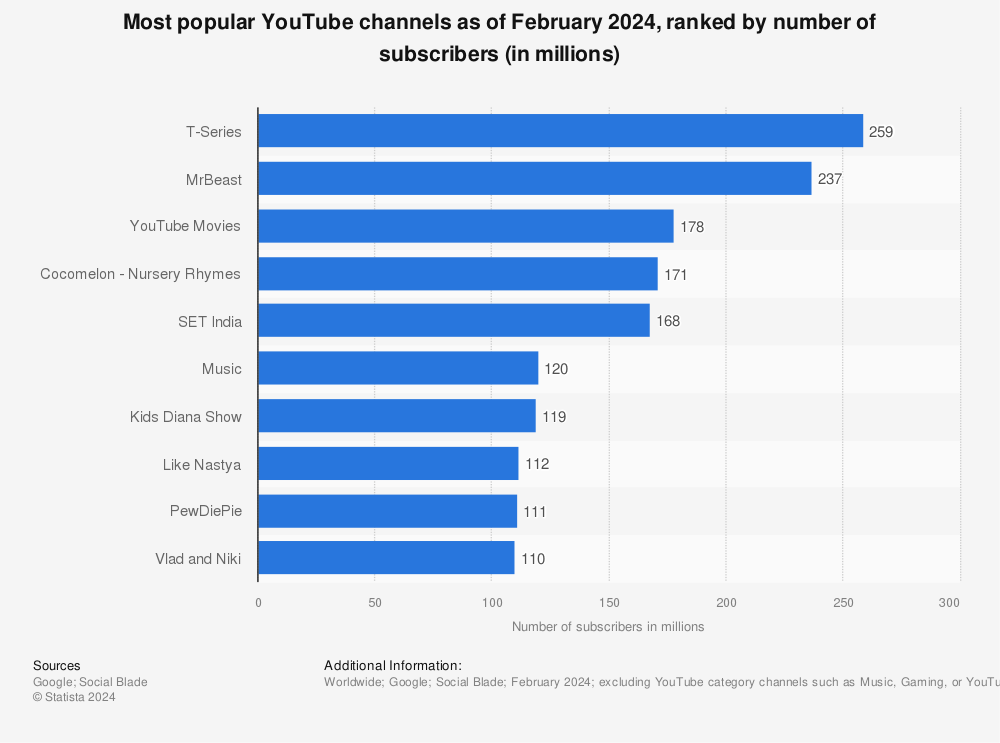
To understand who holds the crown for the most views, we must look beyond the raw data and analyze the strategic branding decisions that propelled these creators to the top of the digital hierarchy.
The Evolution of Digital Identity: Corporate vs. Personal Brands
The battle for the most views on YouTube has historically been a tug-of-war between two distinct types of brand identities: the corporate powerhouse and the individual personality. This tension defines how content is consumed and how loyalty is built across different demographics.
Corporate Branding and Regional Domination
T-Series, an Indian music record label and film production company, currently stands as one of the most-viewed channels in the history of the platform. Their success is not an accident of the algorithm but a masterclass in regional brand expansion. By positioning themselves as the primary gateway to Bollywood and Indian pop culture, T-Series utilized a “hub” branding strategy. They didn’t rely on a single face; instead, they became a cultural institution. For a brand to achieve tens of billions of views, it must transcend individual limitations and become a utility—a place where an entire nation (and its diaspora) goes for its cultural fix.
The Rise of the “Super-Individual” Brand
In contrast to the corporate model, creators like MrBeast (Jimmy Donaldson) represent the evolution of the personal brand. While T-Series operates as a multifaceted media house, MrBeast has built a brand centered on a singular ethos: extreme philanthropy and high-stakes spectacle. The “MrBeast” brand is synonymous with “The Impossible.” This clarity of brand promise ensures that every upload carries a high expectation of quality, leading to a “velocity” of views that often outpaces corporate competitors on a per-video basis. This shift highlights a critical branding lesson: in the digital age, a well-defined personal identity can rival the reach of a multi-billion dollar corporation.
The MrBeast Phenomenon: Redefining the Personal Brand Strategy
When discussing who has the most views among individual YouTubers, MrBeast is the undisputed leader of the current era. His ascent provides a blueprint for how a personal brand can scale into a global conglomerate without losing its core identity.
High-Concept Retention and Visual Identity
One of the primary reasons MrBeast dominates in views is his rigorous adherence to a visual brand language. Every thumbnail and title is engineered for a specific psychological response. His brand is built on the “Spectacle Economy”—the idea that the content must be so visually or conceptually arresting that it demands a click. This isn’t just “clickbait”; it is brand consistency. Viewers know that when they click a MrBeast video, the payoff will match the promise. This reliability builds high brand equity, ensuring that his view counts remain consistently in the hundreds of millions per upload, a feat rarely achieved by others.
The Philanthropy-First Brand Architecture
A key component of the MrBeast brand is the integration of altruism. By making “giving away money” the core mechanic of his content, he created a “virtuous brand cycle.” Viewers feel that by watching his videos, they are indirectly participating in a charitable act. This moral alignment creates a deeper emotional connection than standard entertainment channels. From a branding perspective, this has allowed him to expand into physical products (Feastables, MrBeast Burger) with a pre-baked audience trust that most brands spend decades trying to cultivate.
Cocomelon and the Power of IP Licensing in the Youth Market
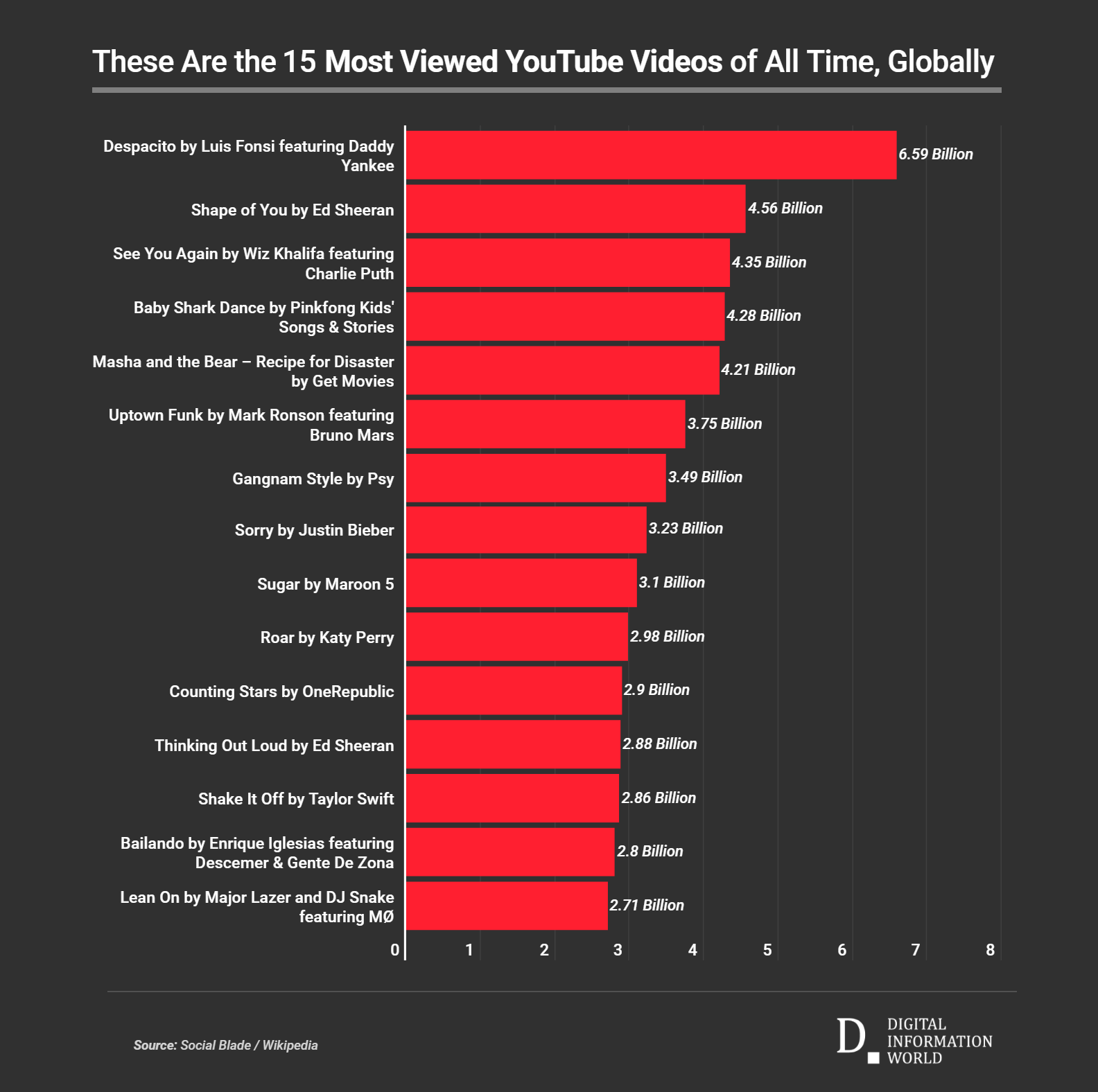
If we look at the absolute highest view counts on the platform, we inevitably find Cocomelon. While it is a corporate entity, its branding strategy is perhaps the most sophisticated on YouTube, targeting a demographic that prizes familiarity and repetition.
Consistency as a Brand Pillar
Cocomelon’s brand is built on the psychological needs of toddlers and parents: safety, repetition, and education. By maintaining a strict aesthetic—bright colors, specific character designs (like JJ), and a recognizable musical style—they have created a “safe-harbor brand.” In the chaotic world of the internet, parents trust the Cocomelon brand to be “brand-safe.” This trust is the engine behind their billions of views. Unlike entertainment for adults, which requires constant novelty, children’s branding thrives on the “replay value,” allowing a single video to accumulate views for years on end.
Visual Psychology and Global Scaling
Cocomelon’s branding is inherently “non-verbal” or “low-verbal,” which allows for seamless global scaling. By focusing on nursery rhymes and visual storytelling, the brand transcends language barriers. They have successfully localized their content into dozens of languages, but the core brand identity remains identical. This “franchise model” is why they are often the most-viewed channel in the world in any given month; they aren’t just one brand, they are a global educational standard for the digital-native generation.
Lessons in Longevity: How Top Viewers Maintain Brand Equity
Achieving the most views is a feat; maintaining that position is a monumental branding challenge. The “decay” of digital brands is rapid, yet the top-tier YouTubers have found ways to stay relevant through strategic pivots.
Pivot Strategies in a Changing Algorithm
The brands with the most views are those that treat the YouTube algorithm not as an enemy, but as a market trend to be analyzed. For example, when YouTube introduced “Shorts,” the most successful brands (like MrBeast or Like Nastya) immediately adapted their brand voice to fit the short-form medium. They didn’t just repost long-form content; they re-engineered their brand for a 60-second attention span. This agility is a hallmark of high-performing brands. They understand that their brand is not the format of the video, but the value it provides to the viewer.
Diversification Beyond the Video Platform
The most-viewed YouTubers understand that to protect their brand, they must exist outside of YouTube. Whether it is Ryan’s World (Ryan Kaji) moving into toys and television or T-Series’ massive presence in the Indian film industry, the goal is “Omnichannel Presence.” By diversifying where the brand lives, these creators ensure that their view counts on YouTube are supported by a broader cultural relevance. This ecosystem approach makes the brand “too big to fail,” as each new platform entry feeds views back into the main YouTube channel.

Conclusion: The Future of the High-View Brand
The question of which YouTuber has the most views is ultimately a question of who has built the most resilient brand. Whether it is the corporate juggernaut of T-Series catering to a massive regional market, the “Super-Individual” brand of MrBeast redefining entertainment through philanthropy, or the IP-driven powerhouse of Cocomelon capturing the youth market, the common thread is a relentless focus on brand identity.
As the platform continues to evolve, the channels that stay at the top will be those that view themselves not merely as “content creators,” but as brand managers. They understand that every view is an interaction with a brand, and every video is an opportunity to reinforce a promise to the audience. In the race for the most views, the winner is rarely the one who follows the trends, but the one who builds a brand strong enough to set them.
aViewFromTheCave is a participant in the Amazon Services LLC Associates Program, an affiliate advertising program designed to provide a means for sites to earn advertising fees by advertising and linking to Amazon.com. Amazon, the Amazon logo, AmazonSupply, and the AmazonSupply logo are trademarks of Amazon.com, Inc. or its affiliates. As an Amazon Associate we earn affiliate commissions from qualifying purchases.