
Flipping an audio tape, an action now largely confined to the annals of technological history, was once a fundamental interaction for music lovers, broadcasters, and data archivists alike. Far from a mere physical gesture, this act unlocked a distinct set of technological consequences and user experiences, fundamentally shaped by the analog mechanics of magnetic recording. Understanding “what you get” from this seemingly simple maneuver provides a profound insight into the engineering ingenuity, limitations, and unique charm of a foundational audio medium.
The Mechanical Ballet of Magnetic Strips: Unveiling the A/B Side
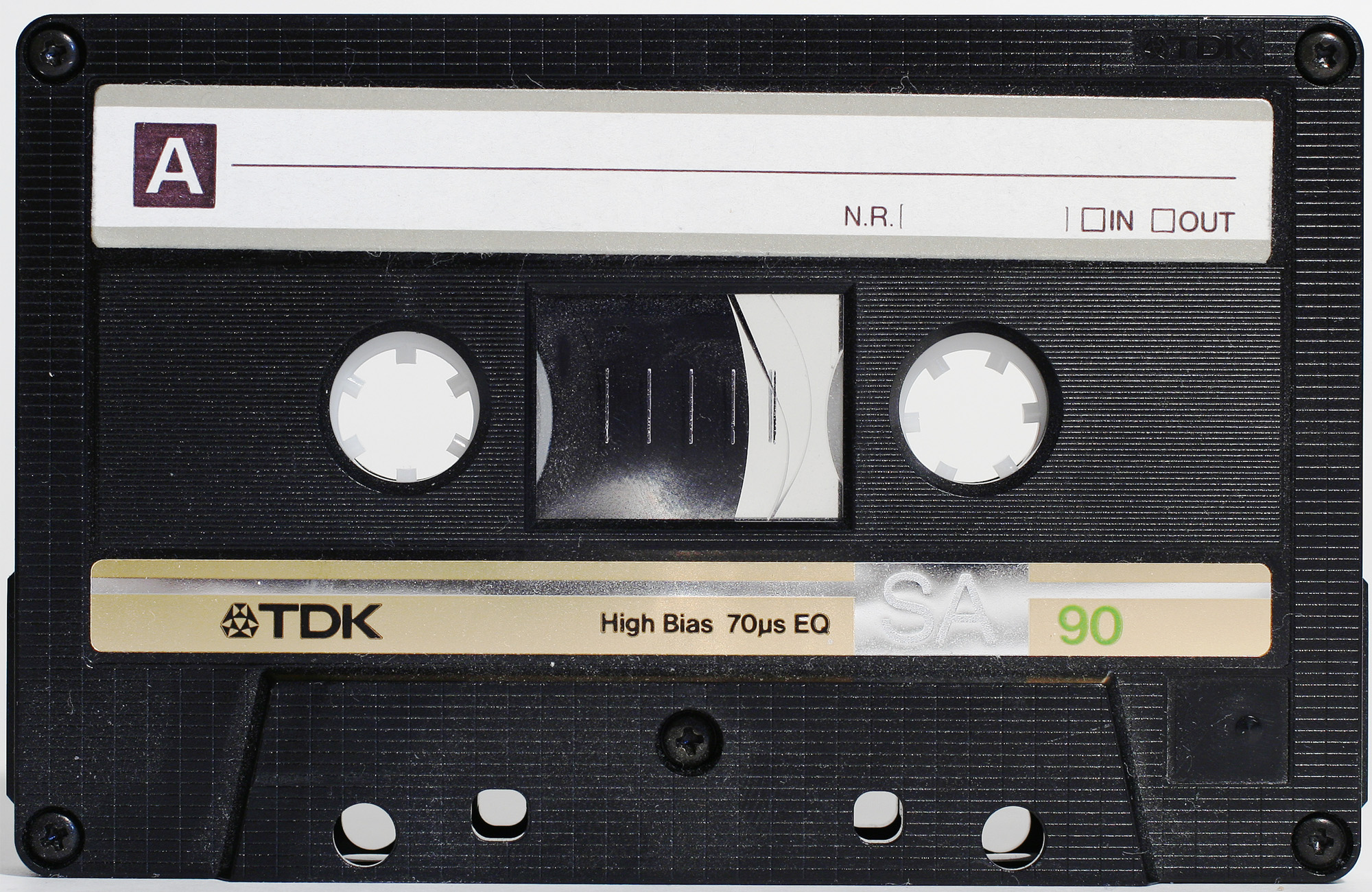
At its core, an audio cassette tape was a marvel of compact engineering, designed to offer a portable, reusable, and relatively affordable means of storing and playing sound. The act of “flipping” a tape stemmed directly from its physical architecture and the principles of magnetic recording. Unlike modern digital files that exist as singular, self-contained entities, an audio tape housed two distinct, parallel tracks of information on a single reel of magnetic film.
The Ingenuity of Two Sides
Each side of the tape, designated “Side A” and “Side B,” represented an independent recording path. When the tape was inserted into a player or recorder, the magnetic read/write heads would align with one specific set of tracks – typically those associated with Side A. This design decision was not arbitrary; it was a pragmatic solution to maximize the recording capacity within the constrained physical dimensions of the cassette shell. By utilizing both sides of the tape, manufacturers effectively doubled the available playback or recording time without increasing the tape’s length or the cassette’s footprint. This mirrored earlier innovations in vinyl records, which also featured two sides for distinct collections of tracks or longer musical pieces.
From Continuous Play to Curated Experiences
What you got when you flipped the tape, therefore, was not merely a continuation of the previous content, but an entirely separate program. Side A would typically feature a distinct set of songs or an initial segment of a longer recording, while Side B offered a second, often unrelated, program. For commercial albums, this meant artists and producers could strategically divide their work, creating two distinct listening experiences, often with different thematic flows or track progressions. For home recorders, it provided a clear demarcation for different projects, types of content, or even specific spoken word recordings versus music. The physical act of flipping became an embedded ritual, a brief interlude that punctuated the listening experience and reinforced the tangible nature of the media.
More Than Just Sound: The Practical Implications of the Flip
The act of flipping an audio tape was deeply interwoven with the practicalities of its use, defining workflows for consumers, professional broadcasters, and amateur enthusiasts. It wasn’t just about accessing more content; it was about managing time, organizing information, and engaging with technology on a fundamentally physical level.
Maximizing Storage and Minimizing Interruptions
From a practical standpoint, flipping the tape was a necessity for extended playback or recording sessions. Standard cassette lengths, such as C60 (30 minutes per side) or C90 (45 minutes per side), meant that any program exceeding these durations required interaction. For listeners, it implied a brief pause in the music, a moment to decide whether to continue the album or switch to an entirely different piece of content. For radio DJs, the “flip” was a critical technical transition, often timed between songs or during commercial breaks, requiring precise execution to maintain programming continuity. The physical act of removing, turning, and re-inserting the tape became an almost unconscious part of operating the device, a testament to the technology’s widespread adoption and the user’s adaptation to its mechanics.
The Art of Mixtapes and Personal Archives
Perhaps one of the most culturally significant outcomes of the two-sided tape was its role in the creation of mixtapes. Flipping the tape allowed individuals to curate personalized compilations, carefully selecting and sequencing tracks across both sides. This wasn’t just about recording music; it was about crafting a narrative, expressing creativity, and sharing a piece of oneself. The physical constraint of the tape encouraged thoughtful selection and strategic organization, a stark contrast to today’s instant, limitless digital playlists. Furthermore, for those archiving spoken word, lectures, or personal voice recordings, the A/B side offered a simple, intuitive method of organization. One side for a specific date or topic, the other for a continuation or a new subject, all within a single, labeled cassette. The flip, in these contexts, became a gatekeeper for distinct chapters of recorded history.
Echoes in the Digital Realm: The Tape’s Enduring Influence
While the widespread use of audio cassettes has faded, replaced by more convenient and higher-fidelity digital formats, the legacy of the “flip” and the technology it represented continues to resonate. Its influence can be seen in niche markets, design aesthetics, and even in fundamental principles of data storage and recovery.
Analog Warmth and Lo-Fi Resurgence
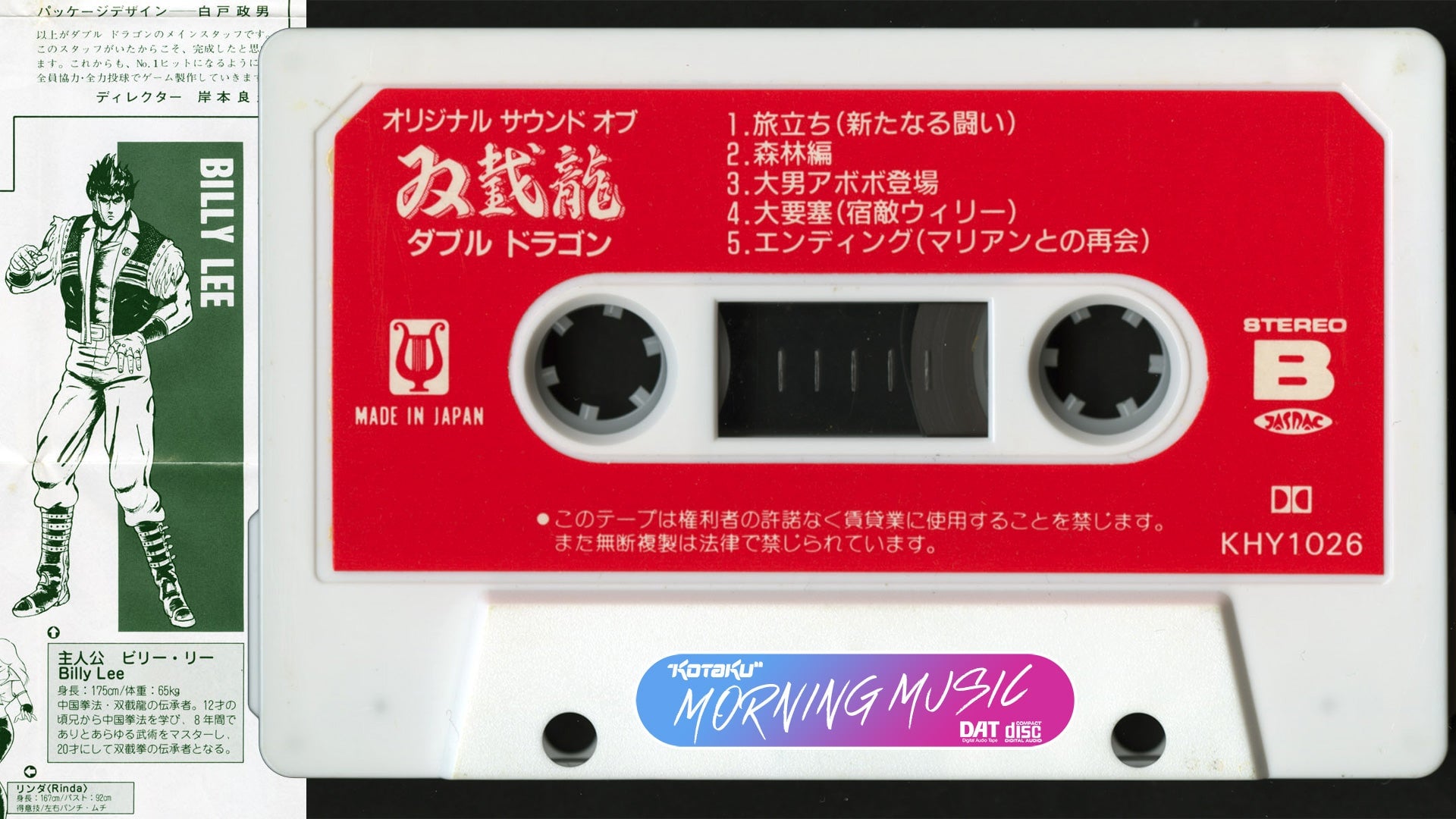
What you get when considering the audio tape in a contemporary context is a strong sense of nostalgia and a specific sonic aesthetic. The “analog warmth” often attributed to tape recordings, characterized by subtle saturation, compression, and a gentle high-frequency roll-off, has experienced a resurgence in popularity. Musicians and producers often emulate tape characteristics through software plugins or even use actual tape machines to achieve a “lo-fi” sound. The physical interaction of flipping a tape, the subtle mechanical whir of the player, and the visible movement of the reels contribute to a tangible experience that digital audio, by its very nature, often lacks. This appreciation for the sensory aspects of technology speaks to a broader trend of valuing physical media in an increasingly digitized world.
Archival Prowess and Data Durability
Beyond aesthetics, the underlying technology of magnetic tape still plays a critical, albeit often unseen, role in modern data storage. While not audio cassettes, vast archives of digital data—from corporate backups to scientific research—are often stored on magnetic tape reels in colossal data centers. These modern tape systems, while vastly more sophisticated than their audio predecessors, leverage the same fundamental principles of magnetic recording to offer incredibly high capacity, cost-effective, and long-term storage solutions. The durability and longevity of well-preserved magnetic tape, even decades after its creation, highlight a technological achievement that continues to benefit contemporary data management, proving that the basic “what you get” from magnetic recording is a resilient medium for information.
The Science Behind the Spools: How Magnetic Recording Worked
To truly appreciate what you got when you interacted with an audio tape, one must understand the fundamental scientific principles that underpinned its operation. The magic wasn’t just in the plastic shell; it was in the intricate interplay of magnetism, electronics, and precision mechanics.
Principles of Magnetic Media
An audio tape consisted of a thin strip of plastic film, typically Mylar, coated with microscopic particles of a magnetic material, such as iron oxide or chromium dioxide. When sound waves were converted into an electrical signal by a microphone, this signal was then sent to an electromagnet within the recording head of a tape recorder. As the tape passed over this head, the fluctuating magnetic field would imprint a corresponding pattern onto the magnetic particles on the tape. These particles would then retain their magnetic orientation, essentially creating an analog “fingerprint” of the original sound wave. When the tape was played back, it passed over a similar head (often the same one), inducing tiny electrical currents in the head’s coils as the magnetic patterns moved past. These currents were then amplified and converted back into audible sound through speakers. The “flip” simply meant reorienting the tape so that a different set of magnetic tracks could interact with the read/write heads.
The Fidelity Frontier: Tape Limitations and Innovations
While revolutionary, audio tape technology had inherent limitations. Fidelity, or the accurate reproduction of sound, was susceptible to factors like tape speed (faster speeds generally meant better quality), the quality of the magnetic coating, and the size of the magnetic particles. Issues like “tape hiss” (background noise caused by the random orientation of magnetic particles) and “wow and flutter” (variations in tape speed leading to pitch distortion) were common. Innovations like Dolby noise reduction systems were developed to mitigate these issues, electronically processing the audio signal during recording and playback to reduce hiss. What you got from a tape, therefore, was a sound experience often colored by these characteristics – a unique sonic signature that distinguishes it from the clinical precision of modern digital audio. The pursuit of higher fidelity, within the constraints of analog magnetic recording, drove continuous technological improvements throughout the tape era.
A Farewell to Flipping: The Shift to Seamless Digital Audio
The decline of the audio cassette and the subsequent end of the “flip” ritual were direct consequences of a paradigm shift in audio technology: the advent of digital audio. This transition fundamentally altered user expectations, emphasizing convenience, purity of sound, and boundless access.
The Digital Revolution’s Convenience
What consumers started to get with the introduction of the compact disc (CD) in the early 1980s, and later with MP3s and streaming services, was an experience free from the physical constraints of tape. Digital audio offered instant track access, eliminating the need to fast-forward or rewind. It provided pristine sound quality, devoid of tape hiss or mechanical degradation. Most significantly, it removed the necessity of the “flip” altogether. Albums could play continuously from start to finish, and entire music libraries could be carried on a single device or accessed via the cloud. This seamlessness became the new standard, prioritizing uninterrupted listening and ease of access over the tangible, interactive experience of analog media.

Nostalgia and the Tangible Tech Experience
Today, while the practical need for flipping a tape has vanished, the memory of it persists as a marker of a bygone technological era. What you get from reminiscing about this act is an appreciation for the physical interaction with technology – a hands-on engagement that fostered a different kind of relationship with media. In an age where music is an intangible stream and data is stored in invisible clouds, the tape represents a time when technology was something you could hold, manipulate, and physically connect with. The “flip” was more than just a step in operating a device; it was an integral part of the user experience, a small but significant ritual that defined how we consumed and interacted with sound for decades.
aViewFromTheCave is a participant in the Amazon Services LLC Associates Program, an affiliate advertising program designed to provide a means for sites to earn advertising fees by advertising and linking to Amazon.com. Amazon, the Amazon logo, AmazonSupply, and the AmazonSupply logo are trademarks of Amazon.com, Inc. or its affiliates. As an Amazon Associate we earn affiliate commissions from qualifying purchases.