
The question of “what years are Gen X?” is more than just a demographic query; it’s a strategic imperative for any brand seeking to connect with a significant and influential consumer segment. Gen X, often dubbed the “sandwich generation,” occupies a unique space in the generational landscape, bridging the gap between the Baby Boomers and the Millennials. Their formative years were shaped by pivotal technological shifts, evolving economic landscapes, and a distinct cultural milieu that has profoundly influenced their values, purchasing habits, and brand loyalties. For marketers and brand strategists, a deep understanding of this cohort is not merely beneficial; it’s essential for crafting resonant messaging, developing targeted products, and building enduring relationships.

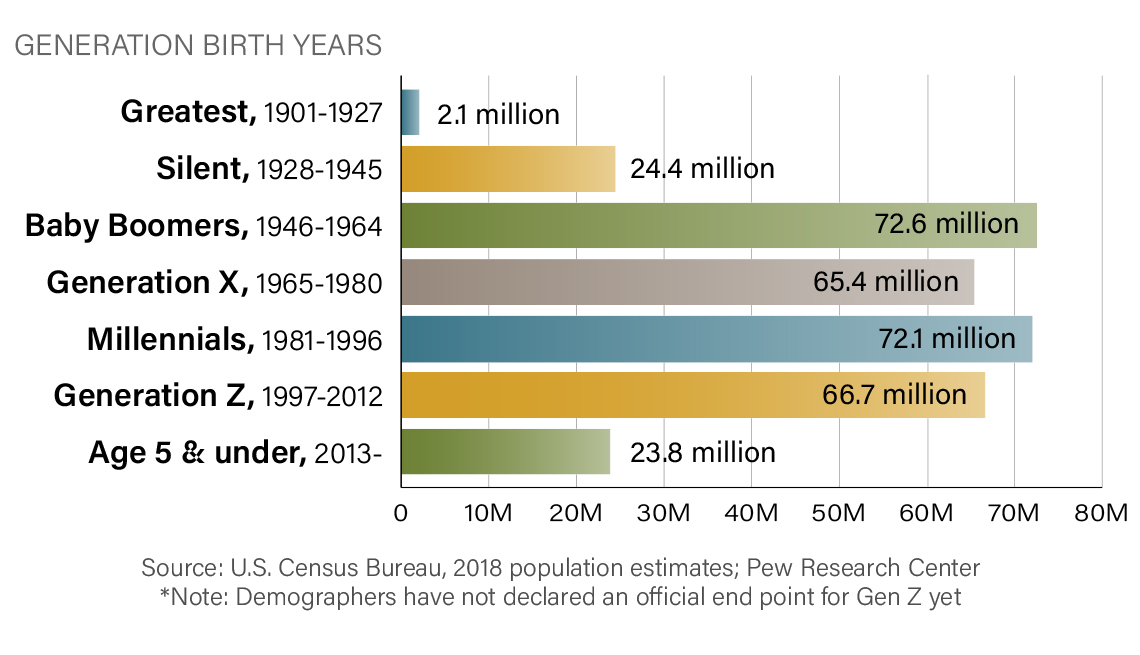
The defining characteristics of Gen X, born roughly between 1965 and 1980, paint a picture of a generation that is independent, pragmatic, and often overlooked in the clamor for the attention of younger or older demographics. They are the latchkey kids of the digital age’s infancy, navigating a world where analogue memories gradually ceded to digital innovations. This dual experience has instilled in them a unique blend of adaptability and skepticism, making them a fascinating and challenging audience to engage.
The Unique Genesis of Generation X: Shaping a Pragmatic Mindset
The years that define Gen X are not arbitrary cutoffs but rather markers of shared experiences that forged a distinct collective identity. Their upbringing was marked by a confluence of significant societal and technological shifts, which, in turn, cultivated a set of traits that continue to inform their consumer behavior and brand interactions.
The Shadow of Change: Economic and Social Catalysts
Gen X came of age during a period of considerable economic and social flux. The post-war economic boom began to wane, replaced by periods of recession and uncertainty. This economic precarity instilled a sense of pragmatism and a focus on financial security. They witnessed the rise of dual-income households out of necessity, leading many to become more self-sufficient from a young age. This independence is a hallmark of the generation, translating into a preference for brands that empower rather than patronize.
Furthermore, social changes such as the increasing divorce rates and the rise of feminism meant that many Gen Xers grew up in less traditional family structures. This fostered a resilience and a capacity for independent problem-solving. They learned to rely on themselves, a trait that often translates into a critical evaluation of marketing claims and a preference for authentic, no-nonsense communication from brands. They are less susceptible to hype and more inclined to trust empirical evidence and peer recommendations.
The Dawn of Digital: Bridging the Analogue-Digital Divide
Perhaps the most defining characteristic of Gen X’s formative years was their immersion in the nascent stages of the digital revolution. They are the first generation to have a clear memory of a world without personal computers, the internet, and mobile phones, yet they also became early adopters and adapters to these technologies. They experienced the transition from vinyl records to cassette tapes, from rotary phones to early mobile devices, and from encyclopedias to dial-up internet.
This unique position has endowed them with a hybrid technological fluency. They understand the fundamentals of analogue systems while also being adept at navigating digital platforms. This “digital native” status is different from Millennials or Gen Z; it’s a more considered, often less ingrained, proficiency. For brands, this means that while digital marketing is crucial, the message needs to resonate with a generation that values both convenience and substance. They appreciate digital efficiency but are not necessarily beholden to the latest ephemeral digital trend. Their engagement with technology is often driven by utility and effectiveness, not just novelty. This duality means that omnichannel strategies that seamlessly integrate online and offline experiences are particularly effective for reaching this cohort.
Gen X in the Marketplace: Independent Consumers with Evolving Needs
Understanding the birth years of Gen X is just the first step; deciphering their behavior as consumers is where brand strategy truly comes into play. They are a demographic with significant purchasing power, often managing households, supporting aging parents, and raising their own families. Their pragmatism, independence, and digital literacy translate into distinct expectations and preferences when interacting with brands.
The Skeptical Savvy: A Demand for Authenticity and Value
Gen X is often characterized by their skepticism. Having witnessed the shifts in economic stability and social norms, they are less inclined to blindly trust corporate pronouncements. This skepticism fuels a demand for authenticity and transparency from brands. They are quick to detect disingenuous marketing tactics and are more likely to respond positively to brands that demonstrate genuine values and a commitment to social responsibility.

Their financial pragmatism means that value for money is a significant consideration. They are willing to invest in quality products and services that offer long-term benefits, but they will conduct thorough research and comparison shopping. Reviews, expert opinions, and word-of-mouth recommendations hold considerable sway. Brands that can clearly articulate their unique selling proposition and provide tangible evidence of quality and efficacy will capture their attention and loyalty. This often means focusing on the functional benefits and the long-term value proposition rather than fleeting trends or emotional appeals alone.
The Digital Bridge: Navigating Online and Offline Journeys
While not digital natives in the same vein as younger generations, Gen X is highly adept at using digital tools to inform their purchasing decisions. They are active online researchers, using search engines, social media, and review sites to gather information before making a purchase. However, their digital journey often incorporates offline touchpoints. They value the convenience of online shopping but may also appreciate the tactile experience of browsing in-store or the personal interaction of a customer service representative.
This makes an integrated, omnichannel marketing approach essential. Brands need to have a strong online presence, including well-designed websites, active social media profiles, and engaging content, but they must also ensure that their physical presence, if applicable, complements and reinforces their digital brand. Seamless transitions between online and offline channels, such as click-and-collect services or personalized in-store recommendations based on online browsing history, can significantly enhance the Gen X customer experience. Their digital savvy means they expect efficient, user-friendly interfaces and prompt customer support, regardless of the channel.
Brands That Resonate: Strategies for Engaging Generation X
Successfully engaging Generation X requires a nuanced understanding of their worldview and a strategic approach that acknowledges their unique characteristics. Brands that have mastered this can build lasting relationships with a loyal and influential customer base. The key lies in moving beyond stereotypes and focusing on genuine connection and value.
Building Trust Through Transparency and Social Responsibility
In an era of information overload and increasing consumer awareness, trust is the currency of brand loyalty. For Gen X, trust is earned through consistent honesty and demonstrated integrity. Brands that are upfront about their products, their sourcing, and their business practices will build stronger connections. This includes clear labeling, honest advertising, and readily accessible information about company policies.
Furthermore, Gen X is increasingly concerned with the social and environmental impact of the brands they support. They are more likely to align themselves with companies that exhibit a commitment to sustainability, ethical labor practices, and community engagement. Highlighting these efforts in a genuine and non-performative way can be a powerful differentiator. Instead of broad philanthropic statements, focus on tangible actions and measurable impact. This generation is less impressed by the “what” and more interested in the “how” and the “why” behind a brand’s corporate social responsibility initiatives.
Empowering Independence: Products and Services That Simplify and Enable
The inherent independence of Gen X translates into a preference for brands and products that empower them to manage their lives efficiently and effectively. This can manifest in a variety of ways, from simplifying complex tasks to offering solutions that enhance their control over their finances, time, or well-being.
For example, in the realm of personal finance, brands that offer intuitive budgeting tools, investment platforms that demystify complex markets, or transparent loan options will resonate strongly. In technology, services that streamline daily routines, enhance productivity, or provide reliable connectivity are highly valued. Even in consumer goods, products that offer durability, versatility, and ease of use appeal to their pragmatic outlook. The messaging should emphasize how the brand or product facilitates their autonomy and contributes to their overall sense of control and well-being. Avoid patronizing language and instead focus on providing them with the tools and information they need to make informed decisions and live their lives on their own terms.
The Power of Experience: Quality Over Quantity
While Gen X is financially responsible, they are not immune to the allure of quality experiences. However, their approach to experiential consumption is often rooted in practicality and personal growth rather than fleeting novelty. They are likely to invest in experiences that offer tangible benefits, such as skill-building workshops, educational travel, or wellness retreats, rather than simply seeking Instagrammable moments.
Brands that can offer curated, enriching experiences that align with their values and interests will find receptive audiences. This might involve offering exclusive access to content, personalized recommendations for leisure activities, or loyalty programs that reward meaningful engagement. The focus should be on delivering genuine value and fostering a sense of shared purpose or learning. When marketing these experiences, it’s important to highlight the lasting impact and personal development opportunities they provide, appealing to Gen X’s desire for self-improvement and their pragmatic approach to life enrichment.
In conclusion, understanding “what years are Gen X” is the foundational step for any brand seeking to connect with this pivotal demographic. Their formative years, marked by economic shifts and the dawn of the digital age, have shaped a generation that is independent, pragmatic, and discerning. By embracing authenticity, offering tangible value, and respecting their independent spirit, brands can forge enduring connections with the Gen X powerhouse, ensuring their relevance and success in an ever-evolving marketplace.
aViewFromTheCave is a participant in the Amazon Services LLC Associates Program, an affiliate advertising program designed to provide a means for sites to earn advertising fees by advertising and linking to Amazon.com. Amazon, the Amazon logo, AmazonSupply, and the AmazonSupply logo are trademarks of Amazon.com, Inc. or its affiliates. As an Amazon Associate we earn affiliate commissions from qualifying purchases.