
The Chevrolet Corvette C6 generation, spanning from the 2005 to 2013 model years, represents one of the most significant eras in American automotive history, particularly from the perspective of value retention and market liquidity. For the modern investor or the fiscally conscious enthusiast, identifying the specific year-over-year changes within the C6 production run is not merely a matter of trivia; it is a critical component of assessing the vehicle’s long-term financial trajectory.
As the automotive market shifts toward electrification and complex digital interfaces, the C6—characterized by its analog performance and legendary LS engine architecture—has transitioned from a depreciating used car into a recognized “future classic” asset. Understanding the nuances of these nine production years allows buyers to navigate the secondary market with the precision of a seasoned portfolio manager.
The C6 Lifecycle: Analyzing the 2005–2013 Production Timeline
To understand the financial viability of the C6, one must first categorize the generation into its distinct developmental phases. Each phase carries different price points and appeal to specific segments of the market.
The Early Years: 2005–2007 (The LS2 Era)
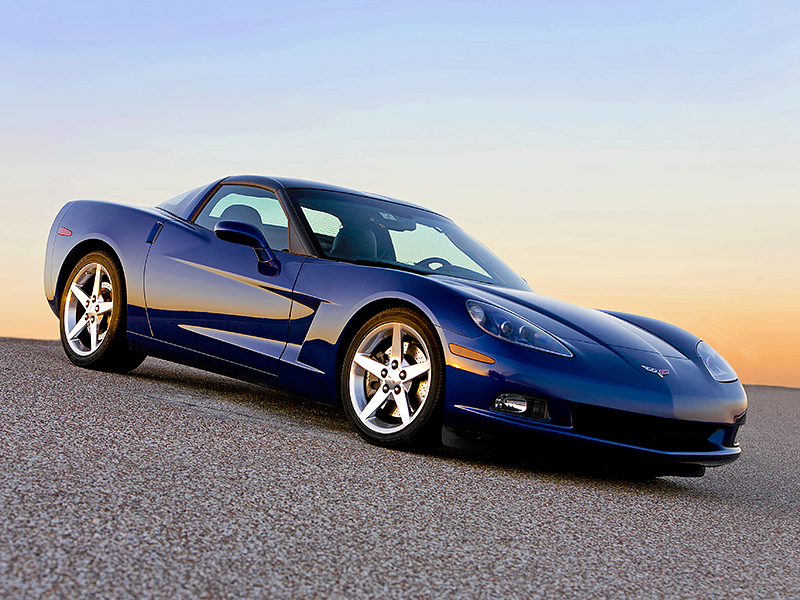
The C6 debuted in 2005, featuring a total redesign that shortened the body while lengthening the wheelbase. From 2005 to 2007, the base model was equipped with the 6.0L LS2 V8 engine. From an investment standpoint, these years represent the “entry-level” bracket of the C6 market. While these cars offer the lowest barrier to entry, they typically see higher depreciation compared to later iterations. Investors often look for low-mileage 2007 models, as they benefited from the refinement of the first two years of production while maintaining a lower price floor.
The Performance Pivot: 2008–2013 (The LS3 Era)
In 2008, Chevrolet introduced the 6.2L LS3 engine, a move that fundamentally altered the car’s resale value. The LS3 brought not only more horsepower but also a more robust internal architecture that is highly prized in the secondary market. Models from 2008 to 2013 generally command a 15% to 25% premium over the earlier LS2 cars. For those looking for “Blue Chip” stability in a base-model Corvette, the 2008+ models are the preferred choice, as they represent the technological peak of the standard C6 line.
The Late-Stage Specializations: 2010–2013
The final years of the C6 generation saw the introduction of the Grand Sport (2010) and various anniversary editions. These years are characterized by higher MSRPs and, subsequently, higher floor prices in the used market today. The 2013 model year, being the 60th-anniversary milestone, holds a unique position. The limited-production 427 Convertible, offered only in 2013, serves as a bridge between the base models and the high-performance Z06, making it a high-interest target for collectors focusing on rarity.
Market Valuation: Why the C6 is a High-Performance Financial Asset
When evaluating the C6 Corvette as a financial move, one must look at the “smile curve” of automotive depreciation. Most mass-produced vehicles follow a steady downward trajectory until they reach a scrap value. However, high-performance icons like the C6 eventually hit a “depreciation floor” before beginning a slow climb in value.
The Depreciation Floor and Recovery
For most of the 2010s, the C6 was in a state of standard depreciation. However, between 2019 and 2023, the market saw a notable correction. The C6 began to appreciate as enthusiasts recognized it as the last “truly analog” Corvette before the C7’s move toward more aggressive styling and the C8’s shift to a mid-engine layout. Currently, a well-maintained C6 with under 50,000 miles is considered a stable asset. Unlike speculative stocks, these vehicles provide “utility value” while their capital value remains steady or grows slightly above inflation.
Comparative Market Analysis (CMA)
To understand the C6’s value, it must be compared to its predecessor (C5) and successor (C7).
- C5 (1997–2004): While cheaper, the C5 lacks the interior refinement and the LS3 engine option, making it less attractive to the modern “lifestyle” buyer.
- C7 (2014–2019): The C7 commands a significantly higher price point, often overlapping with the cost of a high-end C6 Z06.
This puts the C6 in the “sweet spot” of the market: it offers 90% of the C7’s performance for 60% of the price, creating a high demand that supports strong resale values.
Liquidity and Resale Speed
One of the most overlooked aspects of an automotive investment is liquidity. A C6 Corvette is a highly liquid asset in the performance car world. Because of its massive enthusiast base and the reliability of the small-block V8, a correctly priced C6 typically sells within 14 to 30 days. This makes it an excellent “store of value” for those who want to enjoy their capital rather than leaving it in a stagnant savings account.
High-Yield Variants: Investing in the Z06 and ZR1
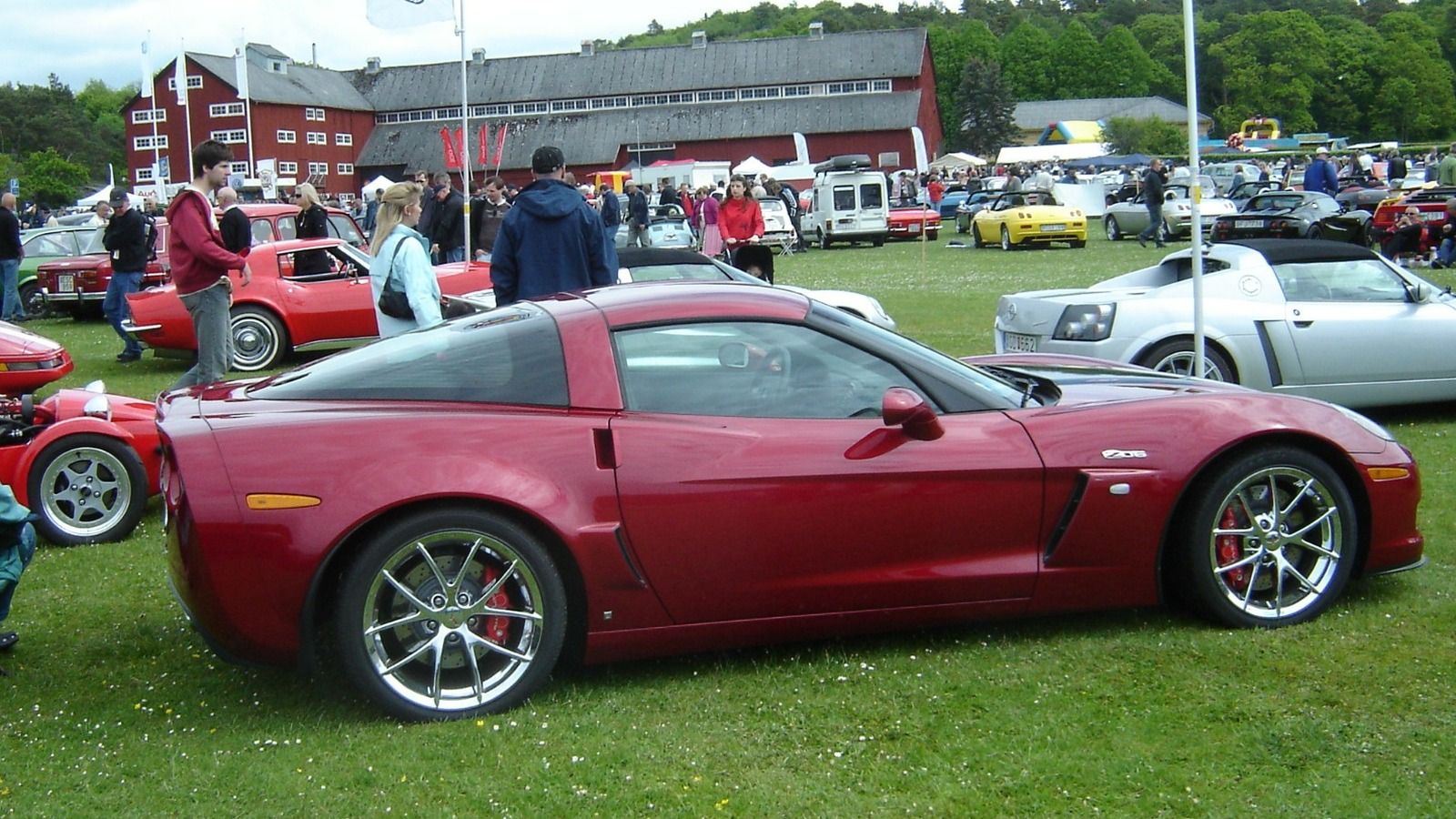
While the base models are excellent for value retention, the real “investment grade” C6s are the Z06 and the ZR1. These variants follow different economic rules than the standard coupes and convertibles.
The Z06 (2006–2013): The Lightweight Champion
The Z06 features an aluminum frame and the legendary 7.0L LS7 engine. From a fiscal perspective, the Z06 has already entered the appreciation phase. Low-mileage examples have seen a 10–15% increase in value over the last 36 months. The primary financial risk associated with the Z06 is the “valve guide issue,” a known mechanical flaw. From an investment standpoint, a Z06 with documented “heads addressed” (the mechanical fix) carries a premium and is much easier to divest later.
The ZR1 (2009–2013): The Blue-Chip Asset
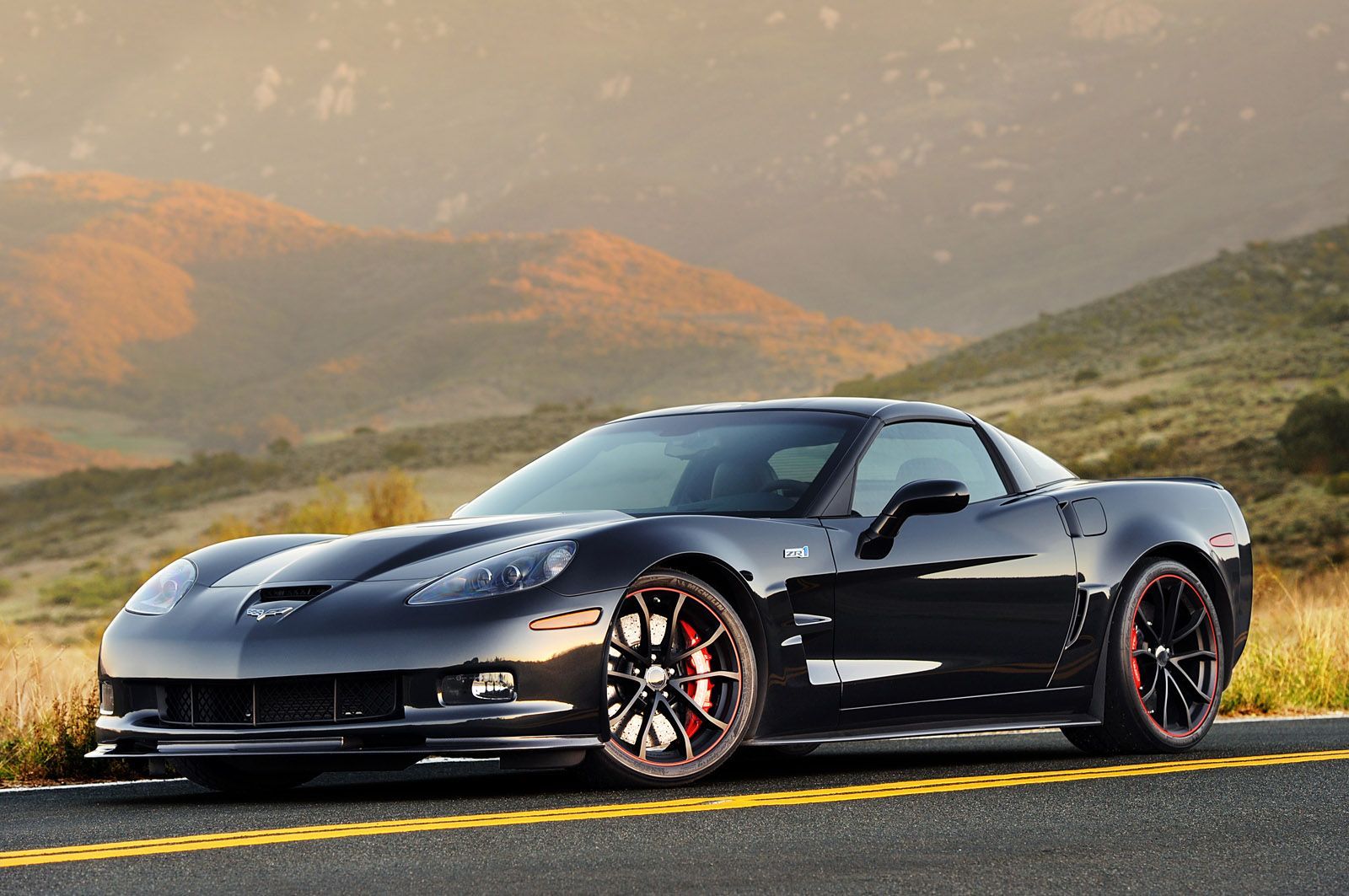
The ZR1, nicknamed “The King of the Hill,” is the pinnacle of C6 production. With a supercharged LS9 engine and a limited production run, the ZR1 is a true collector’s item. In 2009, the MSRP was over $100,000. Today, pristine examples are often trading near or above their original sticker price. For a high-net-worth individual looking to diversify into “hard assets,” the C6 ZR1 is one of the safest bets in the American automotive sector. It represents a era of peak engineering that GM is unlikely to replicate in a front-engine format.
The Grand Sport (2010–2013): The Balanced Portfolio
The Grand Sport is often cited by market analysts as the “best buy” for the average enthusiast. It combines the wide-body look of the Z06 with the reliable and lower-maintenance LS3 engine. Because it appeals to the broadest demographic—those who want the Z06 aesthetic without the high insurance and maintenance costs—the Grand Sport holds its value remarkably well, often selling for nearly the same price as an early Z06.
Total Cost of Ownership and Wealth Preservation
Investing in a C6 Corvette requires a clear understanding of the Total Cost of Ownership (TCO). To preserve the vehicle’s equity, the owner must manage operational expenses effectively.
Maintenance as Capital Preservation
The C6 is famously reliable, but it is not maintenance-free. To maintain the vehicle’s “investment grade” status, one must adhere to a strict service schedule. In the world of high-end car sales, a “full service history” can add 5–10% to the final sale price. Common fiscal considerations include:
- Tires: High-performance rubber for a C6 can cost between $1,200 and $2,000.
- Magnetic Ride Control: On models equipped with F55 suspension, replacement shocks are expensive. From a financial perspective, buyers often prefer the standard Z51 performance package because it offers lower long-term maintenance costs.
- Storage: To prevent depreciation due to environmental wear, the vehicle should be stored in a climate-controlled environment. This is an “indirect cost” that must be factored into the annual ROI of the asset.
Insurance and Financing Strategies
Insurance for a C6 Corvette can be surprisingly affordable if categorized correctly. Investors often use “agreed value” insurance policies through specialty carriers. Unlike standard “actual cash value” policies, an agreed value policy protects the investor against market fluctuations and ensures that if the car is totaled, the payout reflects its true collector value rather than a depreciated book value.
For those not paying cash, financing a C6 requires a “classic car loan” or a private bank loan, as many traditional lenders will not finance vehicles older than ten years. However, because the C6 is currently holding its value, the “cost of money” (interest) is often offset by the vehicle’s lack of depreciation, making the net cost of ownership lower than that of a brand-new, rapidly depreciating economy car.
Strategic Acquisition: Navigating the Secondary Market
To maximize the return on a C6 Corvette purchase, one must be strategic about the “buy-in.” The years 2005–2013 offer a wide variety of entry points, but the smartest money is usually spent on the “middle-to-late” models.
Identifying Undervalued Assets
The most undervalued segment of the C6 market currently is the 2008–2009 base coupe with the Z51 package. These cars offer the LS3 engine and performance upgrades but haven’t yet reached the “collector” pricing of the Grand Sport or Z06. By acquiring one of these models at the current market floor, an owner can enjoy 430+ horsepower while sitting on an asset that is likely to see modest appreciation as the supply of clean, unmolested C6s continues to dwindle.
The Importance of Provenance
In the “Money” niche of automotive purchasing, documentation is everything. A 2012 Centennial Edition or a 2013 60th Anniversary model is only worth its premium if it includes the original window sticker, build sheet, and a clean CARFAX report. When treating a car as an investment, the paperwork is nearly as valuable as the hardware.
The C6 Corvette generation (2005–2013) stands as a testament to American engineering and a beacon for value-oriented investors. Whether it is a budget-friendly 2005 LS2 or a top-tier 2013 ZR1, these years represent a closed chapter of performance history that continues to pay dividends in both driving pleasure and financial stability. By understanding the year-specific nuances and market trends, a savvy buyer can turn a “car purchase” into a strategic addition to their personal net worth.
aViewFromTheCave is a participant in the Amazon Services LLC Associates Program, an affiliate advertising program designed to provide a means for sites to earn advertising fees by advertising and linking to Amazon.com. Amazon, the Amazon logo, AmazonSupply, and the AmazonSupply logo are trademarks of Amazon.com, Inc. or its affiliates. As an Amazon Associate we earn affiliate commissions from qualifying purchases.