
Understanding generational cohorts is no longer a mere academic exercise; it’s a strategic imperative for any brand aiming for sustained relevance and growth. Among these cohorts, Generation Z stands out as a pivotal force, actively reshaping consumer markets, influencing digital landscapes, and redefining workplace dynamics. But before a brand can craft resonant messages or develop tailored products, it must first answer a foundational question: “What years are Gen Z?” Pinpointing the birth years of this generation is the essential first step in unlocking insights into their values, behaviors, and expectations, thereby informing sophisticated brand strategies, marketing campaigns, and employer branding initiatives that truly connect. This article delves into the precise timeline of Gen Z, explores the defining characteristics that make them a unique audience, and outlines how brands can strategically adapt to engage this influential demographic effectively.

Pinpointing the Birth Years: The Definitive Timeline of Generation Z
Defining the precise start and end dates of any generation is often subject to slight variations across different research bodies. However, a consensus has largely emerged regarding Generation Z, providing brands with a clear framework for segmentation.
The Conventional Range: Early Adopters to Digital Natives
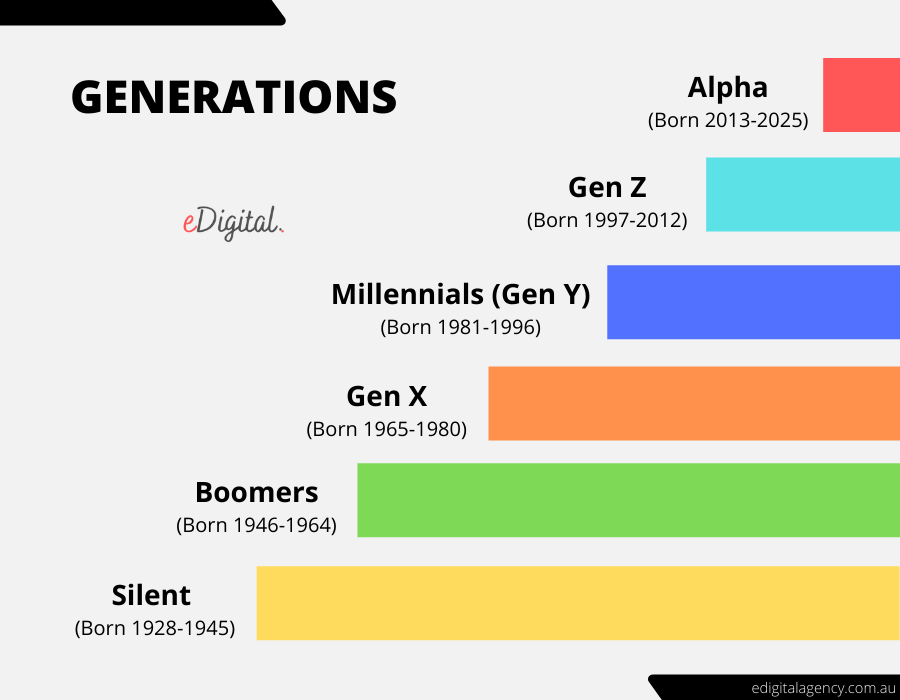
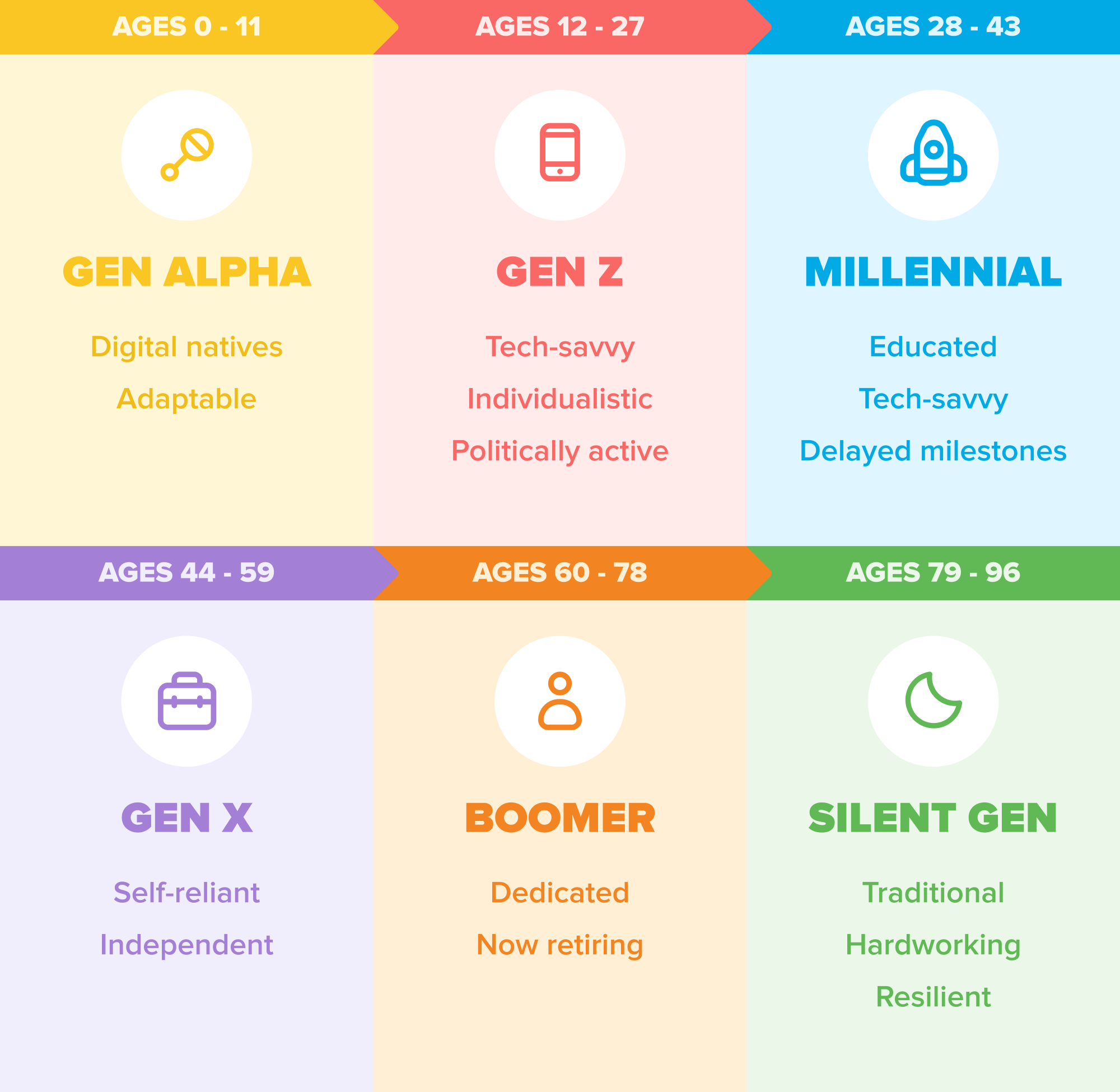
The generally accepted birth years for Generation Z typically span from the mid-to-late 1990s to the early 2010s. Specifically, most demographers and research firms, including Pew Research Center, define Gen Z as individuals born between 1997 and 2012. This range situates Gen Z as the successor to Millennials (born 1981-1996) and the predecessor to Generation Alpha (beginning around 2013). This means that, as of 2024, Gen Z ranges in age from approximately 12 to 27, encompassing a diverse group from nascent teenagers to established young professionals. This broad spectrum necessitates nuanced understanding, as a 12-year-old’s interaction with a brand will differ significantly from a 27-year-old’s, even within the same generation.
Why the Dates Matter for Brand Segmentation
Precise birth year definitions are far from arbitrary; they are critical for effective brand segmentation. Understanding the exact generational boundaries allows brands to:
-
Avoid Misattribution: Distinguish Gen Z’s unique traits from those of Millennials or Generation Alpha, preventing misdirected marketing efforts. While there can be overlap (known as “Zillennials” for those born on the cusp), distinct strategies are generally required.
-
Tailor Messaging: Craft communication that speaks directly to the experiences and worldviews shaped during their formative years. Messaging designed for a Millennial’s nostalgia might fall flat with Gen Z, who have different cultural touchstones.
-
Optimize Channel Selection: Identify the primary platforms and media consumption habits prevalent within a specific age range. An early Gen Zer might still be on Facebook out of habit, but a younger one is almost certainly exclusive to TikTok or Snapchat for active engagement.
-
Product Development: Inform the features, benefits, and aesthetics of products and services, ensuring they align with the functional and emotional needs of this specific demographic.
Influential Events Shaping the Gen Z Psyche
The defining characteristic of Generation Z is their status as the first truly “digital-native” generation. They have never known a world without the internet, smartphones, and social media. However, their formative years were also shaped by a series of global and societal events that significantly influenced their collective consciousness and, by extension, their brand expectations:
-
Post-9/11 World: Many older Gen Zers have no personal memory of 9/11 but grew up in its shadow, within a heightened security environment.
-
The Great Recession (2008): This economic downturn occurred during the formative years for many Gen Zers, instilling a sense of financial pragmatism, skepticism towards traditional institutions, and a drive for stability and entrepreneurial ventures.
-
Rapid Expansion of Social Media: From early Facebook to Instagram, Snapchat, and TikTok, social media has been an omnipresent force, shaping their communication, identity formation, and consumption of content.
-
Climate Change Awareness: Gen Z has grown up with increasing urgency around environmental issues, fostering a strong sense of eco-consciousness and demand for sustainable practices from brands.
-
Global Pandemics (e.g., COVID-19): More recently, significant global health crises have further reinforced their adaptability, resilience, and focus on health, wellness, and community.
These experiences have molded a generation that is not only tech-savvy but also socially conscious, pragmatic, and highly discerning, factors brands must integrate into their core strategies.
Beyond Birth Years: The Core Characteristics Defining the Gen Z Brand Landscape
Defining Gen Z by their birth years is merely the starting point. To truly connect, brands must delve deeper into the overarching characteristics that define this generation’s interaction with the world and, crucially, with brands. These traits transcend age, representing a fundamental shift in consumer and employee expectations.
Digital Natives and Always-On Connectivity
Gen Z’s relationship with technology is fundamentally different from previous generations; they haven’t adopted digital tools, they were born into them. This means:
-
Seamless Multi-Platform Engagement: They navigate effortlessly between social media, streaming services, gaming platforms, and messaging apps, often simultaneously. Brands need to meet them where they are, with integrated, multi-channel strategies.
-
Visual-First Communication: Platforms like TikTok and Instagram are their native tongue. Brands must prioritize visually engaging, bite-sized content that tells a story quickly and effectively.
-
Expectation of Immediacy: Accustomed to instant gratification from technology, they expect quick responses from brands, fast shipping, and seamless digital experiences. Sluggish websites or slow customer service can be deal-breakers.
-
Influencer-Driven Decisions: They trust authentic, peer-like recommendations from influencers more than traditional advertising. Brands must strategically partner with micro and macro-influencers whose values align.
Values-Driven Consumers and Ethical Brand Expectations
Gen Z is arguably the most socially and environmentally conscious generation to date. Their purchasing decisions are increasingly influenced by a brand’s stance on critical issues:
-
Authenticity and Transparency: They quickly detect inauthenticity. Brands must be transparent about their practices, supply chains, and corporate values. Greenwashing or performative activism is met with skepticism and often backlash.
-
Social Justice and Diversity: They demand that brands not only acknowledge but actively champion diversity, equity, and inclusion in their marketing, internal policies, and leadership. Brands that authentically embody these values gain loyalty.
-
Sustainability and Ethical Sourcing: Environmental impact is a significant concern. Brands demonstrating genuine commitment to sustainable practices, ethical labor, and circular economy principles resonate deeply.
-
Brand Purpose: Beyond products or services, Gen Z wants to know a brand’s “why.” Brands with a clear, impactful social or environmental mission are more likely to earn their trust and advocacy.
Pragmatic, Fiscally Aware, and Experience-Oriented
Shaped by the 2008 recession and often burdened by student loan debt or high living costs, Gen Z approaches finance and consumption with a distinct pragmatism:
-
Value-Conscious: They are not necessarily frugal, but they seek value for money. They research extensively before making purchases, comparing prices, reading reviews, and looking for genuine utility or quality.
-
Financial Literacy and Side Hustles: Many are financially literate at a younger age, exploring investing, budgeting apps, and often engaging in side hustles to supplement income. Brands offering tools or opportunities in these areas can connect.
-
Experiences Over Possessions: While they consume, they often prioritize unique experiences, travel, and personal growth over accumulating material possessions. Brands offering experiential marketing or services that facilitate experiences hold significant appeal.
-
Entrepreneurial Spirit: A notable segment shows a strong inclination towards entrepreneurship, valuing independence and creative control. Brands that support or cater to this entrepreneurial drive can forge strong relationships.
Hyper-Individualism and the Quest for Personalization
Gen Z champions self-expression and individual identity, fostering a demand for customization and unique brand interactions:
-
Personalization as an Expectation: They expect personalized recommendations, customized products, and marketing that feels specifically tailored to their interests, not generic mass appeals.
-
Co-creation and Community: They enjoy participating in brand narratives, co-creating content, or influencing product development. Brands that invite participation build deeper engagement.
-
Rejection of Homogenization: They often reject “one-size-fits-all” approaches, seeking brands that reflect their niche interests and unique aesthetic. This fuels the rise of niche communities and micro-trends.
-
Authentic Self-Expression: Brands that provide platforms or products that enable Gen Z to express their authentic selves – whether through fashion, art, or digital content – earn their respect and loyalty.
Marketing to Gen Z: Strategic Imperatives for Modern Brands
Engaging Gen Z requires a fundamental shift in marketing paradigms. Traditional advertising models often fail, yielding to strategies that prioritize authenticity, engagement, and value alignment.
Authenticity Over Perfection: Crafting Genuine Brand Narratives
Gen Z sees through highly polished, inauthentic campaigns. They crave realness:
-
Raw and Unfiltered Content: Embrace user-generated content (UGC), behind-the-scenes glimpses, and less “produced” visuals. TikTok’s success is a testament to this preference.
-
Micro-Influencers and Co-Creation: Partner with influencers who genuinely align with your brand values and have authentic engagement with their niche communities. Allow them creative freedom.
-
Honest Communication: Be transparent about brand challenges, values, and even mistakes. An honest apology resonates more than a defensive stance.
-
Human-Centered Storytelling: Focus on the people behind the brand, the impact on real lives, and narratives that evoke genuine emotion.
The Power of Short-Form Content and Experiential Marketing
Gen Z has an average attention span often cited as shorter, due to constant digital stimulation. This necessitates adaptable content strategies:
-
Snackable Video Content: Prioritize short, engaging videos (15-60 seconds) for platforms like TikTok, Instagram Reels, and YouTube Shorts. These should be visually dynamic and convey a clear message swiftly.
-
Interactive Experiences: Move beyond passive consumption. Implement polls, quizzes, augmented reality (AR) filters, and interactive live streams that invite participation.
-
Immersive Brand Activations: Create pop-up experiences, interactive installations, or virtual events that allow Gen Z to physically or digitally engage with the brand in a memorable way.
-
Gamification: Integrate game-like elements into marketing campaigns, loyalty programs, or product interactions to increase engagement and enjoyment.
Social Responsibility as a Non-Negotiable Brand Pillar
For Gen Z, a brand’s commitment to social and environmental causes isn’t a bonus; it’s an expectation.
-
Embed Purpose, Don’t Just Donate: Integrate social responsibility into the core business model, from sustainable sourcing to ethical labor practices, rather than merely making one-off donations.
-
Communicate Impact, Not Just Intent: Clearly articulate the measurable positive impact your brand is making. Use data and tangible examples to demonstrate commitment.
-
Advocate and Educate: Use your brand platform to educate consumers on important issues and advocate for change, aligning with Gen Z’s desire for brands to take a stand.
-
Diverse Representation: Ensure diversity, equity, and inclusion are reflected authentically in all marketing materials, product development, and internal structures.
Building Community, Not Just Customers
Gen Z thrives in communities, both online and offline. Brands that foster a sense of belonging will build deeper loyalty:
-
Facilitate User-Generated Content: Encourage customers to share their experiences and creations, making them part of the brand story.
-
Create Digital Hangouts: Host online forums, Discord servers, or private social media groups where fans can connect with each other and the brand.
-
Listen and Respond: Actively monitor social conversations, engage with comments and direct messages, and demonstrate that the brand is listening to its community.
-
Loyalty Programs with a Twist: Develop loyalty programs that offer exclusive experiences, early access, or opportunities to co-create, rather than just discounts.
Gen Z in the Workforce: Evolving Employer Branding and Corporate Culture
Gen Z isn’t just a consumer segment; they are rapidly becoming the dominant force in the global workforce. For brands, this means adapting employer branding and corporate culture to attract, retain, and empower this new generation of talent.
Purpose-Driven Employment and Ethical Workplaces
Much like their consumer habits, Gen Z’s career choices are heavily influenced by purpose and ethics:
-
Meaning Beyond Money: They seek roles where their work contributes to something meaningful, aligning with their personal values. Brands must articulate their mission and social impact clearly in their employer branding.
-
Diversity, Equity, and Inclusion (DEI): A diverse and inclusive workplace isn’t just a preference; it’s a non-negotiable. Gen Z actively seeks out companies with demonstrably strong DEI initiatives and a culture of belonging.
-
Work-Life Balance and Well-being: They prioritize mental health support, flexible work arrangements, and boundaries between work and personal life. Brands that promote genuine well-being benefits stand out.
-
Ethical Leadership: They look for leaders who are transparent, empathetic, and committed to ethical practices. Hypocrisy at the top can quickly erode trust.
Adaptability, Flexibility, and Tech-Savvy Contributions
Having grown up with rapid technological change, Gen Z expects their workplaces to be equally dynamic and tech-forward:
-
Flexible Work Models: Hybrid and remote work options are often preferred, reflecting their desire for autonomy and work-life integration. Companies must provide the digital infrastructure to support this.
-
Continuous Learning and Development: Gen Z values opportunities for upskilling and reskilling. Brands should offer robust training programs, mentorship, and career growth pathways.
-
Cutting-Edge Tools: They expect modern technology and efficient digital tools that facilitate collaboration and productivity. Outdated systems can be a significant deterrent.
-
Impactful Contributions: They want to see how their work contributes to the larger organizational goals and are eager to take on responsibilities that allow them to make a tangible difference.
Communication Styles and Feedback Loops
Gen Z has unique preferences for communication and professional development:
-
Direct and Frequent Feedback: They prefer regular, candid feedback, often in real-time, rather than infrequent annual reviews. This helps them learn and adapt quickly.
-
Digital Communication Fluency: While they appreciate face-to-face interaction, they are highly proficient with instant messaging, video conferencing, and collaborative digital platforms for daily communication.
-
Transparency from Leadership: They expect open communication from leadership regarding company performance, strategic decisions, and challenges.
-
Mentorship and Coaching: While independent, they value mentorship and coaching relationships that provide guidance and support for their professional growth. Brands should formalize these programs.
Conclusion
Understanding “what years are Gen Z” is merely the entry point into a complex yet incredibly rewarding journey for brands. This generation, predominantly born between 1997 and 2012, represents a demographic unlike any before them – digital-native, values-driven, pragmatic, and fiercely individualistic. For brands, this means moving beyond superficial engagement to cultivate deep, authentic relationships built on transparency, shared values, and genuine contribution.
From meticulously crafting marketing messages that resonate with their ethical sensibilities and digital fluency to evolving employer branding to meet their demands for purpose, flexibility, and continuous growth, every facet of brand strategy must adapt. Gen Z is not just a consumer segment to be targeted; they are a powerful force shaping the future of commerce, culture, and work itself. Brands that embrace these changes, listen actively, and commit to genuine evolution will not only secure their relevance in the coming decades but also foster a new era of impactful and meaningful engagement. The future of brand loyalty and success belongs to those who truly understand, respect, and align with Generation Z.
aViewFromTheCave is a participant in the Amazon Services LLC Associates Program, an affiliate advertising program designed to provide a means for sites to earn advertising fees by advertising and linking to Amazon.com. Amazon, the Amazon logo, AmazonSupply, and the AmazonSupply logo are trademarks of Amazon.com, Inc. or its affiliates. As an Amazon Associate we earn affiliate commissions from qualifying purchases.