
The generational labels we assign – Baby Boomers, Millennials, Gen X – are more than just demographic markers. They often serve as shorthand for distinct cultural, social, and, crucially, technological landscapes that shaped an era and the individuals within it. When we talk about Gen Z, we’re not just talking about a birth year range; we’re talking about the first truly digital-native generation, whose formative years were inextricably linked with the explosion of the internet, mobile devices, social media, and the burgeoning fields of AI and data. Understanding the technological context of Gen Z is paramount for anyone looking to engage with this influential demographic, whether as marketers, educators, employers, or simply as observers of societal evolution.

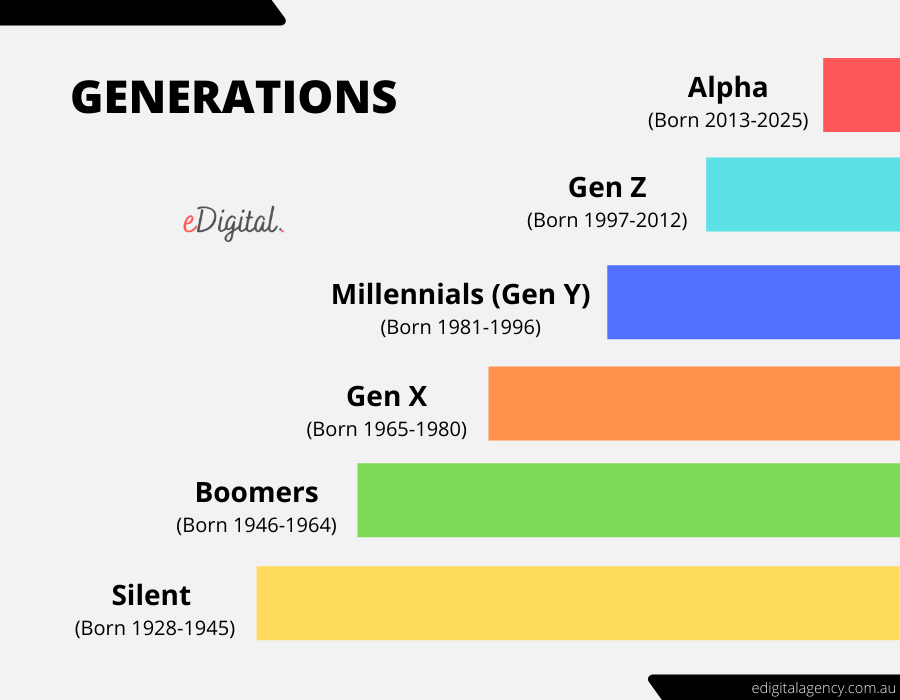
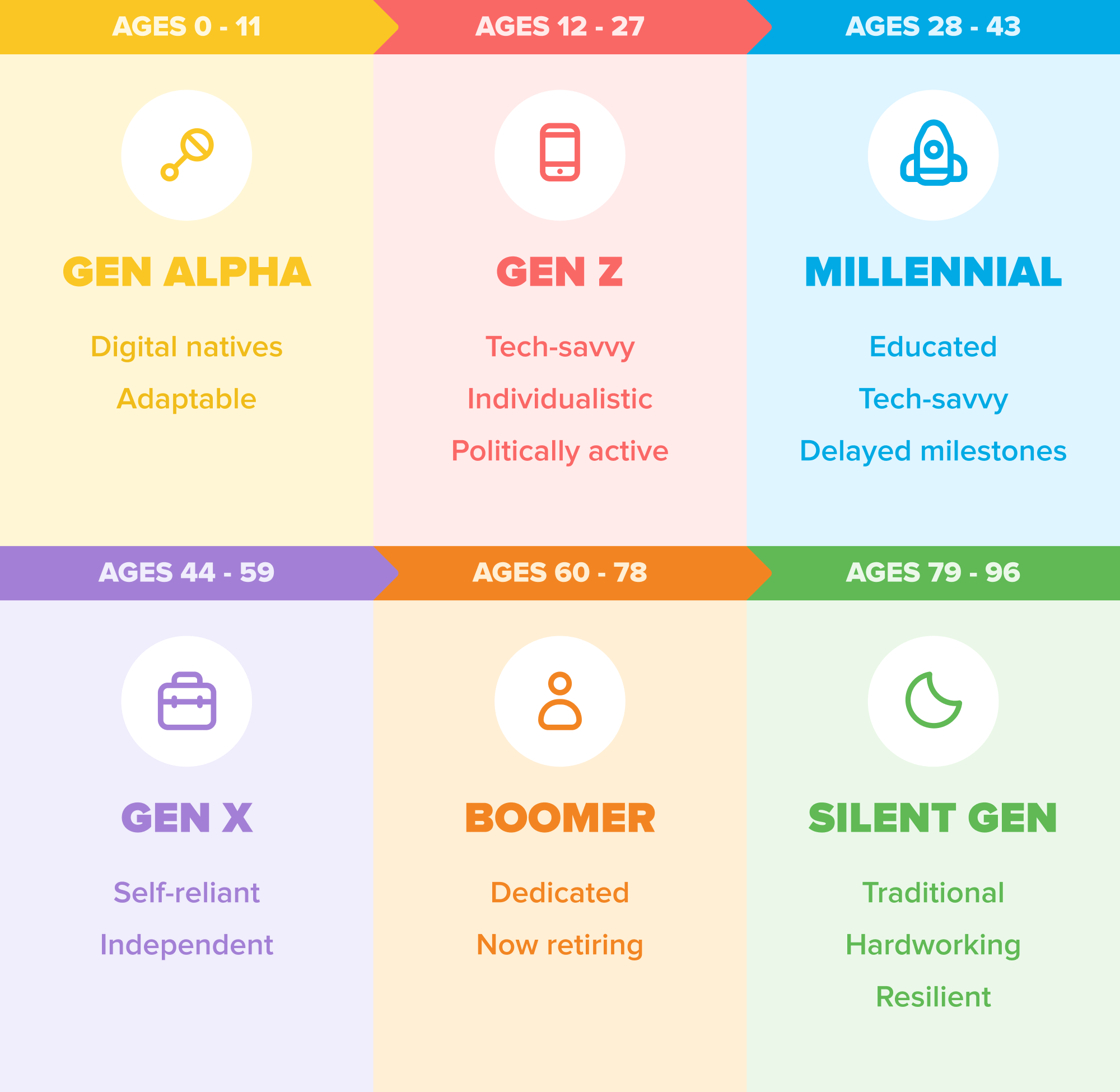
The commonly accepted birth years for Generation Z are roughly from the mid-to-late 1990s to the early 2010s. This broad range, typically cited as 1997 to 2012, places individuals within this cohort at various stages of technological immersion and understanding. Those born in the earlier part of this window, often referred to as “older Gen Z,” remember a world transitioning from dial-up to broadband, from flip phones to early smartphones. Younger Gen Z, on the other hand, has known nothing but a hyper-connected, mobile-first digital existence. This distinction is critical, as their lived experiences with technology have shaped their digital fluency, consumption habits, and even their cognitive processes.
The Digital Genesis: Gen Z’s Technological Crucible
Generation Z emerged into a world where the internet was no longer a novelty but a utility. Unlike Millennials, who were digital immigrants, adapting to the internet as it evolved, Gen Z are digital natives, intrinsically fluent in the language of screens, algorithms, and online interaction. This fundamental difference has profound implications for how they interact with technology, perceive information, and navigate the digital landscape.
Early Immersion and the Mobile Revolution
The formative years of Gen Z coincided with the seismic shifts brought about by mobile technology. The launch of the iPhone in 2007 and the subsequent proliferation of smartphones and tablets fundamentally altered how information was accessed and consumed. For Gen Z, the smartphone is not just a device; it’s an extension of their being, a primary tool for communication, entertainment, learning, and social connection.
- Ubiquitous Connectivity: From a young age, Gen Z has experienced a world of always-on internet. This has fostered an expectation of instant access to information and seamless communication, shaping their patience levels and their approach to problem-solving. They are adept at multitasking across multiple apps and platforms, a skill honed by navigating a constantly evolving digital ecosystem.
- App-Centric Lifestyles: Their engagement with technology is largely driven by applications. Social media apps like TikTok, Instagram, and Snapchat are not just for communication but also for entertainment, news consumption, and even as platforms for self-expression and identity formation. Educational apps, gaming platforms, and creative tools are equally integral to their daily routines.
- The Rise of Visual Communication: Gen Z’s preference for visual content – images, videos, and short-form media – is a direct consequence of platforms like YouTube, Instagram, and TikTok dominating their media diet. This has influenced their communication styles, favoring concise, visually engaging messages over lengthy text-based interactions.
Social Media: The Hyper-Connected Lifeline
Social media platforms have been instrumental in shaping Gen Z’s social interactions, identity development, and perception of the world. Unlike earlier generations who adopted social media as it emerged, Gen Z has grown up with it as an integral part of their social fabric.
- Platform Diversity and Evolution: Gen Z navigates a complex ecosystem of social media platforms, each serving different purposes. While older platforms like Facebook might be seen as belonging to their parents, newer, more ephemeral platforms like TikTok and Discord have become their primary digital hangouts. They are adept at understanding the nuances and norms of each platform.
- Personal Branding and Digital Identity: Social media provides Gen Z with a canvas for constructing and projecting their personal identities. They are highly aware of their digital footprint and often meticulously curate their online presence. This includes an understanding of personal branding, a concept that, while not explicitly taught in schools, is intuitively grasped through continuous engagement with online communities.
- Information Consumption and Misinformation: The sheer volume of information available through social media presents both opportunities and challenges. Gen Z is exposed to a diverse range of perspectives but also faces the significant hurdle of discerning credible information from misinformation and disinformation. Their digital literacy is constantly tested as they navigate the complexities of online content.
Gen Z’s Technological Expectations and Innovations
The constant exposure to cutting-edge technology has cultivated in Gen Z a unique set of expectations and a propensity for embracing innovation. They are not passive consumers; they are active participants and often creators within the digital realm.
Artificial Intelligence and the Future of Interaction
Artificial intelligence (AI) is no longer a futuristic concept for Gen Z; it’s an increasingly integrated aspect of their daily technological experience. From personalized recommendations on streaming services to virtual assistants in their smartphones, AI influences how they interact with technology and the information they consume.
- AI as a Seamless Assistant: Gen Z views AI as a helpful tool that can streamline tasks and enhance their digital experiences. They are accustomed to algorithms that predict their needs, suggest content, and automate processes. This familiarity makes them prime candidates for adopting and integrating more advanced AI tools into their lives.
- Understanding Algorithmic Influence: While not always explicitly articulated, Gen Z possesses a growing awareness of how algorithms shape their online environments. This awareness, often born from firsthand experience with filter bubbles and personalized feeds, can lead to a more critical approach to online content and a desire for transparency.
- Creative Applications of AI: Beyond passive consumption, Gen Z is actively exploring the creative potential of AI. Tools for generating art, music, and text are being embraced as new mediums for self-expression and content creation, pushing the boundaries of digital creativity.
Digital Security and Privacy in a Connected World
The digital landscape Gen Z inhabits is rife with privacy concerns and security risks. Their upbringing in an era of data breaches and constant surveillance has fostered a pragmatic, though not always perfectly informed, approach to their digital footprint.
- Awareness of Data Trails: Gen Z understands that their online activities leave a digital trail. While they may not always fully grasp the technical intricacies of data privacy, they are often more guarded about sharing personal information online compared to older generations. They are adept at using privacy settings on social media platforms and are increasingly aware of the value of their personal data.
- Navigating Online Threats: From phishing scams to identity theft, Gen Z is exposed to a range of online threats. Their digital fluency often allows them to recognize rudimentary attempts at deception, but the sophistication of cyber threats means that continuous education and vigilance are essential.
- The Value of Digital Trust: In an environment where personal data is a commodity, Gen Z places a premium on digital trust. They are more likely to engage with brands and platforms that demonstrate transparency and a commitment to protecting user privacy. This has significant implications for how businesses approach data management and customer relationships.
The Evolving Definition of Gen Z and its Technological Trajectory
As Gen Z matures, their relationship with technology continues to evolve. The foundational experiences of their youth are being built upon with new technological advancements, shaping their future interactions and contributions to the digital world. The “what years are Gen Z” question, therefore, is not static; it’s a gateway to understanding a generation whose identity is intrinsically woven with the ongoing narrative of technological progress.
Immersive Technologies and the Metaverse
The emergence of virtual reality (VR), augmented reality (AR), and the concept of the metaverse represent the next frontier for Gen Z’s technological engagement. These immersive technologies offer new avenues for social interaction, entertainment, education, and commerce.
- Early Adopters of Immersive Experiences: Gen Z’s comfort with digital environments makes them natural early adopters of immersive technologies. They are already accustomed to spending significant portions of their lives in virtual spaces, whether gaming or engaging on social platforms.
- The Metaverse as a Social and Economic Hub: For Gen Z, the metaverse holds the potential to become a significant social and economic hub. They envision interconnected virtual worlds where they can socialize, work, learn, and even earn a living. This necessitates a deeper understanding of digital ownership, virtual economies, and decentralized technologies.
- Challenges and Opportunities: The widespread adoption of immersive technologies presents both challenges, such as accessibility and ethical considerations, and immense opportunities for innovation and new forms of digital interaction. Gen Z will likely be at the forefront of shaping these new digital frontiers.
The Future of Work and Digital Skills
Gen Z’s technological upbringing has equipped them with a unique set of digital skills that are increasingly in demand in the modern workforce. Their comfort with collaboration tools, data analysis, and rapidly evolving software makes them adaptable and innovative employees.
- Remote Work and Digital Collaboration: Having grown up with digital tools for communication and collaboration, Gen Z is well-suited for remote work environments. They are proficient in using platforms like Slack, Zoom, and project management software, making them highly effective collaborators in geographically dispersed teams.
- Adaptability and Continuous Learning: The rapid pace of technological change means that continuous learning is not an option but a necessity for Gen Z. They are accustomed to acquiring new skills quickly and are eager to embrace new technologies that can enhance their productivity and career growth.
- Entrepreneurial Spirit and Digital Tools: Many Gen Z individuals possess an entrepreneurial spirit, leveraging digital tools and platforms to launch their own ventures. From e-commerce to content creation, they are adept at utilizing technology to build businesses and reach global audiences.
In conclusion, understanding “what years are Gen Z” is essential for grasping their unique relationship with technology. This generation, born roughly between 1997 and 2012, has been shaped by a world of pervasive internet, mobile devices, social media, and the dawn of AI. Their digital native status imbues them with a distinct fluency, a set of expectations, and a capacity for innovation that will continue to redefine our technological landscape. As they mature and as technology continues its relentless march forward, the interplay between Gen Z and the digital realm promises to be a dynamic and transformative force for years to come.
aViewFromTheCave is a participant in the Amazon Services LLC Associates Program, an affiliate advertising program designed to provide a means for sites to earn advertising fees by advertising and linking to Amazon.com. Amazon, the Amazon logo, AmazonSupply, and the AmazonSupply logo are trademarks of Amazon.com, Inc. or its affiliates. As an Amazon Associate we earn affiliate commissions from qualifying purchases.