
The term “Baby Boomer” is more than just a generational label; it signifies a period of significant demographic and economic change. Understanding the specific birth years that define this generation is crucial for comprehending its profound and lasting impact on financial markets, consumer trends, and the broader economic landscape. This analysis delves into the defined birth years of the Baby Boomer generation and explores the multifaceted financial implications that stem from their unique position in history.
Defining the Boomer Birth Years: A Demographic Snapshot
The Baby Boomer generation, a cohort born in the aftermath of World War II, is characterized by its sheer size and its subsequent influence on societal and economic patterns. The generally accepted birth years for this generation span a specific, impactful period.

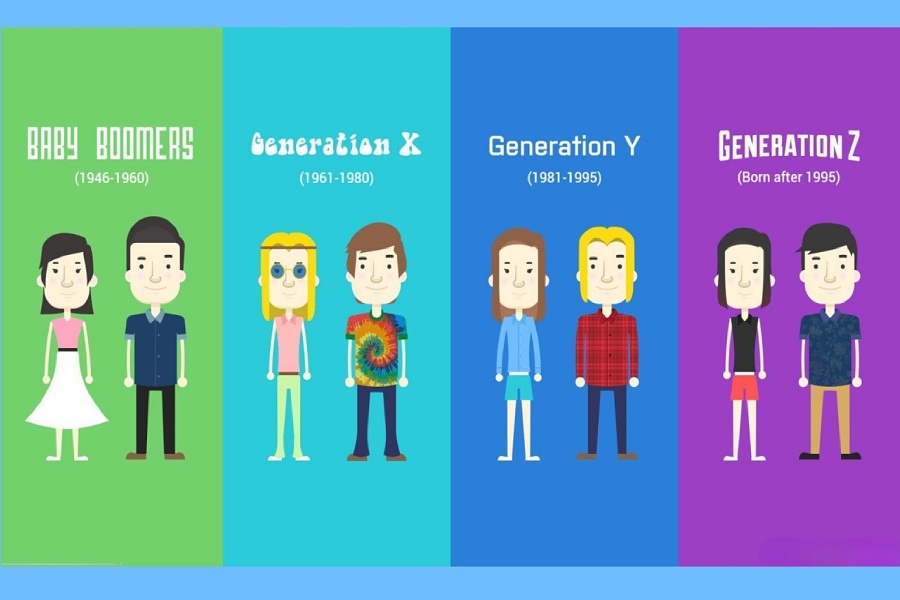
The Post-War Boom: 1946-1964
The most widely cited and consistently accepted timeframe for the Baby Boomer generation is from 1946 to 1964. This period saw an unprecedented surge in birth rates in Western countries, particularly in the United States, Canada, Australia, and the United Kingdom.
The Genesis of the Boom: Post-War Optimism and Economic Prosperity
The end of World War II in 1945 ushered in an era of unparalleled optimism and economic expansion. Returning soldiers, eager to start families, coupled with a booming economy that provided widespread employment and rising incomes, created the perfect conditions for a population surge. This demographic explosion wasn’t a mere coincidence; it was a direct consequence of societal factors and economic stability. The collective sense of relief, coupled with government initiatives and a burgeoning consumer culture, fueled the desire for larger families and a focus on domestic life. This foundational period set the stage for the economic power and influence that would come to define the Boomer generation.
The End of an Era: Shifting Societal and Economic Landscapes
The close of this birth window in 1964 is often attributed to a confluence of changing social norms and evolving economic conditions. The latter half of the 1960s saw increased societal shifts, including the rise of feminism, greater access to contraception, and changing attitudes towards family size and career aspirations. Economically, the rapid post-war growth began to moderate, and the societal focus started to shift. The end of the Baby Boom marked a transition to a new demographic reality, with subsequent generations being smaller in size, a trend that continues to this day. This transition had significant long-term implications for workforce dynamics, consumer demand, and the overall economic trajectory.
The Financial Footprint of the Boomer Generation
The sheer size and economic trajectory of the Baby Boomer generation have left an indelible mark on financial markets and economic policy. Their life stages, from early career to retirement, have consistently shaped demand, investment patterns, and the availability of capital.
Peak Earning and Spending Years: Driving Economic Growth
For decades, the Baby Boomers represented the largest and most affluent consumer group. Their peak earning and spending years, roughly spanning their 30s through their 60s, were characterized by significant contributions to GDP growth.
Investment in Housing and Infrastructure: A Consumption Powerhouse
During their prime working years, Boomers were instrumental in driving demand for housing, automobiles, and durable goods. This sustained consumption fueled economic expansion and job creation. Their investment in real estate, in particular, has significantly influenced housing markets for decades, shaping property values and mortgage markets. This consistent demand created opportunities for businesses and industries catering to their needs and aspirations, from home builders and car manufacturers to retailers and service providers.
Retirement Planning and Capital Markets: A Two-Sided Coin

As Boomers entered their later working years and began to plan for retirement, their focus shifted towards savings and investment. This led to substantial inflows into pension funds, mutual funds, and stock markets. This increased investment capital has historically provided liquidity and driven asset prices. However, as the generation collectively approaches and enters retirement, a new dynamic emerges: the potential for asset liquidation to fund retirement expenses. This impending shift is a significant consideration for financial institutions and policymakers alike.
The Retirement Wave: Implications for Investment and Consumption
The ongoing retirement of Baby Boomers presents a unique set of financial challenges and opportunities. As millions of individuals transition from earning to living off their savings, their financial decisions will ripple through various economic sectors.
Asset Liquidation and Market Volatility: A Potential Shift in Dynamics
A significant concern is the potential for a widespread sell-off of assets, particularly equities and real estate, as Boomers tap into their savings to fund their retirement. This could lead to downward pressure on asset prices and potentially increased market volatility. Financial advisors and investors are closely monitoring this trend, seeking strategies to navigate this potential shift in capital flows. The sheer volume of assets held by this generation means that even a modest shift in their asset allocation can have a considerable impact.
Healthcare and Leisure Spending: Emerging Consumer Trends
Upon retirement, Boomers’ spending patterns naturally shift. While discretionary spending on goods and services might decrease in some areas, there is a concurrent rise in spending on healthcare, pharmaceuticals, and leisure activities. This demographic trend creates opportunities for businesses in these sectors, from healthcare providers and biotech firms to travel and hospitality companies. Understanding these evolving consumer preferences is key for businesses looking to cater to the Boomer market in their retirement years.
Generational Wealth Transfer and Its Economic Ramifications
One of the most significant long-term economic consequences of the Baby Boomer generation is the impending transfer of wealth to younger generations. This massive intergenerational shift of assets will have profound implications for investment, consumption, and wealth distribution.
The Great Wealth Transfer: Scale and Scope
Estimates vary, but the total value of wealth expected to be transferred from Baby Boomers to their heirs is staggering, potentially trillions of dollars. This wealth transfer is not a singular event but a protracted process that will unfold over the next few decades as the generation ages and passes away.
Impact on Investment Strategies: Shifting Portfolios
The beneficiaries of this wealth transfer, often Gen X and Millennials, are likely to have different investment preferences and risk appetites than their Boomer predecessors. This could lead to shifts in investment strategies, with a potential focus on areas such as sustainable investing, technology, and alternative assets. Financial institutions will need to adapt their offerings to cater to the evolving needs and values of these new wealth holders. The way this wealth is deployed will significantly influence capital allocation across the economy.
Consumption Patterns and Economic Stimulation: A New Era of Demand
The influx of inherited wealth could lead to increased consumer spending and investment by younger generations. This could provide a significant economic stimulus, potentially offsetting some of the economic drag associated with an aging population. However, the distribution of this wealth will be a critical factor. If it is concentrated in fewer hands, its stimulative effect might be less widespread. Conversely, if it is more broadly distributed, it could foster greater economic opportunity and demand across a wider segment of the population.
Conclusion: Navigating the Boomer Legacy
The Baby Boomer generation, defined by the birth years of 1946-1964, has been a dominant force in shaping the economic landscape for over half a century. Their size, spending power, and investment patterns have driven growth, influenced markets, and dictated consumer trends. As this generation continues its transition into retirement and its wealth begins to be transferred, understanding the financial implications is paramount. From potential market shifts due to asset liquidation to the emergence of new consumer demands and the transformative impact of wealth transfer, the legacy of the Boomers will continue to resonate in financial and economic spheres for years to come. Businesses, policymakers, and individuals alike must remain attuned to these evolving dynamics to effectively navigate the economic era shaped by this influential demographic cohort.
aViewFromTheCave is a participant in the Amazon Services LLC Associates Program, an affiliate advertising program designed to provide a means for sites to earn advertising fees by advertising and linking to Amazon.com. Amazon, the Amazon logo, AmazonSupply, and the AmazonSupply logo are trademarks of Amazon.com, Inc. or its affiliates. As an Amazon Associate we earn affiliate commissions from qualifying purchases.