
The question “What year will I retire?” is a pivotal one, often pondered by individuals at various stages of their careers. It’s not merely a matter of picking a date; it’s the culmination of intricate financial planning, personal aspirations, and a deep understanding of economic realities. For many, retirement represents the ultimate financial freedom – a period where work becomes optional, and life’s pursuits take center stage. Yet, achieving this vision requires foresight, discipline, and a strategic approach to managing one’s finances over decades. This article delves into the multifaceted aspects of determining your personal retirement year, offering insights and practical strategies for navigating this crucial financial journey.
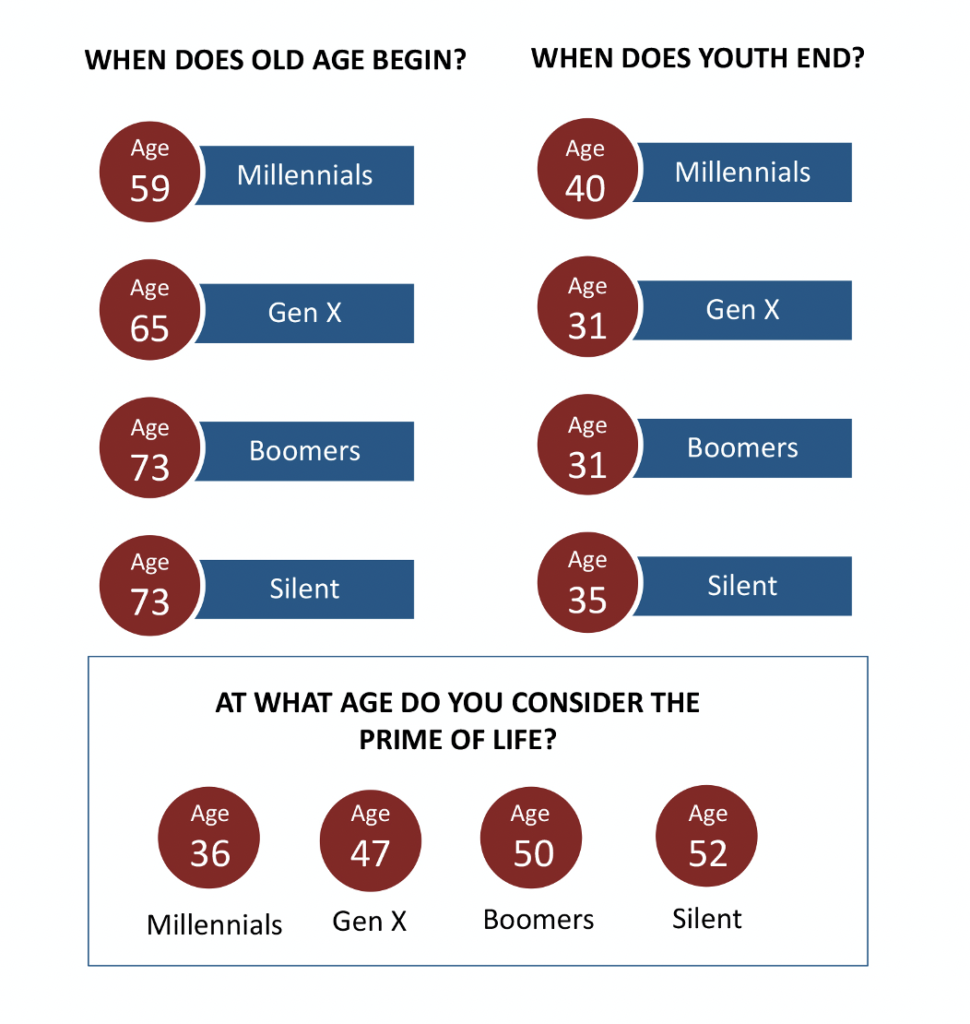
The Quest for Your Retirement Date: More Than Just a Number
Pinpointing your retirement year is a highly personalized endeavor, unique to each individual’s circumstances, goals, and risk tolerance. It’s a complex equation involving numerous variables, where the outcome can shift dramatically based on a change in income, spending habits, or market performance.
Understanding the Dynamics of Retirement Planning
Retirement planning isn’t a one-time event but a dynamic, ongoing process. It begins with envisioning your desired lifestyle in retirement – whether it’s globetrotting, pursuing hobbies, or simply enjoying quiet days at home. This vision then needs to be quantified into an estimated annual expense, which forms the bedrock of your financial projections. From there, you work backward, considering your current savings, investment growth potential, and future contributions. The interplay of these factors, alongside external elements like inflation and healthcare costs, creates a constantly evolving target. A robust plan will account for contingencies and allow for periodic adjustments, ensuring that your retirement goal remains achievable even as life inevitably throws curveballs.
The Emotional and Financial Aspects of Stepping Back
Beyond the numbers, the decision of when to retire carries significant emotional weight. For many, their professional identity is deeply intertwined with their sense of self-worth and purpose. Stepping away from a career can evoke feelings of liberation but also anxiety about a loss of routine, social connections, or relevance. Financially, the transition is equally profound. It marks a shift from accumulating wealth to drawing down assets, requiring a different mindset and a conservative approach to managing your nest egg. Understanding and preparing for both the psychological and financial adjustments are critical for a smooth and fulfilling transition into retirement, making the “retirement year” not just a financial milestone but a life-defining moment.
Key Variables Influencing Your Retirement Timeline
Determining your retirement year involves a careful consideration of several interconnected financial and personal factors. Each plays a crucial role in shaping the trajectory of your retirement savings and the ultimate date you can comfortably cease working.
Current Age and Desired Retirement Age
Your starting point—your current age—is fundamental. The younger you are when you begin serious planning and saving, the more time compounding interest has to work its magic, potentially allowing for an earlier retirement or a more substantial nest egg. Conversely, starting later means needing to save more aggressively or accepting a later retirement age. Your desired retirement age is equally critical. Do you envision a traditional retirement at 65, an early exit in your 50s, or do you plan to work into your 70s? This personal preference directly impacts the required savings amount and the intensity of your financial planning.
Savings Rate and Investment Growth
Perhaps the most powerful levers you can pull are your savings rate and the growth rate of your investments. The more you save and consistently invest, the faster your retirement fund will grow. Understanding the difference between saving 10% versus 20% or even 30% of your income can dramatically accelerate your timeline. Equally important is the investment growth rate, which is influenced by asset allocation (the mix of stocks, bonds, and other investments). A well-diversified portfolio, aligned with your risk tolerance, can significantly enhance your returns over the long term, pushing your retirement date forward.
Expected Retirement Expenses and Lifestyle
The lifestyle you envision in retirement directly dictates the size of the nest egg you’ll need. A modest retirement spent at home will naturally require less capital than one filled with international travel, luxury dining, or extensive hobbies. It’s crucial to create a realistic budget for your retirement years, accounting for both fixed costs (housing, utilities, insurance) and discretionary spending. Many people find their retirement expenses are surprisingly similar to or even slightly less than their working years, especially after mortgage payments end and work-related costs (commuting, professional attire) disappear. However, some aspirational lifestyles can easily exceed pre-retirement spending.
Social Security and Other Pension Benefits
For many, Social Security will form a foundational component of retirement income. The age at which you claim Social Security benefits (ranging from 62 to 70) significantly impacts the monthly amount you receive, with later claims resulting in higher payouts. Understanding your estimated benefits and how they integrate with your personal savings is vital. Similarly, if you have a traditional pension plan from an employer, this guaranteed income stream can substantially reduce the pressure on your personal investments, allowing for potentially earlier retirement or a more comfortable lifestyle.
Inflation and Healthcare Costs
Two significant external factors that can erode purchasing power in retirement are inflation and healthcare costs. Inflation steadily increases the cost of living over time, meaning that $100 today will buy less in 20 or 30 years. Your financial plan must account for an assumed inflation rate to ensure your retirement savings maintain their real value. Healthcare is often the largest unpredictable expense in retirement. As people age, medical needs tend to increase, and while Medicare provides coverage, it doesn’t cover everything. Long-term care costs, in particular, can be devastating if not planned for. Factoring in these escalating costs is critical for a truly secure retirement.
Tools and Strategies for Calculating Your Retirement Year
Once you understand the variables, the next step is to use practical tools and strategies to project your potential retirement year. These resources can transform abstract goals into concrete plans.
The Power of Retirement Calculators
Online retirement calculators are invaluable starting points. These tools, offered by financial institutions, government agencies, and independent platforms, allow you to input your current age, income, savings, desired retirement age, and expected expenses. They then project how long your money will last or how much more you need to save to reach your goal. While they provide estimates based on certain assumptions (like investment growth and inflation), they offer a powerful visualization of your financial trajectory and can highlight areas where adjustments are needed. Regularly using these calculators as your circumstances change can keep your plan on track.
The “4% Rule” and Safe Withdrawal Rates
A commonly cited guideline for retirement income is the “4% Rule.” This rule suggests that retirees can safely withdraw 4% of their initial portfolio balance (adjusted for inflation each year) without running out of money for at least 30 years. While not a foolproof guarantee, it provides a useful heuristic for estimating the lump sum you’ll need. If you anticipate needing $80,000 per year in retirement, the 4% rule suggests you’ll need a nest egg of $2 million ($80,000 / 0.04). It’s crucial to understand that the “safe withdrawal rate” can vary based on market conditions, the length of your retirement, and your risk tolerance, with some advisors suggesting a more conservative 3% to 3.5% in volatile markets.
Monte Carlo Simulations for Robust Planning
For a more sophisticated and robust analysis, financial professionals often use Monte Carlo simulations. Unlike simple calculators that use fixed averages, Monte Carlo simulations run thousands of different financial scenarios, incorporating varying market returns, inflation rates, and lifespans. This provides a probability distribution, showing the likelihood of your money lasting throughout retirement under different conditions. It helps assess the “stress test” resilience of your plan, giving you a clearer picture of potential risks and how much flexibility your retirement date truly has.
Working with a Financial Advisor
Perhaps the most comprehensive strategy is to partner with a qualified financial advisor. An advisor can help you clarify your goals, analyze your current financial situation, create a personalized retirement plan, and recommend appropriate investment strategies. They can provide unbiased guidance, navigate complex financial products, and help you account for nuances like tax planning, estate planning, and long-term care needs – all of which impact your retirement year. Their expertise can be invaluable in creating a cohesive, well-rounded strategy that aligns with your specific circumstances and aspirations.
Accelerating Your Retirement: Practical Steps to Take Now
If your projected retirement year is later than desired, or if you simply want to build a more robust financial foundation, there are proactive steps you can take to accelerate your timeline. These strategies focus on optimizing your income, savings, and expenses.
Maximizing Your Savings and Investment Contributions
The most direct way to retire sooner is to save more. Prioritize maxing out contributions to tax-advantaged retirement accounts like 401(k)s, 403(b)s, IRAs, and HSAs. If your employer offers a 401(k) match, contribute at least enough to get the full match – it’s free money. Beyond these, consider taxable brokerage accounts for additional savings. Automating your savings by setting up regular transfers from your checking to your investment accounts ensures consistency and makes it easier to stick to your plan. Review your savings rate annually and try to increase it with every raise or bonus you receive.
Debt Management and Reduction Strategies
High-interest debt, such as credit card balances, can be a significant drag on your financial progress. Every dollar spent on interest is a dollar that can’t be invested for your retirement. Prioritize paying off high-interest debt aggressively. Once consumer debt is eliminated, consider accelerating mortgage payments if it aligns with your overall financial strategy, as a mortgage-free retirement significantly reduces fixed expenses and improves cash flow. A debt-free lifestyle provides immense financial flexibility and reduces the required size of your retirement nest egg.
Boosting Your Income: Side Hustles and Career Advancement
Increasing your income provides more capital for savings and investments. This can take several forms: actively pursuing promotions and raises in your current career, acquiring new skills that command higher salaries, or exploring side hustles and entrepreneurial ventures. Freelancing, consulting, or starting a small online business can generate additional income that can be directed entirely towards your retirement fund. Even a few hundred extra dollars a month, consistently invested, can make a noticeable difference over several years.
Downsizing and Optimizing Lifestyle Expenses
While income growth is important, controlling your expenses is often more within your immediate control. Conduct a thorough audit of your spending habits. Are there areas where you can cut back without significantly impacting your quality of life? This could involve reducing discretionary spending on dining out, entertainment, or subscriptions. Consider larger lifestyle optimizations, such as downsizing your home, moving to a lower cost-of-living area, or rethinking transportation choices. Every dollar saved and redirected to retirement savings shortens your working years.
Adapting to the Unexpected: Flexibility in Your Retirement Plan
Even the most meticulously crafted retirement plan needs room for flexibility. Life is unpredictable, and market fluctuations, health challenges, or personal preferences can necessitate adjustments to your timeline.
Market Volatility and Economic Shifts
Investment returns are not linear. Stock markets experience booms and busts, and interest rates can fluctuate. A significant market downturn just before or early in your retirement could impact your withdrawal strategy (known as sequence of returns risk). Your plan should ideally account for this volatility, perhaps by holding a more conservative allocation closer to retirement or by having a contingency fund. Economic shifts, like recessions or inflation spikes, can also alter your projections, requiring a re-evaluation of your spending and investment strategies.
Health Concerns and Unexpected Expenses
Health is wealth, especially in retirement. Unexpected medical issues or long-term care needs can quickly deplete savings. While insurance helps, out-of-pocket costs can still be substantial. Building an emergency fund specifically for medical contingencies or exploring long-term care insurance can provide a crucial safety net. Furthermore, unforeseen expenses – perhaps helping adult children, home repairs, or other significant life events – can arise, underscoring the need for financial buffers.
Re-evaluating Your Retirement Goals
Your initial retirement vision might evolve over time. Perhaps you discover a new passion that requires more funding, or your desired lifestyle becomes more modest. Your attitude towards work might change, leading you to consider semi-retirement or phased retirement, where you gradually reduce your hours or take on part-time work. Being open to re-evaluating and recalibrating your goals periodically ensures that your retirement plan remains aligned with your evolving aspirations and circumstances.

The Concept of Semi-Retirement
For many, full retirement isn’t an all-or-nothing proposition. Semi-retirement offers a compelling middle ground, allowing individuals to reduce their work hours, take on less demanding roles, or pursue passion projects that generate some income. This approach can ease the transition from full-time work, provide supplemental income, and keep you engaged, potentially extending the life of your retirement savings. It offers flexibility and purpose without the full financial demands of a traditional full-time career.
Ultimately, determining “what year will I retire” is a dynamic and deeply personal journey. It demands a blend of financial acumen, disciplined saving, strategic investing, and a willingness to adapt. By understanding the key variables, utilizing available tools, and implementing proactive strategies, you can gain clarity and take confident steps towards achieving your financial freedom and enjoying the retirement you envision. Remember, the journey itself is as important as the destination, and consistent, informed action is your greatest asset.
aViewFromTheCave is a participant in the Amazon Services LLC Associates Program, an affiliate advertising program designed to provide a means for sites to earn advertising fees by advertising and linking to Amazon.com. Amazon, the Amazon logo, AmazonSupply, and the AmazonSupply logo are trademarks of Amazon.com, Inc. or its affiliates. As an Amazon Associate we earn affiliate commissions from qualifying purchases.