
The Dawn of Operation Wind Bastion: A Technical Landmark
Operation Wind Bastion, a pivotal update in the extensive lifecycle of Tom Clancy’s Rainbow Six Siege, was officially released in December 2018. Specifically, Season Pass owners gained access to its new content on December 4th, with the broader player base receiving the update on December 6th of that year. This particular operation marked the fourth and final major content drop of Year 3 for the popular tactical shooter, concluding a significant period of growth and transformation for the game. From a technological standpoint, Wind Bastion wasn’t merely a content infusion; it represented a complex integration of new mechanics, intricate map design, and significant backend adjustments, all critical for maintaining the game’s competitive integrity and expanding its digital ecosystem.
Unveiling the Release Date and Context
The precise timing of Wind Bastion’s release in late 2018 was strategically chosen to cap off a year of iterative development and content delivery. Each operation in Rainbow Six Siege’s annual roadmap is a monumental undertaking involving concept art, 3D modeling, animation, sound design, network programming, and extensive quality assurance. The “Year 3 Season 4” designation for Wind Bastion indicates its position within this structured release schedule, demonstrating Ubisoft Montreal’s commitment to a live-service model that prioritizes regular, substantial updates. The technology supporting such a model—from robust deployment pipelines to sophisticated patch management systems—is fundamental to its success, ensuring seamless integration of new game assets and code without disrupting the player experience. The anticipation leading up to December 2018 was high, as players eagerly awaited the final technical and design innovations of the year.
Moroccan Operators and the Fortress Map
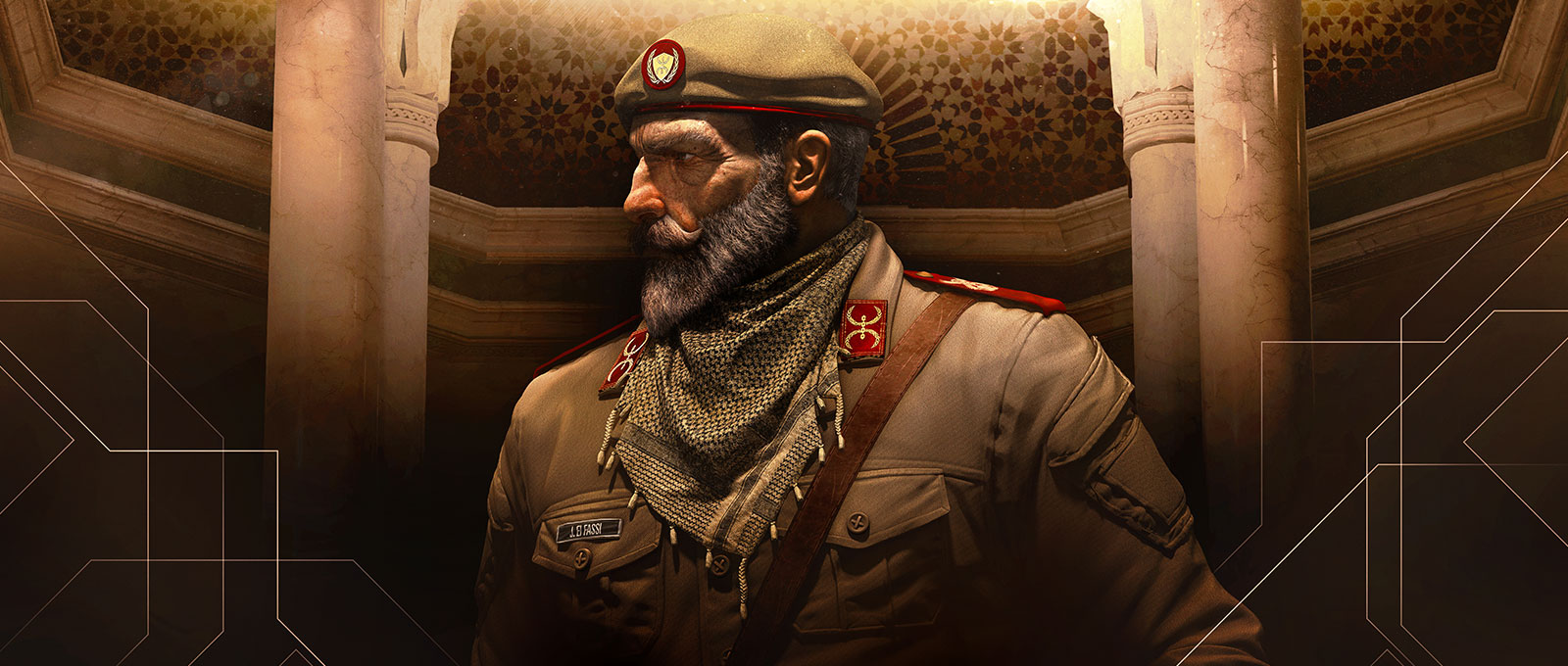
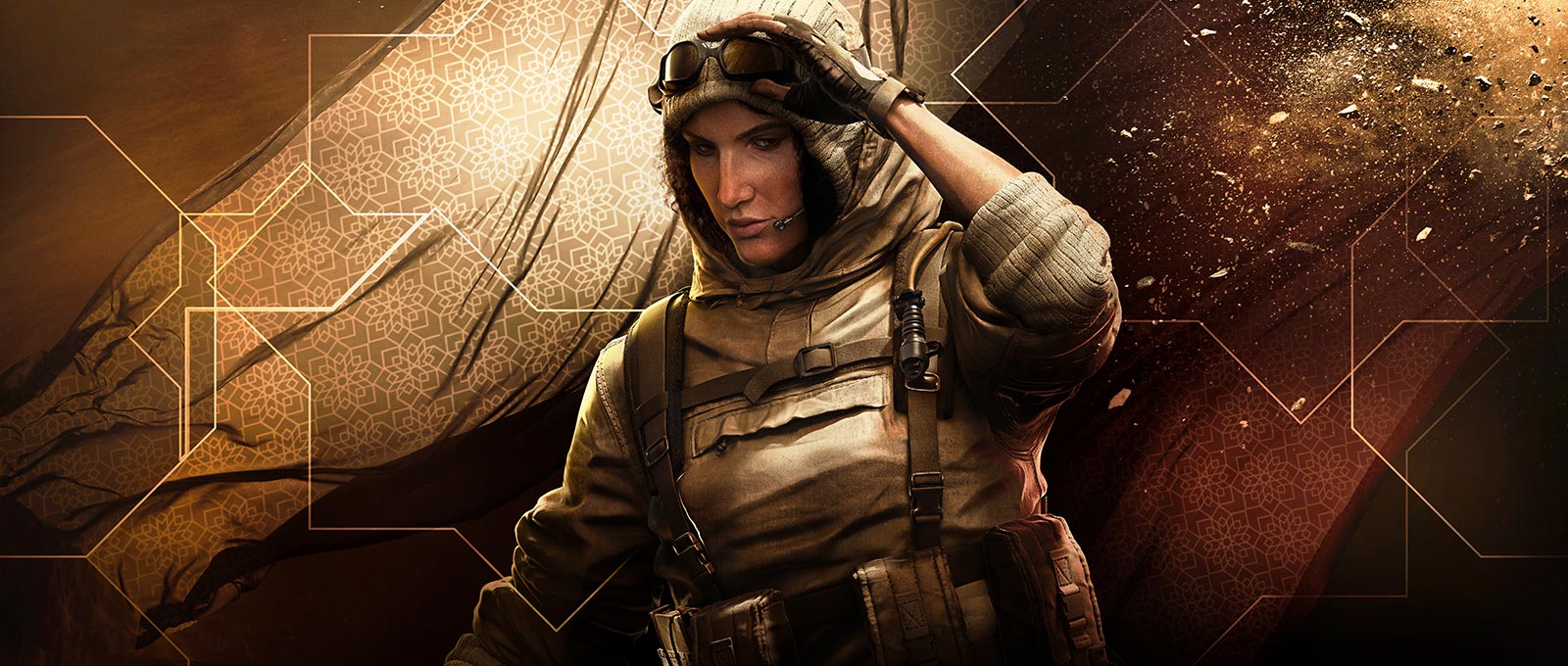
At the heart of Operation Wind Bastion were the two new Moroccan Operators, Kaid and Nomad, alongside the stunning new map, Fortress. The introduction of these elements presented distinct technological challenges and opportunities. Kaid, a defender, brought the “Rtila Electroclaw” gadget – a deployable device that electrifies metallic surfaces, walls, and deployable shields. Implementing this required precise collision detection, dynamic electro-visual effects, and seamless integration with existing environment destructibility systems. Nomad, an attacker, featured the “Airjab Launcher,” a projectile device capable of knocking back and disorienting enemies. This required complex physics calculations for projectile trajectory, an intricate knock-back force mechanism, and new animation states for affected players.
The Fortress map, set in a military training facility within Morocco, was an architectural marvel designed for verticality and diverse engagement ranges. Its multi-level structure, intricate sightlines, and numerous breachable surfaces demanded a sophisticated level of detail from the game’s engine. The design team leveraged the AnvilNext 2.0 engine to its fullest, optimizing rendering for its unique blend of open courtyards and tight interior spaces. The sheer scale and complexity of Fortress, coupled with the unique abilities of Kaid and Nomad, necessitated rigorous testing across all platforms (PC, PlayStation 4, Xbox One) to ensure stable frame rates, minimize latency, and prevent exploits—a testament to the engineering prowess required for modern game development.
Technical Innovations and Game Evolution
Operation Wind Bastion was a significant leap in the technical evolution of Rainbow Six Siege, pushing the boundaries of its gameplay mechanics and necessitating underlying engine adjustments. The new operators, in particular, introduced novel interactions that required the development team to refine existing game systems and introduce entirely new code functionalities. This constant iteration on core gameplay, driven by the introduction of fresh content, is a hallmark of live-service game development and a deep dive into applied software engineering.
Operator Abilities and Meta Shifts
The unique abilities of Kaid and Nomad introduced profound shifts in the game’s tactical meta, directly influencing how players approached both offense and defense. Kaid’s Rtila Electroclaws, for instance, expanded the possibilities for objective denial beyond existing operators like Bandit and Mute. Technically, this required precise handling of area-of-effect parameters, interaction with multiple gadget types (like reinforced walls, barbed wire, and deployable shields), and robust network synchronization to ensure all players saw and experienced the electrification consistently. The integration of Kaid’s gadget had to account for real-time changes in the environment, such as breachable walls being destroyed, and how that would affect the electroclaw’s efficacy.
Nomad’s Airjab, on the other hand, introduced a new form of area denial and pushback for attackers. Its implementation involved complex physics calculations for the projectile’s trajectory and impact, as well as a sophisticated “knockback” mechanic that could displace operators. This displacement system required careful programming to prevent unintended clipping through geometry or physics exploits. These new mechanics demanded comprehensive balancing efforts, involving large datasets of player performance, internal simulations, and constant tweaking of numerical values (e.g., electroclaw range, Airjab cooldown, knockback force) to ensure fair play and strategic depth. The engineering behind these systems is a prime example of how software is designed to influence human interaction and strategy in a complex digital environment.
Map Design and Strategic Depth
Fortress, the new map, was not just a visual spectacle but a technological canvas for strategic depth. Its multi-layered design and numerous entry points challenged the game’s pathfinding algorithms for AI (even for non-player characters in training scenarios) and presented a complex environment for players to navigate. The level design team utilized advanced tools within the AnvilNext 2.0 engine to sculpt the map, ensuring optimal performance across various hardware configurations. The map featured unique architectural elements, such as intricate staircases, open-air courtyards, and distinct interior zones, each demanding specific rendering optimizations. The technical implementation of destructible environments within Fortress meant that dynamic lighting, particle effects for debris, and real-time mesh deformation had to be handled efficiently by the game engine, a constant challenge for developers aiming for both realism and performance. The sheer complexity of rendering and simulating a destructible, multi-level environment in real-time, for ten concurrent players, underscores the advanced graphical and computational technologies at play.

Backend Adjustments and Performance Enhancements
Beyond the visible content, Operation Wind Bastion typically included a suite of critical backend adjustments and performance enhancements. Large game updates like this are invariably accompanied by patches that address bugs, optimize network code, and improve overall client stability. For a competitive online game like Rainbow Six Siege, maintaining low latency and high tick rates is paramount. This often involves server-side optimizations, improvements to data serialization and deserialization, and enhancements to the game’s netcode to minimize desynchronization between players. Digital security also plays a crucial role; Wind Bastion, like other updates, would have included enhancements to the anti-cheat system (BattlEye) to combat new methods of exploitation and maintain a fair playing field. These less visible, but critically important, technological underpinnings are what allow the game to scale and remain playable for millions globally.
Impact on the Rainbow Six Siege Ecosystem
Operation Wind Bastion’s technological innovations and content additions reverberated throughout the entire Rainbow Six Siege ecosystem. From casual players to professional esports teams, the changes introduced in December 2018 fundamentally altered how the game was perceived, played, and competed at. This widespread impact highlights the interconnectedness of software development, user experience, and community engagement in a successful live-service title.
Player Engagement and Community Response
The release of new operators and a map like Fortress is a major driver of player engagement. Technologically, this translates to increased concurrent user numbers, higher server load, and a surge in data traffic. Ubisoft Montreal’s backend infrastructure, comprising globally distributed servers and advanced load balancing systems, must be robust enough to handle these spikes. The introduction of Kaid and Nomad provided fresh tactical possibilities, encouraging players to experiment with new strategies and operator combinations. This experimentation often manifests in community discussions on forums, social media, and streaming platforms, generating valuable telemetry data for developers to analyze. Understanding how players interact with new content—which gadgets are frequently used, which map areas are contested, which operator win rates fluctuate—is crucial for subsequent balancing patches and future content design. The analytical tools and data pipelines used to process this player feedback are sophisticated software systems themselves, feeding directly back into the development cycle.
Esports Ramifications
For Rainbow Six Siege esports, Wind Bastion represented a significant meta shake-up. Professional teams, who operate at the apex of tactical execution, had to rapidly adapt their strategies and operator compositions to incorporate Kaid and Nomad, and master the intricacies of Fortress. This often involved extensive practice on private servers, utilizing custom game settings to simulate competitive scenarios. The game client, server stability, and network performance are absolutely critical in this high-stakes environment. Any bug, latency issue, or unintended interaction can have severe consequences for tournament outcomes. Consequently, esports organizations and competitive players often provide direct, granular feedback to the developers, contributing to the refinement of the game’s core technology and balance. The professional scene’s rapid adoption and dissection of new content like Wind Bastion acts as a rigorous stress test for the software’s design and implementation.
Legacy and Influence on Future Operations
The design philosophies and technical approaches employed in Wind Bastion left a lasting legacy, influencing subsequent operations in Rainbow Six Siege. The successful implementation of Kaid’s unique objective denial and Nomad’s area-of-effect pushback mechanics paved the way for future operators with equally innovative, technically complex gadgets. Furthermore, the design of Fortress, with its blend of open and confined spaces, contributed to the ongoing evolution of map design, encouraging developers to experiment with greater verticality and diverse engagement scenarios. Each operation builds upon the technical foundation of its predecessors, iteratively improving the game engine, refining network code, and enhancing the overall player experience. Wind Bastion was a key chapter in this continuous story of technological advancement and content expansion.
The Broader Technological Landscape of R6 Development
Operation Wind Bastion is a microcosm of the larger technological landscape inherent in developing and maintaining a major live-service title like Rainbow Six Siege. The challenges faced during its development—from designing complex software systems for new gameplay mechanics to ensuring robust online infrastructure—are emblematic of modern game development. This broader view highlights the sophisticated blend of engineering, design, and data science that underpins the game.
Iterative Design in Live-Service Gaming
Live-service gaming thrives on iterative design, a software development methodology where features are continuously refined and deployed. Wind Bastion exemplifies this by introducing new elements that were then monitored, analyzed, and often tweaked in subsequent patches based on player data and community feedback. This continuous feedback loop requires advanced telemetry systems to collect vast amounts of data on player behavior, operator pick rates, gadget usage, and map performance. Data analytics tools then process this information, providing actionable insights for designers and programmers. The underlying infrastructure for such a pipeline—data ingestion, storage, processing, and visualization—is a critical piece of the technology stack, enabling rapid iteration and ensuring the game remains balanced and engaging over its lifespan.
Anti-Cheat and Digital Security Updates
Maintaining fair play is paramount in competitive games, and digital security is a non-negotiable aspect of development. Operation Wind Bastion, like all major updates, would have included updates to Rainbow Six Siege’s anti-cheat system, BattlEye. This involves constant development and deployment of new detection methodologies, analysis of cheat signatures, and robust server-side validation to prevent exploitation. The battle against cheaters is an ongoing technological arms race, requiring continuous investment in security protocols, data encryption, and server integrity checks. Ensuring the game’s digital security protects not only the integrity of gameplay but also the player experience and the trust they place in the platform, an essential component for any online service.
The Evolving Tech Stack of Ubisoft Montreal
The development of Rainbow Six Siege, and operations like Wind Bastion, relies on a sophisticated and evolving tech stack. This includes the proprietary AnvilNext 2.0 engine, which is continuously updated to support new rendering techniques, physics simulations, and network optimizations. Custom tools and pipelines are developed in-house to facilitate efficient asset creation, level design, and code integration. Cloud computing resources are often leveraged for scalable server infrastructure, data analytics, and continuous integration/continuous deployment (CI/CD) pipelines. Furthermore, the game’s cross-platform nature (PC, consoles) necessitates rigorous testing and optimization for diverse hardware configurations and operating systems. Wind Bastion’s successful deployment in 2018 was a testament to the robust and adaptable technological framework that Ubisoft Montreal has built to sustain one of the most enduring and tactically rich live-service games in the industry.
aViewFromTheCave is a participant in the Amazon Services LLC Associates Program, an affiliate advertising program designed to provide a means for sites to earn advertising fees by advertising and linking to Amazon.com. Amazon, the Amazon logo, AmazonSupply, and the AmazonSupply logo are trademarks of Amazon.com, Inc. or its affiliates. As an Amazon Associate we earn affiliate commissions from qualifying purchases.