
The monumental cinematic epic, The Ten Commandments, is most famously recognized in its 1956 Technicolor incarnation. Directed by Cecil B. DeMille and starring Charlton Heston as Moses, this version premiered on October 5, 1956, cementing its place in film history as one of the most ambitious and enduring spectacles ever produced. However, it’s crucial to acknowledge that this wasn’t DeMille’s first foray into this biblical narrative. An earlier, silent film version, also directed by DeMille, was released in 1923. Understanding the distinct eras of these two productions is fundamental to appreciating the evolving brand identity of The Ten Commandments as a cinematic phenomenon.

From a brand perspective, the release year of a film, especially one of such colossal scale and enduring impact, is more than just a date; it marks the genesis of a cultural product that, over decades, builds a unique identity, audience loyalty, and market value. The Ten Commandments is not merely a movie; it is a brand in itself – a powerful, recognized entity that has shaped perceptions of biblical epics, influenced filmmaking, and become a cherished annual tradition for millions. This article delves into how the creation and re-creation of this film established and fortified one of cinema’s most indelible brands, exploring its strategy, identity, and lasting legacy through the lens of its foundational production years.
The Genesis of a Cinematic Brand: Two Eras, One Enduring Title
The story of The Ten Commandments as a brand begins not once, but twice, under the visionary direction of Cecil B. DeMille. Each iteration, separated by over three decades, contributed uniquely to the film’s brand identity, showcasing how a core narrative can be adapted and amplified for different eras and audiences.
Cecil B. DeMille’s Vision: The 1923 Silent Epic
The first cinematic brand footprint for The Ten Commandments was laid in 1923. DeMille’s silent film was a bold and innovative project for its time, demonstrating his early mastery of scale and spectacle. Divided into two distinct parts, the first half depicted the biblical story of Exodus, focusing on Moses and the delivery of the Ten Commandments. The second half shifted to a modern-day morality tale, illustrating the consequences of breaking those divine laws.
This initial version established several key brand elements:
- DeMille’s Signature Scale: Even in the silent era, DeMille was known for his grand productions, and the 1923 film was no exception. Its massive sets, thousands of extras, and ambitious special effects (like the parting of the Red Sea, a technical marvel for its day) signaled a commitment to epic storytelling that would become a hallmark of the Ten Commandments brand.
- Religious and Moral Authority: The film immediately positioned itself as a profound narrative with significant moral weight. This resonance with religious audiences and those seeking meaningful cinematic experiences laid the groundwork for its future appeal.
- Audience Engagement: The film generated significant public discussion and attracted large audiences, demonstrating the commercial viability of large-scale biblical narratives. This early success was crucial in establishing the “Ten Commandments” title as a recognizable and impactful cinematic property.
While the 1923 version achieved success and was a precursor to future biblical epics, it was the 1956 remake that would truly globalize and immortalize the Ten Commandments brand.
The Technicolor Spectacle of 1956: A Brand Reimagined
The 1956 release year marks the zenith of the Ten Commandments brand. DeMille, at the pinnacle of his career, embarked on a remake that was not just an update, but a complete reimagining tailored for the burgeoning Technicolor era and a post-World War II audience seeking grand escapism. This version, produced by Paramount Pictures, transcended its predecessor in every measurable aspect, crafting an enduring brand narrative that persists to this day.
Key branding decisions and outcomes of the 1956 production include:
- Unprecedented Production Value: The film’s budget of $13 million (equivalent to over $140 million today) was astronomical. Shot on location in Egypt and with sets built on a scale never before seen, the sheer ambition became a core part of its brand identity: a film of unparalleled grandeur.
- Star-Powered Casting: The enlistment of Hollywood royalty like Charlton Heston, Yul Brynner, Anne Baxter, Edward G. Robinson, and Yvonne De Carlo lent immense star power. Heston, in particular, became inextricably linked to the persona of Moses, his powerful portrayal solidifying the film’s hero as an iconic brand figure.
- Advanced Special Effects: The 1956 film pushed the boundaries of visual effects, especially with the iconic parting of the Red Sea. These visual marvels were not just spectacles; they were integral to the film’s marketing, promising an experience unlike any other and reinforcing its status as a must-see event.
- Exclusive Focus on the Biblical Narrative: Unlike its 1923 predecessor, the 1956 film dedicated its entire runtime to the Exodus story, allowing for deeper character development and an even grander portrayal of biblical events, thereby enhancing its appeal to a broader, globally religious audience.
The 1956 production effectively re-launched and amplified the Ten Commandments brand, transforming it from a successful silent film into a global cultural phenomenon synonymous with epic scope, moral gravitas, and groundbreaking cinema.
Crafting an Indelible Brand Identity: Marketing and Cultural Penetration
The enduring power of The Ten Commandments brand stems not just from its production, but from a masterful strategy of marketing and cultural integration that has ensured its continuous relevance for over six decades. The 1956 release was a masterclass in establishing and maintaining a film brand.
Epic Scale as a Marketing Pillar
From its inception, the sheer “epicness” of The Ten Commandments was its primary marketing asset. Posters, trailers, and publicity materials consistently emphasized the film’s massive sets, thousands of extras, exotic locations, and groundbreaking special effects. The brand promise was clear: this was not merely a movie; it was an experience.
- Pre-Release Hype: DeMille himself was a brand, a showman who understood how to generate buzz. He used his public persona and media appearances to build anticipation, framing the film as his magnum opus and a significant cultural event.
- Visual Dominance: The film’s iconic imagery – Heston as Moses with the staff, the parting of the Red Sea, the golden calf – became instantly recognizable brand symbols, reproduced across various media to capture public imagination.
This focus on the grand scale established a benchmark for subsequent biblical epics and became a defining characteristic of the Ten Commandments brand.
Annual Re-runs and Holiday Tradition: Sustaining the Brand
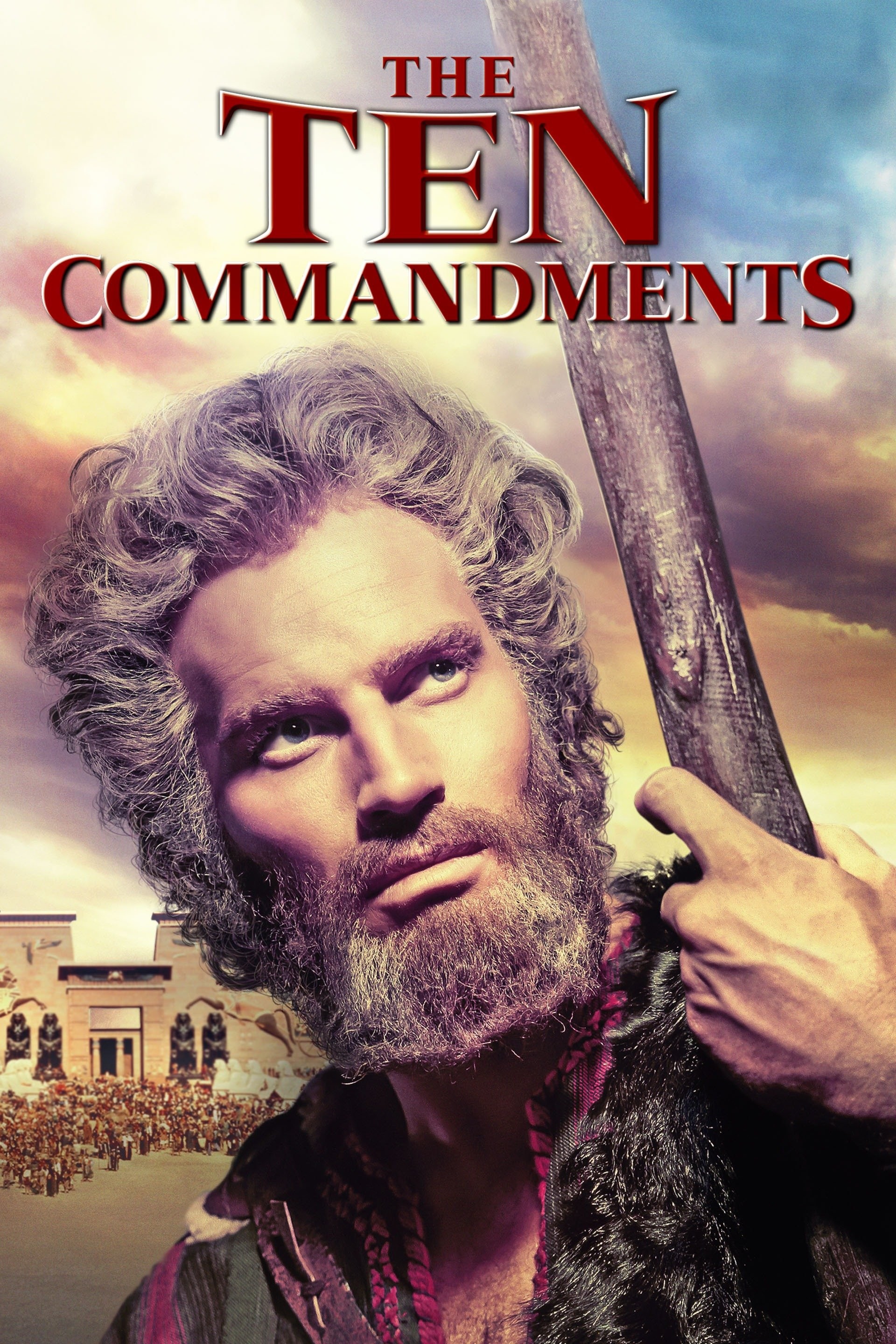
Perhaps the most potent element in sustaining the Ten Commandments brand is its storied history of annual television broadcasts. Starting in 1973, ABC began airing the film annually around Easter or Passover. This tradition transformed the film from a theatrical release into a beloved holiday staple, ensuring new generations were introduced to its narrative year after year.
- Cultural Ritual: The annual broadcast embedded the film into the cultural fabric, particularly within American households. Watching The Ten Commandments became a shared family experience, creating a sense of nostalgia and continuity that reinforced its brand loyalty.
- Intergenerational Appeal: This consistent exposure allowed the brand to transcend generational gaps. Grandparents who saw it in theaters could share it with their children and grandchildren on television, passing down an appreciation for the film and its themes.
- Media Coverage: Each annual broadcast often came with renewed media attention, reviews, and discussions, keeping the film in the public consciousness and reinforcing its status as a timeless classic.
This strategic, consistent re-exposure is a textbook example of how a brand can maintain relevance and cultural currency over decades through thoughtful scheduling and positioning.
Star Power and Persona Branding
The casting of Charlton Heston as Moses was a stroke of genius that significantly amplified the Ten Commandments brand. Heston’s commanding presence and gravitas perfectly embodied the revered figure, making him an iconic face of the film.
- Actor-Character Synergy: Heston’s portrayal was so powerful that for many, he became Moses. This deep association forged a strong, instantly recognizable brand image for the film through its lead actor.
- Supporting Cast Impact: The ensemble cast, including Yul Brynner as Rameses, provided compelling dramatic tension and iconic performances that further enriched the film’s narrative and visual brand. The clash between Heston’s noble Moses and Brynner’s arrogant Rameses is a central, memorable dynamic.
The deliberate use of star power ensured the film wasn’t just a story, but a star vehicle that leveraged existing celebrity brands to elevate its own.
The Legacy Brand: Enduring Influence and Modern Relevance
Decades after its original release, The Ten Commandments continues to exert a significant influence on filmmaking, culture, and the entertainment industry. Its status as a legacy brand is a testament to its foundational strength and strategic cultural integration.
Impact on Filmmaking and Studio Branding
The Ten Commandments set a precedent for epic filmmaking that few have managed to replicate. It became a benchmark against which all subsequent biblical or historical spectacles were measured.
- Genre-Defining: The film almost single-handedly defined the modern biblical epic genre, influencing countless other productions that sought to capture its grandeur and dramatic intensity.
- Paramount’s Brand Identity: For Paramount Pictures, producing The Ten Commandments burnished its reputation as a studio capable of undertaking massive, prestigious projects. It became a crown jewel in their catalog, contributing significantly to their corporate brand identity.
- Technological Push: The film’s ambitious special effects inspired further innovation in visual storytelling, indirectly influencing the technology and techniques used in future blockbusters.
Cultural Iconography and Brand Recognition
The imagery and dialogue from The Ten Commandments have permeated popular culture, leading to widespread recognition and iconic status.
- Memes and Parodies: The film’s most famous scenes and lines have been parodied and referenced in countless other media, from television shows to commercials. This continuous cultural conversation, even in jest, reinforces its brand recognition and keeps it relevant.
- Educational Tool: For many, the 1956 film serves as an introduction to the story of Exodus, illustrating the power of visual media in interpreting and disseminating religious narratives. It has, for better or worse, become a visual catechism for parts of the biblical story.
The “Brand” of Cinematic Faith-Based Storytelling
Before The Ten Commandments, religious films were often niche productions. DeMille’s epic elevated faith-based storytelling to a mainstream, blockbuster level. It established the potential for such narratives to command vast budgets, attract top talent, and achieve immense commercial success. This paved the way for future religious epics and demonstrated the robust market for films that explore spiritual and moral themes on a grand scale.
The Business of Brand Longevity: Re-releases, Remastering, and Future Potential
The “brand” of The Ten Commandments is actively managed even today, demonstrating a commitment to preserving and extending its cultural and commercial life.
Digital Restoration and New Audiences
In an era of digital media, maintaining a film’s brand requires constant effort. The Ten Commandments has undergone meticulous digital restoration, notably in 2010 and 2020 for its 4K Ultra HD release. These efforts are crucial for several reasons:
- Preservation: High-quality restoration ensures the film’s visual and audio integrity for future generations, maintaining the original artistic vision.
- New Formats: Releasing the film in contemporary formats (Blu-ray, 4K, streaming) makes it accessible to modern audiences who consume media differently, thereby extending its market reach and reinforcing its brand in new distribution channels.
- Enhanced Experience: The improved picture and sound quality allow viewers to appreciate the film’s epic scale and details more fully, potentially drawing in new fans and revitalizing the experience for existing ones.

Beyond the Screen: Merchandising and Spin-offs
While The Ten Commandments did not generate the extensive modern merchandising empires seen with franchises like Star Wars, its brand influence can be seen in various forms:
- Home Entertainment: The consistent sales of DVDs, Blu-rays, and 4K discs are a direct measure of its enduring brand appeal.
- Documentaries and Retrospectives: The creation of documentaries about its making, or retrospectives celebrating its anniversaries, are further extensions of the brand, feeding into its legacy and historical significance.
- Cultural Products: Even without direct merchandising, the film’s imagery and themes inspire art, literature, and other cultural products, signifying its pervasive brand presence.
In conclusion, the years 1923 and particularly 1956 were pivotal not just for the making of The Ten Commandments but for the deliberate and impactful construction of one of cinema’s most powerful brands. From DeMille’s early vision to the Technicolor spectacle that became a global phenomenon, the film’s brand strategy – emphasizing scale, star power, cultural integration, and persistent exposure – ensured its status as an indelible cultural icon. The enduring legacy of The Ten Commandments serves as a powerful case study in how a cinematic production, when managed as a robust brand, can transcend generations and remain a touchstone in popular culture.
aViewFromTheCave is a participant in the Amazon Services LLC Associates Program, an affiliate advertising program designed to provide a means for sites to earn advertising fees by advertising and linking to Amazon.com. Amazon, the Amazon logo, AmazonSupply, and the AmazonSupply logo are trademarks of Amazon.com, Inc. or its affiliates. As an Amazon Associate we earn affiliate commissions from qualifying purchases.