
The question “what year was The Hobbit written” might seem like a simple query, a historical footnote in literary history. However, delving into the precise timeline of its creation and publication reveals far more than just a date; it uncovers the foundational moment for one of the most enduring and commercially successful intellectual properties in human history. Published in 1937, J.R.R. Tolkien’s The Hobbit, or There and Back Again wasn’t merely a children’s book; it was the unexpected launchpad for a global brand phenomenon, laying the groundwork for Middle-earth and all its subsequent adaptations, merchandise, and cultural impact.
Understanding the “when” of The Hobbit‘s creation is crucial for appreciating the organic development of a brand that, initially, had no grand commercial aspirations. It began as a personal storytelling endeavor, a private mythology that would inadvertently become a blueprint for brand architects worldwide on the power of authenticity, world-building, and iterative development. This article explores how the writing and subsequent publication of The Hobbit marked the humble yet potent beginning of a brand journey that continues to captivate audiences and generate immense value across diverse media.
The Dawn of Middle-earth: Crafting the Core Brand Asset
The true origin of any lasting brand lies in its core product or service. For the Middle-earth brand, this core asset was the meticulously crafted narrative and universe brought to life by J.R.R. Tolkien. The Hobbit wasn’t conceived as a commercial venture but as a story told for pleasure, a detail that imbues its brand with a rare authenticity.
The Incubation Period: From Private Lore to Published Story
While The Hobbit was officially published in 1937, its genesis as a concept and initial drafts began much earlier. Tolkien, a philologist and professor at Oxford, had been building his elaborate mythology of Middle-earth for decades, primarily for his own enjoyment and as a linguistic exercise. Characters, languages, and historical events were meticulously cataloged in private manuscripts long before any thought of publication.
The specific moment of The Hobbit‘s inception is often traced back to the early 1930s. Legend has it that while grading exam papers, Tolkien spontaneously jotted down the now-famous opening line, “In a hole in the ground there lived a hobbit.” This spark ignited a new narrative thread within his vast mythology. He began writing the story as a bedtime tale for his children, developing characters like Bilbo Baggins, Gandalf, and Smaug, and exploring new corners of his imagined world. This period of organic, unpressured creation, perhaps spanning from 1930 to 1932 for the initial draft, is akin to the vital “research and development” phase for a product. It was in this private crucible that the fundamental elements of the “Hobbit” brand—its tone, character archetypes, narrative style, and initial world-building—were forged, driven by creative passion rather than market analysis. This period exemplifies how the most powerful brands often emerge from genuine inspiration and a deep understanding of the product, rather than a top-down strategic directive.
The 1937 Publication: Brand Launch and First Market Reception
The year 1937 officially marks the public launch of The Hobbit brand. Encouraged by a former student, Susan Dagnall, who worked for the publisher George Allen & Unwin, Tolkien submitted his unfinished manuscript. Stanley Unwin, the firm’s chairman, famously gave the manuscript to his ten-year-old son, Rayner, to review. Rayner’s enthusiastic report solidified the decision to publish.
The initial reception was overwhelmingly positive. Critics praised its originality, wit, and imaginative scope. Sales were strong, leading to reprints almost immediately. This successful launch demonstrated that there’s a significant market for a well-crafted, immersive fantasy story, even if the author’s primary intent wasn’t commercial. The publication of The Hobbit established a core identity for what would become the Middle-earth brand: a blend of adventure, morality, mythology, and intricate world-building, presented in an accessible, engaging style. It proved that a brand built on deep, authentic creation could resonate widely, laying the groundwork for an enduring legacy that far exceeded its initial scope as a children’s book. This initial success validated the “product” and signaled its potential for future brand expansion.
From Children’s Tale to Literary Phenomenon: Branding Evolution
The success of The Hobbit in 1937 was a crucial first step, but the true evolution of the Middle-earth brand into a global phenomenon was an iterative process, heavily influenced by audience demand and the author’s continued creative output.
The Unforeseen Sequel: Reinforcing the Brand Identity
The popularity of The Hobbit led George Allen & Unwin to request a sequel. This request, however, presented a challenge. Tolkien had already begun developing a more complex, darker mythology that he had originally intended for an adult audience—what would eventually become The Silmarillion. The publisher wanted “more hobbits.” This tension ultimately led to the creation of The Lord of the Rings, a work that dramatically expanded and deepened the Middle-earth brand.
While The Lord of the Rings was published much later (1954-1955), its very existence was a direct consequence of The Hobbit‘s 1937 success. The sequel not only reinforced the established brand identity of adventurous fantasy but also expanded its scope, elevating it from a charming children’s tale to an epic, adult saga. This strategic expansion broadened the brand’s appeal, proving its versatility and depth. It demonstrated that a strong initial brand could be iterated upon, growing in complexity and sophistication without losing its core essence, thereby attracting new demographics and solidifying its place in literary culture. This organic growth, driven by creative necessity and audience pull, is a powerful lesson in brand development.
Visual Identity and Ancillary Branding: Early Editions and Artwork
Beyond the text itself, the visual identity played a significant role in establishing the early brand of The Hobbit. Tolkien himself was an accomplished artist, and his original illustrations contributed immensely to the book’s aesthetic and world-building. These initial drawings for maps, runes, and character designs became the first visual anchors for the Middle-earth brand, providing readers with tangible representations of its unique world.

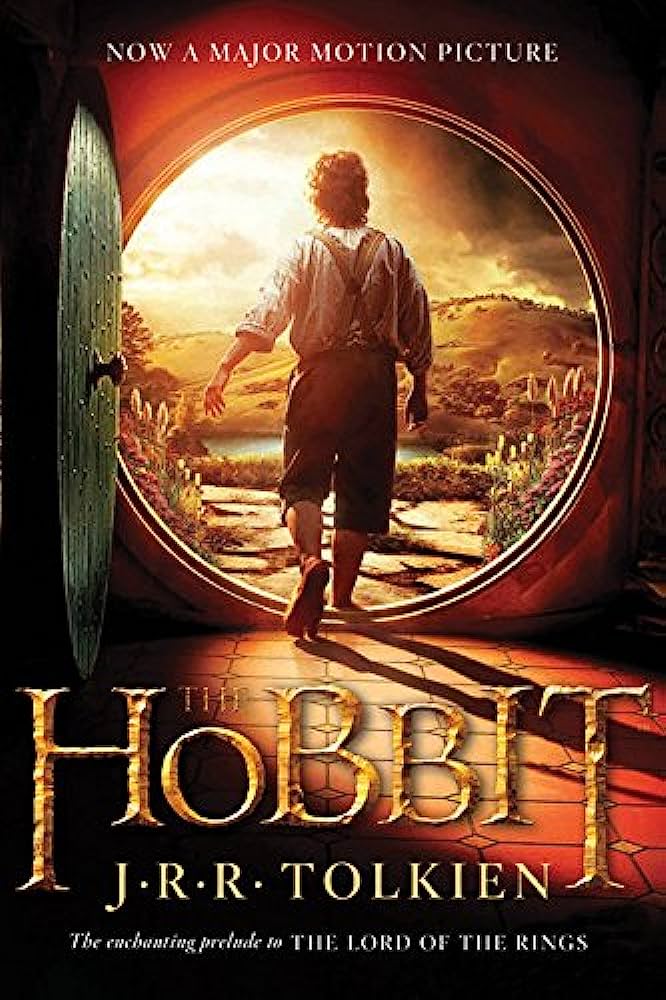
The distinctive cover art of subsequent editions, especially the iconic paperback editions of The Lord of the Rings in the 1960s, further cemented the brand’s visual identity in the public consciousness. These early artistic interpretations, whether by Tolkien himself or commissioned artists, became crucial elements of ancillary branding, influencing how audiences perceived and imagined Middle-earth. They provided a consistent, recognizable aesthetic that complemented the narrative, fostering a deeper connection between the audience and the developing brand universe. In an era before widespread digital media, these visual components were essential in shaping the brand experience and creating memorable touchpoints.
The Modern Brand Behemoth: Licensing, Adaptations, and Legacy
From its unassuming 1937 publication, The Hobbit has evolved into an intellectual property powerhouse, demonstrating the immense long-term value that a deeply authentic original creation can generate when managed strategically.
Strategic Brand Expansion: From Books to Screen
The most significant strategic brand expansion for The Hobbit and Middle-earth came in the form of film adaptations. While early animated versions existed, Peter Jackson’s Lord of the Rings trilogy (2001-2003) and The Hobbit trilogy (2012-2014) transformed the literary brand into a global cinematic phenomenon. These films introduced Middle-earth to billions, significantly broadening its audience and market reach.
The transition to screen required careful brand management to ensure fidelity to the source material while appealing to a mass audience. This involved extensive licensing agreements, merchandising, and promotional campaigns that extended the brand into video games, action figures, theme park attractions, and countless other products. Each adaptation and licensed product became a touchpoint for the Middle-earth brand, generating revenue and reinforcing its cultural presence. This expansion exemplifies how a robust core brand, born from a strong original product, can be strategically diversified across multiple platforms, creating new revenue streams and cementing its status as a multimedia franchise while carefully navigating the complexities of brand consistency and fan expectations.
Protecting the IP: The Enduring Value of the Original Creation
At the heart of this multi-billion dollar empire lies the original intellectual property (IP) created by J.R.R. Tolkien, beginning with the publication of The Hobbit in 1937. Copyright and intellectual property rights became paramount as the brand grew. The Tolkien Estate and various rights holders have rigorously protected this IP, ensuring that adaptations and merchandise adhere to certain standards and that the brand’s integrity is maintained.
The enduring value of The Hobbit as a brand asset highlights the importance of strong foundational content. The meticulous world-building, compelling characters, and timeless themes embedded in the original text provided a rich wellspring for all subsequent derivations. Protecting this core IP is not just about financial gain; it’s about preserving the essence of the brand and ensuring its long-term viability and authenticity across generations. The battles over film rights, game licenses, and unofficial adaptations underscore the immense commercial and cultural weight of that original 1937 publication.
Lessons from Middle-earth: Brand Building Through Authenticity and Depth
The journey of The Hobbit from a private manuscript to a global brand offers invaluable lessons for modern brand development, emphasizing the power of authentic creation over purely commercial intent.
The Power of World-Building: Crafting a Deep and Immersive Brand Universe
Tolkien’s genius lay in his unparalleled ability to create a fully realized secondary world. Middle-earth wasn’t just a backdrop; it was a character in itself, with its own history, languages, cultures, and mythologies. This deep level of world-building is perhaps the most significant brand lesson from The Hobbit. It created an immersive universe that readers could get lost in, fostering a sense of belonging and discovery that few brands achieve.
For contemporary brand strategists, this translates to crafting a comprehensive brand universe. It’s not enough to have a product; brands need a compelling story, a consistent aesthetic, a distinct voice, and a set of values that resonate deeply with their audience. When a brand builds a world, it moves beyond mere transaction to create a community, a culture, and a lasting emotional connection. The initial imaginative efforts that went into writing The Hobbit in the early 1930s laid the foundation for a brand universe that felt real and substantial, a quality that makes it endlessly re-explorable.

Longevity Through Narrative: Why The Hobbit’s Brand Endures
The Hobbit‘s brand endures because its narrative taps into universal themes and archetypes: the reluctant hero, the journey of self-discovery, the struggle between good and evil, and the importance of courage and friendship. These timeless qualities transcend generations and cultural barriers, making the story perpetually relevant.
A strong brand narrative, like that found in The Hobbit, provides a core message that resonates beyond temporary trends. It gives the brand meaning, purpose, and a distinct identity that can adapt to changing times while remaining true to its essence. The depth of storytelling that began with Tolkien’s pen in the early 1930s and culminated in the 1937 publication ensured that the Middle-earth brand would possess a profound narrative core, capable of sustaining its appeal for nearly a century and inspiring countless other creators and brand builders. It demonstrates that genuine, impactful storytelling is the ultimate engine of long-term brand equity.
The question “what year was The Hobbit written” points to 1937 as its publication date, a moment that didn’t just introduce a beloved story but inadvertently launched one of the most remarkable brand journeys in history. From a professor’s private mythology to a global multimedia franchise, The Hobbit‘s evolution is a testament to the power of authentic creation, meticulous world-building, and iterative development. It teaches us that the strongest brands aren’t always born from market research and strategic planning, but often emerge from a deep, passionate creative spark, cultivated with care, and given the space to grow into something truly extraordinary.
aViewFromTheCave is a participant in the Amazon Services LLC Associates Program, an affiliate advertising program designed to provide a means for sites to earn advertising fees by advertising and linking to Amazon.com. Amazon, the Amazon logo, AmazonSupply, and the AmazonSupply logo are trademarks of Amazon.com, Inc. or its affiliates. As an Amazon Associate we earn affiliate commissions from qualifying purchases.