
The question “what year was insulin invented?” points to one of the most pivotal moments in medical history, a breakthrough that transformed a once-fatal disease into a manageable condition. While the precise answer is often cited as 1921-1922, the story of insulin’s invention is more than just a date; it’s a testament to scientific ingenuity, collaborative effort, and the relentless pursuit of medical technology. This article delves into the technological journey behind insulin’s discovery, its immediate impact, and its enduring legacy as a cornerstone of modern biotechnology.
The Pre-Insulin Era: A Medical Despair and Technological Void
Before the early 20th century, a diagnosis of diabetes mellitus was effectively a death sentence. Particularly for Type 1 diabetes, which primarily affects younger individuals, the prognosis was grim. The understanding of the disease, while advancing, lacked the critical piece of the puzzle that would lead to effective treatment. This period represents a significant technological void in the medical landscape, where symptomatic treatments were palliative at best, and a cure or effective management remained elusive.
Diabetes: A Death Sentence
For centuries, physicians observed the symptoms of diabetes: excessive thirst, frequent urination, weight loss despite increased appetite, and eventually, coma and death. The condition was recognized in ancient Egypt and India, but its underlying mechanisms remained a mystery. By the 19th and early 20th centuries, doctors knew that the pancreas played a role, particularly after German researchers Oskar Minkowski and Joseph von Mering demonstrated in 1889 that removing a dog’s pancreas led to severe diabetes. This discovery hinted at a pancreatic internal secretion that regulated blood sugar, but isolating this substance and making it therapeutically viable proved incredibly challenging.
The standard “treatment” for diabetes was often a severe carbohydrate-restricted diet, sometimes bordering on starvation. While this could extend life slightly by reducing the glucose burden, it was a harsh regimen that merely delayed the inevitable. Patients, especially children, often withered away slowly, suffering from complications like ketoacidosis, a devastating metabolic state. The lack of a true medical technology to intervene in the disease’s progression highlighted the urgent need for innovation. The scientific community grappled with the problem, but the specific biological compound and the methods to extract and purify it eluded them. This period underscores the profound despair felt by patients and clinicians alike, operating within the limitations of early 20th-century biomedical technology.
Early Theories and Failed Treatments
The concept of internal secretions, later termed “hormones” by Ernest Starling in 1905, was gaining traction. Researchers hypothesized that a substance produced by the pancreas, specifically from the “islets of Langerhans” (named after German pathologist Paul Langerhans, who discovered them in 1869), was responsible for regulating blood sugar. Many attempts were made to extract this hypothetical substance, but they largely failed. The primary challenge was enzymatic degradation. Pancreatic extracts made from whole glands contained potent digestive enzymes that rapidly destroyed the delicate blood sugar-regulating component, rendering it ineffective.
Early attempts involved feeding pancreatic tissue to diabetic patients or injecting crude extracts. These methods were largely unsuccessful, often causing severe side effects due to impurities and the degradation of the active substance. The technology for protein purification and stabilization was rudimentary at best. Scientists lacked the sophisticated biochemical tools and understanding necessary to isolate a stable and potent therapeutic agent from such a complex organ. This era was characterized by a series of technological dead ends, where the theoretical understanding was ahead of the practical capabilities to develop a viable treatment. The stage was set for a truly innovative approach, one that would bypass the existing technical hurdles.
The Breakthrough: Banting, Best, Macleod, and Collip at Toronto
The story of insulin’s discovery is a classic example of collaborative innovation in medical science, often attributed to a quartet of researchers at the University of Toronto. This breakthrough was not a sudden stroke of genius but rather a culmination of persistent experimentation, hypothesis testing, and a crucial technological shift in extraction methodology.
The Collaborative Innovation at Toronto
The primary impetus came from Frederick Banting, a young surgeon who, in 1920, had an idea for circumventing the enzymatic degradation problem. His hypothesis was that if the pancreatic ducts were ligated (tied off), the exocrine cells (which produce digestive enzymes) would degenerate, leaving the endocrine islet cells intact and producing their vital secretion. He approached Professor John J.R. Macleod, a distinguished physiologist at the University of Toronto, who initially doubted Banting’s premise but eventually provided him with laboratory space, ten dogs, and a medical student assistant, Charles Best, for the summer of 1921.
This collaboration, though fraught with tension at times, proved to be incredibly fruitful. Macleod, with his extensive physiological expertise, provided the scientific rigor and resources. Banting brought the core idea and surgical skills. Best, with his biochemical knowledge and meticulous experimental technique, was instrumental in the laboratory work, particularly in measuring blood glucose levels and preparing extracts. This blend of surgical, physiological, and biochemical expertise was critical for navigating the complexities of their research.
The Initial Experiments and Extraction Technology
Banting and Best began their experiments in May 1921. Their initial focus was on ligating the pancreatic ducts in dogs, allowing time for the enzyme-producing exocrine cells to atrophy. They then extracted the remaining islet tissue, which they hypothesized contained the anti-diabetic substance, using a saline solution. The key technological innovation here was the method of extraction—specifically, targeting the degenerated pancreas to minimize enzymatic interference.
In August 1921, they produced a crude extract from a degenerated pancreas, which they called “isletin” (later renamed insulin, from the Latin insula for island). When injected into a depancreatized diabetic dog named Marjorie, the extract dramatically lowered her blood sugar and improved her condition. This was a monumental moment. The challenge then became refining this extract and scaling its production. The early “technology” was rudimentary: dissection, mincing, and saline extraction, followed by filtration. However, it was a precise and controlled process, a significant step forward from previous haphazard attempts.
Overcoming Early Challenges: Purification and Efficacy
While Banting and Best had demonstrated the existence and efficacy of their extract, it was still very crude and caused sterile abscesses at the injection site. Macleod recognized the need for biochemical purification and brought in James Collip, a skilled biochemist, in December 1921. Collip’s task was to purify the extract to make it safe and effective for human use.
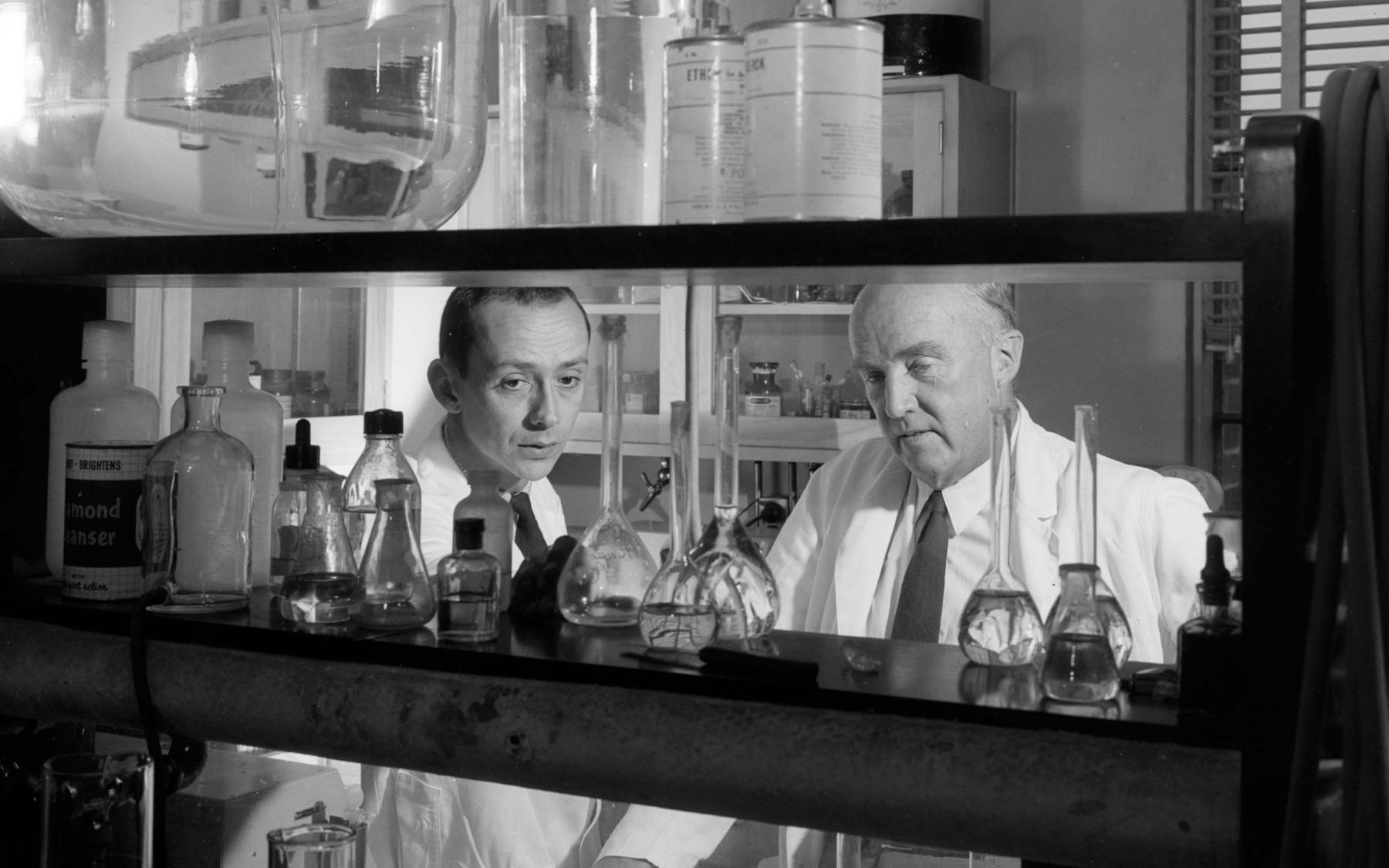
Collip’s technological contribution was immense. He experimented with various alcohol concentrations to precipitate impurities while keeping the active ingredient in solution. This alcohol-based purification process was a critical chemical engineering step that transformed a crude, toxic extract into a viable therapeutic agent. By January 1922, Collip had developed a purer, more potent extract. The combined efforts of Banting’s initial concept, Best’s meticulous experimental work, Macleod’s scientific oversight, and Collip’s biochemical purification expertise formed the technological backbone of insulin’s invention.
1922: The Year of Transformation
The year 1922 stands as the definitive answer to “what year was insulin invented” in terms of its practical application and clinical success. This was the year insulin moved from the lab bench to the hospital ward, marking a profound shift in medical prognosis for millions.
Leonard Thompson: The First Human Success
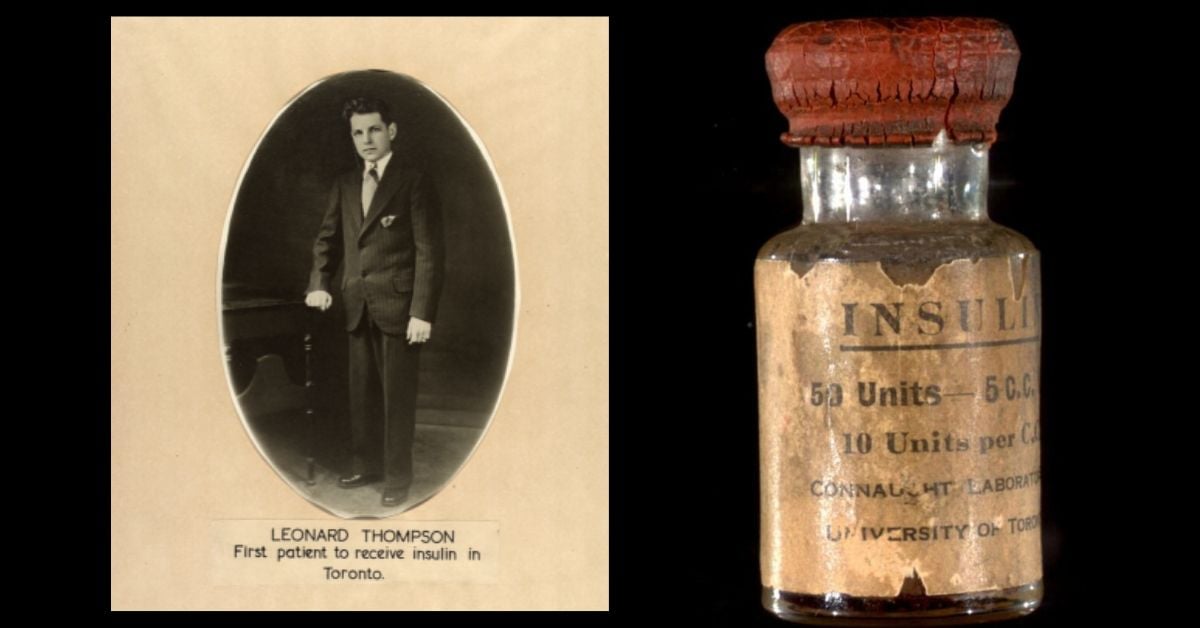
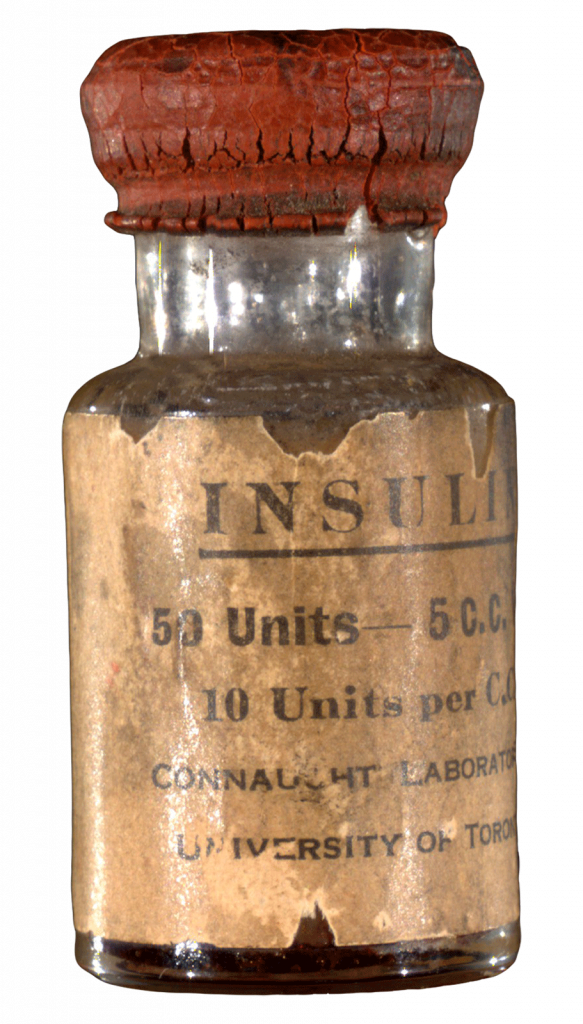
On January 11, 1922, a 14-year-old boy named Leonard Thompson, dying from Type 1 diabetes at Toronto General Hospital, became the first human to receive an insulin injection. The initial injection of Banting and Best’s crude extract caused an allergic reaction and had limited effect. However, after Collip rapidly refined his purification process, a second, purer dose was administered to Thompson on January 23. The results were nothing short of miraculous: Thompson’s blood sugar levels plummeted, and his ketoacidosis improved dramatically. He regained strength and lived for another 13 years, thanks to regular insulin injections, before dying of pneumonia.
This event was a paradigm shift. It demonstrated unequivocally that a technology developed in the laboratory could directly and effectively intervene in a previously fatal human disease. The success with Thompson ignited a global sensation and spurred intense efforts to scale up production. The technology had been validated in the most critical arena: human life.
Rapid Scaling and Global Impact
The immediate success led to immense pressure for large-scale production. The University of Toronto, recognizing the global importance, made the patent for insulin available for a nominal fee ($1 per patent) to ensure widespread access. This altruistic decision, driven by ethical considerations, accelerated the dissemination of this life-saving technology worldwide. Eli Lilly and Company, a pharmaceutical firm, played a crucial role in scaling up production, developing more efficient and purer methods for manufacturing insulin from animal pancreases (primarily from pigs and cattle).
Within months, insulin was being produced and distributed across North America and Europe. The technological challenge shifted from discovery to mass production and quality control. This rapid scaling demonstrated the power of industrial technology to transform a scientific breakthrough into a widely available medical treatment. The ability to produce a consistent, high-quality pharmaceutical on an industrial scale was a critical secondary innovation that ensured insulin’s global impact. Thousands of lives were saved within the first few years, fundamentally altering the course of diabetes management and setting a new precedent for pharmaceutical development.
The Evolution of Insulin Technology
The invention of insulin in 1922 was just the beginning. The subsequent century has witnessed a continuous evolution of insulin technology, driven by scientific advancements and the desire to improve patient outcomes, demonstrating “Tech” in its ongoing innovation cycle.
From Animal Extracts to Recombinant DNA
The initial insulin was extracted from animal pancreases, which posed several challenges: potential allergic reactions in some patients, variability in purity, and limited supply. The next major technological leap occurred in the 1970s and 80s with the advent of recombinant DNA technology. In 1978, Genentech, in collaboration with Eli Lilly, successfully produced synthetic human insulin using genetically engineered E. coli bacteria. This “Humulin,” approved in 1982, was identical to human insulin, significantly reducing allergic reactions and ensuring a virtually limitless supply.
This marked a profound shift from extracting a natural product to manufacturing a biological drug through genetic engineering. It was a foundational moment for the biotechnology industry, proving the immense potential of gene splicing to create therapeutic proteins. Following this, various insulin analogs were developed, which are structurally modified versions of human insulin designed to have different absorption profiles (e.g., rapid-acting, long-acting), offering greater flexibility and control for patients. This continuous innovation in molecular biology and pharmaceutical engineering expanded the technological arsenal against diabetes.
Advanced Delivery Systems: Pens, Pumps, and Beyond
Beyond the insulin molecule itself, the technology of delivery has also seen significant innovation. Early patients had to use glass syringes and sterilize needles at home. The introduction of disposable syringes and needles in the mid-20th century was a practical improvement. In the 1980s, insulin pens, which pre-filled cartridges and dose dials, revolutionized convenience and accuracy.
The 1990s saw the development and increasing adoption of insulin pumps – small, computerized devices that deliver continuous, precisely controlled doses of insulin through a catheter placed under the skin. These pumps represent a significant step towards mimicking the natural function of the pancreas and integrating advanced electromechanical engineering with biological therapy. More recently, closed-loop systems, often dubbed “artificial pancreases,” combine insulin pumps with continuous glucose monitors (CGMs) and algorithms to automatically adjust insulin delivery based on real-time glucose readings, further reducing the burden on patients and improving glycemic control. These systems showcase the convergence of biomedical engineering, software, and AI.
The Future of Insulin Tech: Smart Systems and Cures
The future of insulin technology is focused on even greater automation, personalization, and the ultimate goal of a cure. Research continues into “smart insulin” that responds to blood glucose levels by releasing insulin only when needed. Oral insulin delivery, currently a significant challenge due to insulin’s protein nature, is also a major area of pharmaceutical research. Non-invasive glucose monitoring technologies are being refined, aiming to replace finger-prick tests.
Furthermore, advancements in stem cell research hold the promise of regenerating or replacing the insulin-producing beta cells in the pancreas, potentially offering a functional cure for Type 1 diabetes. Gene therapy and immunotherapy are also being explored. The journey from crude pancreatic extract to an “artificial pancreas” or a biological cure illustrates the relentless drive of medical technology, constantly pushing boundaries for better patient outcomes.
Insulin’s Enduring Legacy in Medical Technology
The invention of insulin stands as one of the 20th century’s most profound medical technological achievements. Its impact extends far beyond the direct treatment of diabetes, shaping the very landscape of pharmaceutical development and inspiring countless subsequent innovations in biotechnology.
A Paradigm Shift in Pharmaceutical Development
Before insulin, many “cures” were unproven or based on superstition. Insulin provided undeniable proof that a specific, isolated biological substance could dramatically alter the course of a chronic, fatal disease. This success catalyzed the modern pharmaceutical industry, demonstrating the immense potential of scientific research to identify, extract, purify, and mass-produce life-saving drugs. It underscored the importance of rigorous scientific methodology, clinical trials, and collaboration between academia and industry.
The processes developed for insulin production, from animal sourcing to purification and later, recombinant DNA synthesis, laid foundational blueprints for the development of other protein-based drugs and biologics. It also highlighted the critical role of intellectual property management in balancing innovation incentives with public health needs, as seen in the University of Toronto’s decision to make insulin widely accessible. Insulin’s invention thus became a template for how medical technology could be developed, validated, and scaled to address global health crises.
Inspiring Future Biotech Innovations
The success of insulin opened the floodgates for research into other hormones, growth factors, and therapeutic proteins. It directly influenced the development of treatments for conditions ranging from growth hormone deficiency to anemia and various cancers, many of which rely on recombinant protein technology first popularized by insulin. The ethical considerations and regulatory pathways established during insulin’s early distribution also informed subsequent drug approvals.
Moreover, the drive to improve insulin delivery has continually pushed the boundaries of medical device technology, fostering the development of sophisticated drug delivery systems, biosensors, and connected health devices. The very idea of using technology to mimic or enhance biological functions—from simple pumps to complex AI-driven closed-loop systems—can trace a significant part of its lineage back to the foundational challenge of delivering insulin effectively. The invention of insulin wasn’t just about a drug; it was about inventing a new era of medical technology that continues to save and improve lives globally.
aViewFromTheCave is a participant in the Amazon Services LLC Associates Program, an affiliate advertising program designed to provide a means for sites to earn advertising fees by advertising and linking to Amazon.com. Amazon, the Amazon logo, AmazonSupply, and the AmazonSupply logo are trademarks of Amazon.com, Inc. or its affiliates. As an Amazon Associate we earn affiliate commissions from qualifying purchases.