
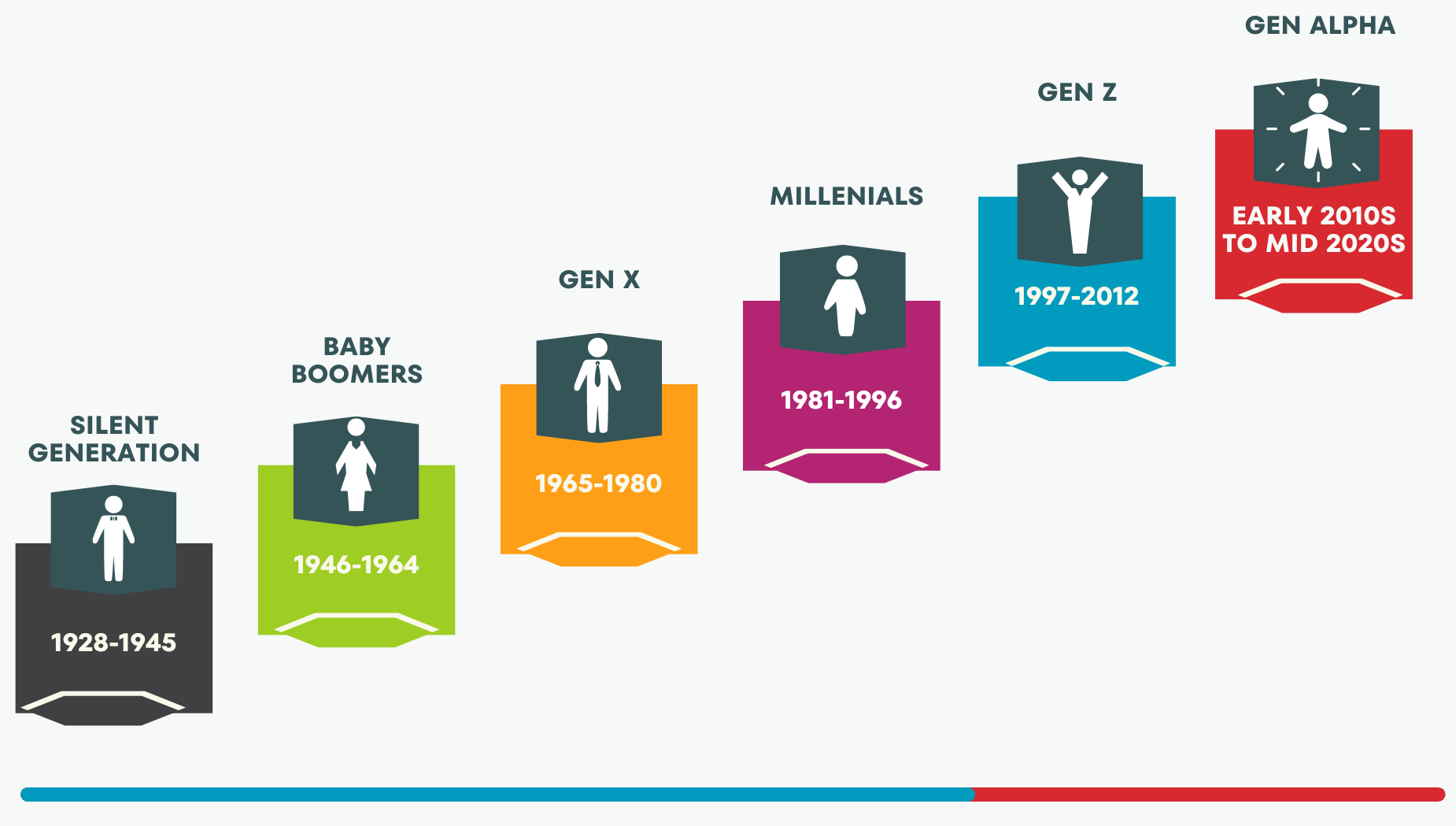
The emergence of a new generation brings with it a unique set of technological paradigms, cultural shifts, and digital behaviors. Generation Alpha—the cohort succeeding Generation Z—represents a pivotal moment in human history. To understand this group, one must first identify their temporal boundaries. Generation Alpha includes those born from 2010 to 2024.
Unlike any generation before them, Gen Alpha members are not just “digital natives”; they are “AI natives.” Their birth years coincide perfectly with some of the most significant technological leaps in the 21st century, from the launch of the iPad to the explosion of Large Language Models (LLMs). This article explores the technological landscape that defines Gen Alpha, the software that shapes their cognitive development, and the future of tech through their eyes.

Defining Gen Alpha: The Chronology of a Digital Revolution
The term “Generation Alpha” was coined by social researcher Mark McCrindle to describe the demographic cohort that began in 2010. While generational boundaries can sometimes be fluid, the consensus among sociologists and technologists focuses on a 15-year window.
The 2010 Starting Point and the Hardware Catalyst
The year 2010 was a watershed moment for consumer technology. It was the year Apple released the first iPad, an event that fundamentally changed how humans interact with computers. For the oldest members of Gen Alpha, the tactile, gesture-based interface of a tablet was their first introduction to the digital world. This moved computing away from the “point and click” mouse-driven era of Gen X and Millennials into a more intuitive, haptic-driven reality. Furthermore, 2010 saw the launch of Instagram and the rise of the “App Store” economy, ensuring that this generation would never know a world without instant, mobile-first connectivity.
Why 2024 Marks the Transition to Gen Beta
As we reach the end of 2024, the cycle for Gen Alpha concludes, making way for Generation Beta (born 2025–2039). The closing of the Alpha window is marked by the stabilization of the “Post-Pandemic” digital world and the maturation of Generative AI. A child born in 2024 enters a world where spatial computing (via devices like the Apple Vision Pro) and autonomous agents are no longer science fiction but commercial realities. This 15-year span captures a generation that began with the tablet and ended with the integration of artificial intelligence into the very fabric of daily life.
The Tech Stack of a Generation: From iPads to the Metaverse
If Gen Z was the generation of social media, Gen Alpha is the generation of immersive ecosystems. Their “tech stack” is not defined by passive consumption but by active, world-building participation.
The Rise of the Tablet as a Primary Interface
For Gen Alpha, the tablet is the “third screen” that became the primary screen. The portability and durability of modern tablets, combined with sophisticated educational software, have turned these devices into essential tools for both entertainment and pedagogy. This has led to the “iPad Kid” phenomenon, where high-resolution touchscreens serve as the window to their social and educational lives. From a tech perspective, this has forced developers to prioritize UI/UX designs that are increasingly visual and less reliant on traditional text-based navigation.
Social Gaming and Virtual Identities
Gen Alpha’s social life largely exists within “proto-metaverse” platforms like Roblox, Minecraft, and Fortnite. These are not merely games; they are social operating systems. In these environments, Gen Alpha learns the basics of digital currency (Robux), digital identity (avatars), and even basic programming through platforms like Roblox Studio. For a 10-year-old in Gen Alpha, owning a rare digital skin for an avatar can carry as much social weight as owning a physical item. This shift indicates a move toward a “phygital” reality, where the boundary between physical and digital assets is increasingly blurred.
Artificial Intelligence and the Gen Alpha User Experience
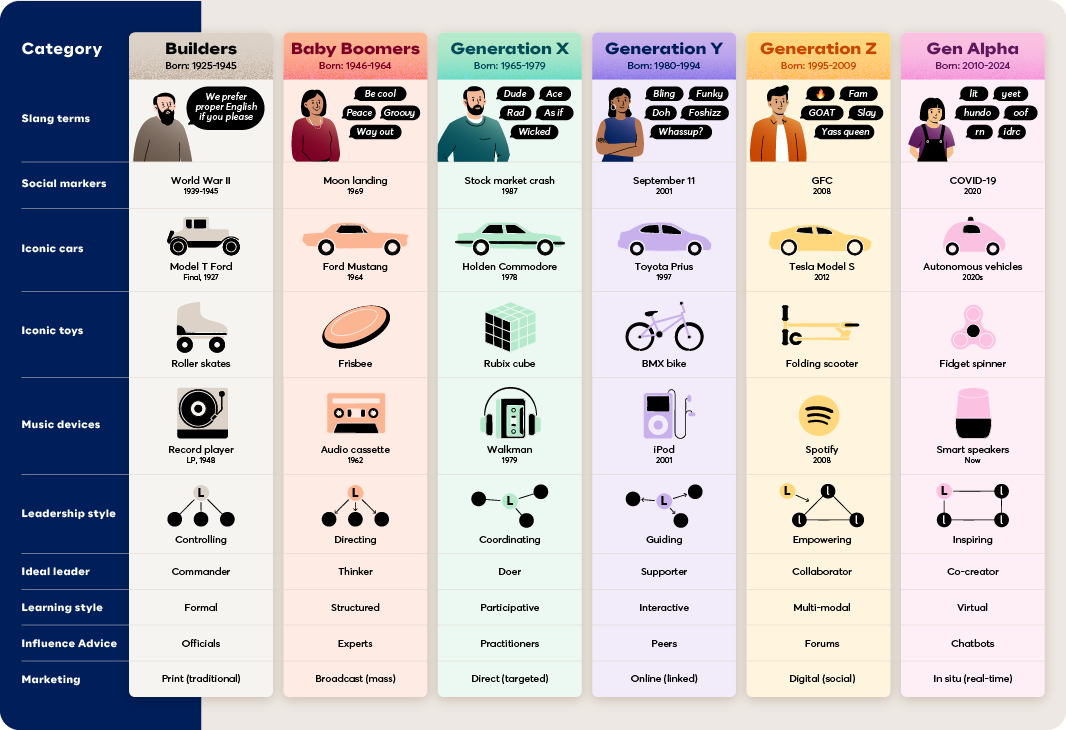
While previous generations had to adapt to AI as adults or teenagers, Gen Alpha is growing up with it as a constant companion. This creates a psychological and technical shift in how they perceive information.
Growing Up with LLMs and Generative AI
For the older members of Gen Alpha, the arrival of ChatGPT and Midjourney during their formative years has redefined their approach to creativity and homework. While Millennials used Google to find answers, Gen Alpha uses AI to synthesize information. They are the first generation to engage in “prompt engineering” as a basic literacy skill. This interaction with AI is not limited to text; it extends to video and image generation, where the cost of creation has dropped to near zero, allowing for a level of digital expression never before seen.
The Shift from Search Engines to Conversational Agents
Gen Alpha is increasingly moving away from traditional search engine result pages (SERPs). Instead of scrolling through a list of links, they prefer conversational interfaces. Voice assistants like Alexa and Siri were their first “digital friends,” and now, sophisticated AI agents are becoming their tutors and companions. This trend is pushing tech companies to pivot away from traditional SEO-focused content toward providing direct, AI-summarized answers. For Gen Alpha, the internet is not a library to be searched; it is an intelligent entity to be conversed with.
Digital Security and the Ethics of an Always-On Childhood
With unprecedented connectivity comes unprecedented risk. The tech industry is currently grappling with how to protect a generation that has been online since birth.
Data Privacy for the Youngest Users
One of the most significant challenges for Gen Alpha is the concept of “sharenting”—where parents document their children’s lives online from infancy. This creates a digital footprint for Gen Alpha before they are old enough to consent to it. Technologically, this has spurred a demand for better privacy-tech and stricter enforcement of regulations like COPPA (Children’s Online Privacy Protection Act). We are seeing a rise in “privacy-by-design” software where data minimization and encrypted communication are becoming standard for platforms catering to younger users.
Screen Time vs. Cognitive Development in the Digital Age
The debate over screen time has shifted from “how much” to “what kind.” Developers are now focusing on “active” versus “passive” screen time. Tech tools are being built to encourage physical movement (AR games) and critical thinking (coding apps) rather than mindless scrolling. Furthermore, the tech industry is under pressure to address the “attention economy,” with new OS-level features designed to curb addictive behaviors and promote digital well-being for the younger demographic.
The Future of Tech Through the Lens of Gen Alpha
As Gen Alpha matures, their technological preferences will dictate the next wave of innovation. Their expectations for seamless, intuitive, and intelligent tech will drive the industry for decades.
Decentralized Web and Blockchain Integration
Gen Alpha’s comfort with digital assets in gaming suggests they will be the primary adopters of Web3 and decentralized technologies. While the current hype around blockchain has fluctuated, the underlying concept of digital ownership and decentralized identity resonates with a generation that has spent thousands of hours in virtual worlds. We can expect future software to integrate blockchain not as a buzzword, but as a silent infrastructure for verifying digital credentials and managing virtual property.
Preparing for a Career Path in Non-Existent Fields
By the time the youngest members of Gen Alpha enter the workforce in the late 2030s and early 2040s, the job market will have been transformed by the technologies they grew up with. They will likely work in roles that don’t exist yet, such as Virtual World Architects, AI Ethics Officers, or Synthetic Biology Designers. The educational technology (EdTech) of today is already pivoting to teach “computational thinking” rather than rote memorization, ensuring that Gen Alpha is equipped to manage the very tools that define their generation.
In conclusion, knowing what year Gen Alpha was born—2010 to 2024—is only the first step in understanding the massive technological shift they represent. They are the bridge between the mobile era and the AI era. As they grow, their unique relationship with technology will continue to challenge our definitions of privacy, creativity, and human-computer interaction, making them the most influential digital cohort we have ever seen.
aViewFromTheCave is a participant in the Amazon Services LLC Associates Program, an affiliate advertising program designed to provide a means for sites to earn advertising fees by advertising and linking to Amazon.com. Amazon, the Amazon logo, AmazonSupply, and the AmazonSupply logo are trademarks of Amazon.com, Inc. or its affiliates. As an Amazon Associate we earn affiliate commissions from qualifying purchases.