
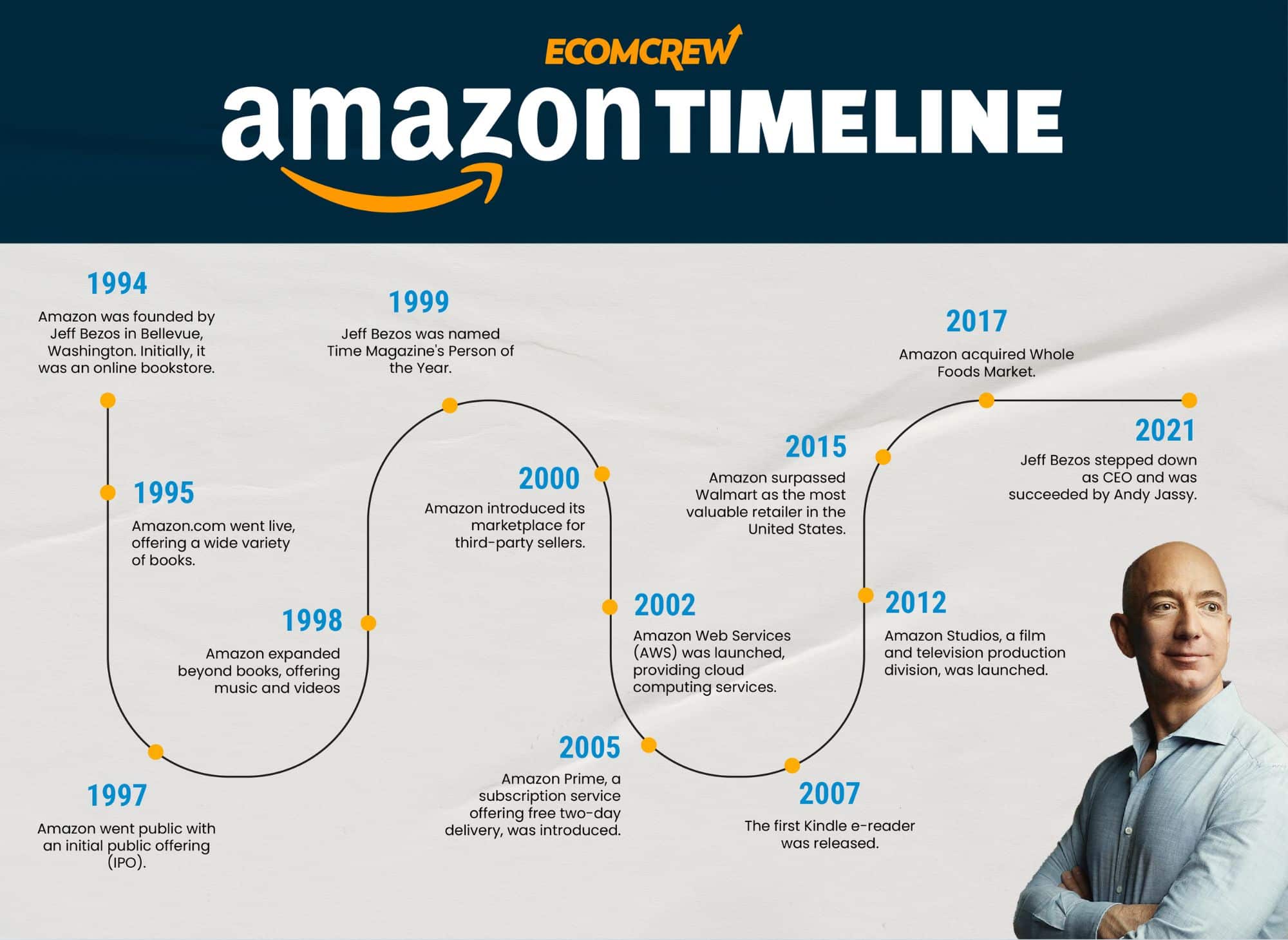
The question “What year was Amazon started?” seems deceptively simple, often answered with a quick factual recall: 1994. Yet, behind this single year lies the profound genesis of one of the most dominant and transformative brands in human history. The founding of Amazon.com, Inc. by Jeff Bezos in July 1994 was not merely the establishment of a new company; it was the birth of a brand that would fundamentally redefine retail, technology, and consumer expectations worldwide. To understand Amazon’s unparalleled trajectory, one must delve into the strategic decisions, visionary thinking, and foundational principles laid down in that pivotal year and the years immediately following, all of which contributed to the sophisticated, multifaceted brand identity Amazon holds today.
For any brand strategist or business enthusiast, Amazon’s origin story is a compelling case study in corporate identity, market disruption, and the relentless pursuit of a customer-centric vision. From its humble beginnings as an online bookstore operating out of a garage, the brand Amazon meticulously cultivated an image of unparalleled convenience, vast selection, and unwavering reliability. This article will explore the significance of Amazon’s founding year within the framework of brand development, analyzing how early choices shaped its corporate identity, fueled its marketing strategies, and forged a legacy that continues to impact global commerce.
The Birth of a Brand: From “Cadabra” to Amazon.com (1994-1995)
The decision to start Amazon in 1994 was a bold leap into the nascent digital frontier, reflecting a deep understanding of impending technological shifts and an audacious vision for the future of commerce. This period was crucial not just for establishing the business, but for laying the groundwork for what would become an iconic global brand.
A Visionary Founder and the Internet’s Dawn
Jeff Bezos, then a senior vice president at D.E. Shaw & Co., an investment firm on Wall Street, famously observed the “mind-boggling” growth rate of the internet – an astonishing 2,300% per year in 1994. He recognized this exponential curve not just as a technological marvel but as an unprecedented opportunity to create a new kind of retail experience. His decision to leave a lucrative career and pursue this vision in Seattle, a city known for its tech talent and reasonable living costs at the time, was the first foundational step in Amazon’s brand story. Bezos’s entrepreneurial spirit and foresight became intrinsically linked to the brand’s identity as an innovator and a disruptor. The brand ethos of “Day 1,” emphasizing a perpetual startup mentality and a relentless pursuit of new opportunities, was forged in these very early days.
The Initial Concept: An Online Bookstore
While Bezos initially considered selling a variety of products online, he strategically settled on books as the first product category. This was a critical branding decision. Books are relatively uniform products, easy to ship, and incredibly diverse, making them ideal for an online catalog that could offer a far greater selection than any physical store. This focus allowed Amazon to quickly establish a core value proposition: unparalleled selection and convenience. It wasn’t just about selling books; it was about demonstrating the power of e-commerce to deliver something previously unimaginable – a universal bookstore. This initial focus helped Amazon build trust and demonstrate operational excellence, vital ingredients for a brand operating in an unfamiliar digital space. The brand promised to deliver “Earth’s Biggest Bookstore,” a bold claim that immediately positioned it as a market leader in a niche it essentially created.
Naming the Future: The Significance of “Amazon”
The choice of the name “Amazon” was another masterstroke in brand strategy. Initially, Bezos considered names like “Cadabra” (as in abracadabra), which he quickly abandoned due to potential mispronunciations and its lack of gravitas. He also registered “Relentless.com,” a domain he still owns today, reflecting his drive. However, he ultimately settled on “Amazon” for several compelling reasons, all rooted in strong branding principles. The Amazon River is the largest river in the world, symbolizing vastness, scale, and potential, perfectly aligning with Bezos’s vision for the company to become “Earth’s biggest everything.” Furthermore, names starting with ‘A’ appear early in alphabetical listings, a practical advantage in the early days of web directories. The name immediately conveyed a sense of grandeur, limitless possibility, and global ambition – qualities that would become synonymous with the Amazon brand itself. It was a name that promised an expansive future, not just a current offering.
Crafting the Brand Identity: Early Challenges and Strategic Pivots
The years immediately following Amazon’s 1994 founding were characterized by rapid growth, strategic expansion, and the continuous refinement of its core brand identity. Navigating the uncharted waters of e-commerce required constant innovation, particularly in building trust and demonstrating value to a skeptical public.
Building Trust in a Nascent E-commerce Landscape
In the mid-1990s, online shopping was a novel, often viewed with suspicion. People were accustomed to physical stores, where they could see, touch, and try products before buying. Amazon faced the daunting challenge of convincing consumers to enter their credit card details into a website and trust that their orders would arrive as promised. To overcome this, Amazon pioneered several branding initiatives focused on transparency and customer assurance. Features like customer reviews, while commonplace now, were revolutionary at the time, fostering a sense of community and providing social proof. Efficient, reliable delivery, even if it meant absorbing higher shipping costs initially, became a cornerstone of the Amazon brand promise. They built trust by consistently delivering on their commitments, turning first-time buyers into loyal customers through positive experiences. This focus on operational excellence in customer service became an indelible part of Amazon’s corporate identity.
Beyond Books: The Brand’s Expanding Horizon
While books were the foundation, Bezos always envisioned Amazon as an “everything store.” The brand’s expansion beyond books to music, videos, and eventually electronics was not an opportunistic pivot, but a calculated strategic move aligned with its long-term brand vision of being the most comprehensive online retailer. This expansion demonstrated the scalability of the Amazon brand and its underlying technological infrastructure. Each new product category reinforced the brand’s core promise of vast selection and convenience, gradually accustoming customers to the idea that if they needed something, Amazon probably had it. This deliberate diversification solidified Amazon’s identity as a generalist retailer, capable of handling a multitude of product lines, further distinguishing it from specialized online stores and cementing its position as a universal shopping destination.
The Customer-Centric Obsession as a Brand Pillar
Perhaps the most defining aspect of the Amazon brand, established early on and continuously reinforced, is its “customer obsession.” Bezos famously stated that Amazon aspired to be “Earth’s Most Customer-Centric Company.” This wasn’t merely a marketing slogan; it was a deep-seated philosophical commitment that influenced every aspect of the company’s operations, from website design to logistics and product development. Features like one-click ordering, personalized recommendations, easy returns, and round-the-clock customer support all stemmed from this singular focus. By prioritizing the customer experience above all else, Amazon cultivated a brand image of reliability, convenience, and responsiveness. This became a powerful differentiator, fostering loyalty and word-of-mouth promotion, turning Amazon into a brand that customers implicitly trusted to deliver exceptional service.
The Brand’s Exponential Growth: From Dot-Com Bubble to Dominance
The late 1990s and early 2000s presented significant challenges and opportunities, including the dramatic bursting of the dot-com bubble. Amazon’s ability to not only survive but thrive during this tumultuous period is a testament to the strength of its brand strategy and its long-term vision.
Navigating Market Volatility with a Strong Brand
When the dot-com bubble burst around 2000-2001, countless internet companies vanished. Amazon, despite significant losses and investor skepticism regarding its profitability, weathered the storm. Its survival can be attributed to several factors inherent in its brand strategy: a clear long-term vision, disciplined execution of its customer-centric model, and a relentless focus on efficiency and technological innovation. While many “paper” companies disappeared, Amazon had built tangible assets – a growing customer base, increasingly sophisticated logistics, and a powerful, recognized brand name that resonated with consumers. Its brand promise of value and convenience, reinforced over years, provided a foundation of trust that helped it retain customers even when market sentiment turned sour. The brand’s resilience during this period further solidified its image as a dependable and enduring entity.
Strategic Acquisitions and Brand Integration
As Amazon matured, strategic acquisitions became another tool for brand expansion and market dominance. From purchasing IMDB to Zappos and later Whole Foods Market, each acquisition served to either enhance Amazon’s core offerings, expand its reach into new segments, or integrate new capabilities that benefited the overall brand ecosystem. The integration of these brands often involved leveraging Amazon’s logistical prowess and customer data, while sometimes allowing the acquired brand to maintain a degree of separate identity (like Zappos), showcasing Amazon’s strategic flexibility. These moves demonstrated Amazon’s ambition to be more than just a retailer – it was building an interconnected web of services and products, all ultimately reinforcing the “Amazon” overarching brand of comprehensive solutions.
Reinforcing the Brand Promise: Innovation and Convenience
The early 2000s also saw Amazon doubling down on innovation to reinforce its brand promise of convenience and selection. The launch of Amazon Prime in 2005 was a monumental branding achievement. By offering unlimited two-day shipping for an annual fee, Prime transformed Amazon from a convenient online store into an indispensable subscription service, fostering unparalleled customer loyalty and increasing purchase frequency. Prime became a brand within a brand, synonymous with speed and premium service. Subsequently, the creation of Amazon Web Services (AWS) in 2006, while initially a B2B offering, underlined Amazon’s technological prowess and efficiency, albeit for a different audience. Later innovations like the Kindle, Echo devices with Alexa, and various streaming services further embedded Amazon into the daily lives of millions, transforming it from a shopping destination into a comprehensive digital lifestyle brand. Each innovation, from recommendation engines to fulfillment centers, served to deepen the customer relationship and cement Amazon’s place as a leader in convenience and technological advancement.
Amazon’s Enduring Brand Legacy and Future Trajectory
Today, Amazon is more than just a company; it is an omnipresent force shaping how we live, work, and consume. Its brand legacy, rooted in that pivotal founding year, continues to evolve, facing new challenges and opportunities in an ever-changing global landscape.
The Power of a Globally Recognized Name
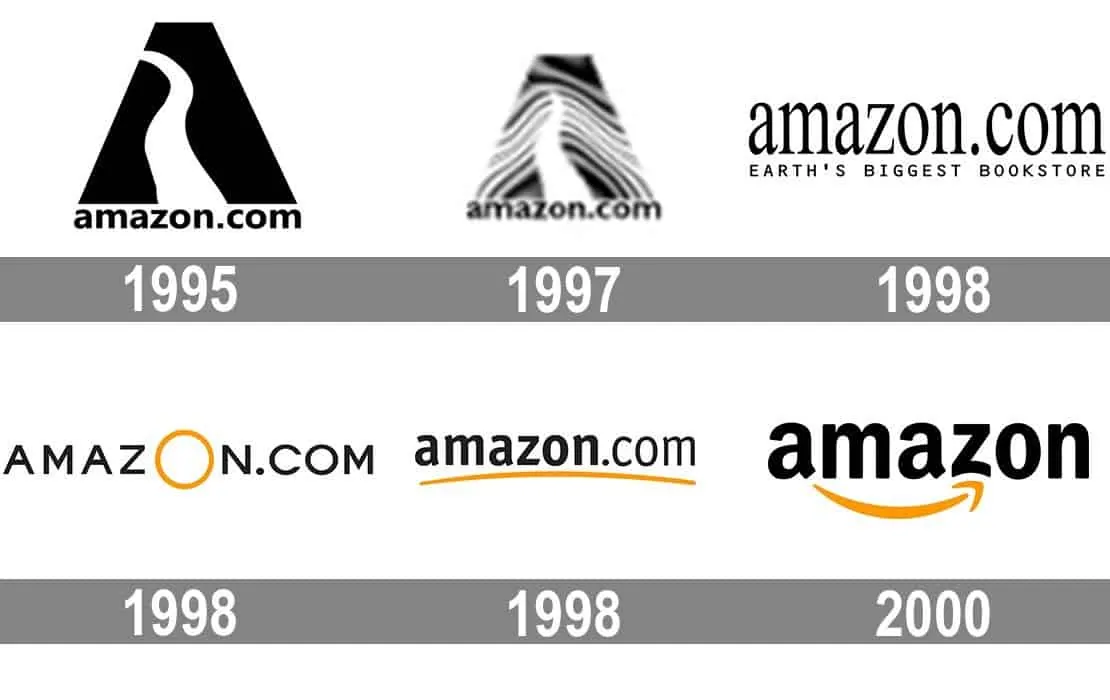
The name “Amazon” has transcended its origins as an online bookstore to become a universal shorthand for e-commerce, cloud computing, artificial intelligence, and digital entertainment. It signifies convenience, vast selection, rapid delivery, and innovative technology. The simple ‘A’ to ‘Z’ arrow in its logo perfectly encapsulates its brand promise of having everything “from A to Z.” This powerful brand recognition allows Amazon to enter new markets and launch new products with an immediate level of consumer trust and awareness that few other companies can command. From groceries to healthcare, the Amazon brand brings with it an expectation of efficiency, customer focus, and scale, a direct result of the foundational brand-building efforts initiated in 1994.
Adaptability and Reinvention as Core Brand Traits
One of Amazon’s most enduring brand traits is its remarkable ability to adapt and reinvent itself. From books to general merchandise, from e-commerce to cloud infrastructure (AWS), and from digital content to physical retail (Whole Foods), Amazon has consistently demonstrated a willingness to disrupt its own business models and explore entirely new ventures. This constant evolution, driven by its “Day 1” philosophy, ensures the brand remains relevant and at the forefront of technological and consumer trends. This adaptability is not just about survival; it’s about leading the charge, anticipating customer needs, and shaping the future of various industries, cementing its brand as a pioneer and an innovator.

Balancing Brand Trust with Corporate Scrutiny
As a colossal global brand, Amazon faces unprecedented scrutiny. While its brand promise of convenience and customer obsession remains strong, it also grapples with significant challenges related to antitrust concerns, labor practices, sustainability, and its immense influence on small businesses and local economies. Managing these complex issues while maintaining brand trust is a critical ongoing task. The brand’s future trajectory will largely depend on its ability to address these criticisms transparently and effectively, demonstrating its commitment to corporate responsibility alongside its relentless pursuit of growth and innovation. Maintaining the perception of a trustworthy and ethical brand, even as it operates at an immense scale, is paramount to its long-term success.
In conclusion, the year 1994 marks the commencement of a brand journey that has reshaped the world. Amazon’s founding was not just a date on a calendar, but the strategic inception of a corporate identity built on visionary leadership, an expansive worldview, and an unyielding commitment to the customer. From its name to its initial product focus and its continuous innovation, every early decision contributed to crafting a brand that today stands as a testament to the power of deliberate strategy and relentless execution. The Amazon brand, born in that pivotal year, continues to be a dynamic force, constantly evolving, inspiring, and sometimes challenging the very fabric of global commerce and digital life.
aViewFromTheCave is a participant in the Amazon Services LLC Associates Program, an affiliate advertising program designed to provide a means for sites to earn advertising fees by advertising and linking to Amazon.com. Amazon, the Amazon logo, AmazonSupply, and the AmazonSupply logo are trademarks of Amazon.com, Inc. or its affiliates. As an Amazon Associate we earn affiliate commissions from qualifying purchases.