
The phrase “You’ll shoot your eye out, kid!” is more than just a memorable movie quote; it’s a cornerstone of the cultural brand that is A Christmas Story. This beloved holiday film, which has become a perennial broadcast staple, owes a significant portion of its enduring appeal to its meticulously crafted setting. But beyond a simple historical backdrop, the year in which A Christmas Story is set plays a crucial role in shaping its narrative, its relatability, and ultimately, its powerful brand resonance. Understanding this temporal anchor is key to appreciating why the film continues to capture the hearts of audiences year after year, solidifying its place as an iconic piece of cinematic brand history.

The Strategic Implantation of Nostalgia: Crafting a Relatable Past
The genius of A Christmas Story‘s brand lies in its ability to evoke a specific era, an era that, while perhaps not personally experienced by all viewers, feels deeply familiar and comforting. The choice of setting is not arbitrary; it’s a deliberate brand strategy designed to tap into a potent well of nostalgia, even for those who never lived through it.
The Mid-20th Century Zeitgeist: A Foundation for Universal Themes
The film is widely understood to be set in the early 1940s, specifically around 1940 or 1941, in the fictional town of Hohman, Indiana. This temporal placement is critical. The early 1940s represent a fascinating period of transition. The Great Depression was receding, and while the shadow of World War II loomed large internationally, a sense of domestic optimism and burgeoning consumerism was beginning to take hold in many American households. This specific moment in time allows the film to present a world that is recognizably American, yet possesses a charm and simplicity that feels distinctly different from our hyper-connected, technologically saturated present.
This era is characterized by a particular aesthetic and lifestyle that the film masterfully re-creates. The cars, the clothing, the technology (or lack thereof), the family dynamics – all contribute to a cohesive and believable world. This commitment to historical accuracy in its visual and cultural details is a core tenet of the film’s brand. It’s not just a story; it’s an immersive experience into a bygone era. This detailed world-building allows the audience to suspend disbelief and fully engage with the characters and their aspirations, however mundane they might seem by today’s standards. The brand of A Christmas Story is built on this foundation of authentic, albeit idealized, mid-century American life.
The “Simpler Times” Appeal: A Powerful Marketing Tool
In a contemporary world often perceived as overly complex and fast-paced, the appeal of “simpler times” is a powerful marketing tool. A Christmas Story taps into this yearning by presenting a vision of childhood that feels both innocent and adventurous, albeit with its share of challenges. The absence of pervasive technology – no smartphones, no internet, no constant digital stimulation – forces the characters to interact with each other and their environment in more direct and imaginative ways. This, in turn, resonates with audiences who may feel a disconnect from more analog forms of play and family interaction.
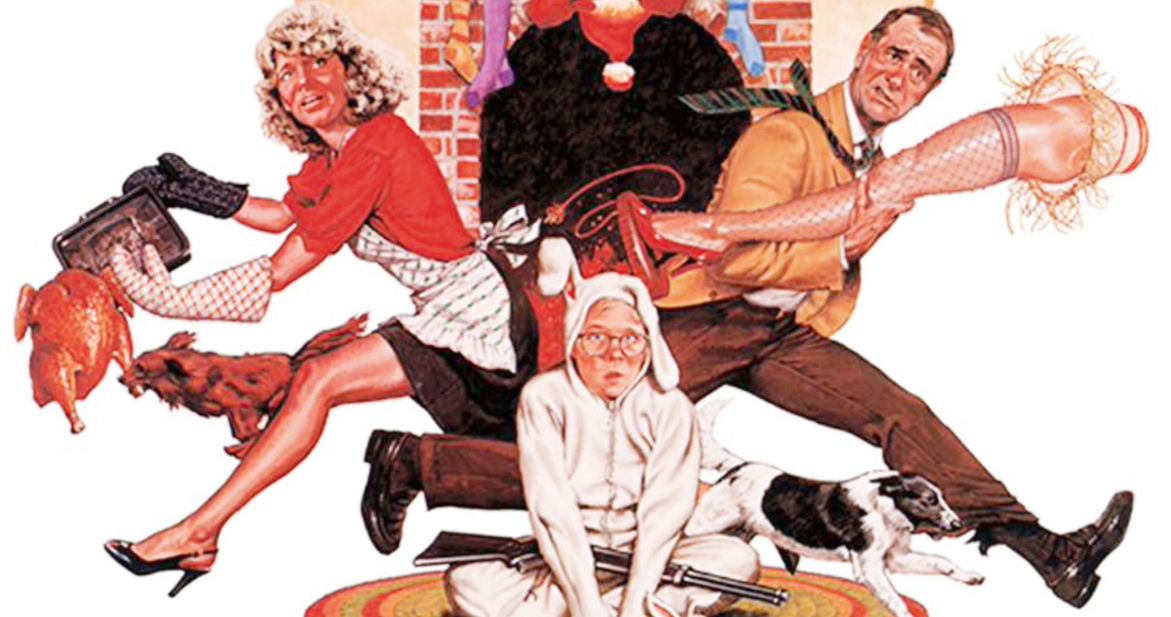
The film’s setting allows for relatable, yet often comedic, struggles. The quest for a Red Ryder BB gun, the bewilderment at the leg lamp, the humiliation of a pink bunny suit – these are all amplified by the context of the era. They represent desires and anxieties that, while rooted in the specific time, are fundamentally human and thus, enduring. The brand of A Christmas Story leverages this inherent relatability, suggesting that the core values of family, childhood wonder, and overcoming minor adversies are timeless, regardless of the year. The visual language of the film, from the warmly lit interiors to the snow-covered streets, further reinforces this comforting, nostalgic brand image.
The Narrative Architecture: How the Setting Fuels the Story’s Brand Identity
The year in which A Christmas Story is set isn’t merely a passive backdrop; it actively shapes the narrative, contributing significantly to the film’s unique brand of holiday storytelling. The limitations and opportunities of the early 1940s provide the fertile ground upon which the film’s iconic moments and character arcs are built.
Escapism and Aspiration: The Power of a Defined Era
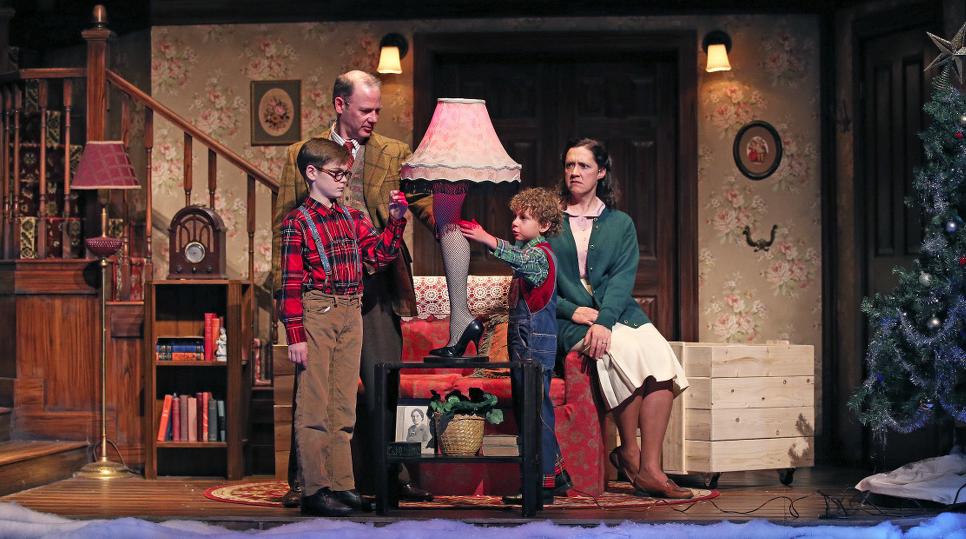
The setting of the early 1940s allows for a specific kind of escapism. For Ralphie, his dreams of the Red Ryder BB gun are the ultimate aspiration, a tangible symbol of independence and maturity within the confines of his world. The film’s brand is intrinsically linked to these childhood desires. The fact that the technology for such a toy is readily available, yet still met with parental skepticism, creates a perfect dramatic tension. This tension is amplified by the societal norms of the era, where children’s wishes might be more carefully considered against a backdrop of broader economic realities, even as a post-Depression optimism began to emerge.
The film’s brand hinges on the universal experience of childhood longing and the slightly exaggerated obstacles that stand in its way. The setting provides the framework for these desires to play out. The simple, yet compelling, narrative of a boy wanting a toy is elevated by the specific cultural context, making it both deeply personal to Ralphie and broadly relatable to anyone who has ever yearned for something just out of reach. The brand of A Christmas Story is built on the idea that even within the seemingly mundane, extraordinary desires and triumphs can exist.
The Family Unit: A Reflection of Mid-Century American Values
The film’s portrayal of the Parker family and their interactions is heavily influenced by the perceived norms of the early 1940s. The father, the “Old Man,” is the primary breadwinner, often preoccupied with his mysterious “major award.” The mother is the steady, nurturing force, managing the household and the children. While these roles might be viewed differently today, within the context of the film’s chosen setting, they contribute to a recognizable and, for many, endearing depiction of family life.
The brand of A Christmas Story taps into a particular archetype of the American family, one that is both flawed and loving. The arguments over the dinner table, the parental exasperation, the sibling rivalries – these are presented in a way that feels authentic to the period and contributes to the film’s comedic heart. The setting allows for a more contained family dynamic, where the outside world, while present, doesn’t intrude as much as it might in a contemporary setting. This focus on the internal workings of the family unit is a key element of the film’s brand, offering a sense of warmth and belonging. The brand’s power lies in its ability to present these familiar family dynamics through a nostalgic lens, making them feel both timeless and specific to a cherished past.
Maintaining Brand Longevity: The Role of the Setting in Evergreen Appeal
The question of “what year was a Christmas Story set in” is more than a factual inquiry; it’s a gateway to understanding the deliberate branding choices that have made the film an enduring holiday institution. The chosen setting is not just a detail; it’s a foundational element of its brand identity, contributing to its timeless appeal and evergreen status in popular culture.
The Universal Language of Nostalgia: A Brand Cornerstone
The early 1940s, as depicted in A Christmas Story, serves as a potent symbol of a perceived simpler, more innocent time. This concept of nostalgia is a powerful driver of brand loyalty and recognition. By anchoring the film in this era, its creators have effectively built a brand that evokes a sense of comfort, familiarity, and idealized childhood. This temporal setting acts as a universal language, resonating with audiences across generations, even those for whom the era is purely historical.
The film’s brand leverages the emotional connection people have with their own childhood memories, or an idealized version of them. The specific details of the setting – the toys, the food, the mannerisms – all contribute to this sense of shared experience, even if that experience is mediated through a cinematic lens. The brand of A Christmas Story is inextricably linked to these nostalgic touchstones, making it a reliable source of comfort and joy during the holiday season. It’s a brand that promises a return to a cherished past, a temporary escape from the present.
The Ageless Appeal of Relatable Human Experiences
While the trappings of the early 1940s are specific, the core human experiences depicted in A Christmas Story are fundamentally ageless. Ralphie’s desires, his frustrations, his triumphs, and the dynamics of his family are all relatable to anyone who has experienced childhood, parenthood, or the complexities of family relationships. The film’s brand successfully transcends its historical setting because it taps into these universal truths.
The setting provides a specific canvas for these timeless emotions to unfold, but it is the emotional core that ensures the film’s enduring brand power. The comedic mishaps, the earnest pleas, the moments of genuine connection – these are what truly resonate. The brand of A Christmas Story is built on the recognition that despite the changes in technology and societal norms, the fundamental human desire for love, belonging, and a little bit of Christmas magic remains constant. The year it was set in serves as a crucial, yet ultimately subordinate, element to the film’s true brand strength: its ability to capture the heart of the holiday spirit through universally relatable characters and their timeless struggles.
aViewFromTheCave is a participant in the Amazon Services LLC Associates Program, an affiliate advertising program designed to provide a means for sites to earn advertising fees by advertising and linking to Amazon.com. Amazon, the Amazon logo, AmazonSupply, and the AmazonSupply logo are trademarks of Amazon.com, Inc. or its affiliates. As an Amazon Associate we earn affiliate commissions from qualifying purchases.