
The question “what year is Silo set in?” is more than a trivial plot point; it’s a profound entry point into a complex narrative examining the very fabric of technology’s role in society, particularly within a dystopian context. While the series deliberately shrouds its exact timeline in mystery, this ambiguity itself becomes a critical technological theme. The Silo, a monumental underground structure housing the last remnants of humanity, is a testament to both astounding engineering and the insidious power of digital control and information manipulation. Understanding the temporal ambiguity helps us dissect the series as a compelling thought experiment on digital preservation, surveillance, and the lasting impact of advanced technological systems.
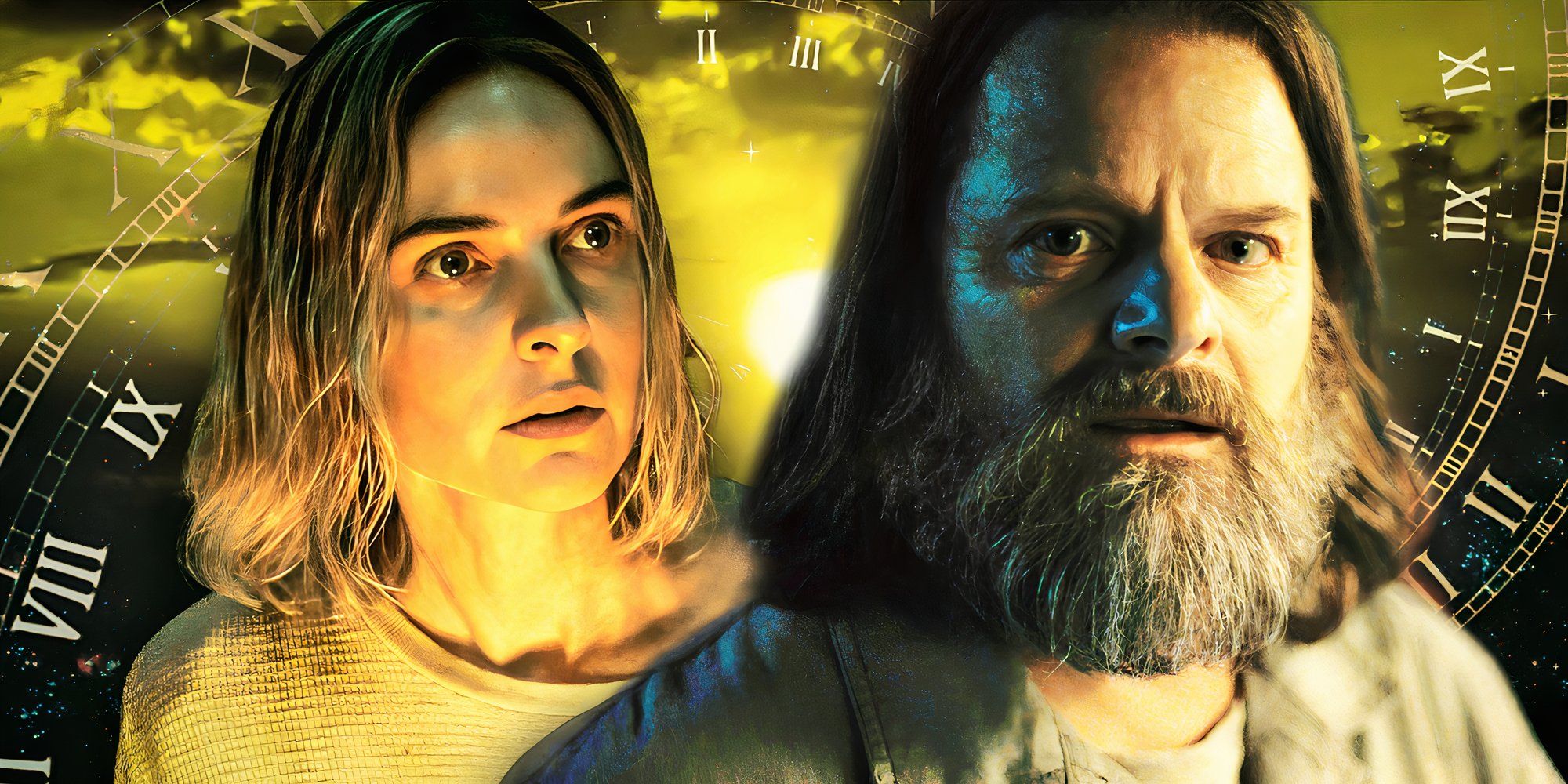
The Ambiguity of Time in a Technologically Controlled Society
The creators of Silo intentionally withhold the specific year, forcing viewers to confront a reality where history itself has been largely erased or rewritten. This isn’t merely a narrative device; it’s a stark commentary on the fragility of digital records and the power structures that can weaponize information control.
The Deliberate Erasure of Digital History
Within the Silo, the past is not merely forgotten; it has been systematically purged. Digital archives are heavily curated, with any information preceding “the Rebellion” deemed forbidden. This act of digital erasure highlights a critical concern in our increasingly digital world: the vulnerability of historical truth to intentional deletion or alteration. Imagine a scenario where central authorities control all digital repositories—social media, news archives, academic journals. The Silo demonstrates the chilling effectiveness of such a system, where collective memory is precisely engineered, and genuine inquiry into the past is branded as sedition. This scenario pushes us to consider the long-term reliability of cloud storage, decentralized ledgers, and open-source movements as potential bulwarks against such pervasive historical manipulation. The Silo’s struggle for truth underscores the inherent challenges in authenticating and preserving digital records against powerful, centralized control.
Centuries of Self-Sustaining Tech: An Engineering Marvel and Challenge
Regardless of the precise year, the Silo has clearly endured for many centuries. This longevity points to an incredible feat of engineering and technological foresight. The sheer scale of maintaining a closed-loop ecosystem for an unknown number of generations—air purification, water recycling, food production, waste management, and power generation—speaks to an advanced level of scientific and technical mastery that likely predates the current inhabitants by millennia. Yet, this long-term stability presents its own set of technological dilemmas. How does one maintain complex systems when the original engineers are long dead, and the blueprints are lost or misunderstood? The series frequently hints at the constant struggle to repair aging machinery, scavenge for parts, and understand arcane technical manuals, illustrating the real-world challenges of sustaining legacy infrastructure. It poses questions about built-in obsolescence, the importance of comprehensive documentation, and the critical need for robust maintenance protocols in any long-term technological endeavor.
Surveillance and Digital Control: The Silo’s Technological Backbones
At its core, the Silo is a highly controlled environment, and technology is the primary enabler of this control. From omnipresent cameras to carefully managed information flows, the technological infrastructure of the Silo serves as both its life support and its ultimate prison.
The Omnipresent Eye: Cameras, Microphones, and Data Collection
Every aspect of life within the Silo is monitored. Cameras are ubiquitous, recording nearly all human interaction and movement. While ostensibly for safety and order, this extensive surveillance infrastructure is a crucial tool for maintaining ideological control. The judicial system, for instance, relies heavily on this collected data to identify and prosecute dissent. This level of pervasive monitoring raises fundamental ethical questions about privacy in a technologically advanced society. In our own world, the proliferation of CCTV, smart home devices, and always-on personal tech collects vast amounts of data. The Silo serves as a stark warning of how such data, even collected with good intentions, can be aggregated and weaponized to suppress individual liberty and enforce conformity. The perceived safety provided by constant oversight comes at the profound cost of personal freedom and genuine self-expression.
Information Gatekeepers: The Role of Servers and IT in Maintaining the Narrative

The IT department in the Silo is arguably the most powerful faction, controlling access to nearly all external and historical information. They manage the “view” of the outside world presented on public screens, curate the database of acceptable history, and control communication channels. This role as information gatekeepers highlights the critical importance of digital infrastructure in shaping perception and maintaining power in a technologically dependent society. In an era dominated by social media algorithms, search engine rankings, and curated news feeds, the Silo’s IT department provides a chilling analogy. The ability to filter, censor, and present a carefully constructed reality through digital platforms is a power that can dictate societal norms, political beliefs, and even individual identity. The struggle of characters like Juliette Nichols to access unfiltered data, to see the “real” view, underscores the vital importance of digital transparency and the dangers of allowing a single entity to control the flow of information.
The Fictional Tech of Silo: Lessons for Real-World Development
The speculative technologies and systems depicted in Silo, while fictional, offer profound insights and warnings for contemporary technological development, particularly concerning automation, virtual realities, and ethical design.
Sustainable Living vs. Human Rights in an AI-Managed Environment
The long-term survival of the Silo implies a high degree of automation and potentially AI-driven management. From climate control to resource allocation, sophisticated systems must operate with minimal human intervention for centuries. This scenario prompts reflection on the future of AI in resource management and societal governance. While AI promises efficiency and optimization for sustainable living, the Silo illustrates the inherent risks when such systems are designed without robust ethical oversight or human-centric fail-safes. The question arises: at what point does technological efficiency in sustaining life infringe upon fundamental human rights and autonomy? If AI dictates every aspect of existence for the collective good, does individual freedom become an acceptable casualty? The series challenges us to consider how we design autonomous systems to balance societal benefit with individual liberty, ensuring that technology remains a tool for human flourishing, not a mechanism for subtle subjugation.
Beyond the Screen: Virtual Reality and Information Warfare
The “view” of the desolate, toxic outside world, perpetually displayed on the Silo’s central screen, functions as a powerful form of virtual reality and information warfare. It is a fabricated reality, designed to keep inhabitants safely contained by instilling fear of the unknown. This masterfully crafted deception serves as a metaphor for the potential of immersive digital experiences to manipulate perception on a grand scale. In our contemporary world, advancements in virtual reality (VR), augmented reality (AR), and deepfake technologies present similar ethical quandaries. The ability to create convincing, yet entirely synthetic, realities could be leveraged for unprecedented levels of propaganda or misinformation. The Silo starkly illustrates the psychological impact of such digital illusions, demonstrating how a pervasive and believable false narrative, delivered through advanced display technology, can control an entire population’s worldview and aspirations.
Deciphering the Past to Predict the Future: A Technological Quest
The quest for truth within Silo is fundamentally a technological one. It involves recovering lost data, understanding ancient systems, and discerning genuine information from sophisticated digital lies. This mirrors many real-world challenges in cybersecurity, digital forensics, and historical reconstruction.
Legacy Systems and Data Recovery: The Challenge of Ancient Hardware
Much of the forbidden knowledge within Silo is stored on antiquated hard drives and physical media, requiring specialized (and often rediscovered) technology to access. This struggle to retrieve data from legacy systems resonates with modern challenges in digital archiving and forensic data recovery. As technology rapidly evolves, older data formats and storage devices quickly become obsolete. Ensuring long-term data accessibility requires proactive migration strategies and the preservation of specialized hardware and software. The Silo’s characters’ efforts to coax information from failing drives and operate unfamiliar machines highlight the critical importance of digital archeology and the continuous effort required to prevent our own digital past from becoming as inscrutable as the Silo’s.

The Digital Divide: Access to Knowledge as a Power Structure
Throughout the series, access to true information—the unedited digital records, the actual “view” of the outside, and the functioning mechanisms of the Silo itself—is tightly controlled by a select few. This creates a severe digital divide, where knowledge is power, and that power is wielded to maintain the established order. The “relics” that characters like Juliette investigate often represent fragments of this lost digital knowledge. In a world increasingly reliant on digital literacy and access to online resources, the Silo offers a cautionary tale about the societal implications of an information-rich elite dictating terms to an information-poor populace. The fight to bridge this digital divide, to democratize access to information and the tools to understand it, becomes not just a social imperative but a critical aspect of maintaining a free and equitable society in the face of ever-advancing, and potentially controlling, technology.
aViewFromTheCave is a participant in the Amazon Services LLC Associates Program, an affiliate advertising program designed to provide a means for sites to earn advertising fees by advertising and linking to Amazon.com. Amazon, the Amazon logo, AmazonSupply, and the AmazonSupply logo are trademarks of Amazon.com, Inc. or its affiliates. As an Amazon Associate we earn affiliate commissions from qualifying purchases.