
The Apple iPad has evolved significantly since its groundbreaking debut, becoming synonymous with portable computing for millions worldwide. Each new generation brings advancements, often refining performance, display quality, and user experience. For many users, understanding the specific vintage of their device, or one they’re considering, is crucial for assessing its capabilities, longevity, and compatibility with modern software. The iPad 5th generation, a pivotal model in the device’s history, often sparks questions regarding its place in this timeline. To answer directly: The iPad 5th generation was released in March 2017.
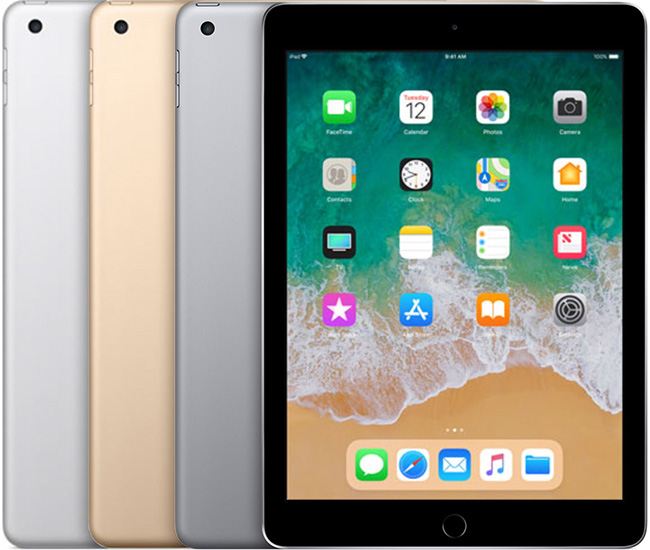
This model marked an important strategic shift for Apple, re-emphasizing affordability and accessibility in its tablet lineup. Rather than pushing the boundaries with cutting-edge features reserved for its Pro series, the 5th generation aimed to deliver a robust iPad experience at a price point that appealed to a broader market, from students and casual users to those seeking a reliable media consumption device. This article will delve into the specifics of this generation, its technological footprint at launch, its legacy, and its continued relevance in today’s rapidly advancing tech landscape.
The iPad 5th Generation’s Grand Entrance
Apple introduced the iPad 5th generation (also referred to by its model numbers A1822 and A1823) with a relatively understated announcement, primarily through a press release, differing from the high-profile launch events typical for its flagship iPhones or Pro iPads. This approach underscored its positioning as a more mainstream, consumer-focused device designed to replace the aging iPad Air 2, offering a significant upgrade in performance while maintaining an attractive price.
A Return to Accessibility
At its core, the iPad 5th generation represented a strategic move to simplify Apple’s tablet offerings. Following the release of the iPad Pro series, which showcased premium features like the Smart Connector and Apple Pencil support (first generation), there was a need for a more straightforward, budget-friendly iPad. The 2017 model filled this gap, effectively replacing the “iPad Air” moniker with a simpler, numbered “iPad” designation. This made it easier for consumers to differentiate between the standard model and the more advanced “Pro” variants. The focus was on delivering a solid, everyday tablet experience without the premium price tag associated with professional-grade features, thereby broadening the iPad’s appeal to a wider demographic and ensuring the ecosystem remained vibrant for entry-level users.
Key Specifications at Launch
Despite its accessible positioning, the iPad 5th generation packed a respectable punch for its time. It featured Apple’s A9 chip, the same powerful processor found in the iPhone 6s and iPhone SE (1st generation). This represented a substantial performance leap over the A8X chip in its predecessor, the iPad Air 2, offering up to 1.8 times faster CPU performance and 2.5 times faster graphics. This made it highly capable of running demanding applications, engaging in casual gaming, and handling multitasking with ease when it was released.
The device retained the familiar 9.7-inch Retina display with a resolution of 2048 x 1536 pixels, providing crisp text and vibrant colors, though it notably lacked the fully laminated display and anti-reflective coating present in the iPad Air 2 and iPad Pro models. It came equipped with an 8-megapixel rear camera and a 1.2-megapixel FaceTime HD front camera, sufficient for casual photography and video calls. Storage options included 32GB and 128GB, and it supported Touch ID for secure authentication. Battery life was a standard 10 hours, consistent with most iPad models. The inclusion of the A9 chip ensured that the iPad 5th generation was well-equipped to handle the iteration of iOS (iOS 10) it launched with, and subsequent major software updates, providing a smooth and responsive user experience for several years.
Understanding Apple’s iPad Naming Conventions and Release Cycles
Apple’s product naming and generation numbering can sometimes appear complex, particularly with the iPad line, which has seen various branding strategies over the years. Understanding these conventions helps clarify the lineage and technological progression of the devices.
The Evolution of the Standard iPad
The iPad journey began in 2010 with the original iPad. This was followed by the iPad 2, iPad (3rd generation), and iPad (4th generation). In 2013, Apple introduced the iPad Air, which marked a significant redesign, making the device thinner and lighter. The iPad Air 2 followed in 2014, continuing this design philosophy. However, with the introduction of the iPad Pro in 2015, Apple’s strategy for the “standard” iPad began to shift. The iPad 5th generation in 2017 saw a return to the simpler “iPad” naming, discarding the “Air” moniker for its entry-level model, while adopting a more budget-friendly approach. This re-established a clear hierarchy: the standard iPad for general consumers, and the iPad Pro for professional users requiring advanced features. This straightforward numbering (iPad 5th gen, 6th gen, etc.) continued for subsequent standard models, making it easier for consumers to track the generational improvements of the core iPad offering.
Deciphering “Generations”
For Apple, a “generation” typically signifies a major internal hardware upgrade, particularly concerning the processor, rather than merely a cosmetic redesign. While new generations often come with external tweaks (thinner bezels, new colors, different ports), the core differentiator is usually the jump to a newer, more powerful system-on-a-chip (SoC). For example, the iPad 5th generation moved from the A8X (in the iPad Air 2) to the A9 chip, indicating a fundamental performance boost. Subsequent generations like the iPad 6th generation (A10 Fusion) and iPad 7th generation (A10 Fusion, larger display) continued this trend. This generational numbering helps consumers understand the performance tier of a device and its likely compatibility with future software, rather than relying solely on the year of release, which can sometimes be misleading given Apple’s staggered product announcements.

The Annual Refresh Cycle (and its Exceptions)
Apple generally aims for an annual refresh cycle for its key product lines, including the iPad, often aligning with their fall or spring events. This allows them to introduce new technologies, incorporate user feedback, and maintain competitive advantages. However, this cycle isn’t always rigid. Some iPad models might see a longer lifespan before an update (e.g., the iPad Air 2 was on the market for over two years before the 5th generation iPad replaced it), while others might get iterative updates more frequently. Factors influencing this include the availability of new chip technology, market demand, strategic positioning, and even global supply chain considerations. The iPad 5th generation’s release in March 2017, slightly off the typical fall schedule for major iPhone announcements, was a clear example of Apple adapting its release strategy to best serve its product portfolio. This flexibility allows Apple to introduce products when they are ready and when market conditions are most favorable, rather than adhering to a strict calendar that might not always align with technological readiness or consumer needs.
The iPad 5th Generation in Retrospect: Legacy and Performance
Seven years after its initial release, the iPad 5th generation sits in a unique position within the Apple ecosystem. While it no longer represents the cutting edge, its design and capabilities at launch provided a solid foundation, allowing it to maintain a degree of usability for specific purposes.
Enduring Performance for Everyday Tasks
The A9 chip, while certainly not on par with modern Apple Silicon (A-series or M-series chips), was a highly capable processor for its time. Even today, for basic tasks, the iPad 5th generation can still deliver an acceptable experience. Browsing the web, checking emails, streaming video content from services like Netflix or YouTube, and managing social media accounts are generally smooth. Light gaming remains feasible, particularly for titles that aren’t graphically intensive. Its performance for these common activities means it can still serve as a reliable secondary device, a dedicated media player, or an entry-level tablet for children or less demanding users. The 9.7-inch display, while lacking some modern enhancements like ProMotion or True Tone, still offers a good viewing experience for general consumption.
Software Updates and Longevity
One of the most significant indicators of a device’s longevity in the Apple ecosystem is its support for major iOS/iPadOS updates. The iPad 5th generation launched with iOS 10 and was compatible with subsequent major updates up to iPadOS 16. This provided a substantial run of operating system support, ensuring users had access to new features, security patches, and application compatibility for a significant period. However, with the release of iPadOS 17 in 2023, the iPad 5th generation reached its end-of-life for major software updates. This means it will no longer receive new OS features or performance enhancements. While it will likely continue to receive critical security updates for some time, the lack of new iPadOS versions can lead to compatibility issues with newer apps that require the latest OS, and potentially expose users to unpatched vulnerabilities in the long term, making it a less secure choice over time.
A Second Life: Refurbished and Entry-Level Market
Despite its age, the iPad 5th generation continues to find a niche in the refurbished and second-hand markets. Its durable build quality and the fundamental iPad experience it offers make it an attractive option for budget-conscious consumers. It’s often sought after as a first tablet for younger children, a dedicated e-reader, a smart home control panel, or a simple browsing device. Educational institutions or small businesses might also find value in deploying these older models for specific, less demanding tasks where cost-effectiveness is paramount. Its continued presence in these markets speaks to the enduring quality of Apple hardware and the desire for accessible technology.
Should You Still Consider an iPad 5th Generation Today?
Deciding whether to acquire or continue using an iPad 5th generation in the current technological climate requires a careful evaluation of its strengths and weaknesses against your specific needs.
Pros: Cost, Simplicity, Basic Functionality
The most compelling argument for the iPad 5th generation today is its cost-effectiveness. On the used or refurbished market, it can be acquired for a very low price, making it an excellent entry point into the Apple tablet ecosystem for those on a tight budget. Its simplicity of use, robust app library (even with older OS versions), and decent battery life make it suitable for basic media consumption (streaming videos, music), web browsing, email, and light productivity tasks. For children, it can be a durable and accessible device for educational apps or entertainment without the risk of damaging a more expensive, newer model. It also maintains the classic iPad design, which many users still appreciate for its familiarity.
Cons: Performance Gaps, Software Limitations, Future-Proofing
The drawbacks, however, are significant when compared to contemporary devices. The A9 chip struggles with demanding applications, complex multitasking, or graphic-intensive games, leading to noticeable slowdowns and longer loading times. The lack of major software updates (post-iPadOS 16) means you will miss out on new features, security enhancements, and compatibility with apps that require newer OS versions. This also impacts future-proofing, as the device will become increasingly obsolete for new software releases. Physically, it lacks modern features like USB-C connectivity, Apple Pencil (2nd Gen) support, Face ID, or the advanced display technologies found in newer iPads. The non-laminated display can also show a slight gap between the glass and the LCD, affecting visual clarity compared to fully laminated screens. For users looking for a primary device, performance for creative work, or a tablet to last several years into the future, the iPad 5th generation falls short.
Alternatives and Upgrades
For those seeking a more capable and future-proof experience, several alternatives exist, often at varying price points.
- Newer Standard iPads: The iPad 9th generation (2021), featuring the A13 Bionic chip, remains Apple’s most budget-friendly new iPad. It offers significantly improved performance, Apple Pencil (1st Gen) support, and a guarantee of several years of software updates. The iPad 10th generation (2022) further updates the design with a larger screen, USB-C, and the A14 Bionic chip, though at a higher price.
- iPad Air Models: If budget allows, an iPad Air (4th or 5th generation) offers a substantial leap in performance (M1 or A14/A12X chips), a more modern design, Apple Pencil 2 support, and a better display, bridging the gap between the standard iPad and the Pro models.
- Refurbished Newer Models: Even refurbished iPad 6th, 7th, or 8th generation models could provide a better balance of performance and cost than the 5th gen, especially for users who need a few more years of software support.
In conclusion, while the iPad 5th generation served its purpose admirably and still holds value for very specific, undemanding use cases, potential buyers today should carefully weigh its extremely low cost against its significant limitations in performance, software support, and modern features. For most users, investing in a newer generation, even if slightly more expensive, will offer a far more satisfying, secure, and long-lasting experience.
aViewFromTheCave is a participant in the Amazon Services LLC Associates Program, an affiliate advertising program designed to provide a means for sites to earn advertising fees by advertising and linking to Amazon.com. Amazon, the Amazon logo, AmazonSupply, and the AmazonSupply logo are trademarks of Amazon.com, Inc. or its affiliates. As an Amazon Associate we earn affiliate commissions from qualifying purchases.