
The term “mid-century” evokes a specific aesthetic and a distinct period in history, often associated with design, architecture, and cultural movements. While its precise boundaries can be fluid, for most discussions, particularly within the realms of design, art, and lifestyle, “mid-century” predominantly refers to the era spanning roughly from the mid-1940s to the late 1960s. This period, emerging from the ashes of World War II and flourishing into the booming prosperity of the post-war decades, witnessed a profound shift in how people lived, worked, and expressed themselves.
The mid-century period wasn’t a sudden declaration but rather a gradual evolution of ideas and styles. It encompassed a confluence of factors, including technological advancements, societal changes, and a desire for a fresh, optimistic outlook. This era is characterized by a departure from the ornate styles of previous generations, embracing instead clean lines, functionalism, and a harmonious integration of form and purpose.

Defining the Mid-Century Timeline: A Period of Transformation
The concept of “mid-century” is not a rigid mathematical division but a cultural and historical designation. To truly understand it, we need to explore the key decades that shaped its identity.
The Immediate Post-War Years: Laying the Foundation (1945-1955)
The conclusion of World War II in 1945 marked a pivotal moment. The world was eager to rebuild, innovate, and move forward. This period saw the initial stirrings of the mid-century aesthetic. The wartime austerity gave way to a desire for comfort, convenience, and a renewed sense of optimism.
- Technological Advancements and Consumerism: The war had spurred significant technological leaps, particularly in materials science and manufacturing. Plastics, plywood, and new metal alloys became more accessible and were embraced by designers for their versatility and affordability. This coincided with a burgeoning consumer culture, fueled by pent-up demand and a growing middle class. New appliances, furniture, and automobiles promised a more comfortable and modern lifestyle.
- Architectural Innovations: The post-war housing boom led to a demand for new architectural styles. Mid-century modern architecture, characterized by its open floor plans, large windows, integration with nature, and functional simplicity, began to take shape. Architects like Frank Lloyd Wright, though influential earlier, continued to inspire, while new voices emerged championing this forward-looking approach.
- The Rise of Scandinavian Design: The influence of Scandinavian design, with its emphasis on natural materials, clean lines, and craftsmanship, became increasingly prominent. This style resonated with the mid-century desire for simplicity and functionality.
The Peak of Mid-Century Influence: The Golden Age (1955-1965)
This decade is often considered the zenith of the mid-century movement. The styles and ideas that emerged in the previous years solidified and reached their most iconic expressions.
- Iconic Design Movements: Mid-century modern design became synonymous with a distinct look and feel. This included furniture with tapered legs, organic shapes, and a blend of natural and man-made materials. Designers like Charles and Ray Eames, Eero Saarinen, and George Nelson created pieces that are still highly sought after today.
- Cultural Flourishing: The mid-century era was a time of significant cultural output. Television became a dominant medium, influencing home design and entertainment. Pop art emerged, challenging traditional artistic norms with its bold colors and everyday subject matter. The space race captured the imagination, fueling an interest in futuristic themes and aesthetics.
- Suburban Expansion and Lifestyle: The rise of the suburbs profoundly shaped mid-century life. This led to the development of new housing types and a focus on family-oriented living. The mid-century home was designed to be both functional and aesthetically pleasing, reflecting a desire for a modern, yet comfortable, domestic environment.
The Waning Years and Transition: Shifting Tastes (1965-1975)
As the 1960s drew to a close and the 1970s began, the aesthetic sensibilities that defined mid-century started to evolve. While elements of mid-century design continued to be influential, new trends emerged, signaling a shift away from its dominant position.
- The Rise of Counterculture and New Aesthetics: The counterculture movement of the late 1960s brought about a rejection of established norms and a move towards more expressive, psychedelic, and individualistic styles. This contrasted with the structured and functional ideals of mid-century modernism.
- Economic and Societal Shifts: Economic fluctuations and changing social dynamics also contributed to the evolution of design and lifestyle. The optimism of the post-war boom began to temper, leading to different priorities and aesthetic preferences.
- Legacy and Nostalgia: While the “peak” mid-century period may have concluded, its influence has proven enduring. The appreciation for mid-century design has seen significant revivals, with collectors and enthusiasts actively seeking out original pieces and celebrating the era’s enduring appeal. This sustained interest solidifies the idea that “mid-century” is not just a fleeting trend but a significant chapter in design and cultural history.
The “Mid-Century” Designation: Beyond the Calendar
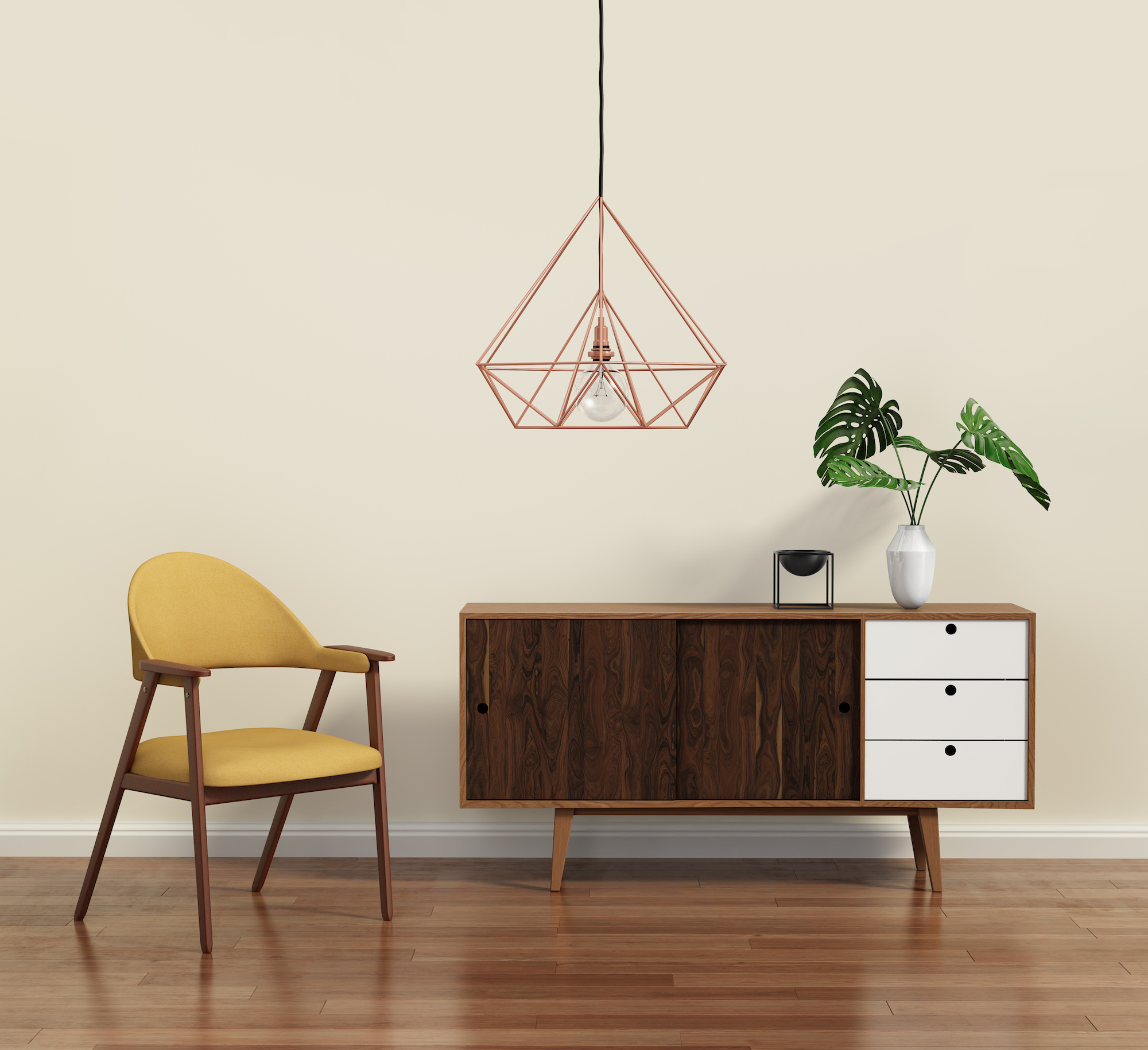
Understanding the chronological boundaries of “mid-century” is crucial, but it’s equally important to recognize that the term carries broader connotations beyond mere dates.
The Spirit of Optimism and Innovation
At its core, “mid-century” represents a period of profound optimism and a fervent belief in progress. The world had overcome a devastating global conflict and was looking towards a brighter future. This optimism manifested in a willingness to experiment, embrace new technologies, and challenge conventional thinking.
- Forward-Thinking Design: Mid-century design was inherently forward-looking. It rejected the embellishments of the past in favor of clean, functional forms that were intended to serve the needs of a modern society. This included innovative uses of materials, efficient spatial planning, and a focus on user experience.
- Technological Integration: The era embraced technological advancements not as mere tools, but as integral components of a modern lifestyle. From the burgeoning influence of television in the home to the sleek designs of automobiles, technology was seen as a force for good, promising to improve lives and expand possibilities.
- A Sense of Possibility: There was a palpable sense of possibility during this time. The economic boom allowed for greater personal and societal investment in innovation and creativity. This fostered an environment where new ideas in art, design, architecture, and even social structures could flourish.
Key Characteristics Defining Mid-Century Aesthetics
While the timeline provides a framework, it’s the distinctive characteristics that truly define the mid-century aesthetic and make it recognizable.
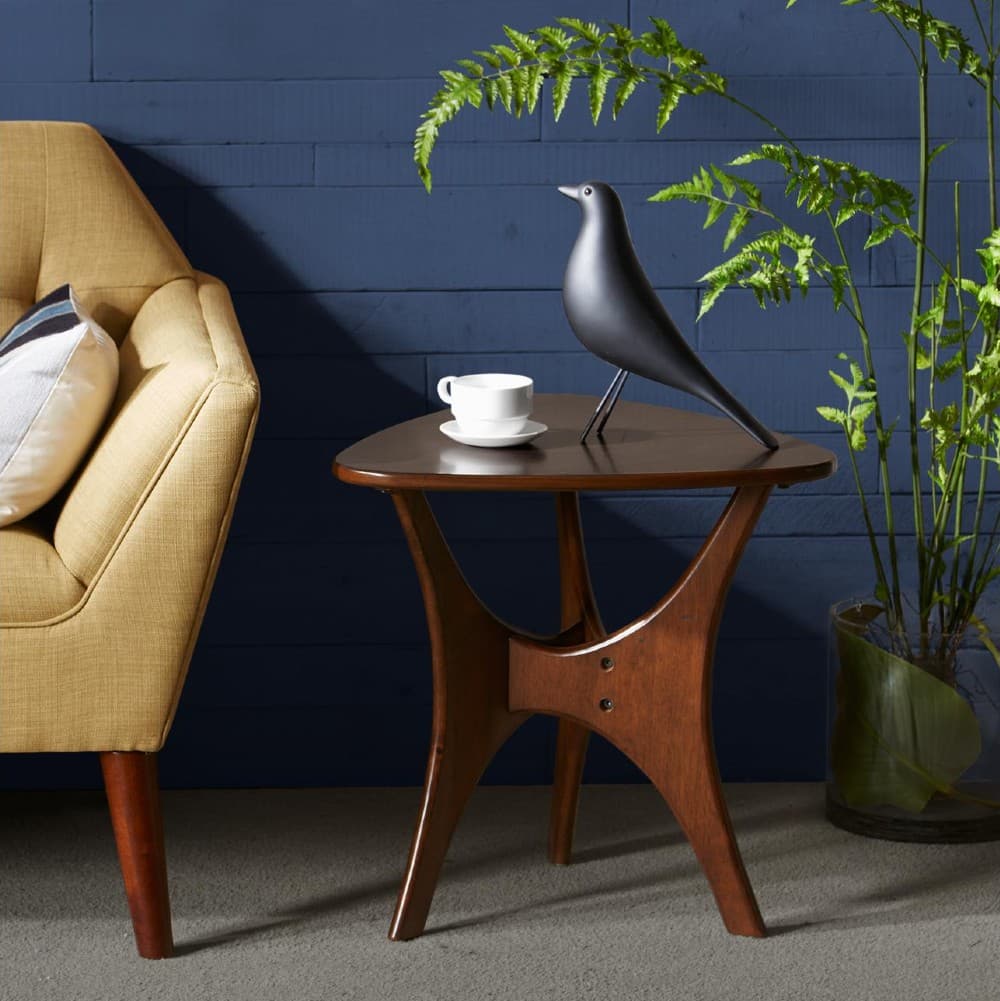
- Clean Lines and Organic Forms: A hallmark of mid-century design is the fusion of geometric simplicity with organic, flowing shapes. Furniture might feature sharp, clean lines but be softened by rounded edges or ergonomic curves. This duality created a sense of balance and visual interest.
- Functionalism and Minimalism: The principle of “form follows function” was paramount. Mid-century designers aimed to create objects and spaces that were not only beautiful but also practical and efficient. This often translated into minimalist approaches, stripping away unnecessary ornamentation to emphasize inherent utility.
- Integration of Indoor and Outdoor Living: A significant architectural and design trend was the seamless blending of indoor and outdoor spaces. Large windows, sliding glass doors, and the use of natural materials like wood and stone were employed to connect homes with their natural surroundings. This reflected a desire for a more integrated and harmonious lifestyle.
- Vibrant Color Palettes and Natural Materials: While often associated with earthy tones and natural wood, mid-century design also embraced bold, vibrant color palettes. Turquoise, avocado green, mustard yellow, and burnt orange were popular choices, adding personality and a sense of playful sophistication. This was often balanced with the use of natural materials like teak, walnut, and oak, creating a rich textural contrast.
- The Eames Influence and Beyond: The work of Charles and Ray Eames stands as a quintessential example of mid-century innovation. Their “Eames Lounge Chair and Ottoman,” “Molded Plastic Chairs,” and architectural contributions embody the era’s spirit of practicality, aesthetic appeal, and forward-thinking design. Beyond the Eames, designers like George Nelson, Florence Knoll, and Harry Bertoia contributed significantly to shaping the mid-century landscape.
Why the “Mid-Century” Designation Endures
The continued relevance and popularity of “mid-century” underscore its significant impact on contemporary design and culture.
Enduring Aesthetic Appeal and Timelessness
The principles that guided mid-century design – functionality, simplicity, and thoughtful aesthetics – have proven to be remarkably timeless.
- Adaptability to Modern Living: Mid-century furniture and architectural styles are often surprisingly adaptable to modern homes and lifestyles. Their clean lines and uncluttered forms can complement a wide range of existing décor.
- Investment in Quality: Many mid-century pieces were built to last, utilizing high-quality materials and craftsmanship. This inherent durability contributes to their enduring appeal and value.
- A Counterpoint to Ephemeral Trends: In an era often characterized by rapid technological change and fleeting consumer trends, mid-century design offers a sense of stability and enduring quality. Its focus on timeless principles provides a welcome contrast to the disposable nature of some contemporary products.
The Cultural Resonance of the Era
Beyond its aesthetic merits, the mid-century period resonates with a broader cultural narrative that continues to capture the imagination.
- Nostalgia for a Simpler Time: For many, the mid-century evokes a sense of nostalgia for a perceived simpler, more optimistic time. This sentiment, while perhaps romanticized, contributes to the appeal of its associated aesthetics.
- A Symbol of Post-War Optimism: The mid-century represents a period of significant societal and economic recovery and growth. Its cultural output often reflects a belief in progress and the potential for a better future, a message that remains compelling.
- The Foundation for Contemporary Design: Many principles and techniques pioneered during the mid-century era have become foundational to contemporary design. The emphasis on user-centered design, sustainable practices (though not termed as such then), and the integration of technology continue to influence designers today.
In conclusion, while the specific years associated with “mid-century” are generally understood as the period between the mid-1940s and the late 1960s, its true essence extends beyond a mere chronological marker. It represents a distinct era of optimism, innovation, and a profound shift in design philosophy that continues to inspire and resonate with us today. The clean lines, functional forms, and the spirit of forward-thinking that define this period ensure its enduring legacy.
aViewFromTheCave is a participant in the Amazon Services LLC Associates Program, an affiliate advertising program designed to provide a means for sites to earn advertising fees by advertising and linking to Amazon.com. Amazon, the Amazon logo, AmazonSupply, and the AmazonSupply logo are trademarks of Amazon.com, Inc. or its affiliates. As an Amazon Associate we earn affiliate commissions from qualifying purchases.