
Blade Runner, a film that redefined the science fiction genre, is more than just a detective story; it’s a meticulously crafted vision of a not-so-distant future, drenched in neon and perpetually raining. For decades, cinephiles, tech enthusiasts, and philosophers alike have dissected its intricate world, its moral quandaries, and its breathtaking technological landscape. One of the most fundamental questions, often asked by those encountering the film for the first time or revisiting its lore, is its temporal anchor: what year is Blade Runner set in?
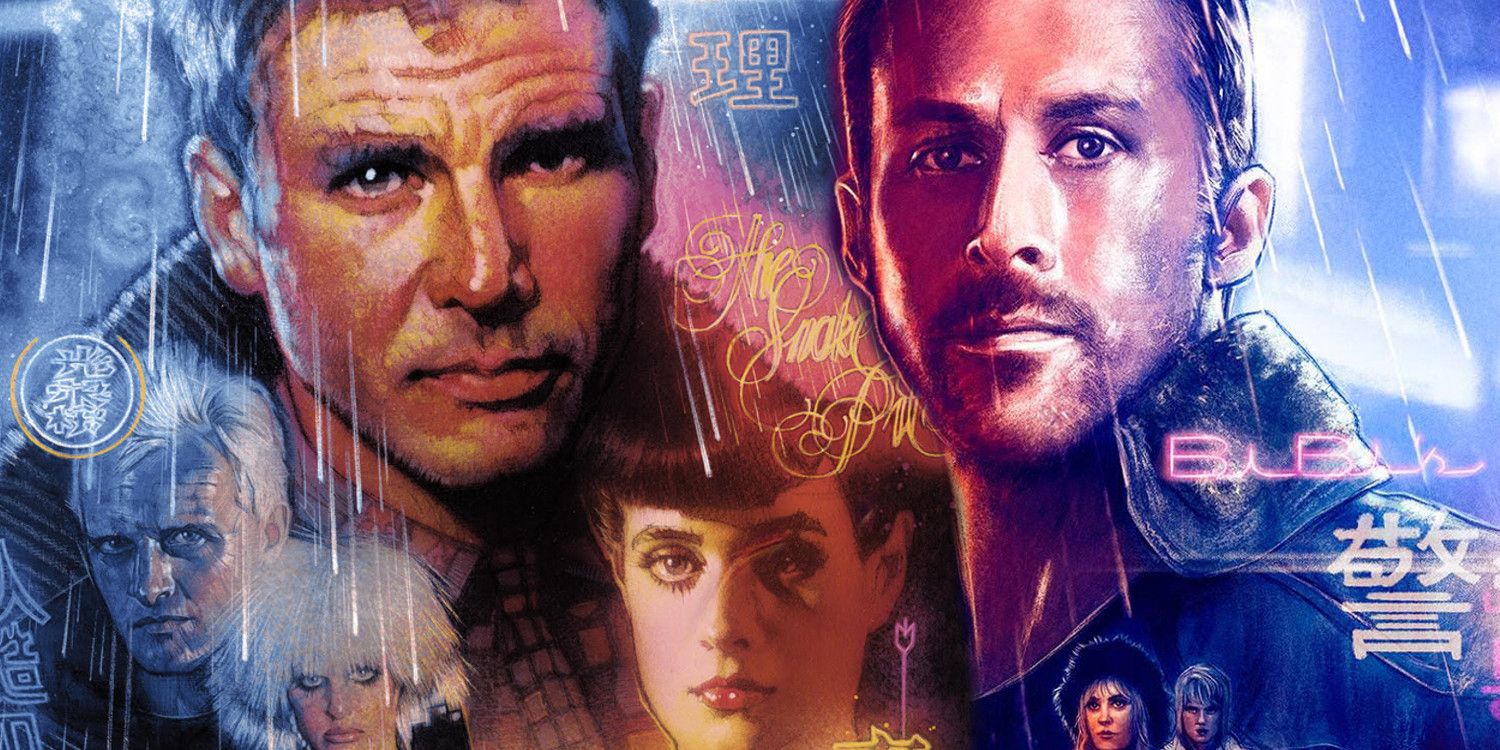
The answer, deceptively simple, unlocks a deeper appreciation for the film’s profound influence on our understanding of technology, AI, and the very definition of humanity. The original 1982 masterpiece, directed by Ridley Scott, places its neo-noir narrative in November 2019. Its highly anticipated sequel, Blade Runner 2049, released in 2017, pushes the timeline forward to, as its title suggests, 2049. While these dates now exist in our past or very near future, the technological predictions and ethical dilemmas they presented remain startlingly relevant, serving as both a cautionary tale and a wellspring of inspiration for contemporary tech development.
The Dystopian Future of 2019: A Technological Prophecy?
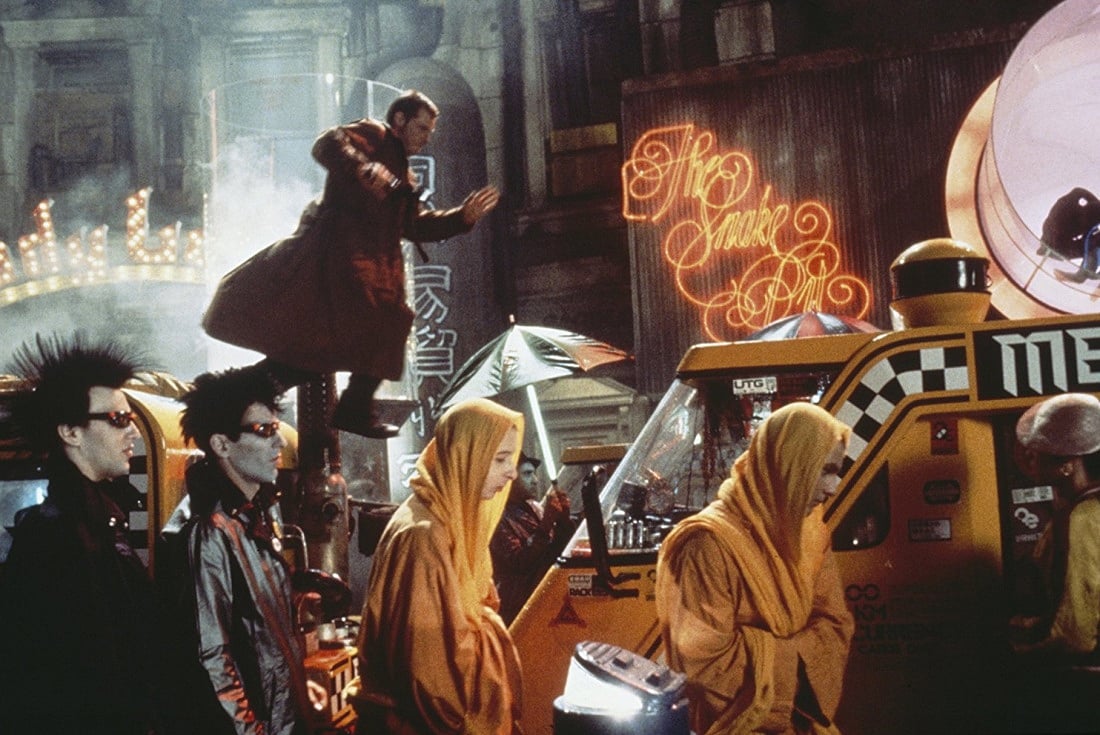
When Ridley Scott’s Blade Runner first graced screens in 1982, the year 2019 seemed like an impossibly distant future. The film painted a grim, yet captivating, picture of Los Angeles: a sprawling, overcrowded megalopolis perpetually shrouded in darkness and rain, illuminated by towering digital billboards and the glow of vehicle exhaust. The technology depicted was not sleek, sterile, or utopian; it was gritty, functional, and deeply integrated into a society teetering on the brink of collapse.
Pinpointing the Original Film’s Timeline
The exact date, November 2019, is prominently displayed in the film, providing a concrete reference point for its groundbreaking vision. This specific year was chosen to represent a plausible, yet exaggerated, extension of early 1980s technological trends and societal anxieties. In 2019, humanity had achieved astounding feats in bio-engineering, space colonization, and artificial intelligence, yet these advancements were juxtaposed against environmental decay, social stratification, and profound existential questions. The original film’s setting challenged audiences to consider not just what technology could achieve, but how it would reshape society and our moral compass.
The Nexus-6 Replicants: Apex of Bio-Engineering
At the heart of Blade Runner‘s 2019 is the Nexus-6 generation of Replicants – bio-engineered humanoids indistinguishable from humans, save for their lack of empathy and their programmed four-year lifespan. Manufactured by the powerful Tyrell Corporation, these beings were designed for hazardous off-world colonization and other demanding tasks. They represent the ultimate achievement in synthetic life, blurring the lines between creation and life itself. The ethical implications of their existence, their sentience, and their desperate fight for a longer life drive the film’s central conflict.
From a technological standpoint, the Nexus-6 Replicants embody advanced genetic engineering, sophisticated robotics, and cutting-edge AI. Their ability to learn, adapt, and form complex personalities — even if simulated — posed a profound challenge to human exceptionalism. The Voight-Kampff machine, used to detect Replicants by measuring involuntary empathetic responses, highlights the rudimentary yet critical tests required to distinguish between organic life and highly advanced synthetic entities. This concept resonates strongly with modern discussions surrounding AI ethics, the Turing Test, and the quest to create truly conscious machines.
Everyday Tech in a Neo-Noir World: Spinners and Videophones
Beyond the Replicants, Blade Runner‘s 2019 showcased a plethora of everyday technologies that, while futuristic for 1982, often foreshadowed real-world advancements. The iconic “Spinners” – flying cars that navigated the congested skies of Los Angeles – captured the imagination and set a benchmark for future urban mobility concepts. Though our 2019 didn’t feature widespread flying cars, the film’s emphasis on vertical transportation and multi-layered urban infrastructure remains a key consideration in smart city planning and drone technology.
Other notable technologies included:
- Videophones: Used for communication, these devices predated widespread video conferencing tools like Skype and Zoom by decades, illustrating a prescient understanding of communication trends.
- Giant Digital Billboards: Dominating the skyline, these colossal advertisements reflected a future saturated with pervasive digital marketing, a reality we now experience daily with LED screens and targeted ads.
- Voice-Activated AI: Rick Deckard’s apartment features a sophisticated AI system that responds to voice commands, a clear precursor to modern virtual assistants like Siri, Alexa, and Google Assistant.
- Advanced Data Analysis: The ability to analyze photographs for hidden details and extrapolate information (e.g., examining a single scale to identify a serpent species) highlighted an early understanding of sophisticated digital forensics and pattern recognition, now integral to machine learning and AI image processing.
The grimy, functional nature of this technology, often repaired with visible wires and analogue controls, contributed to the film’s lived-in, believable aesthetic. It wasn’t about pristine innovation; it was about survival and adaptation in a technologically advanced, yet decaying, world.
Blade Runner 2049: Evolving the Tech Landscape and Its Ethical Dilemmas
Thirty years after the events of the original, Blade Runner 2049 presented an even more technologically advanced, yet equally bleak, future. Directed by Denis Villeneuve, the sequel expanded the universe and deepened the philosophical questions surrounding synthetic life, memory, and identity. The world of 2049 is one where the lines between human and machine are almost entirely erased, where even the distinction between manufactured beings and truly living organisms is meticulously blurred.
Advancements in AI and Synthetic Beings
By 2049, the Tyrell Corporation has collapsed, replaced by the Wallace Corporation, which now produces a new, compliant generation of Replicants. These “Nexus-8” models are designed with open-ended lifespans and are integrated into society as workers, companions, and soldiers. The film introduces Joi, a highly advanced holographic AI companion designed for emotional attachment and personalized interaction. Joi represents a significant leap in emotional AI, capable of learning, expressing complex emotions, and even simulating physical presence, pushing the boundaries of what constitutes a relationship.
This evolution highlights the accelerating pace of AI development and its pervasive integration into human lives. Joi forces viewers to consider the nature of companionship, the reality of virtual love, and the potential for AI to fulfill fundamental human needs, raising questions about whether such relationships are authentic or merely sophisticated simulations. The film posits a world where AI is not just a tool, but an entity with its own evolving desires and existential dilemmas, further complicating the definition of consciousness.
Environmental Degradation and Technological Mitigation
The 2049 world is even more environmentally devastated than 2019, with vast stretches of California turned into contaminated wasteland. Yet, technology also plays a role in mitigation and survival. Large-scale indoor farms, sophisticated recycling plants, and climate-controlled urban centers showcase humanity’s desperate attempts to manage the ecological fallout of unchecked industrialization. This aspect of the film underscores the dual nature of technology: both a cause of environmental problems and a potential, albeit insufficient, solution. It highlights concerns about sustainable development, climate change resilience, and the role of engineering in preserving a livable planet.
Surveillance and Data Overreach in a Digitized World
The world of 2049 is also one of omnipresent surveillance. Wallace Corporation maintains tight control over information, manufacturing, and even societal narratives. The film depicts advanced drone technology for monitoring, sophisticated data analysis for tracking individuals, and the manipulation of historical records. This pervasive oversight reflects modern anxieties about government and corporate surveillance, data privacy, and the potential for technology to be used for control and suppression. Blade Runner 2049 warns against a future where personal data is the ultimate currency and digital footprints are meticulously tracked, a theme increasingly pertinent in our hyper-connected world.
The Technological Legacy: How Blade Runner Influenced Real-World Tech & Design
The Blade Runner universe, across both films, didn’t just predict technology; it actively shaped the imagination of engineers, designers, and creators. Its aesthetic and thematic concerns have left an indelible mark on various aspects of the technology sector.
UX/UI Design and Cyberpunk Aesthetics
The visual language of Blade Runner, characterized by layered neon lights, gritty urban decay, holographic projections, and stark user interfaces, became the blueprint for the “cyberpunk” aesthetic. This visual style has profoundly influenced the user experience (UX) and user interface (UI) design in video games (e.g., Cyberpunk 2077), films, and even real-world applications. The film’s depiction of data visualization, interactive screens, and heads-up displays offered a tangible, if stylized, glimpse into future computing environments, inspiring countless designers to push the boundaries of digital interaction.
Predictive Policing and AI Ethics in Reality
The film’s core premise – tracking and “retiring” rogue Replicants – can be seen as a dramatic extrapolation of predictive policing and AI-driven surveillance. In our current reality, algorithms are increasingly used to identify potential crime hotspots and even profile individuals. Blade Runner serves as a powerful ethical case study, prompting discussions about bias in AI, the dangers of overreliance on automated justice systems, and the imperative for transparency and accountability in algorithms that impact human lives. The Voight-Kampff test, though fictional, embodies the real-world challenge of assessing consciousness or even intent through technology.
The Philosophical Debate on AI Sentience and Consciousness
Perhaps Blade Runner‘s most significant technological legacy is its profound contribution to the philosophical debate surrounding artificial intelligence. The film asks: If an AI can feel, dream, and strive for life, is it not alive? If its memories are fabricated, does that negate its consciousness? These questions, once relegated to science fiction, are now at the forefront of AI research. As large language models (LLMs) and advanced robotics become increasingly sophisticated, the lines between simulation and sentience blur further. Blade Runner provided an early and powerful narrative framework for exploring these complex issues, influencing researchers and ethicists to consider the moral implications of creating truly advanced artificial general intelligence (AGI).
Beyond the Screen: Blade Runner’s Enduring Relevance in the Age of AI
The temporal distance between us and the original Blade Runner‘s 2019, and even the sequel’s 2049, has only amplified its relevance. As we navigate an era of unprecedented technological advancement, the film’s speculative fiction feels less like fantasy and more like a mirror reflecting our present and potential futures.
From Science Fiction to Science Fact: Echoes of Blade Runner Today
Many of Blade Runner‘s “futuristic” technologies have found echoes in our present day:
- Advanced Robotics & AI: From humanoid robots like Boston Dynamics’ Atlas to sophisticated conversational AIs, the world is moving closer to creating entities that challenge our definitions of intelligence and autonomy.
- Virtual Reality & Holography: While not yet ubiquitous, VR/AR technologies and nascent holographic displays hint at a future where virtual companions like Joi could become a reality.
- Climate Change & Urban Sprawl: The film’s depiction of an environmentally ravaged Earth and densely packed, polluted cities resonates with current concerns about global warming, urbanization, and sustainable living.
The film’s portrayal of corporations holding immense power, influencing everything from genetic engineering to media, also mirrors contemporary discussions about tech giants and their societal impact.
The Perpetual Question: What Makes Us Human?
Ultimately, Blade Runner‘s technological vision is a vehicle for its deepest philosophical inquiry: what does it mean to be human? Is it our biology, our memories, our emotions, or our capacity for empathy? As AI becomes more sophisticated, capable of replicating human intelligence and even emotional responses, this question becomes increasingly pressing. The film posits that perhaps humanity is not an inherent state but a continuous process, a struggle for meaning and connection in a world increasingly shaped by our own technological creations.
The Future We Are Building: Lessons from a Dystopian Vision
Blade Runner, set in a past that is now our present, and a future that is still unfolding, serves as a crucial lens through which to examine our technological trajectory. It challenges us to consider not just the possibilities of innovation, but its potential pitfalls: the ethical quagmires of advanced AI, the environmental costs of progress, the social implications of synthetic life, and the dangers of unchecked corporate power.
By confronting us with a future where technology is both dazzling and terrifying, Blade Runner compels us to engage actively with the ethical considerations of the technologies we are developing today. It implores us to ask not just “Can we build it?” but “Should we build it?” and “What kind of world will it create?” The specific years—2019 and 2049—may be mere numerical markers, but the technological visions they contain remain timeless warnings and profound inspirations for the ongoing human journey into the age of artificial intelligence.
aViewFromTheCave is a participant in the Amazon Services LLC Associates Program, an affiliate advertising program designed to provide a means for sites to earn advertising fees by advertising and linking to Amazon.com. Amazon, the Amazon logo, AmazonSupply, and the AmazonSupply logo are trademarks of Amazon.com, Inc. or its affiliates. As an Amazon Associate we earn affiliate commissions from qualifying purchases.