
The demographic landscape is shifting beneath the feet of global marketers. As Gen Z matures into the workforce, a new, more enigmatic cohort is coming into focus: Generation Alpha. For brand strategists, the most pressing question isn’t just who these individuals are, but exactly when their era concludes. Understanding what year Gen Alpha ends is not a mere exercise in sociology; it is a critical milestone for long-term corporate identity, product development, and market positioning.
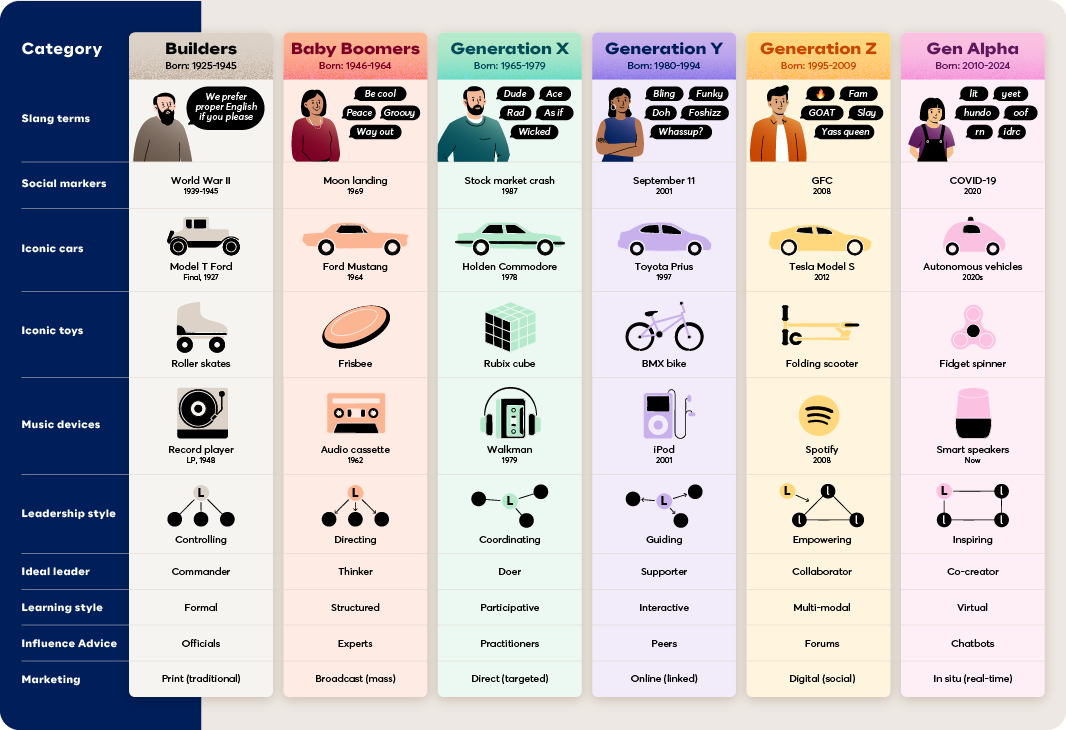
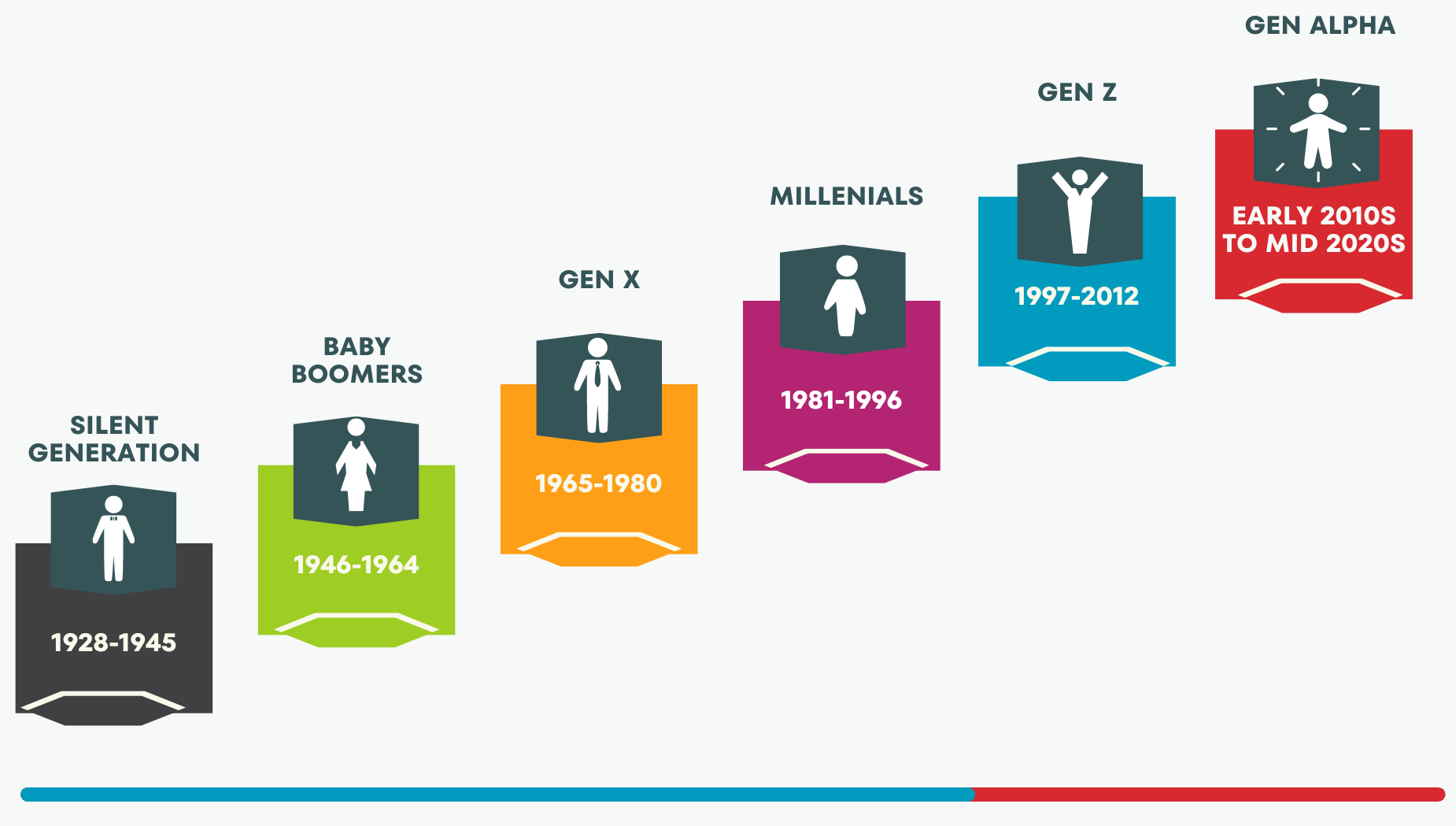
While definitions vary slightly among sociologists, the consensus led by researchers like Mark McCrindle—who coined the term—suggests that Generation Alpha spans from 2010 to 2024. This means that as we approach 2025, we are witnessing the closing of the Gen Alpha window and the birth of the first members of “Generation Beta.” For brands, this transition signifies a deadline to finalize their foundational engagement strategies for a generation that will soon command the largest collective spending power in history.

The Chronological Boundaries of Generation Alpha
To build a robust brand strategy, one must first understand the temporal boundaries of the target audience. Generation Alpha is defined by the 15-year interval following the traditional generational cycle. Starting in 2010—the same year the iPad was launched and Instagram was founded—this cohort is the first to be born entirely within the 21st century.
McCrindle’s Definition and the 2024/2025 Cutoff
Mark McCrindle and his research agency have standardized the generational cohorts into 15-year blocks. Under this model, Generation Alpha ends in late 2024. This consistency allows brands to map out demographic trends with mathematical precision. By the end of 2024, the oldest Alphas will be 14, entering their formative mid-teen years, while the youngest will be newborns.
For brand managers, this 2024 cutoff is essential for “life-stage modeling.” It allows companies to predict when this cohort will hit key consumer milestones, such as obtaining their first smartphone, opening their first bank account, or influencing high-ticket household purchases. Knowing that the generation ends in 2024 means that by 2030, the entire cohort will be in the “active consumer” phase, either as influencers of parental spending or as direct purchasers.
Why the Ending Year Matters for Long-term Planning
The year a generation ends serves as a psychological and strategic “anchor.” When a brand understands that no more Alphas will be born after 2024, they can begin to treat the generation as a finite, measurable segment. This allows for more accurate market penetration analysis.
If your brand strategy is focused on “the youth market,” you must recognize that after 2024, the “youth” starts to bifurcate. You are no longer just talking to Alphas; you are beginning to prepare for the “Beta” arrival. Strategically, this means brands must now shift from “discovery” mode to “optimization” mode regarding Alpha. The window for defining the core characteristics of this group is closing, and the window for capturing their lifelong loyalty is wide open.
Decoding the Gen Alpha Consumer Identity
Gen Alpha is often colloquially referred to as “iPad Kids,” but from a brand strategy perspective, this label is dangerously reductive. Their identity is forged at the intersection of total digital integration and a heightened awareness of global issues. Because they are the children of Millennials, their consumer habits are a refined, more tech-savvy version of their parents’ values.
Beyond “iPad Kids”: The Emergence of the Hyper-Informed Buyer
Gen Alpha is the first generation to have access to the sum of human knowledge via voice command and intuitive interfaces since birth. This has created a “hyper-informed” consumer. Even at the ages of 8 or 10, Alphas are capable of comparing product features, reading reviews (or watching them on YouTube/TikTok), and identifying “cringe” marketing tactics.
For a brand to resonate, it must move beyond traditional advertising. Alphas do not distinguish between the “online” and “offline” worlds; to them, a brand’s digital presence is its reality. Brands that fail to offer utility or entertainment within the first few seconds of interaction are disregarded. The “Brand Identity” for an Alpha consumer is built on functionality and social proof rather than legacy or heritage.
Values-Based Branding: Authenticity as a Non-Negotiable
Growing up in an era of climate anxiety, social justice movements, and the rapid evolution of AI, Gen Alpha possesses a sophisticated moral compass. They are being raised by Millennials who prioritize “clean” labels, ethical sourcing, and corporate responsibility. Consequently, Alphas are likely to be the most “activist” generation of consumers yet.
A brand’s identity must be rooted in genuine purpose. For Gen Alpha, “greenwashing” is easily detected and heavily penalized. They expect brands to have a stance on global issues. Brand strategy for this group involves moving the “Corporate Social Responsibility” (CSR) department from the periphery to the very center of the brand’s narrative. If a brand’s “why” does not align with their vision of a sustainable and equitable future, they will migrate to a competitor that does.
The Evolution of Brand Engagement in a Post-Gen Z Market
The transition from Gen Z to Gen Alpha marks a shift from “social media” to “immersive ecosystems.” While Gen Z pioneered the use of platforms like TikTok, Gen Alpha is native to proto-metaverse environments. This necessitates a total overhaul of how brands conceptualize “engagement.”
From Social Media to Immersive Ecosystems (Roblox, Fortnite)
For Gen Alpha, the primary “social square” is not a feed-based app but a 3D environment. Platforms like Roblox, Minecraft, and Fortnite are where they socialize, learn, and consume. In these spaces, the brand is not an intrusive ad; it is an experience.
Successful brand strategy in these ecosystems involves “co-creation.” Brands like Nike and Gucci have already begun building persistent worlds within Roblox. These are not temporary campaigns but permanent brand outposts where Alphas can interact with the brand’s identity through digital wearables (skins) and interactive games. The key for brands is to stop trying to “interrupt” the content and start “becoming” the content.
The “Glass” Generation: Transparency in Corporate Identity
Because Gen Alpha is so technologically integrated, they have been dubbed the “Glass Generation”—referring to the screens they use, but also the transparency they demand. They have a “built-in” radar for inauthenticity. From a branding perspective, this means that the “behind-the-scenes” is just as important as the product.
Transparency must be baked into the brand’s DNA. This includes everything from radical transparency in pricing to showing the real people behind the corporate logo. Brands that maintain a mysterious or “corporate” veil will struggle to connect. The goal is to build a “liquid brand”—one that is fluid enough to adapt to different platforms but transparent enough that its core values are always visible.
Strategic Pivots: Preparing Your Brand for the 2025 Transition
As the birth years for Gen Alpha conclude in 2024, brands must pivot from reactive observation to proactive engagement. The next five years will be the “Gold Rush” for Alpha loyalty. Those who establish themselves as “Alpha-native” brands now will enjoy the same long-term benefits that brands like Apple or Nike enjoyed by capturing the hearts of previous generations.
Phygital Experiences: Bridging the Physical and Digital Gap
The future of brand strategy lies in the “phygital”—the seamless integration of physical products with digital extensions. For Gen Alpha, a physical toy or garment is only half of the purchase; the digital twin or the augmented reality (AR) experience that comes with it completes the value proposition.
Brands should invest in AR packaging, NFC-enabled clothing, and digital loyalty programs that reward real-world actions with in-game currency or digital assets. This approach treats the brand as a holistic ecosystem rather than a series of disconnected touchpoints. By bridging this gap, brands can maintain a constant presence in the lives of Gen Alpha, whether they are in the physical classroom or a digital lobby.
Longevity and Loyalty in the Age of Constant Algorithmic Change
The greatest challenge in marketing to a generation that ends in 2024 is the speed of technological obsolescence. What is popular today may be “ancient” by the time the last Alpha turns 18. Therefore, brand strategy must focus on “core emotional resonance” rather than specific platform trends.
Building brand loyalty with Gen Alpha requires a commitment to constant evolution. Brands must be willing to cannibalize their own successful products to stay ahead of the curve. The focus should be on building a community around the brand identity. If a brand can foster a sense of belonging, it can transcend the platforms. Whether the interaction happens through a headset, a mobile screen, or a physical storefront, the “Brand Feeling” must remain consistent.
Conclusion: The 2024 Deadline
As we reach the conclusion of the Generation Alpha birth years in 2024, the mandate for brands is clear. This is not a “future” demographic; they are the current influencers and the immediate future of the global economy. By understanding the 2010–2024 timeframe, brand strategists can better segment their efforts, moving away from broad-stroke marketing and toward precise, values-driven, and immersive brand experiences. The brands that win the “Alpha Era” will be those that realize the generation is not just using technology—they are redefining what it means to be a consumer in a digital-first world. The clock to 2025 is ticking; is your brand ready for the Alphas to grow up?
aViewFromTheCave is a participant in the Amazon Services LLC Associates Program, an affiliate advertising program designed to provide a means for sites to earn advertising fees by advertising and linking to Amazon.com. Amazon, the Amazon logo, AmazonSupply, and the AmazonSupply logo are trademarks of Amazon.com, Inc. or its affiliates. As an Amazon Associate we earn affiliate commissions from qualifying purchases.