
The question, “What year did the movie Scream come out?” is more than a simple trivia query; it’s a testament to the enduring power of a meticulously crafted and strategically managed brand. For those wondering, the original Scream film burst onto the cinematic scene on December 20, 1996. This seemingly innocuous date marks the genesis of a cultural phenomenon, a horror franchise that not only redefined its genre but also established itself as a remarkably resilient and recognizable brand in the competitive entertainment landscape.

In an age where media brands flicker in and out of relevance with increasing speed, Scream‘s ability to consistently capture public imagination for over a quarter-century offers invaluable lessons in brand strategy, audience engagement, and the art of maintaining relevance. This article delves into how Scream, from its initial release to its most recent iterations, successfully built and sustained a compelling brand identity that continues to resonate with both new audiences and loyal fans.
The Genesis of a Horror Icon: Establishing the Scream Brand Identity
The birth of any successful brand hinges on its initial identity – what it stands for, how it differentiates itself, and the unique experience it promises. For Scream, this foundational period in the mid-1990s was crucial in carving out a distinct niche that would define its legacy.
The 1996 Release: A Cultural Phenomenon
The horror genre in the early 1990s was largely suffering from a malaise, characterized by formulaic slashers and diminishing returns. Audiences craved something fresh, intelligent, and self-aware. Enter Scream, a film that understood the genre’s tropes so intimately it could playfully deconstruct them while simultaneously delivering genuine scares. Directed by horror maestro Wes Craven and written by the brilliant Kevin Williamson, Scream didn’t just tell a story; it commented on the telling of stories. This meta-narrative approach was its unique selling proposition (USP), instantly setting it apart.
The film’s premise – a serial killer, Ghostface, terrorizing high school students who are acutely aware of horror movie clichés – resonated deeply. It acknowledged the audience’s sophistication, inviting them to be in on the joke while still feeling the dread. This intelligent, ironic, yet terrifying blend became the core of the Scream brand voice: smart, suspenseful, and surprisingly funny. It wasn’t just a horror movie; it was a horror movie about horror movies, a revolutionary concept that captured the zeitgeist and breathed new life into a stagnant genre. The success of the 1996 film was not merely box office deep; it was a profound statement on brand positioning and market differentiation.
Visuals and Marketing: Crafting the Ghostface Persona
A strong brand identity requires more than just a unique concept; it demands iconic visuals and compelling marketing. For Scream, the immediate and enduring symbol of its brand is Ghostface. The costume, designed by Brigitte Sleiertin for the film (though inspired by Fun World’s “Peanut-Eyed Ghost” mask), is simple yet terrifyingly effective. Its universality – an anonymous, cloaked figure with a distorted, elongated scream for a face – made it instantly recognizable and deeply unsettling. Ghostface became more than just a villain; it became the personification of the Scream brand: mysterious, menacing, and an embodiment of classic horror tropes with a modern twist.
The marketing campaigns for the original film were equally instrumental. Posters featuring the iconic mask, often coupled with unsettling taglines, created immediate intrigue. Trailers skillfully blended suspense with hints of the film’s meta-humor, promising a different kind of horror experience. Word-of-mouth, fueled by enthusiastic critical reception and audience buzz, acted as an organic marketing engine, propelling the film into mainstream consciousness. The combined effect of a fresh narrative, an unforgettable visual icon, and astute promotional strategies cemented Scream‘s brand identity as a sophisticated, thrilling, and ultimately, a must-see horror event.
Sustaining the Brand: Evolution, Adaptation, and Fan Engagement
Establishing a strong brand is only half the battle; sustaining it over decades requires continuous evolution, adaptation to changing tastes, and a deep understanding of audience loyalty. Scream has demonstrated remarkable agility in this regard, transitioning from a singular film into a multi-faceted franchise.
Franchise Building: Sequels as Brand Reinforcement
The success of Scream in 1996 naturally led to sequels, a common but challenging aspect of brand extension in entertainment. The critical task was to reinforce the core brand values – the meta-commentary, the suspense, the who-dunnit structure – while finding new ways to surprise and engage the audience. Scream 2 (1997) masterfully continued this, examining the “rules” of sequels themselves. Scream 3 (2000) delved into the world of Hollywood, and Scream 4 (2011) explored the impact of social media and reboots. Each installment attempted to evolve the narrative and incorporate contemporary cultural anxieties, albeit with varying degrees of critical and commercial success.
Crucially, the sequels reinforced the idea that Scream was a franchise that reflected on its own existence. This self-awareness became a cornerstone of its brand promise. While some sequels were more beloved than others, they all consistently featured the iconic Ghostface, the surviving original characters (Sidney Prescott, Gale Weathers, Dewey Riley), and the fundamental “rules” of horror, ensuring brand continuity even as the specific plots diversified. This strategic brand reinforcement kept the franchise relevant and recognizable for over a decade.
Beyond the Silver Screen: Expanding the Scream Universe
A truly robust brand isn’t confined to its original medium. Scream successfully expanded its universe, demonstrating its adaptability across various platforms. This included a television series (MTV’s Scream, 2015-2019), which reimagined the concept for a new generation; extensive merchandise, ranging from Ghostface masks to action figures; and even nods in popular culture, video games, and theme park attractions.
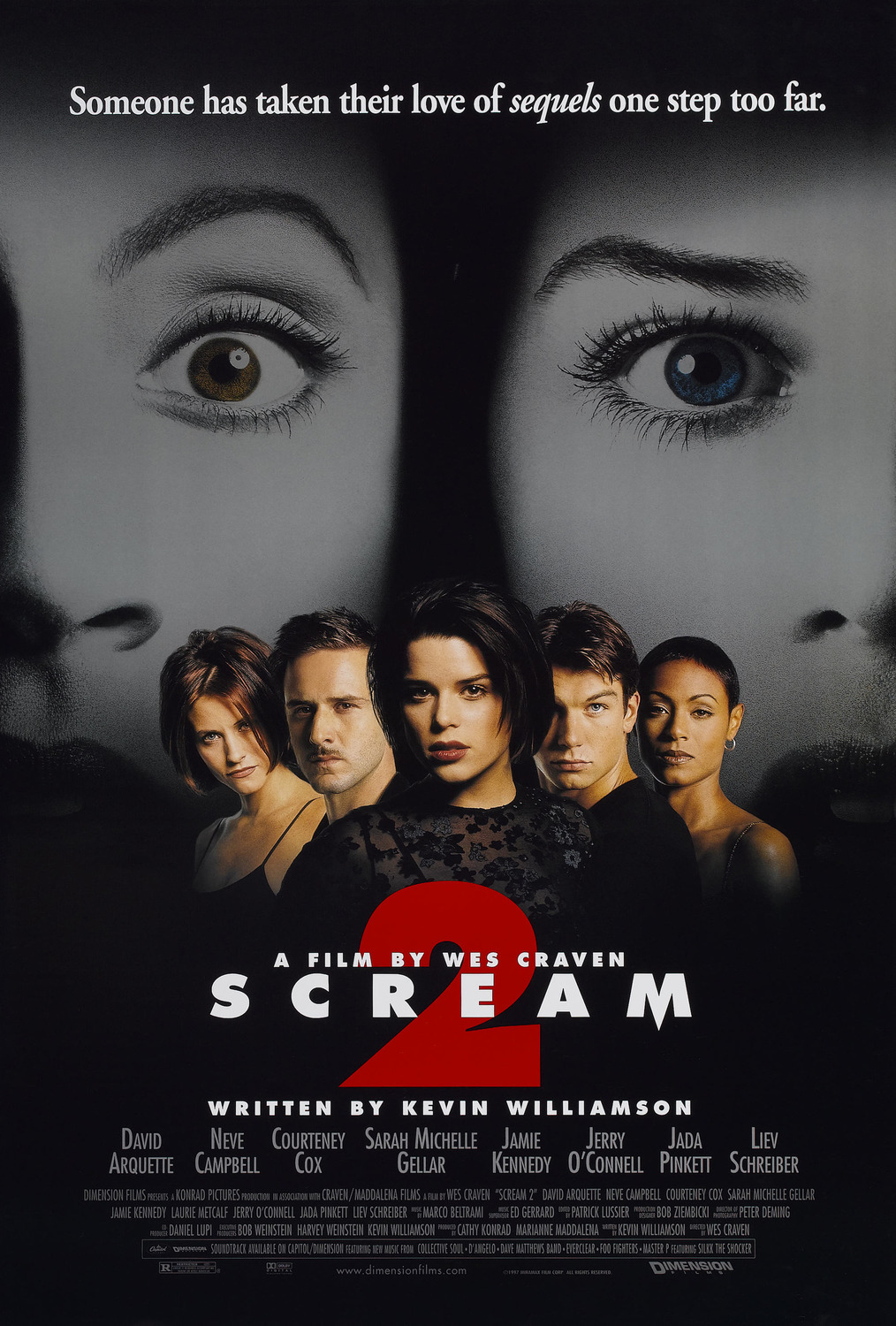
These diversified brand touchpoints allowed Scream to reach broader demographics and maintain visibility outside of cinematic releases. Each expansion, while sometimes taking creative liberties, still carried the essence of the Scream brand: mystery, horror, and a degree of self-referential wit. This strategic diversification ensured that the brand remained active and accessible, fostering a stronger connection with its audience across different consumption habits and preferences.
The Role of Nostalgia and Reboots in Brand Revival
After a decade-long hiatus following Scream 4, the franchise experienced a significant revival with the release of Scream (2022) and Scream VI (2023). These films expertly leveraged nostalgia for the original, bringing back beloved legacy characters while introducing a new generation of protagonists. This “requel” (reboot-sequel) strategy is a sophisticated brand maneuver, appealing to long-time fans with familiar faces and thematic echoes, while simultaneously attracting new, younger audiences who appreciate the updated aesthetics and contemporary social commentary.
The 2022 and 2023 films were not just retreads; they evolved the brand by exploring themes like “toxic fandom” and the nature of legacy sequels themselves, once again showcasing Scream‘s meta-commentary at its best. This careful balance of honoring the past and embracing the future has been key to the brand’s remarkable resurgence, proving that a well-managed brand can not only endure but also reinvent itself for continued success.
The Anatomy of a Durable Brand: Lessons from Scream
Scream‘s journey from a single film in 1996 to a multi-generational franchise offers several crucial insights into what makes a brand durable and beloved.
Consistency in Core Messaging and Aesthetic
Despite its many iterations, the Scream brand has maintained remarkable consistency in its core messaging and aesthetic. The iconic Ghostface mask, the voice modulator, the opening phone call sequence, the whodunnit mystery, and the underlying meta-commentary on horror tropes are all elements that have persisted. This consistency provides a strong anchor for the brand, ensuring that no matter the specific plot or cast, audiences know what to expect and what defines a Scream experience. In branding, consistency builds recognition and trust, fostering a loyal audience that feels invested in the brand’s identity.
Strategic Innovation within Established Frameworks
While consistent, Scream has also been strategically innovative. It understands the fine line between preserving its core identity and adapting to change. Each film (and the TV series) found ways to update the “rules” of horror, incorporate contemporary technology, or address current social anxieties without abandoning the foundational elements that make it Scream. For instance, the discussion of “elevated horror” or true crime podcasts in recent films shows an awareness of modern media trends, allowing the brand to stay relevant and engaging rather than becoming a dated relic. This ability to innovate within a defined brand framework is crucial for long-term survival.
Cultivating Community and Fandom
Perhaps one of the most significant lessons from Scream is the power of cultivating an active and engaged community. Scream fans are notoriously passionate, dissecting theories, debating killer identities, and celebrating the franchise’s unique blend of horror and humor. The interactive nature of the “whodunnit” plot encourages active participation, turning passive viewers into enthusiastic brand ambassadors. This strong fandom generates organic buzz, provides invaluable feedback, and ensures a built-in audience for future releases. Brands that successfully foster a sense of community around their product often achieve unparalleled longevity and loyalty.
The Future of the Scream Brand: What’s Next for Ghostface?
As the Scream brand enters its next phase, it faces both opportunities and challenges inherent in the modern media landscape. Its trajectory will continue to offer insights into brand management in the 21st century.
Navigating Modern Media Landscapes
The current entertainment ecosystem is characterized by fragmented viewership, the dominance of streaming platforms, and an incessant demand for new content. For Scream, this means adapting its marketing and distribution strategies, likely focusing heavily on social media engagement and strategic streaming releases. The brand will need to continue finding ways to cut through the noise, using its established recognition while experimenting with new ways to reach and interact with its audience. Maintaining relevance in this crowded market will require an ongoing commitment to understanding evolving consumption habits and tailoring brand messaging accordingly.

The Legacy Continues: Brand Longevity vs. Saturation
The success of Scream (2022) and Scream VI (2023) has cemented its place as a revitalized franchise. However, the challenge for any long-running brand is balancing continued expansion with the risk of market saturation. Each new iteration must justify its existence, adding value to the overarching brand narrative rather than simply reiterating past glories. The strategic timing of releases, the quality of the creative output, and the ability to continue offering fresh perspectives on its meta-commentary will be crucial. The Scream brand’s future success hinges on its ability to maintain its unique identity while thoughtfully expanding its universe, ensuring that Ghostface continues to be a chilling, relevant, and eagerly anticipated figure for years to come.
In conclusion, the simple question, “What year did the movie Scream come out?” (December 20, 1996), unlocks a rich narrative of brand development and endurance. Scream‘s journey exemplifies how a strong foundational identity, coupled with strategic evolution, consistent core messaging, and a cultivated community, can transform a single product into an iconic and enduring brand that transcends generations and continues to define its genre. It’s a masterclass in how to build a legacy that resonates for decades.
aViewFromTheCave is a participant in the Amazon Services LLC Associates Program, an affiliate advertising program designed to provide a means for sites to earn advertising fees by advertising and linking to Amazon.com. Amazon, the Amazon logo, AmazonSupply, and the AmazonSupply logo are trademarks of Amazon.com, Inc. or its affiliates. As an Amazon Associate we earn affiliate commissions from qualifying purchases.