
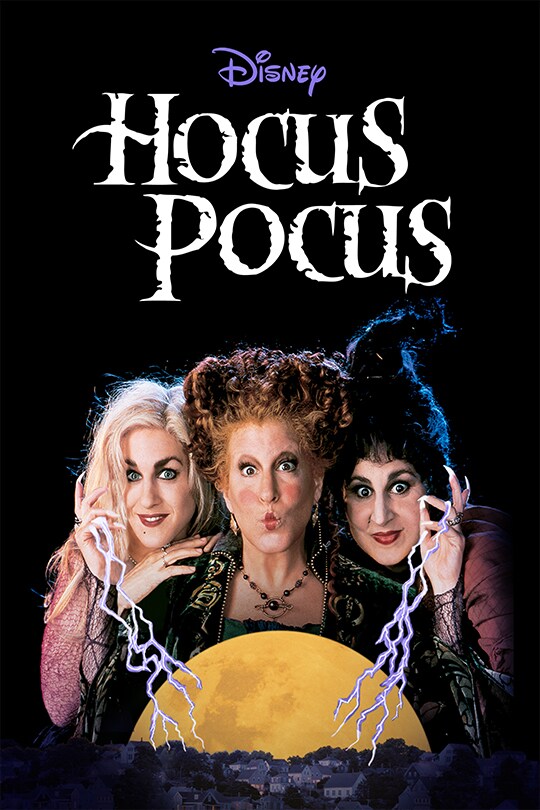
The question “What year did the movie Hocus Pocus come out?” might seem like a simple query, a matter of factual recall. However, for those invested in brand strategy and the longevity of cultural products, this date marks the genesis of an extraordinary brand journey. Released on July 16, 1993, Hocus Pocus was not an immediate blockbuster or a critical darling. Yet, over three decades, it has transcended its modest beginnings to become a quintessential Halloween classic, a testament to organic brand evolution, strategic re-engagement, and the power of enduring narrative. This article delves into how a film with an unassuming debut transformed into a cherished brand, examining the strategies – both intentional and accidental – that cemented its place in popular culture.
The Initial Launch and Brand Reception: A Modest Debut for a Future Classic
The early 1990s was a vibrant era for family entertainment, with Disney in particular experiencing a renaissance. However, within this bustling landscape, Hocus Pocus faced unique challenges, both in its timing and its initial reception. Understanding its brand journey requires looking back at its unassuming origins.
The 1993 Release: Context and Competition
Released in the summer of 1993, Hocus Pocus found itself in a crowded theatrical market. Disney, its parent company, chose a curious release window: mid-July, typically reserved for major summer blockbusters, rather than closer to its thematic heart of Halloween. This scheduling decision, while perhaps an attempt to capture a broader family audience during school holidays, arguably diluted its seasonal impact. The film competed against titans like Jurassic Park, which had premiered just a month prior and was still dominating the box office, along with other summer fare like Free Willy and The Fugitive. This intense competition meant that Hocus Pocus struggled to gain significant traction upon its initial release, positioning it as a relatively minor player in the summer movie landscape.
Early Marketing Efforts and Audience Engagement
Disney’s marketing for Hocus Pocus largely centered on its star power, particularly Bette Midler, Sarah Jessica Parker, and Kathy Najimy as the Sanderson sisters. Promotional materials highlighted the comedic antics and fantastical elements, aiming for a broad family appeal. Trailers emphasized the witches’ return and their quest for eternal youth, coupled with the comedic clash between their antiquated ways and modern society. While these efforts positioned the film as a fun, lighthearted fantasy, they didn’t immediately create a sense of urgency or must-see event status. The branding at this stage was straightforward: a Disney family film with big stars, designed for laughs and a touch of magic. However, the initial audience response was lukewarm, suggesting that the brand messaging hadn’t quite resonated strongly enough to cut through the summer noise.
Critical Acclaim vs. Commercial Performance: A Divergent Narrative
Upon its release, Hocus Pocus garnered mixed-to-negative reviews from critics. Many found it to be silly, overly campy, and formulaic. This critical reception certainly didn’t help propel its commercial performance. With a reported budget of approximately $28 million, the film grossed around $39 million worldwide during its theatrical run, barely breaking even. In the immediate aftermath of its release, Hocus Pocus seemed destined to be just another forgotten entry in Disney’s vast filmography. From a branding perspective, its initial impact was minimal; it failed to establish a strong, distinct identity that would capture significant market share or cultural mindshare. Its brand equity was low, seemingly indicating a commercial misstep rather than the foundation of a future empire.
The Organic Brand Evolution: From Box Office Blip to Halloween Staple
Despite its unceremonious theatrical run, Hocus Pocus embarked on an extraordinary brand journey in the years following its release. This transformation wasn’t driven by a sudden rebranding campaign or a massive marketing push; instead, it was a testament to the power of organic growth, nostalgia, and strategic media placement.
The Power of Nostalgia and Seasonal Re-discovery
The true magic for the Hocus Pocus brand began not in cinemas, but in living rooms. Its release on home video (VHS) allowed families to discover and re-watch the film at their leisure, particularly around Halloween. The film’s genuinely spooky-but-not-too-scary tone, combined with its memorable characters and catchy songs, made it a perfect fit for annual seasonal viewing. As children who watched it in the 90s grew up, Hocus Pocus became intertwined with their personal Halloween traditions, fostering a deep sense of nostalgia. This emotional connection is a powerful component of brand loyalty, turning a simple movie into a cherished memory and an annual ritual. This cyclical re-discovery during a specific holiday niche provided the brand with a clear, recurring relevance that it initially lacked.
Building a Cult Following: Word-of-Mouth and Repeat Viewings
Without the immediate validation of critical acclaim or box office success, Hocus Pocus relied heavily on word-of-mouth. As families began to incorporate it into their Halloween routines, they shared their positive experiences with friends and extended family. This grassroots advocacy is invaluable for any brand, as it builds trust and authenticity far more effectively than traditional advertising. Repeat viewings by dedicated fans further cemented its status, allowing viewers to appreciate the subtle humor, iconic lines, and character nuances that might have been missed on a first viewing. The term “cult classic” perfectly describes this phenomenon: a brand that, despite initial commercial underperformance, garners a small but intensely loyal following that champions its enduring appeal, gradually expanding its reach through fervent endorsement.
The Role of Television Reruns and Digital Accessibility in Brand Growth
Perhaps the most significant catalyst for the Hocus Pocus brand’s ascent was its consistent presence on television, particularly on Disney Channel and later on ABC Family’s (now Freeform) “13 Nights of Halloween” programming block. Airing annually, sometimes multiple times during October, these broadcasts introduced the film to new generations of viewers while simultaneously reinforcing its status for existing fans. The regular exposure created a sense of anticipation and ritual. With the advent of streaming services, particularly Disney+, Hocus Pocus became even more accessible, allowing on-demand viewing year-round. This ubiquitous availability, coupled with its seasonal appeal, transformed it from an obscure film into an ubiquitous Halloween staple, demonstrating how consistent content distribution can be a powerful driver for brand visibility and long-term engagement.
Reinforcing the Hocus Pocus Brand: Strategic Re-engagement and Expansion
Recognizing the undeniable cult status and growing demand, Disney began to strategically re-engage with and expand the Hocus Pocus brand. This phase marked a shift from organic growth to deliberate brand management, leveraging its established popularity.
Merchandise and Licensing: Extending the Brand Footprint

As the film’s popularity soared, Disney began to capitalize on its brand equity through an extensive range of merchandise and licensing agreements. From apparel and home decor to collectibles, Funko Pops, and even themed makeup lines, the Sanderson sisters’ iconography became a marketable asset. This expansion into consumer products allowed fans to express their affinity for the brand beyond just viewing the film. Each piece of merchandise serves as a tangible touchpoint, reinforcing the brand’s presence in daily life and solidifying its cultural relevance. This strategy of brand extension is crucial for transforming a standalone piece of content into a broad lifestyle brand, providing multiple revenue streams and deepening fan engagement.
Theme Park Integration and Experiential Branding
Disney’s theme parks are masterclasses in experiential branding, and Hocus Pocus eventually found its rightful place within these immersive environments. “Mickey’s Not-So-Scary Halloween Party” at Walt Disney World, for example, features the highly popular “Hocus Pocus Villain Spelltacular” stage show, allowing guests to see live representations of the Sanderson sisters. This direct, interactive experience elevates the brand from a passive viewing experience to an active, shared event. By bringing the characters to life in a tangible way, Disney creates deeper emotional connections and reinforces the brand’s magical, whimsical, and slightly spooky identity, offering fans an opportunity to step into the world they love.
The Sequel Strategy: Revitalizing the Brand for a New Generation (Hocus Pocus 2)
Perhaps the most significant strategic move in recent years was the decision to produce a sequel, Hocus Pocus 2, which premiered on Disney+ in September 2022. This decision was a direct response to overwhelming fan demand and a clear acknowledgment of the original film’s enduring brand power. Bringing back the original cast members – Bette Midler, Sarah Jessica Parker, and Kathy Najimy – was a crucial branding decision, tapping directly into the nostalgia that fueled the original’s resurgence. The sequel not only pleased existing fans but also introduced the brand to a new generation through the widely accessible streaming platform. This revitalization demonstrated a proactive approach to maintaining brand relevance and ensuring its longevity, proving that a dormant brand, if deeply loved, can be successfully resurrected and expanded.
Decoding the Enduring Brand Identity of Hocus Pocus
The enduring success of Hocus Pocus as a brand is not merely due to marketing or nostalgia; it’s rooted in a strong, distinct brand identity that resonates deeply with its audience. Understanding what constitutes this identity is key to appreciating its lasting appeal.
Character Archetypes and Memorable Performances
At the heart of the Hocus Pocus brand are the Sanderson sisters: Winifred (Bette Midler), Sarah (Sarah Jessica Parker), and Mary (Kathy Najimy). Each sister embodies a distinct, larger-than-life archetype – the flamboyant leader, the alluring siren, and the dim-witted but loyal follower – creating a dynamic trio that is both hilarious and genuinely menacing. Their over-the-top performances, iconic costumes, and memorable lines (“It’s just a bunch of Hocus Pocus!”) have become indelible parts of the brand’s identity. These characters are not just actors; they are the living embodiment of the brand, offering consistent personalities that fans recognize and adore. Their chemistry is a foundational element that defines the brand’s tone and appeal.
The Thematic Resonance: Halloween, Sisterhood, and Timeless Comedy
The brand identity of Hocus Pocus is deeply interwoven with its core themes. First and foremost, its explicit connection to Halloween positions it perfectly within a beloved seasonal celebration, offering a family-friendly entry point to the spooky holiday. Beyond the Halloween setting, the film subtly explores themes of sisterhood, loyalty (even if misguided), and the clash between tradition and modernity. The witches, despite their villainous intent, share a powerful bond that adds a layer of depth to their comedic antics. The timeless nature of its slapstick comedy, magical elements, and relatable teenage protagonists (Max, Dani, Allison) ensures that the film continues to entertain across generations, making its brand identity evergreen and accessible to a wide demographic.
Cultivating Brand Loyalty Across Generations
The true measure of the Hocus Pocus brand’s success is its ability to cultivate multi-generational loyalty. Those who watched it as children are now sharing it with their own kids, effectively passing down a cultural tradition. This intergenerational appeal is a powerful asset, as it ensures continuous audience engagement and refreshes the brand’s relevance over time. Disney’s strategic efforts, such as the sequel and theme park experiences, directly cater to this legacy, reinforcing the bonds between old and new fans. The brand isn’t just about a single film; it’s about a shared experience, a family tradition, and a beloved piece of collective memory that continues to bring people together, year after year.
The Future of the Hocus Pocus Brand: Sustaining a Cultural Phenomenon
As Hocus Pocus firmly establishes itself as a multi-platform brand, the challenge now lies in sustaining its momentum and evolving without diluting the core elements that made it beloved. The future requires careful navigation of franchise development and maintaining authenticity.
Navigating Franchise Development in a Modern Landscape
The success of Hocus Pocus 2 has undoubtedly opened the door for further expansion of the franchise. Discussions around a potential Hocus Pocus 3, spin-offs, or even animated series highlight the brand’s potential. However, navigating this development requires a delicate balance. The brand’s strength lies in its iconic characters and specific tone. Any new iterations must respect this legacy while also bringing fresh ideas to the table. Modern audiences expect high-quality storytelling and character development, and simply replicating past success might not be enough. Strategic oversight will be crucial to ensure that any new content enhances rather than detracts from the established brand equity, ensuring that the magic doesn’t wear off.
Maintaining Authenticity While Expanding Reach
A critical aspect of long-term brand management is maintaining authenticity, especially for a brand that grew organically from grassroots appreciation. For Hocus Pocus, this means preserving the unique blend of humor, heart, and Halloween spirit that defines it. As Disney seeks to expand its reach through various media, it must ensure that the core essence of the Sanderson sisters and their world remains intact. Over-commercialization or straying too far from the original’s charm could alienate the loyal fanbase that built the brand. The challenge is to innovate and grow while remaining true to the beloved original, finding new ways to tell stories within the established universe that resonate with both long-time fans and newcomers.

The Legacy of Hocus Pocus: A Blueprint for Brand Longevity
From a single film released on July 16, 1993, to a sprawling cultural phenomenon, Hocus Pocus offers a compelling blueprint for brand longevity. Its journey demonstrates that initial commercial performance isn’t always the sole determinant of a brand’s ultimate success. Instead, factors like organic growth fueled by nostalgia, strategic media placement, and the eventual recognition and cultivation of a passionate fanbase can transform a modest product into an enduring brand. The Hocus Pocus brand stands as a testament to the power of memorable characters, thematic resonance, and the magical connection it forged with its audience, proving that sometimes, the greatest successes are those that brew slowly, enchanting generations along the way.
aViewFromTheCave is a participant in the Amazon Services LLC Associates Program, an affiliate advertising program designed to provide a means for sites to earn advertising fees by advertising and linking to Amazon.com. Amazon, the Amazon logo, AmazonSupply, and the AmazonSupply logo are trademarks of Amazon.com, Inc. or its affiliates. As an Amazon Associate we earn affiliate commissions from qualifying purchases.