
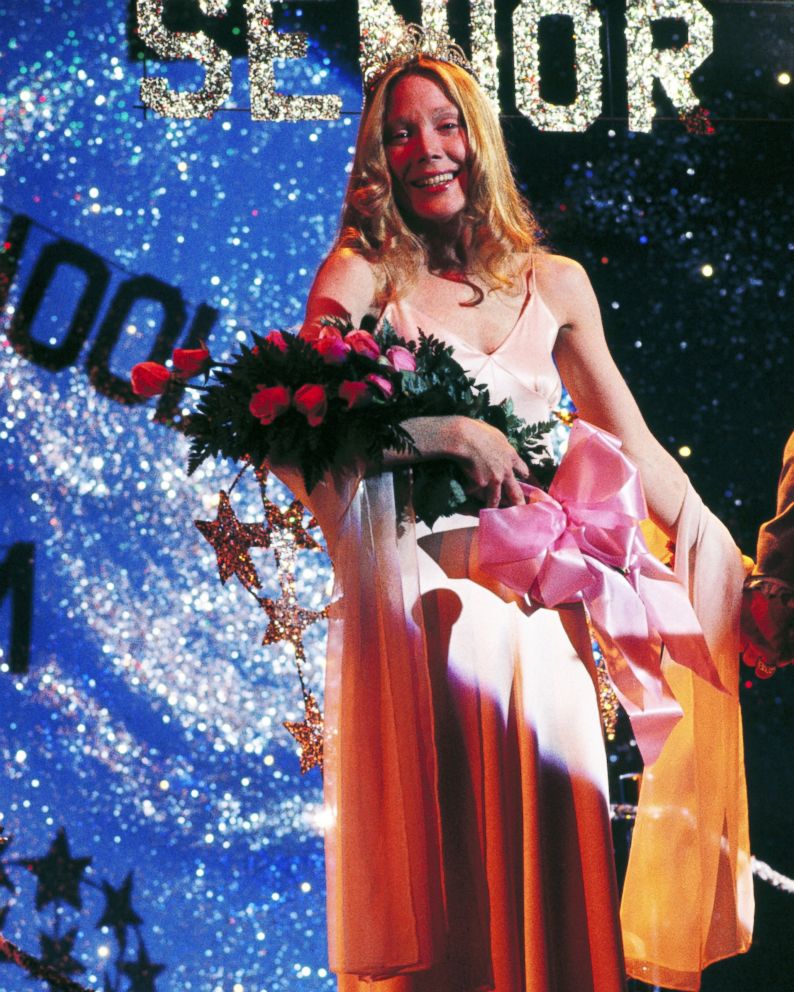
When film enthusiasts ask what year the movie Carrie came out, the answer—1976—serves as a pivotal marker in the history of cinematic technology. Directed by Brian De Palma and based on Stephen King’s debut novel, the original Carrie was more than a horror masterpiece; it was a showcase for innovative analog filmmaking techniques that would define a generation of visual storytelling. To understand the significance of its release date, one must look at the technical landscape of the mid-70s and how it contrasts with the digital revolutions seen in the 2002 television movie and the 2013 theatrical remake.
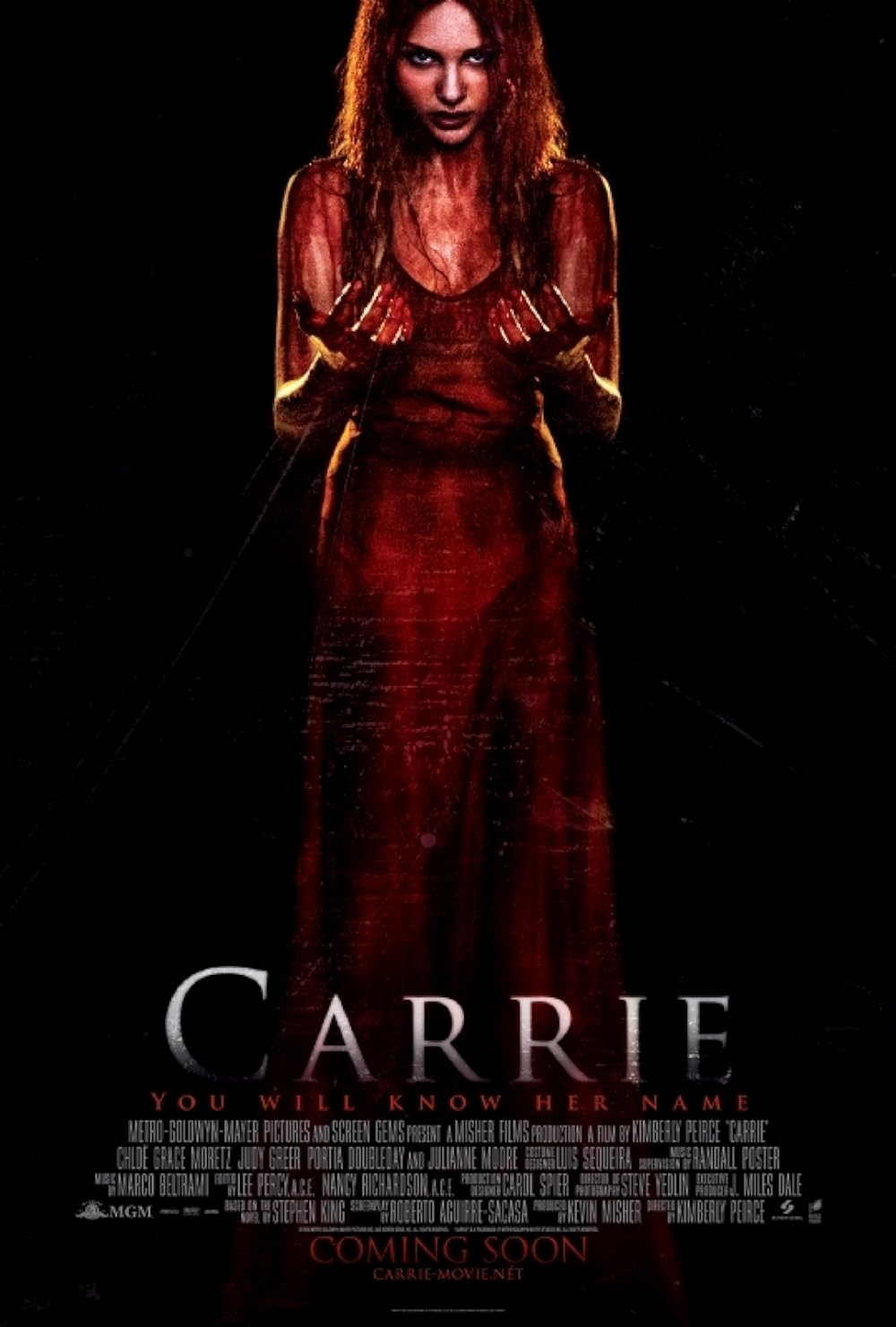
The journey from the practical effects of 1976 to the high-dynamic-range (HDR) digital restorations of today highlights a massive shift in how stories are captured, edited, and preserved. By examining the hardware, software, and optical engineering involved in the Carrie legacy, we gain insight into the broader evolution of the film industry itself.
1976: The Mastery of Analog Optics and Practical Engineering
The 1976 release of Carrie occurred during a period often referred to as the “New Hollywood” era, a time when directors were pushing the boundaries of what could be achieved with 35mm film. Without the luxury of computer-generated imagery (CGI), the production relied on sophisticated optical tricks and mechanical engineering to bring telekinesis to the silver screen.
The Split-Diopter Lens and Deep Focus
One of the most distinctive technical hallmarks of the original Carrie is Brian De Palma’s frequent use of the split-diopter lens. This optical tool is a piece of half-convex glass that is placed over the camera’s primary lens. It allows the cinematographer to focus on two different planes simultaneously—one in the extreme foreground and one in the background—while the middle ground remains blurred.
In 1976, this was a high-tech solution to a depth-of-field problem. It created an unsettling, hyper-realist aesthetic that perfectly complemented the supernatural tension of the film. Today, such an effect would likely be achieved through digital compositing, where two separate shots are layered in post-production. However, the analog precision required to align the “split” in the frame without a visible line remains a masterclass in 1970s cinematography hardware.
Mechanical Effects and High-Speed Photography
The climax of the film, the infamous prom scene, required extensive mechanical rigging. To simulate telekinetic movement, the crew utilized invisible wires and pulleys. However, the technical brilliance was in the “blood” sequence. Achieving the right viscosity and color of the blood was a chemical challenge, but capturing its fall required high-speed photography.
By increasing the frame rate of the 35mm cameras (overcranking), the filmmakers could play the footage back in slow motion, giving the liquid a weight and gravity that heightened the emotional impact. This was a physical, hardware-dependent process that required precise light calculations, as higher frame rates necessitate significantly more light to expose the film correctly.
The 2013 Shift: Digital Compositing and Fluid Dynamics
When the story was revisited in 2013, the technological landscape had undergone a total transformation. The industry had largely moved from celluloid to digital sensors, and the tools used to create the impossible were no longer found in a machine shop, but on a digital workstation.
From 35mm to the Arri Alexa
The 2013 remake was captured using the Arri Alexa, a digital motion picture camera system that had become the industry standard for its film-like highlights and high dynamic range. Unlike the 1976 production, which had to wait days for “dailies” to be processed in a chemical lab, the 2013 crew could review high-definition footage instantly on calibrated monitors. This immediate feedback loop allowed for more complex stunt coordination and lighting adjustments in real-time.
CGI and Digital Fluid Simulations
One of the primary differences between the two versions is the execution of the supernatural elements. In 1976, the blood was a mixture of corn syrup and food coloring. In 2013, while practical elements were used, they were heavily augmented by digital fluid simulations.
Using sophisticated software like SideFX Houdini, VFX artists could simulate the physics of liquid with incredible accuracy. This allowed the director to control the path of the blood in ways that gravity would never allow, creating a stylized, modern look. Furthermore, the fire sequences in the remake utilized “digital pyrotechnics.” Instead of building controlled fires on a soundstage—which poses significant safety and logistical risks—the 2013 team used particle systems and volumetric rendering to create realistic, controllable infernos that interacted perfectly with the digital lighting of the scene.
The Digital Preservation: 4K Remastering and Neural Networks
For many viewers today, the year Carrie came out is less important than the quality of the version they are watching on their 4K OLED screens. The preservation of the 1976 original is a feat of modern software engineering and digital restoration technology.
Scanning and Scratch Removal Software
The original 35mm negatives of the 1976 film have aged over the decades. Restoration involves scanning the original film at 4K resolution using high-end scanners like the Northlight or Arriscan. This process converts the physical grain of the film into data.
Once digitized, restoration software such as MTI Film’s DRS (Digital Restoration System) or Phoenix by Filmworkz is employed. These tools use automated algorithms to identify and remove dust, scratches, and mold that have accumulated on the physical film over forty years. In some cases, neural networks are now being used to analyze surrounding frames and “hallucinate” missing data to repair significant tears in the film stock, ensuring the 1976 masterpiece looks better now than it did during its original theatrical run.
Color Grading in the HDR Era
Modern digital color grading, using platforms like DaVinci Resolve, has allowed technicians to revisit the original color palette of Carrie. In 1976, color timing was a chemical process involving “printer lights.” Today, a colorist can isolate the specific red of the blood or the glow of the fire and manipulate its luminance and saturation with surgical precision. The introduction of High Dynamic Range (HDR) means that the shadows in the final scene can be deeper and the highlights of the fire brighter than was ever possible in a 1970s cinema, providing a technical bridge between the analog past and the digital present.
AI and the Future of Horror Storytelling
As we look beyond the 2013 remake, the convergence of Artificial Intelligence and filmmaking suggests that the next iteration of a “Carrie-like” story will involve even more radical technological shifts. The tools being developed today are moving beyond simple CGI into the realm of generative media and predictive analytics.
Predictive Analytics and Audience Biometrics
Studios are increasingly using AI-driven analytics to determine which elements of a genre film resonate with audiences. By analyzing thousands of horror scripts and box office data, AI tools can suggest pacing adjustments or “jump scare” placements that are statistically likely to engage a modern viewer. During test screenings, some tech-forward productions even use biometric sensors to track heart rates and eye movements, using that data to recut the film for maximum physiological impact.
Neural Rendering and the “Virtual Production” Stage
The future of horror likely lies in technologies like Epic Games’ Unreal Engine and the “Volume”—a massive circular LED wall used in virtual production. If Carrie were filmed today, the entire high school gymnasium could be a digital environment rendered in real-time. This allows for perfect synchronization between physical lighting and digital backgrounds, a technique used in The Mandalorian and modern horror hits.
Furthermore, neural rendering can now create hyper-realistic human doubles. This technology could theoretically allow a director to use a young version of an actor or create a completely digital protagonist that is indistinguishable from a human, opening new doors for the “uncanny valley” effects so essential to the horror genre.

Conclusion: A Legacy Defined by Innovation
The year the movie Carrie came out, 1976, marked a high point for practical effects and optical ingenuity. It represented the peak of what could be achieved with physical glass, chemical film, and mechanical rigs. The 2013 remake served as a testament to the power of the digital transition, showcasing the flexibility of CGI and the precision of digital sensors.
Today, the ongoing restoration and digital preservation of these films represent a third technological era—one defined by data, software, and AI. Whether through a split-diopter lens or a complex fluid simulation, the story of Carrie remains a vital case study in how technology serves the art of the scare. As we move further into the age of neural networks and virtual production, the technical foundation laid in 1976 continues to inspire the tools that will terrify the audiences of tomorrow.
aViewFromTheCave is a participant in the Amazon Services LLC Associates Program, an affiliate advertising program designed to provide a means for sites to earn advertising fees by advertising and linking to Amazon.com. Amazon, the Amazon logo, AmazonSupply, and the AmazonSupply logo are trademarks of Amazon.com, Inc. or its affiliates. As an Amazon Associate we earn affiliate commissions from qualifying purchases.