
In the world of professional sports, few logos are as instantly recognizable as the blue star of the Dallas Cowboys. While many franchises boast dedicated regional followings, the Cowboys have transcended the boundaries of Texas to become a global symbol of athletic excellence and corporate success. At the heart of this brand’s immense value—currently estimated as the most valuable sports franchise in the world—lies a history of championship dominance. To understand the brand, one must answer the fundamental question: What years did the Cowboys win the Super Bowl?
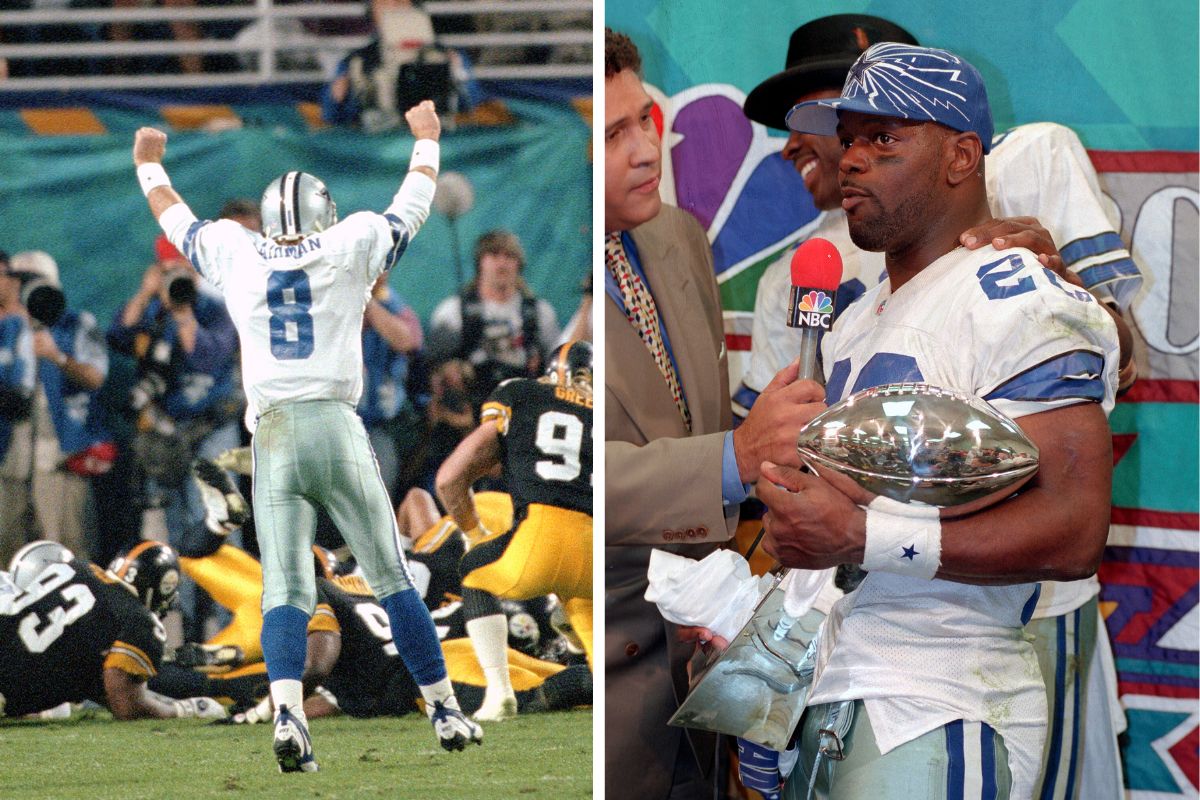
The Cowboys have hoisted the Lombardi Trophy five times, winning in 1971, 1977, 1992, 1993, and 1995. However, these dates are more than just statistics in a record book; they are the foundational pillars upon which a multi-billion-dollar brand strategy was built. This article explores how those specific championship years forged the “America’s Team” identity and how the franchise continues to leverage that historical success to maintain its status as a premier global brand.
The Genesis of “America’s Team”: The 1970s Championships
The Dallas Cowboys did not start as a powerhouse; they began as an expansion team in 1960 that struggled to find its footing. The transformation from a winless debut season to a national brand began with the strategic leadership of Coach Tom Landry and General Manager Tex Schramm. Their focus was on consistency, innovation, and a visual identity that radiated professional polish.
Super Bowl VI (1971) – Establishing the Brand Narrative
Before 1971, the Cowboys were often labeled “Next Year’s Champions”—a brand image plagued by the “nearly but not quite” narrative after losing several high-stakes games. Everything changed in January 1972, when they defeated the Miami Dolphins 24-3 in Super Bowl VI.
This victory was the first “proof of concept” for the Cowboys’ brand. It validated the “Flex Defense” and the stoic, hat-wearing image of Tom Landry. For the first time, the Cowboys were not just a regional interest; they were winners. This win provided the necessary credibility to begin marketing the team on a national scale. It proved that the Dallas organization was built on a foundation of “The Cowboy Way”—a mixture of discipline, innovative scouting, and corporate-like efficiency.
Super Bowl XII (1977) – The Birth of a National Icon
By the time the Cowboys reached Super Bowl XII in January 1978, they were already a household name. Their 27-10 victory over the Denver Broncos solidified their dominance. It was during this era that the nickname “America’s Team” was coined by NFL Films.
From a brand strategy perspective, this was a masterstroke. By positioning themselves as the team of the entire nation rather than just North Texas, the Cowboys expanded their market exponentially. This period saw the rise of the Dallas Cowboys Cheerleaders as a standalone brand entity, the introduction of sophisticated merchandising, and the emergence of Roger Staubach as the “Captain America” of the gridiron. The 1977 championship didn’t just add a ring to the trophy case; it established the Cowboys as a permanent fixture in the American cultural landscape.
The 1990s Triple Threat: Modernizing the Cowboys Brand
If the 1970s built the foundation of the brand, the 1990s transformed it into a modern commercial juggernaut. Under the new ownership of Jerry Jones, the team embraced a more aggressive, high-profile, and flashy identity that mirrored the booming economy and the rise of 24-hour sports media.
Back-to-Back Dominance: Super Bowl XXVII (1992) and XXVIII (1993)
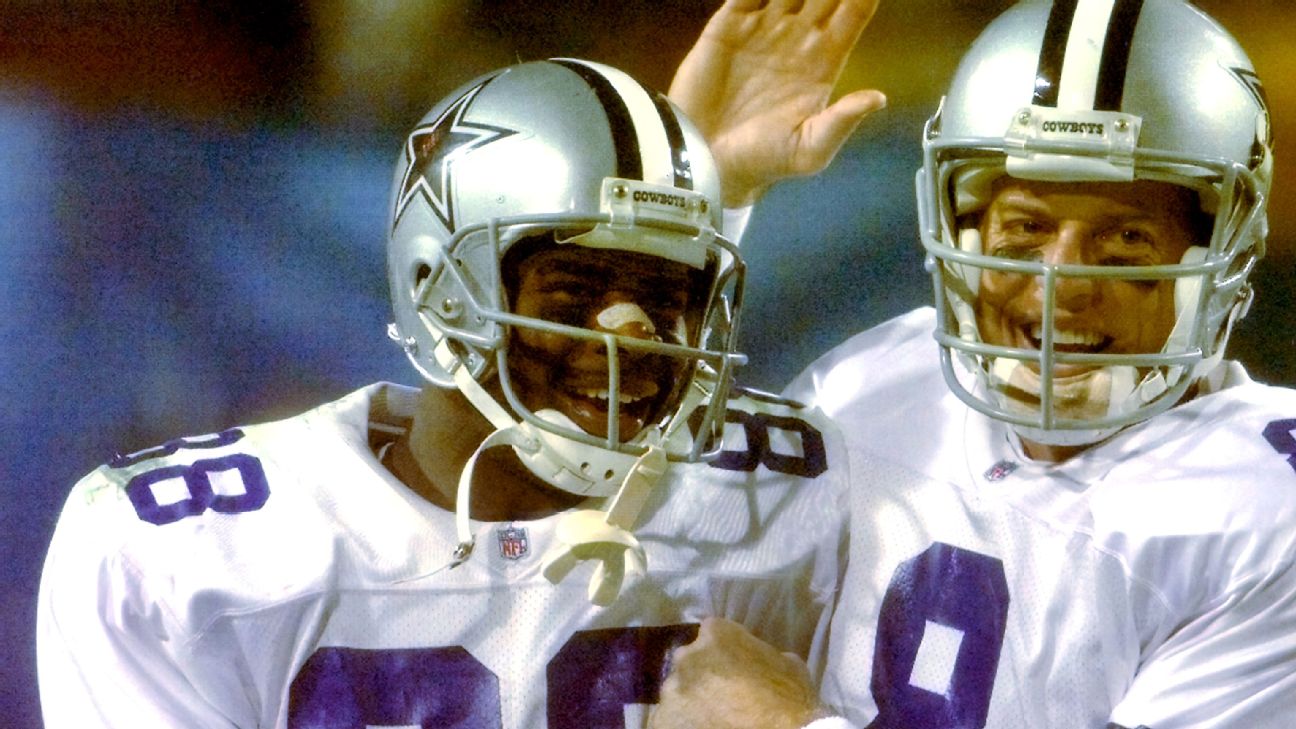
After a period of decline in the late 80s, the brand was in desperate need of a refresh. The arrival of “The Triplets”—Troy Aikman, Emmitt Smith, and Michael Irvin—provided the perfect catalysts for a brand reboot. The consecutive Super Bowl victories against the Buffalo Bills in 1992 and 1993 signaled a return to excellence, but with a new, swagger-filled edge.
Jerry Jones understood that winning was the best marketing tool available. These years were characterized by a shift from the quiet professionalism of the Landry era to a high-octane, “larger-than-life” persona. The Cowboys became the team people loved to hate, a polarization that is a hallmark of any powerful brand. By winning back-to-back championships, they proved that their brand of football was not just effective but dominant, attracting a new generation of fans who valued celebrity, speed, and success.
The 1995 Victory: Solidifying the “Dynasty” Label
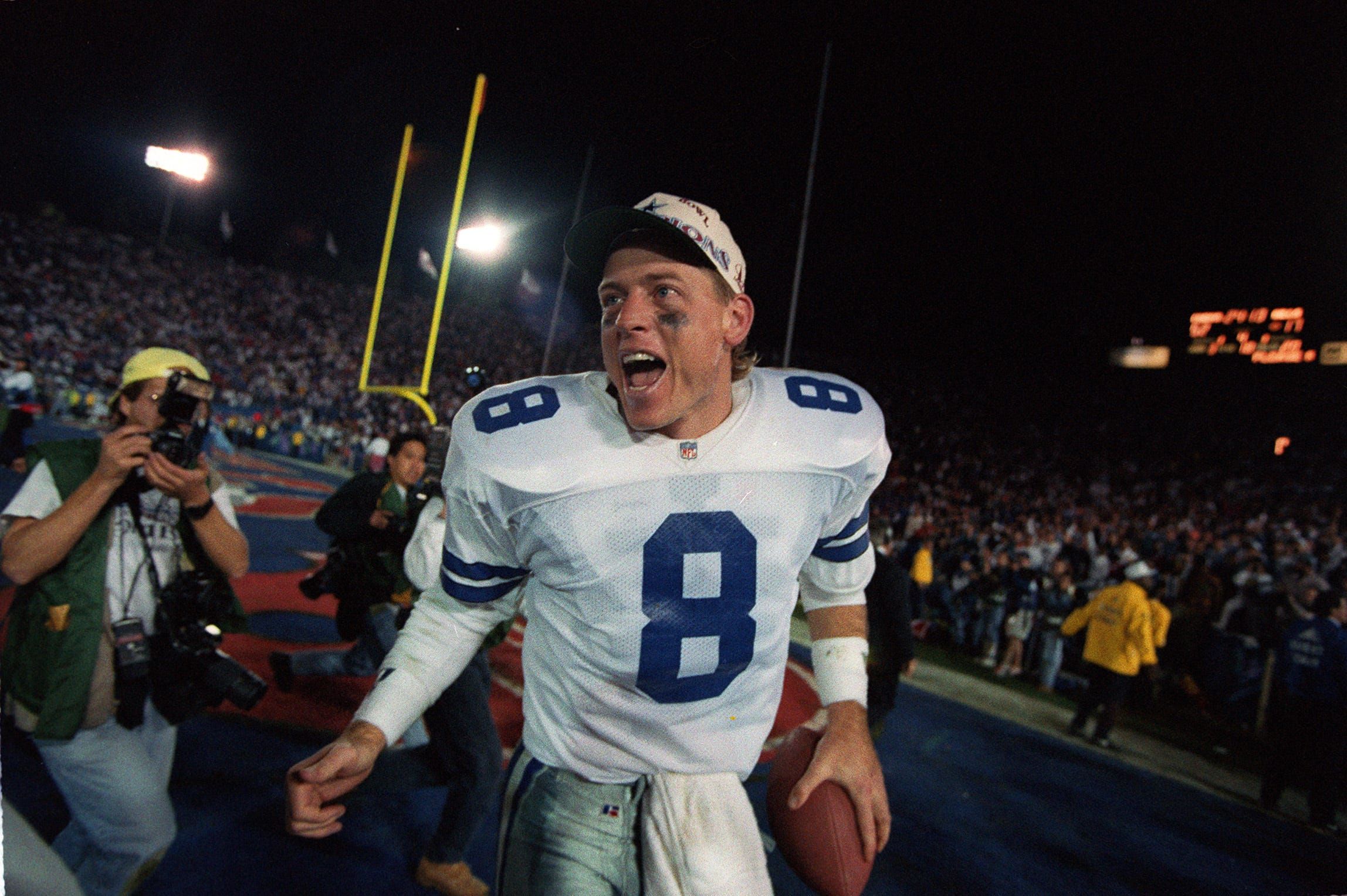
The Cowboys’ fifth championship came in Super Bowl XXX (1995) with a 27-17 victory over the Pittsburgh Steelers. This win was significant because it made the Cowboys the first team to win three Super Bowls in four years. In the world of branding, “Dynasty” is the ultimate gold standard.
By achieving this status, the Cowboys ensured that their brand would remain relevant for decades, even during periods of on-field struggle. The 1995 victory created a legacy that allowed the team to command premium prices for sponsorships and television rights. It created a “prestige” association with the Dallas Cowboys brand that persists to this day. When a consumer buys a Dallas Cowboys jersey today, they are buying into the legacy of the 1990s dynasty—a period where the team was synonymous with being the best in the world.
Leveraging Historical Success into Modern Brand Equity
The most fascinating aspect of the Dallas Cowboys brand is its ability to grow in value despite not having won a Super Bowl since 1995. This is a testament to the strength of the brand equity built during those five championship years.
The Power of Nostalgia and Merchandising
The years 1971, 1977, 1992, 1993, and 1995 act as the “canon” of the Cowboys’ story. The franchise masterfully uses nostalgia to bridge the gap between older fans who witnessed the wins and younger fans who aspire to that legacy. Through “Throwback” uniforms, Hall of Fame inductions, and “Ring of Honor” ceremonies, the brand keeps its winning history at the forefront of the fan experience.
This historical success fuels a merchandising engine unlike any other in sports. The Cowboys are the only NFL team that distributes its own merchandise rather than going through the league’s centralized system. This strategic move, spearheaded by Jerry Jones, allows the team to keep a larger share of the profits generated by the iconic star logo—a logo that remains a top-seller because it represents the “Gold Standard” established in their championship years.
The “Star” Logo as a Global Symbol
In brand management, a logo should represent a promise. For the Dallas Cowboys, the blue star represents the promise of “The Best.” Even when the team is not winning on the field, the brand infrastructure—the $1.5 billion AT&T Stadium, the state-of-the-art “Star” training facility, and the high-profile media deals—all reflect the luxury and dominance associated with their five Super Bowl titles. The brand has successfully decoupled its financial value from its current win-loss record by focusing on the “Experience” of being a Cowboys fan, a strategy only possible because of the immense “social capital” earned in 1971, 1977, 1992, 1993, and 1995.
The Jerry Jones Era: Marketing the Legacy
While the players and coaches won the games, Jerry Jones is the architect who turned those wins into a sustainable corporate identity. Since purchasing the team in 1989, his strategy has been to treat the Cowboys not just as a football team, but as a media and entertainment company.
From Field Performance to Financial Juggernaut
Jones leveraged the 1990s championships to break away from traditional NFL revenue models. By focusing on the “Brand of the Star,” he secured groundbreaking sponsorship deals with companies like Pepsi and Nike that were independent of the league’s collective agreements at the time. He understood that the years the Cowboys won the Super Bowl were his strongest negotiating chips. He wasn’t just selling a football team; he was selling an association with the most successful and popular brand in American sports history.
Maintaining Brand Loyalty Across Generations
A major challenge for any legacy brand is staying relevant to younger demographics. The Cowboys achieve this by ensuring that the “mythology” of their Super Bowl wins is passed down. Through digital media, documentaries, and a massive social media presence, the organization continuously educates new fans on why the Cowboys are “America’s Team.”
They have created a “lifestyle brand” that encompasses fashion, real estate, and hospitality. Whether it is a fan in Mexico City or a businessman in London, the Dallas Cowboys brand signifies a specific type of American success—bold, wealthy, and historically dominant.
Conclusion: The Lasting Impact of the Championship Years
To ask “what year did the cowboys win the super bowl” is to look at the timeline of the creation of a corporate empire. The victories in 1971 and 1977 established the identity, while the 1992, 1993, and 1995 titles modernized and expanded the brand into the global stratosphere.
The Dallas Cowboys are a masterclass in brand strategy. They have proven that while championships are won on the field, a brand’s legacy is built in how those victories are packaged, marketed, and sustained. By anchoring their identity in the glory of their five Super Bowl wins, the Cowboys have ensured that the “Star” remains the most valuable icon in the world of sports, regardless of the score of the next game. The championship years are not just history; they are the fuel for a brand that continues to lead the league in influence, revenue, and global recognition.
aViewFromTheCave is a participant in the Amazon Services LLC Associates Program, an affiliate advertising program designed to provide a means for sites to earn advertising fees by advertising and linking to Amazon.com. Amazon, the Amazon logo, AmazonSupply, and the AmazonSupply logo are trademarks of Amazon.com, Inc. or its affiliates. As an Amazon Associate we earn affiliate commissions from qualifying purchases.