
Hurricane Michael’s name is etched into the collective memory of Florida, particularly for those in the Panhandle. The sheer destructive power it unleashed left an indelible mark, prompting many to recall not just the event itself, but its profound and lasting consequences. While the immediate question “What year did Hurricane Michael hit Florida?” is a straightforward factual inquiry, delving into the context surrounding this catastrophic storm reveals much more about its impact on communities, the economy, and the broader implications for disaster preparedness and recovery.
The answer to that pivotal question is 2018. Hurricane Michael made landfall on October 10, 2018, near Mexico Beach, Florida, as an unprecedented Category 5 storm, one of only a handful in U.S. history to do so. Its intensity was a chilling indicator of the devastation that was to follow, and its trajectory and rapid strengthening caught many off guard.

The Unfolding Fury: The Genesis and Landfall of Hurricane Michael
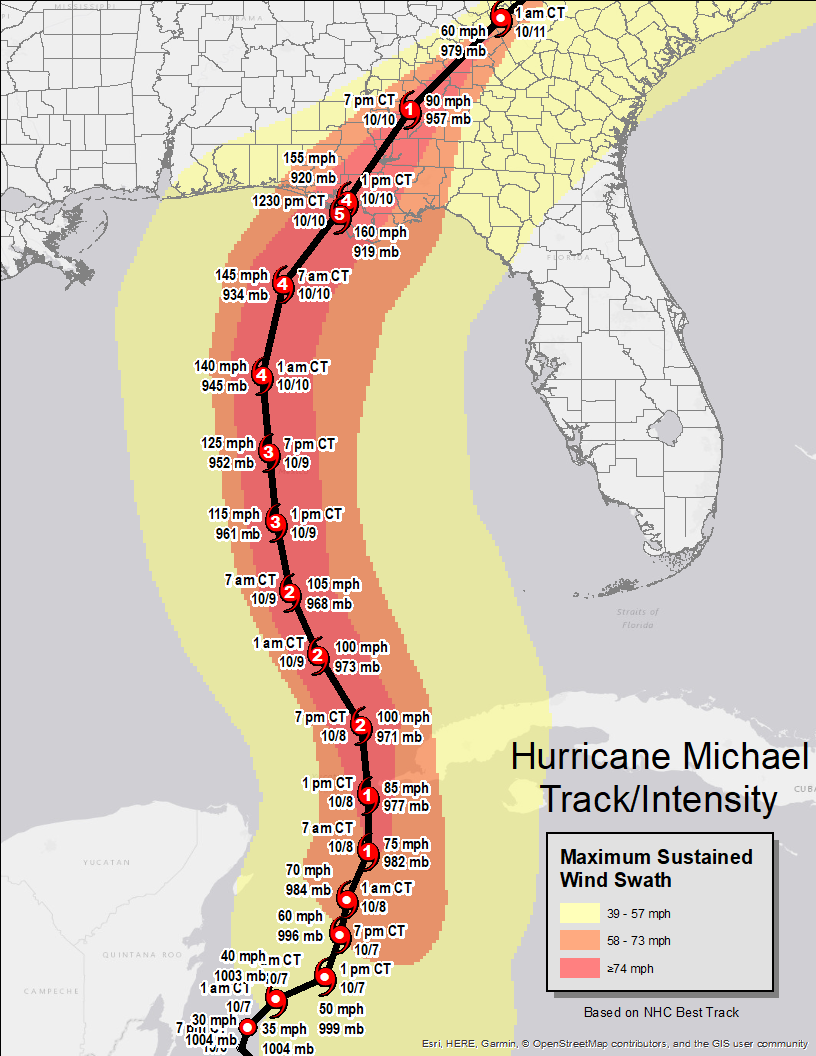
The formation and progression of Hurricane Michael were a stark reminder of nature’s formidable power. Emerging as a tropical storm over the Yucatán Peninsula in early October 2018, it quickly organized and intensified as it entered the warm waters of the Gulf of Mexico. The environmental conditions were exceptionally favorable for rapid strengthening, allowing Michael to transform from a formidable storm into a monstrous one in a remarkably short period.
From Tropical Storm to Cataclysm: Michael’s Rapid Intensification
The speed at which Hurricane Michael escalated was a significant factor in its devastating impact. Meteorologists observed a dramatic surge in its intensity within the 24 hours leading up to landfall. This period of rapid intensification is a phenomenon that climate scientists have been increasingly studying, and Michael served as a chilling case study. As the storm moved northward over the Gulf, its structure became more organized, its eye became well-defined, and its winds surged to unprecedented levels. This rapid escalation meant that communities in its path had very little time to prepare for the catastrophic winds and storm surge that were imminent. The forecast cone, while accurate in its general track, often struggled to convey the sheer, unyielding power that was building.
The Devastating Landfall: Mexico Beach and Beyond
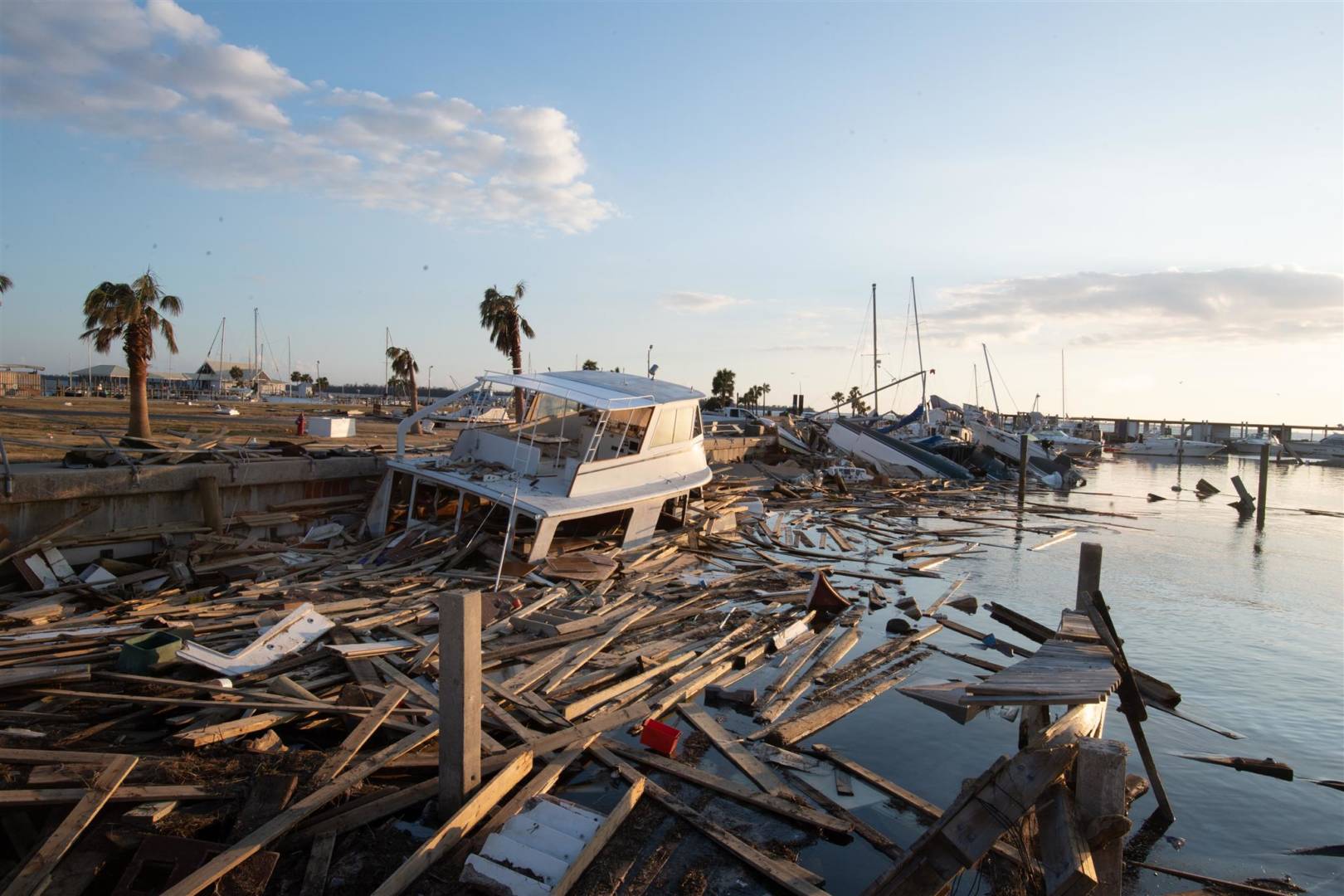
On October 10, 2018, Hurricane Michael made landfall as a Category 5 storm, with sustained winds of 155 mph, just shy of Category 5 intensity. The official reporting designated it as a Category 5 at landfall, with even higher gusts measured. The eyewall, a region of intense thunderstorms surrounding the storm’s eye, unleashed its full fury upon the coast. Mexico Beach, a picturesque coastal community, bore the brunt of the storm’s initial impact, with widespread destruction of homes and businesses. The storm surge, a rise in sea level caused by the hurricane’s winds pushing water onshore, was particularly catastrophic, inundating coastal areas and causing extensive flooding and erosion. The storm didn’t discriminate; its destructive path extended inland, weakening but still causing significant damage across the Florida Panhandle and into Georgia. Towns like Port St. Joe, Panama City, and Apalachicola faced unimaginable destruction, with entire neighborhoods flattened and infrastructure decimated.
The Economic and Financial Fallout: Rebuilding in the Wake of Destruction
The immediate aftermath of Hurricane Michael was characterized by a massive humanitarian crisis, but the economic repercussions were equally profound and long-lasting. The destruction of homes, businesses, and critical infrastructure meant a massive undertaking of recovery and rebuilding, with significant financial implications for individuals, local governments, and the state.
The Cost of Catastrophe: Direct Damages and Insurance Claims
The economic toll of Hurricane Michael was staggering. Estimates of direct damages quickly climbed into the tens of billions of dollars. This figure encompasses the cost of repairing and replacing damaged homes, businesses, public buildings, and infrastructure such as roads, bridges, and power lines. For the affected residents, the financial burden was immense. Many lost their homes and possessions, facing the daunting prospect of rebuilding their lives from scratch.
The role of insurance was critical in the recovery process, yet also a source of significant challenges. While insurance payouts provided a lifeline for many, the sheer scale of the damage meant that claims often took time to process. For some, especially those with inadequate coverage or whose homes were deemed total losses, the financial recovery was a protracted and often insufficient journey. The insurance industry itself faced a significant challenge in managing the volume of claims and assessing the widespread damage. This event highlighted vulnerabilities in insurance markets, particularly in coastal areas prone to severe weather. The financial strain on insurers could also have ripple effects, potentially leading to increased premiums in disaster-prone regions.
The Long Road to Recovery: Investment, Innovation, and Financial Resilience
Rebuilding after such a catastrophic event requires not only immense financial resources but also strategic investment and innovative approaches. The recovery effort involved significant investment from federal, state, and local governments, as well as private sector contributions. This investment was directed towards rebuilding infrastructure, providing housing assistance, and supporting economic development initiatives.
Furthermore, Hurricane Michael underscored the importance of financial resilience at both individual and community levels. For individuals, this meant understanding insurance policies, having emergency savings, and developing a financial plan for disaster preparedness. For communities, it involved investing in resilient infrastructure, promoting diversified economies less susceptible to single-point failures, and ensuring robust disaster relief and recovery funds were in place. The long-term economic health of the affected region depended on attracting new investment, fostering business recovery, and creating an environment conducive to growth. This process often involves utilizing technology to streamline rebuilding efforts, from sophisticated construction planning tools to digital platforms for managing aid distribution. The financial tools and strategies employed during the recovery phase can also inform future approaches to disaster risk management.
Looking Ahead: Lessons Learned and Technological Advancements in Disaster Preparedness
The impact of Hurricane Michael extended far beyond the immediate destruction. It served as a potent catalyst for re-evaluating and enhancing disaster preparedness strategies, with technology playing an increasingly vital role. The lessons learned from this devastating event continue to inform how we anticipate, respond to, and recover from future natural disasters.
The Role of Technology in Early Warning and Communication
The critical role of timely and accurate information during a hurricane cannot be overstated. Technology has revolutionized how we track storms, issue warnings, and communicate with the public. Advanced meteorological modeling and satellite technology allow for more precise forecasting of hurricane paths and intensity, giving communities more lead time to prepare. Sophisticated weather radar systems can detect the most intense parts of a storm, providing crucial details for emergency management agencies.
Beyond forecasting, technology plays a vital role in disseminating warnings. Mobile alert systems, social media, and dedicated emergency apps can reach vast numbers of people quickly, providing essential safety information and evacuation orders. The effectiveness of these communication channels was tested during Hurricane Michael, and while successful in many instances, they also highlighted areas for improvement. Ensuring equitable access to these technologies and addressing potential communication breakdowns during widespread power outages remain ongoing challenges. The ability to transmit critical information through redundant communication systems, utilizing satellite technology and other resilient networks, is paramount.
Innovations in Building and Infrastructure Resilience
Hurricane Michael’s destructive power underscored the need for more resilient building practices and infrastructure. The extreme winds and storm surge exposed weaknesses in existing construction standards, particularly in coastal areas. This has led to a greater emphasis on developing and implementing innovative building techniques designed to withstand more severe weather events.
This includes advancements in materials science, with the development of stronger and more wind-resistant building components. It also involves innovative design strategies, such as elevating homes to mitigate storm surge damage and incorporating stronger anchoring systems for structures. Furthermore, investments in more resilient infrastructure, such as hardened power grids, reinforced bridges, and improved drainage systems, are crucial. The integration of smart city technologies can also play a role, enabling better monitoring of infrastructure health and more efficient resource allocation during and after a storm. The digital security of these systems, however, becomes increasingly important as they become more interconnected. The focus is on creating communities that can not only withstand the initial impact of a hurricane but also recover more quickly and efficiently, minimizing long-term disruption. The ongoing research and development in these areas, often driven by advancements in AI and data analytics, are critical for building a more resilient future.
Brand and Reputation in Crisis Management
In the aftermath of a major disaster like Hurricane Michael, the effectiveness of an organization’s or a government entity’s response can significantly impact its brand and reputation. For businesses, their ability to support employees, customers, and the wider community can either enhance or erode public trust. This involves transparent communication, providing essential resources, and demonstrating a commitment to the recovery effort.
For government agencies, the speed and efficacy of their disaster relief operations are under intense scrutiny. A well-coordinated and compassionate response can bolster public confidence, while perceived delays or inefficiencies can lead to criticism. The communication strategies employed by these entities are crucial, and the use of digital platforms for updates, information dissemination, and feedback collection has become standard practice. Personal branding also takes on new dimensions during crises, as leaders are called upon to provide guidance and reassurance.
The long-term reputation of affected regions also depends on their ability to rebuild and recover. Showcasing progress, attracting new businesses and residents, and effectively communicating the story of resilience can be vital. This involves a concerted effort in marketing and public relations, often leveraging digital storytelling and compelling visual content to convey a message of hope and recovery. The “brand” of Florida’s Panhandle, for instance, is being actively reshaped through these efforts, focusing on its enduring spirit and commitment to rebuilding.
In conclusion, while the question “What year did Hurricane Michael hit Florida?” is a simple one, the answer—2018—unlocks a complex narrative of devastation, resilience, and ongoing adaptation. The storm’s impact served as a stark reminder of the power of nature, the importance of robust disaster preparedness, and the critical role that technology, sound financial planning, and effective brand management play in navigating the aftermath of such catastrophic events. The lessons learned continue to shape our approach to building more resilient communities for the future.
aViewFromTheCave is a participant in the Amazon Services LLC Associates Program, an affiliate advertising program designed to provide a means for sites to earn advertising fees by advertising and linking to Amazon.com. Amazon, the Amazon logo, AmazonSupply, and the AmazonSupply logo are trademarks of Amazon.com, Inc. or its affiliates. As an Amazon Associate we earn affiliate commissions from qualifying purchases.