
The Green Bay Packers occupy a unique position in the pantheon of global sports. While most professional franchises are owned by billionaires or massive hedge funds, the Packers remain the only community-owned, non-profit professional sports team in the United States. This organizational structure is not just a quirk of history; it is the foundation of one of the most resilient and powerful brand identities in the world. When fans ask, “What year did the Green Bay Packers win the Super Bowl?” they are often seeking more than just dates. They are looking for the milestones that transformed a small-market team in rural Wisconsin into a global icon of excellence—a brand synonymous with “Title Town.”
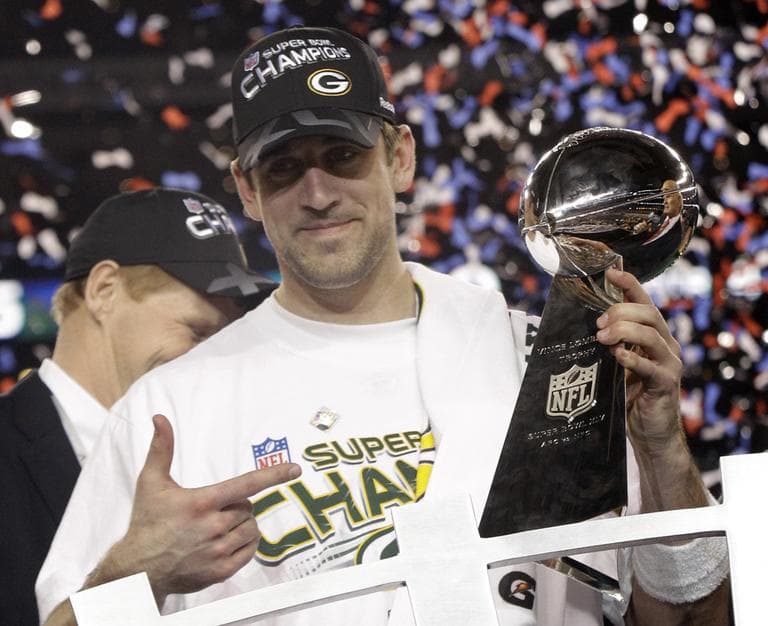
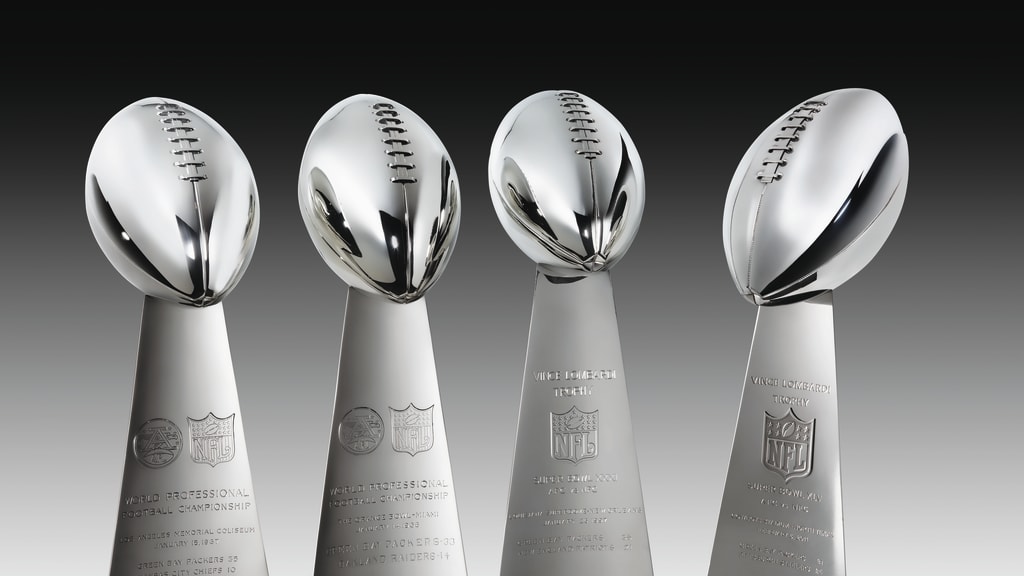
To understand the Packers’ brand strategy, one must examine the four years they reached the pinnacle of the sport: 1967, 1968, 1997, and 2011. Each of these championships served as a critical pivot point in the team’s corporate identity, marketing reach, and brand equity.
The Genesis of a Global Identity: How Early Super Bowl Wins Defined the Packers Brand
The foundation of the Packers’ brand was laid during the 1960s, an era that defined the “Packer Way.” Under the leadership of Vince Lombardi, the team didn’t just win; they established a standard of professional excellence that transcends football.
The Lombardi Era: Establishing the Standard of Excellence
In 1967 and 1968, the Green Bay Packers won Super Bowls I and II. These victories were more than just athletic achievements; they were the first steps in creating a “Legacy Brand.” Vince Lombardi’s name became a shorthand for leadership and discipline, traits that corporations still study today. By winning the first two Super Bowls in history, the Packers secured “first-mover advantage” in the modern era of the NFL. Their brand became synonymous with the championship itself, eventually leading to the Super Bowl trophy being named the “Vince Lombardi Trophy.”
Super Bowls I and II: Pioneering the NFL Brand
The 1967 win (35-10 over the Kansas City Chiefs) and the 1968 win (33-14 over the Oakland Raiders) happened at a time when the NFL was merging with the AFL. The Packers served as the face of the established league. From a brand perspective, this positioned Green Bay as the “Gold Standard.” The iconic “G” logo, designed in 1961, became a symbol of reliability and dominance during these years. For a brand, being the inaugural winner of a global event provides a level of prestige that cannot be bought or replicated by newer franchises.
Resurrecting the Brand in the Modern Era: Super Bowl XXXI
After the Lombardi era, the Packers brand suffered through nearly three decades of mediocrity. In the world of brand strategy, this is known as a “Legacy Plateau.” The challenge was how to revitalize a historic brand without losing its traditional roots.
The Brett Favre Effect: From Small-Market Team to National Icon
The 1997 Super Bowl win (Super Bowl XXXI, played in January 1997) was the catalyst for the modern Packers brand. Defeating the New England Patriots 35-21, the team successfully rebranded themselves from a “relic of the past” to a “modern powerhouse.” The charismatic leadership of Brett Favre and the strategic management of Ron Wolf allowed the Packers to capture the imagination of a new generation of fans. This era proved that a legacy brand could innovate and reclaim its market share by focusing on high-performing “talent acquisition” and a clear, aggressive strategy.
Marketing the “Frozen Tundra” Experience
During the mid-90s, the Packers organization leaned heavily into the “Frozen Tundra” narrative. They turned their geographical disadvantage—a small, cold city—into a brand asset. By winning the Super Bowl in 1997, they validated the idea that the harsh environment of Lambeau Field was a forge for champions. This is a masterclass in brand positioning: taking a potential negative (small market, cold weather) and rebranding it as “authenticity” and “grit.”
The 2010 Championship and Digital Era Brand Loyalty

The fourth Super Bowl victory came in February 2011 (Super Bowl XLV), when the Packers defeated the Pittsburgh Steelers 31-25. This victory was crucial for maintaining brand relevance in the digital and social media age.
Super Bowl XLV: Solidifying Modern Brand Equity
Winning in 2011 with Aaron Rodgers at the helm allowed the Packers to bridge the gap between Gen X and Millennial consumers. This championship ensured that the “Packers Brand” was not tied to a single era or player. In corporate terms, this represents “Brand Sustainability.” By winning championships across three different decades (60s, 90s, 10s), the Packers demonstrated an organizational culture that fosters long-term success, a key component of a high-value corporate identity.
Fan Ownership: The Ultimate Loyalty Program
The 2011 win coincided with a massive surge in the popularity of the Packers’ unique ownership model. Whenever the team performs well, the demand for “shares” of the team—which are essentially high-end brand memorabilia with no dividend value—skyrockets. This is the ultimate loyalty program. Fans aren’t just consumers; they are “owners.” This psychological connection creates a brand moat that is impenetrable. Even when the team isn’t winning, the brand remains stable because the “customers” feel a personal stake in the organization’s identity.
The Economics of Community Branding: How Super Bowl Wins Drive Corporate Identity
The Packers’ brand is a rare example of a “Community Brand” that competes successfully with “Capitalist Brands” like the Dallas Cowboys or the New York Giants. The Super Bowl wins in 1967, 1968, 1997, and 2011 are the pillars that support this economic model.
Leveraging History in Modern Marketing
The Green Bay Packers do not just sell tickets; they sell history. Their marketing strategy involves a constant loop of referring back to their championship years. This “nostalgia marketing” is highly effective in sports. By maintaining the “Title Town” moniker, they create an expectation of excellence. This allows them to command premium pricing for merchandise and stadium experiences despite being located in the smallest market in the league. The brand equity generated by those four Super Bowl rings allows the team to generate revenue that rivals teams in cities five times their size.
The Global Expansion of the “G” Logo
The “G” logo is one of the most recognizable marks in sports, similar to the New York Yankees “NY” or the Manchester United crest. The Super Bowl victories provided the global platform necessary for this expansion. Today, you can find Packers fans in London, Tokyo, and Mexico City. This international reach is a direct result of the brand’s association with the Super Bowl. In brand strategy, “Winning” is the most effective form of advertising. It builds trust, attracts global talent, and creates a virtuous cycle of growth.
Lessons in Brand Longevity from the Green Bay Packers
The Green Bay Packers’ journey through their championship years offers several key insights for any brand looking to establish long-term dominance.
Consistency Over Trends
While other NFL teams frequently change logos, colors, and stadium names, the Packers have remained remarkably consistent. Their brand colors (Dark Green and Gold) and their logo have seen only minor refinements since the 1960s. This consistency builds deep emotional resonance. The Super Bowl wins in 1967 and 2011 look remarkably similar in terms of visual identity, which reinforces the idea of an “eternal brand.”
Cultural Integration as a Competitive Advantage
The Packers brand is inextricably linked to the culture of Wisconsin—from “Cheeseheads” to the “Lambeau Leap.” This cultural integration makes the brand more than just a product; it makes it an identity. Brands that can successfully integrate themselves into the lifestyle and values of their consumers achieve a level of loyalty that marketing budgets alone cannot buy.
In conclusion, when we look at the years the Green Bay Packers won the Super Bowl—1967, 1968, 1997, and 2011—we are looking at the timeline of a brand’s ascension to legendary status. Each victory was a strategic milestone that reinforced the Packers’ identity as a community-owned powerhouse. By balancing tradition with performance, the Green Bay Packers have built a brand that is as cold and enduring as the Wisconsin winter and as bright as the Lombardi Trophy itself. Through careful brand management and a commitment to their unique corporate structure, they have proven that even in a small market, you can build a global empire if you have the right strategy—and the rings to back it up.
aViewFromTheCave is a participant in the Amazon Services LLC Associates Program, an affiliate advertising program designed to provide a means for sites to earn advertising fees by advertising and linking to Amazon.com. Amazon, the Amazon logo, AmazonSupply, and the AmazonSupply logo are trademarks of Amazon.com, Inc. or its affiliates. As an Amazon Associate we earn affiliate commissions from qualifying purchases.