
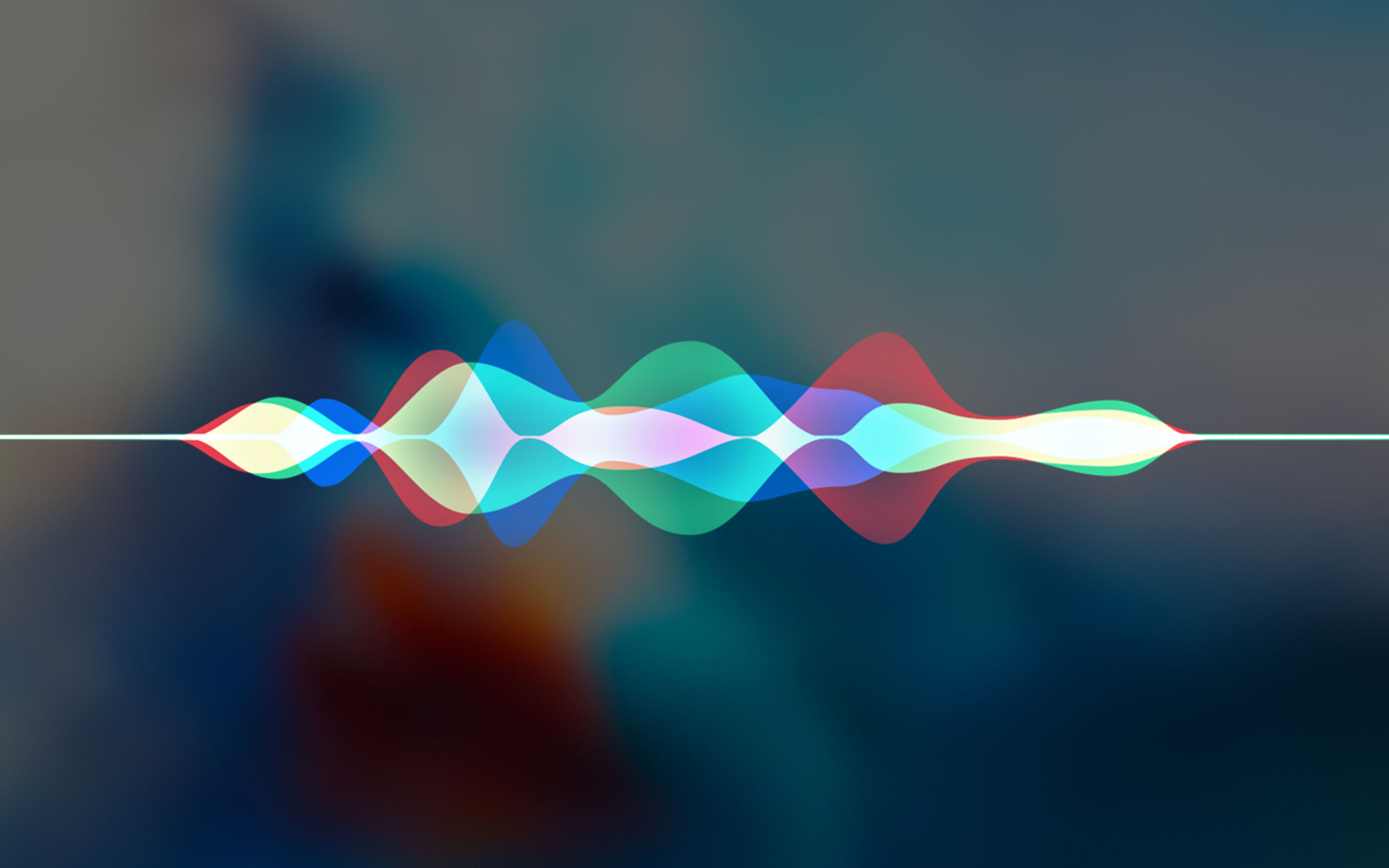
For over a decade, Siri has been the disembodied voice living inside our pockets, a constant companion that resides in the nebulous space between software and personality. Since its debut on the iPhone 4S in 2011, Siri’s visual presence has been limited to abstract iconography—initially a silver microphone, and more recently, a swirling, colorful orb of light that reacts to the cadence of our speech.
However, as we enter the era of spatial computing and advanced generative AI, the question of “what would Siri look like” has shifted from a playful thought experiment into a serious technological challenge. As Apple integrates more sophisticated Large Language Models (LLMs) and expands into hardware like the Vision Pro, the “face” of Siri is poised for a radical transformation. This evolution represents the intersection of user experience (UX) design, human-computer interaction (HCI), and the future of ambient intelligence.

The Evolution of Siri’s Visual Identity
To understand what Siri could look like, we must first examine how her visual representation has evolved within the constraints of mobile hardware. For years, Apple has leaned into minimalism, ensuring that Siri felt like a feature of the operating system rather than a separate entity.
From Skeuomorphism to the Modern Neon Glow
In the early 2010s, Siri’s design reflected Apple’s broader obsession with skeuomorphism—design that mimics real-world objects. The original Siri interface featured a heavy, metallic microphone button and a purple “glow” that suggested the presence of something ethereal but contained. As iOS transitioned to “flat design,” Siri followed suit, eventually landing on the multi-colored waveform we see today. This waveform is a masterclass in abstract communication; it tells the user that the device is listening, processing, and thinking without needing to show a face or a body.
The Psychology of Invisible Interfaces
There is a specific technical intent behind Siri’s current lack of form. By remaining an abstract light, Siri avoids the “Uncanny Valley”—the psychological discomfort humans feel when a digital entity looks almost, but not quite, human. By staying abstract, Siri remains a tool. However, as AI becomes more conversational and proactive, the demand for a more relatable visual anchor is growing. The tech industry is moving away from reactive tools toward proactive “agents,” and agents usually require a more defined presence.
The Rise of Embodied AI: Giving Siri a Digital Face
With the arrival of Apple Intelligence, Siri is becoming significantly more capable. As she gains the ability to understand on-screen context and perform actions across apps, the “orb” might start to feel insufficient. The tech world is currently debating two paths for AI visualization: photorealistic avatars and stylized personas.
Photorealistic Avatars vs. Stylized Personas
If Apple were to give Siri a physical appearance, would she be a photorealistic human? Tech giants like Meta and Google have experimented with lifelike digital humans, but this often leads to a “creepy” factor that doesn’t align with Apple’s friendly, approachable brand.
Instead, industry experts suggest a “stylized” approach. Think of the character design in modern animation—expressive, recognizable, but clearly digital. A “physical” Siri might look less like a person and more like a fluid, three-dimensional entity made of light and glass. This would allow for non-verbal cues—such as a “nod” of light when a command is understood—without the baggage of human anatomical realism.
The Role of Non-Verbal Communication in AI Interaction
In human communication, over 70% of information is conveyed through body language and facial expressions. As Siri evolves into a more sophisticated AI assistant, providing her with a “form” allows for a richer exchange of information. A visual Siri could use “gaze” to show what part of the screen she is focusing on, or use subtle movements to indicate hesitation while searching for an answer. This would reduce the friction of voice-only interactions, where the user is often left wondering if the AI is actually working or merely stuck.

Hardware Manifestations: Wearables and Spatial Computing
The most significant driver of Siri’s potential visual transformation is the shift in hardware. While a phone screen is a 2D plane, devices like the Apple Vision Pro and rumored AR glasses provide a 3D canvas where Siri can finally occupy physical space.
Siri in the Age of Vision Pro and AR
In a spatial computing environment, Siri doesn’t have to stay at the bottom of a screen. She could manifest as a localized “helper” sitting on your desk or a floating guide that leads you through a complex task. Imagine wearing AR glasses while repairing a faucet; Siri could “look” like a set of digital hands overlaying the physical world, showing you exactly where to turn the wrench. In this context, Siri’s appearance is functional rather than just aesthetic. She becomes a spatial entity that understands the geometry of your room.
Ambient Computing: When Siri Becomes Your Environment
The ultimate goal of many tech visionaries is “ambient computing,” where the computer disappears and the interface is the world around you. In this scenario, Siri doesn’t “look” like one thing; she looks like everything. She might look like a subtle highlight on your smart home controls, or a soft glow on your car’s dashboard. This “distributed” appearance means Siri’s form is dictated by the context of the device she is currently inhabiting, morphing from a simple light on a HomePod to a complex 3D avatar in a headset.
The Functional Design: More Than Just Aesthetics
A visual Siri must do more than just look pretty; her appearance must serve a technical purpose. As Apple integrates generative AI, the complexity of the data Siri handles will increase, requiring a visual language that can summarize and present information instantaneously.
Integrating Generative AI into the Visual Experience
When Siri answers a complex question using an LLM, the visual representation can help manage user expectations. For instance, different “states” of light or motion could indicate whether Siri is retrieving a fact from the web, generating a creative response, or performing a secure action on your device. A “form” for Siri would essentially act as a status bar for the AI’s thought process, giving users a clear indication of how the AI is reaching its conclusions.
Privacy and Transparency in Visualized AI
Apple has built its reputation on privacy, and the visualization of Siri plays a key role in this. A physical form for Siri could serve as a “privacy indicator.” For example, when Siri’s digital form is “looking” at you or “listening,” her visual state could change to provide an unmistakable signal that sensors are active. This transparency is vital as AI becomes more integrated into our private spaces. If Siri “looks” like a physical presence, her “eyes” (or their abstract equivalent) become a clear metaphor for data ingestion, making it easier for users to understand when they are being recorded.
The Future of Personal Assistants: A Unified Interface
As we look toward the next decade of technology, the distinction between “software” and “assistant” will continue to blur. Siri’s appearance will likely be the bridge that makes this transition feel natural rather than intrusive.
Customization: Should Siri Look the Same for Everyone?
One of the most intriguing possibilities for a visual Siri is user customization. Just as users can choose different voices for Siri today, the future might allow for “skins” or visual personas. One user might prefer a minimalist geometric shape, while another might want a friendly robotic companion. This level of customization would allow Siri to fit into the aesthetic of different cultures and age groups, making the technology more accessible and personalized.
Conclusion: The Transition from Tool to Companion
Ultimately, what Siri “looks like” is less about pixels and more about the evolution of the relationship between humans and machines. We are moving away from a world where we “use” computers and toward a world where we “collaborate” with AI.
Whether Siri eventually takes the form of a sophisticated 3D avatar in an AR headset or remains a beautifully complex pulse of light on our smartphones, her visual identity will be defined by its ability to build trust. By giving Siri a form—even an abstract one—Apple is creating a more intuitive way for us to navigate the digital world. The future of Siri isn’t just a voice in your ear; it’s a presence that understands you, reacts to you, and finally, has a “face” that reflects the power of the intelligence behind it.
aViewFromTheCave is a participant in the Amazon Services LLC Associates Program, an affiliate advertising program designed to provide a means for sites to earn advertising fees by advertising and linking to Amazon.com. Amazon, the Amazon logo, AmazonSupply, and the AmazonSupply logo are trademarks of Amazon.com, Inc. or its affiliates. As an Amazon Associate we earn affiliate commissions from qualifying purchases.