
Understanding “what your payment would be” is a foundational pillar of sound personal finance, stretching across various aspects of your financial life from loan obligations to income expectations and regular expenditures. Whether you’re contemplating a major purchase, assessing a new job offer, or simply trying to get a handle on your monthly cash flow, demystifying the payment calculation process empowers you to make informed decisions and maintain financial stability. This comprehensive guide delves into the mechanisms behind various types of payments, offering insights and practical tools to gain clarity and control over your financial landscape.

Decoding Loan Payments: Mortgages, Auto Loans, and Personal Debt
The most common scenario prompting the question, “what would my payment be?” often involves a loan. From the largest purchases like a home to everyday necessities like a car, understanding how these payments are structured is critical.
The Mortgage Payment Puzzle
A mortgage payment is typically a complex figure, encompassing more than just the repayment of the borrowed principal. The acronym PITI is often used to describe its core components: Principal, Interest, Taxes, and Insurance.
- Principal: This is the portion of your payment that goes towards reducing the actual loan amount.
- Interest: This is the cost of borrowing money, calculated as a percentage of the remaining principal balance.
- Taxes: Property taxes, levied by local governments, are usually collected by the lender and held in an escrow account, then paid on your behalf.
- Insurance: This includes homeowner’s insurance (protecting against damage to your property) and, if your down payment is less than 20%, Private Mortgage Insurance (PMI), which protects the lender.
Factors influencing your mortgage payment include the loan amount, the interest rate, the loan term (e.g., 15-year or 30-year fixed), and the specific property’s taxes and insurance premiums. An amortization schedule illustrates how the proportion of principal and interest shifts over the loan term, with interest making up a larger portion in the early years.
Understanding Your Auto Loan
Auto loan payments are generally simpler than mortgages but follow similar principles. Your monthly payment is determined by the loan amount (the vehicle’s price minus your down payment), the interest rate, and the loan term (typically 3 to 7 years). A larger down payment, a lower interest rate (often tied to your credit score), and a shorter loan term will result in a lower total cost of the loan and potentially lower monthly payments, though shorter terms often mean higher individual payments. It’s crucial to consider not just the monthly payment but the total interest paid over the life of the loan.
Personal Loans and Credit Card Minimums
Personal loans offer a fixed payment schedule over a set term, making them straightforward to budget for. Payments are calculated based on the loan amount, interest rate, and term, much like auto loans. Credit card payments, however, present a unique challenge. While there is a minimum payment due each month, paying only the minimum can lead to significantly extended repayment periods and substantial interest accumulation, sometimes far exceeding the original purchase price. Understanding the interest rate and the impact of only making minimum payments is vital for avoiding spiraling debt.
The Core Components of Payment Calculation
Beyond the specific type of loan, several universal factors dictate the magnitude of any debt payment. Grasping these core components is essential for effective financial planning and negotiation.
Principal vs. Interest: The Amortization Schedule
Every payment on an amortized loan (like a mortgage, auto, or personal loan) is split between principal and interest. An amortization schedule is a detailed breakdown showing how much of each payment goes towards reducing the principal balance versus covering interest charges. Early in a loan’s life, a larger portion of the payment goes to interest. As the principal balance decreases, a greater share of subsequent payments goes towards principal, accelerating the debt reduction. Understanding this mechanism can motivate strategies like making extra principal payments to shorten the loan term and save on interest.
The Power of the Interest Rate
The interest rate is arguably the most significant determinant of your payment amount and the total cost of borrowing. A higher interest rate directly translates to a higher monthly payment and a greater overall expense over the loan’s lifetime. Differentiating between fixed-rate and variable-rate loans is also crucial. Fixed rates provide predictable payments, offering stability, while variable rates can fluctuate with market conditions, potentially increasing or decreasing your payment amount over time. The Annual Percentage Rate (APR) provides a more comprehensive measure, including not just the interest rate but also certain fees charged by the lender, offering a truer reflection of the total cost of borrowing.
The Role of Loan Term
The loan term, or the length of time you have to repay the loan, directly impacts your monthly payment. A shorter loan term means higher individual monthly payments because you’re paying off the same principal over fewer installments. However, a shorter term almost always results in less total interest paid over the life of the loan. Conversely, a longer loan term leads to lower monthly payments, making the loan more “affordable” on a month-to-month basis, but you will pay significantly more in total interest over time. The optimal term balances your current budget with your long-term financial goals.
The Influence of Fees and Additional Costs
Beyond principal and interest, various fees can subtly increase your payment or the total cost of borrowing. Origination fees, common in mortgages, are charged by the lender for processing the loan. Closing costs cover a range of expenses incurred when finalizing a property transaction. Late payment fees can be substantial and directly impact your budget if not avoided. Some loans may also include prepayment penalties, deterring early repayment. It’s vital to inquire about all potential fees before committing to any loan agreement.
Projecting Your Income: Beyond the Gross Figure
Understanding “what your payment would be” isn’t limited to obligations; it also applies to what you receive. Accurately calculating your take-home pay is as critical as budgeting for expenses.
Gross vs. Net Pay: What You Actually Take Home
When discussing income, the distinction between gross pay and net pay is paramount. Gross pay is your total earnings before any deductions. Net pay, or take-home pay, is the amount you actually receive after all deductions have been made. These deductions typically include federal, state, and local income taxes, Social Security and Medicare contributions (FICA), health insurance premiums, retirement plan contributions (e.g., 401(k)), and other voluntary deductions. For W-2 employees, these deductions are usually automatically withheld. For 1099 independent contractors or self-employed individuals, taxes are not withheld, requiring proactive planning for estimated tax payments throughout the year.
Estimating Variable Income: Freelance & Side Hustles
For individuals with variable income streams, such as freelancers, gig workers, or those with side hustles, estimating monthly payments (income) requires a different approach. It’s often prudent to base your budget on a conservative estimate of your income, perhaps the lowest earnings from the past few months, or average over a longer period. Tracking all income meticulously and maintaining a buffer in savings are essential strategies for navigating fluctuating earnings. Tools that help categorize and track income can be invaluable for projecting future cash flow.
Planning for One-Off Payments and Windfalls
Beyond regular salary, you might receive one-off payments like bonuses, tax refunds, or inheritances. While these aren’t regular “payments” in the monthly sense, understanding their impact and planning their use is a key financial decision. Consider immediate financial goals like paying down high-interest debt, building an emergency fund, or investing for the future, while also being mindful of potential tax implications for larger sums.
Mastering Your Regular Outgoings: Bills and Budgeting
Regular bills represent another significant category where understanding “what my payment would be” is crucial for financial management. These are the recurring expenses that form the backbone of your monthly budget.
Categorizing Your Monthly Bills
Bills can generally be categorized as fixed or variable. Fixed expenses, such as rent/mortgage, loan payments, and subscription services, remain largely consistent each month. Variable expenses, like utilities (electricity, water), groceries, and transportation costs, fluctuate based on usage and habits. Accurately categorizing and tracking these expenses provides a clear picture of where your money is going and identifies areas where adjustments can be made.
The Importance of a Budget
A well-structured budget is the ultimate tool for anticipating and managing all your payments, both incoming and outgoing. By creating a budget, you allocate your income to various expense categories, ensuring you have enough to cover all your obligations while also saving for future goals. Popular budgeting methods include the 50/30/20 rule (50% needs, 30% wants, 20% savings/debt repayment) or zero-based budgeting, where every dollar is assigned a purpose. A budget provides clarity on what payments are due, when they are due, and how they fit into your overall financial plan.
Automating Payments for Peace of Mind
Setting up automatic payments for fixed monthly bills is an effective strategy to avoid late fees, protect your credit score, and reduce the mental burden of remembering due dates. While automation is highly beneficial for predictable expenses, it’s prudent to regularly review variable automated payments (like utility bills) to ensure accuracy and prevent unexpected charges. Ensure you have sufficient funds in your account to cover automated debits to avoid overdraft fees.
Leveraging Financial Tools for Clarity and Control
In the digital age, a myriad of financial tools are available to help you quickly ascertain “what your payment would be” and manage your finances with greater precision.
Online Loan Calculators
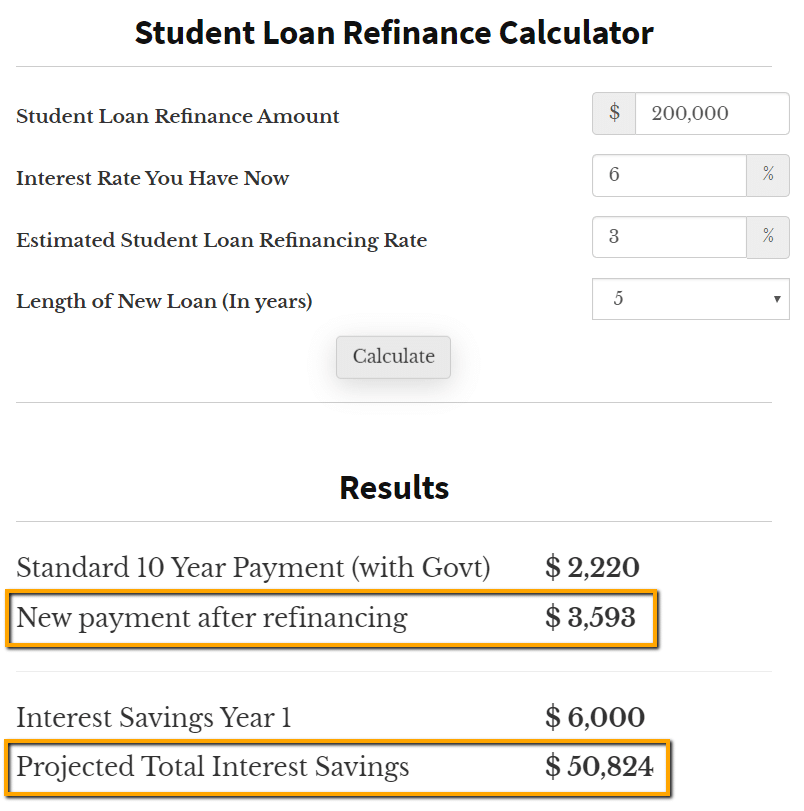
For quick and accurate estimates of loan payments, online loan calculators are indispensable. Mortgage calculators allow you to input loan amounts, interest rates, and terms to see estimated monthly PITI payments. Auto loan calculators perform similar functions. Personal loan calculators help you understand monthly installments based on your borrowing needs. These tools empower you to model different scenarios, such as the impact of a higher down payment or a shorter loan term, before committing to a loan.
Budgeting Apps and Software
Digital budgeting apps and software have revolutionized personal finance management. Platforms like Mint, YNAB (You Need A Budget), and Personal Capital connect directly to your bank accounts and credit cards, automatically categorizing transactions. This provides real-time insights into your spending habits, helps track income, and allows you to monitor all your payments in one centralized dashboard. These tools simplify the budgeting process, making it easier to stick to your financial plan.
Spreadsheet Power: DIY Payment Tracking
For those who prefer a more hands-on approach, spreadsheets (like Microsoft Excel or Google Sheets) offer robust capabilities for payment tracking and financial planning. You can create customized templates to monitor income, list all recurring bills and their due dates, track loan amortization, and even project future cash flow. Spreadsheets provide a high degree of flexibility and control, allowing you to tailor your financial tracking system to your specific needs.

Seeking Professional Financial Advice
While many payment calculations and budgeting tasks can be managed independently, complex financial situations may warrant professional advice. A certified financial planner can help analyze intricate loan structures, optimize investment strategies, develop comprehensive retirement plans, or navigate significant financial life events. Their expertise can provide clarity and ensure your payment strategies align with your broader financial objectives.
By diligently addressing “what your payment would be” across all facets of your financial life—from loan obligations and income projections to everyday expenses—you establish a solid foundation for financial well-being and long-term security. Utilizing the right tools and adopting a proactive mindset empowers you to take control and make confident financial decisions.
aViewFromTheCave is a participant in the Amazon Services LLC Associates Program, an affiliate advertising program designed to provide a means for sites to earn advertising fees by advertising and linking to Amazon.com. Amazon, the Amazon logo, AmazonSupply, and the AmazonSupply logo are trademarks of Amazon.com, Inc. or its affiliates. As an Amazon Associate we earn affiliate commissions from qualifying purchases.