
In today’s competitive landscape, a background check serves as a critical gatekeeper for countless opportunities, from securing employment and housing to accessing financial services and even establishing professional partnerships. For individuals navigating the intricate world of personal and business finance, understanding the specific triggers that can lead to a failed background check is paramount. Such a failure isn’t merely a temporary setback; it can cast a long shadow over one’s financial future, restricting access to income streams, credit, and vital resources.
The scrutiny of a background check extends far beyond a simple criminal record inquiry. It delves into a comprehensive array of an individual’s financial history, professional integrity, and legal standing. For anyone aiming to maintain a robust financial profile, secure lucrative positions, or safeguard their economic stability, a clear understanding of what constitutes a “red flag” is essential.
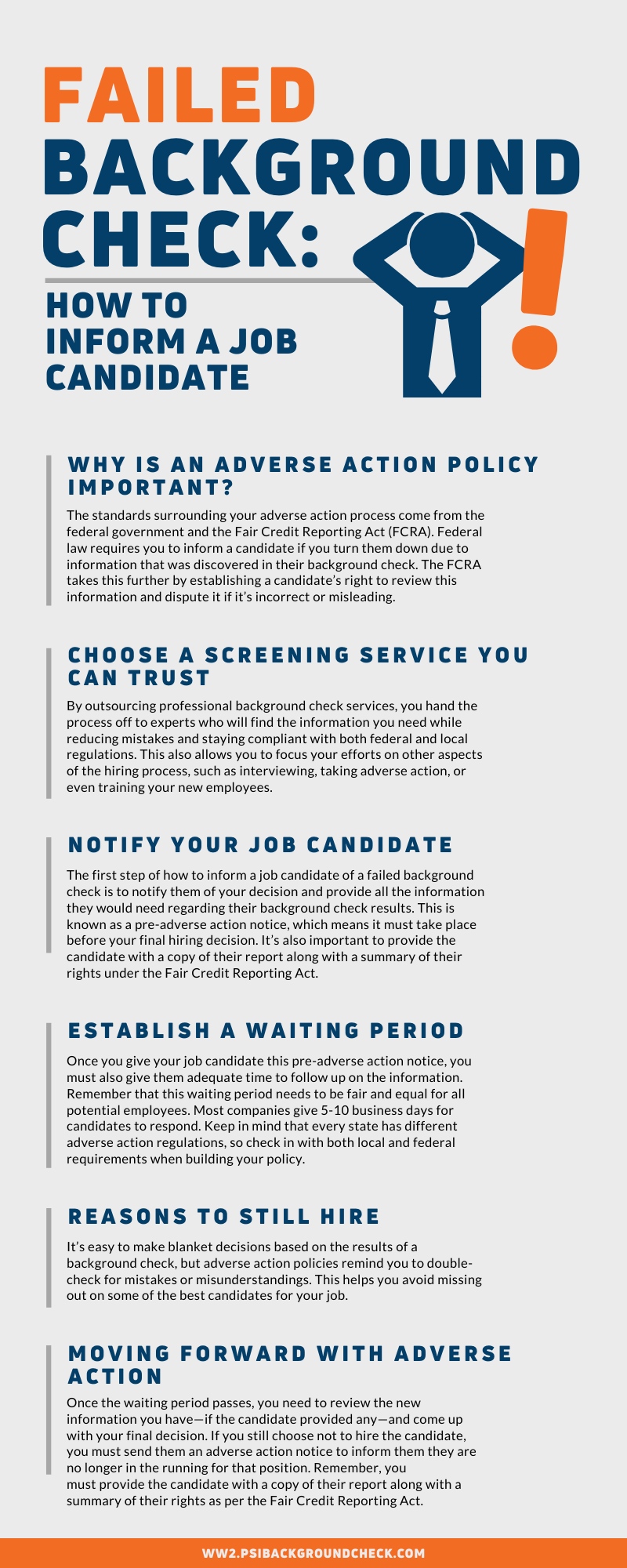
The Financial Red Flags: Credit and Debt History
A significant portion of any comprehensive background check focuses on an individual’s financial integrity and management capabilities. This is particularly true for roles that involve handling money, sensitive financial data, or positions of significant trust.
Damaged Credit Scores
Your credit score is a numerical representation of your creditworthiness, derived from your borrowing and repayment history. A low credit score signals to potential employers, landlords, and lenders that you may pose a higher financial risk. This could be due to a history of missed payments, high credit utilization, or numerous collection accounts. While a credit score itself isn’t always a direct “fail” component in every background check, a score indicating severe financial distress often prompts further investigation and can be a disqualifying factor for roles requiring financial responsibility or security clearances.
Bankruptcies and Foreclosures
Major financial events such as personal bankruptcies or home foreclosures are unequivocal indicators of past financial instability. These public records remain on your credit report for several years (typically 7-10 years for bankruptcy), serving as a significant alert during a background check. For positions involving fiduciary duties, asset management, or high-level financial strategy, a history of bankruptcy or foreclosure can be an immediate disqualifier, as it suggests an inability to manage personal finances, raising concerns about managing corporate or client funds.
Unresolved Debts and Liens
Unpaid debts that have escalated to court judgments or tax liens are serious red flags. A judgment indicates that a court has ruled you owe a specific sum of money, while a tax lien signifies that the government has a legal claim to your property due to unpaid taxes. Both demonstrate a failure to meet financial obligations and can be publicly accessible. Similarly, a pattern of collection accounts, even without formal judgments, can paint a picture of financial irresponsibility that can derail opportunities requiring a clean financial bill of health.
History of Financial Mismanagement
Beyond specific incidents, a discernible pattern of poor financial decisions can be a significant concern. This might include frequent loan defaults, continuous overdrafts, or an inability to manage budget within one’s means. While more subtle than a bankruptcy, a track record of financial mismanagement can be inferred from credit reports and, if severe enough, can lead to a failed background check for roles where financial prudence is a core requirement.
Criminal History with Financial Implications
Criminal records are a cornerstone of almost every background check. When these records involve offenses related to money, fraud, or theft, they become particularly damaging, especially for roles within the “Money” category.
Fraud and Embezzlement Convictions
Convictions for financial fraud, such as credit card fraud, insurance fraud, or tax fraud, are almost always disqualifying. Embezzlement, which involves the misappropriation of funds entrusted to an individual, is another severe offense. These crimes directly undermine trust and integrity, making it virtually impossible to secure positions that involve handling money, managing budgets, or advising clients on financial matters. The perceived risk of such an individual re-offending or compromising an organization’s financial health is too high.
Theft and Robbery
While not always “financial” in the white-collar sense, convictions for theft or robbery clearly demonstrate a propensity to illegally acquire assets or property. For any role where trust is paramount – from retail to high finance – a history of theft, regardless of the amount, poses a substantial risk. Employers are reluctant to hire individuals who have demonstrated a willingness to steal, as it questions their overall honesty and reliability.
Identity Theft and Cybercrime
In the digital age, identity theft and various forms of cybercrime (e.g., phishing scams, unauthorized access to financial accounts) have become increasingly prevalent. Convictions for these offenses are particularly damning, as they involve sophisticated manipulation and direct financial harm to victims. Given the pervasive reliance on digital systems for financial transactions and data storage, individuals with such records are typically deemed too great a risk for any position that requires access to sensitive information or digital infrastructure.
Other Felony Convictions
Beyond specific financial crimes, any felony conviction can significantly impact your ability to pass a background check, particularly if the felony demonstrates a lack of judgment, responsibility, or adherence to the law. While a felony might not be directly financial, the perception of unreliability or a compromised ethical compass can be a deterrent for employers seeking trustworthy individuals, especially in roles within regulated financial sectors.
Employment and Education Verification Anomalies
A background check often scrutinizes an applicant’s professional and academic history to verify claims made on resumes and applications. Discrepancies here can signal dishonesty, which is a significant deterrent for financial roles.
Fabricated Employment History
Lying about past employment, including job titles, dates of employment, or responsibilities, is a serious offense that will almost certainly lead to a failed background check. This is particularly scrutinized for positions requiring a specific career trajectory or level of experience in financial management, analysis, or advisory roles. Employers rely on this information to assess competence and relevant expertise, and any fabrication immediately raises questions about an applicant’s integrity.
Inflated Salary Claims
While seemingly minor, misrepresenting past earnings can be a significant red flag. Companies often verify salary histories, especially for senior or highly compensated positions, to ensure fair compensation and manage budget expectations. Inflated claims indicate dishonesty and can undermine trust, leading to disqualification, as it suggests a willingness to mislead for personal gain.
Discrepancies in Educational Credentials
Falsifying academic degrees, institutions attended, or professional certifications is a clear act of deception. For roles in finance that often require specific qualifications (e.g., MBA, CFA, CPA), discrepancies in educational credentials are an absolute deal-breaker. Employers need to ensure that candidates possess the requisite knowledge and legitimacy for high-stakes financial responsibilities.
Unexplained Gaps or Frequent Job Changes
While not always a direct cause for failure, significant unexplained gaps in employment history or a pattern of very frequent job changes can raise concerns. Employers may interpret this as instability, a lack of commitment, or an attempt to hide negative past experiences. For roles demanding long-term commitment, stability, and a consistent track record, these patterns may prompt further scrutiny and, if inadequately explained, could lead to a less favorable assessment.
Legal and Regulatory Violations Impacting Financial Trust
Beyond general criminal records, specific legal and regulatory breaches are particularly damaging within the financial sector.
Securities Violations
For individuals aspiring to work in investment banking, asset management, or any capacity within the securities industry, a history of securities violations (e.g., insider trading, market manipulation, unregistered securities offerings) is an immediate and absolute disqualifier. Regulatory bodies like the SEC maintain extensive records, and firms are legally obligated to bar individuals with such histories from involvement in regulated financial markets.
Regulatory Fines and Penalties
Non-compliance with industry-specific regulations, leading to fines or penalties from bodies like FINRA, the CFPB, or state banking departments, indicates a failure to adhere to professional standards. This is especially damaging for roles that require licenses or involve interaction with regulated financial products and services. A history of regulatory breaches signals a high risk of future non-compliance, which can expose firms to legal and financial liabilities.
Professional License Revocations
If a candidate’s professional license (e.g., CPA, CFP, Series 7) has been revoked or suspended due to unethical conduct, professional negligence, or financial impropriety, it is an insurmountable barrier to employment in any field requiring such a license. The revocation itself is public record and signifies a profound breach of professional trust and competency.
The Ripple Effect: Consequences for Your Financial Future
Failing a background check extends far beyond the immediate loss of a single opportunity; it creates a ripple effect that can significantly impede an individual’s financial trajectory.
Employment Barriers
The most immediate and profound consequence is the difficulty in securing gainful employment. Many industries, particularly finance, healthcare, government, and education, mandate rigorous background checks. A failed check can prevent access to entire sectors, forcing individuals into less desirable or lower-paying jobs, directly impacting their income potential and financial stability.
Housing Challenges
Landlords frequently conduct background checks, including credit checks and criminal history reviews. A poor credit score due to past financial mismanagement or a criminal record can make it extremely challenging to rent an apartment or home, potentially leading to increased housing costs or limited options.
Access to Financial Services
A damaged financial history can restrict access to essential financial services. Obtaining loans, mortgages, or even certain types of insurance becomes more difficult and expensive. Lenders view individuals with problematic backgrounds as higher risk, often resulting in higher interest rates, stricter terms, or outright denial of credit.

Entrepreneurial Hurdles
For those with entrepreneurial ambitions, a failed background check can present significant obstacles. Securing business loans, attracting investors, or forming partnerships often requires personal credit checks and a clear financial history. A history of financial missteps or legal troubles can undermine confidence in a prospective business owner’s ability to manage finances effectively, impeding growth and success.
In conclusion, understanding the multifaceted nature of background checks, particularly their focus on financial integrity and related legal and professional conduct, is critical for anyone aiming to safeguard their economic future. Proactive measures—maintaining strong credit, upholding legal and ethical standards, and ensuring accuracy in all professional representations—are indispensable strategies for navigating these gatekeepers successfully and building a secure financial foundation.
aViewFromTheCave is a participant in the Amazon Services LLC Associates Program, an affiliate advertising program designed to provide a means for sites to earn advertising fees by advertising and linking to Amazon.com. Amazon, the Amazon logo, AmazonSupply, and the AmazonSupply logo are trademarks of Amazon.com, Inc. or its affiliates. As an Amazon Associate we earn affiliate commissions from qualifying purchases.