
The decision to get a nose stud, or any body modification, often comes with a significant “what if” factor. Before making a permanent change, individuals naturally wonder how it will alter their appearance, complement their features, or align with their personal style. Historically, this curiosity was satisfied through guesswork, temporary adhesive studs, or simply taking the leap. Today, technology offers sophisticated, risk-free solutions, transforming the speculative “what would I look like” into an interactive, visual exploration. Augmented Reality (AR), Artificial Intelligence (AI), and advanced photo editing software have emerged as indispensable tools for virtually trying on a nose stud, providing unprecedented control and insight into one’s potential new look.

The Dawn of Digital Styling: AR and AI in Personal Aesthetics
The digital revolution has profoundly impacted how we interact with our own image and experiment with personal aesthetics. What once required a trip to a stylist or a leap of faith can now be simulated with remarkable accuracy from the comfort of one’s home. At the forefront of this transformation are Augmented Reality (AR) and Artificial Intelligence (AI), technologies that have moved beyond gaming and enterprise applications to become integral parts of personal styling and self-discovery.
Augmented Reality: Bringing Virtual Piercings to Life
Augmented Reality technology overlays digital information onto the real world, allowing users to interact with virtual objects as if they were physically present. For virtual try-ons, AR applications utilize a device’s camera to capture a live feed of the user’s face. Advanced facial recognition algorithms identify key anatomical points, such as the nose, enabling the precise placement and tracking of a virtual nose stud. As the user moves their head, the digital piercing remains accurately anchored, offering a dynamic and realistic preview.
The efficacy of AR for virtual piercings stems from several technical advancements:
- Real-time Tracking: Sophisticated algorithms continuously track facial movements and expressions, ensuring the virtual stud moves naturally with the user’s head.
- Realistic Rendering: High-fidelity 3D models of various stud types (e.g., labret, nostril screw, hoop) are rendered with accurate lighting, shadows, and material properties (e.g., silver, gold, diamond) to mimic how they would appear under different conditions.
- Depth Perception: Some advanced AR systems can estimate depth, allowing the virtual stud to appear correctly in front of or behind facial features, enhancing realism.
The accessibility of AR through smartphone apps has democratized this technology, making it a ubiquitous tool for anyone considering a nose stud. Users can experiment with different sizes, materials, and placements, instantly seeing the results reflected on their live image. This iterative process allows for informed decision-making without any physical commitment or discomfort.
Artificial Intelligence: Predicting and Personalizing Your Look
While AR excels at real-time visualization, Artificial Intelligence, particularly through machine learning and generative adversarial networks (GANs), takes the concept of virtual try-on a step further by offering predictive and personalized styling. AI models, trained on vast datasets of images, can analyze a user’s facial structure, skin tone, and existing features to suggest optimal piercing placements, styles, and sizes that would be most flattering.
The role of AI extends to:
- Style Recommendations: AI algorithms can learn user preferences and existing aesthetics to recommend nose stud styles that complement their overall look, moving beyond simple visualization to intelligent suggestion.
- Generative Styling: Advanced AI tools can generate entirely new images of the user with a nose stud, often integrating it so seamlessly that it’s indistinguishable from a real photograph. This involves understanding lighting, texture, and facial contours to create a truly integrated digital modification.
- Predictive Analysis: Beyond merely showing a nose stud, AI can analyze subtle nuances of how a piercing might alter perceptions of facial symmetry, age, or expressiveness, providing deeper insights than simple visual overlays.
The synergy between AR and AI is powerful: AR provides the interactive, real-time experience, while AI enhances it with intelligent recommendations and hyper-realistic, often generative, visual outputs. This combination empowers users not just to see a nose stud, but to understand its potential impact on their entire aesthetic.
Top Digital Platforms for Virtual Piercing Try-On
A growing ecosystem of applications and software platforms specifically caters to the virtual try-on experience. These tools vary in their technical sophistication, ease of use, and the depth of customization they offer, but all share the common goal of digitally answering the “what would I look like” question.
Dedicated Mobile AR Apps
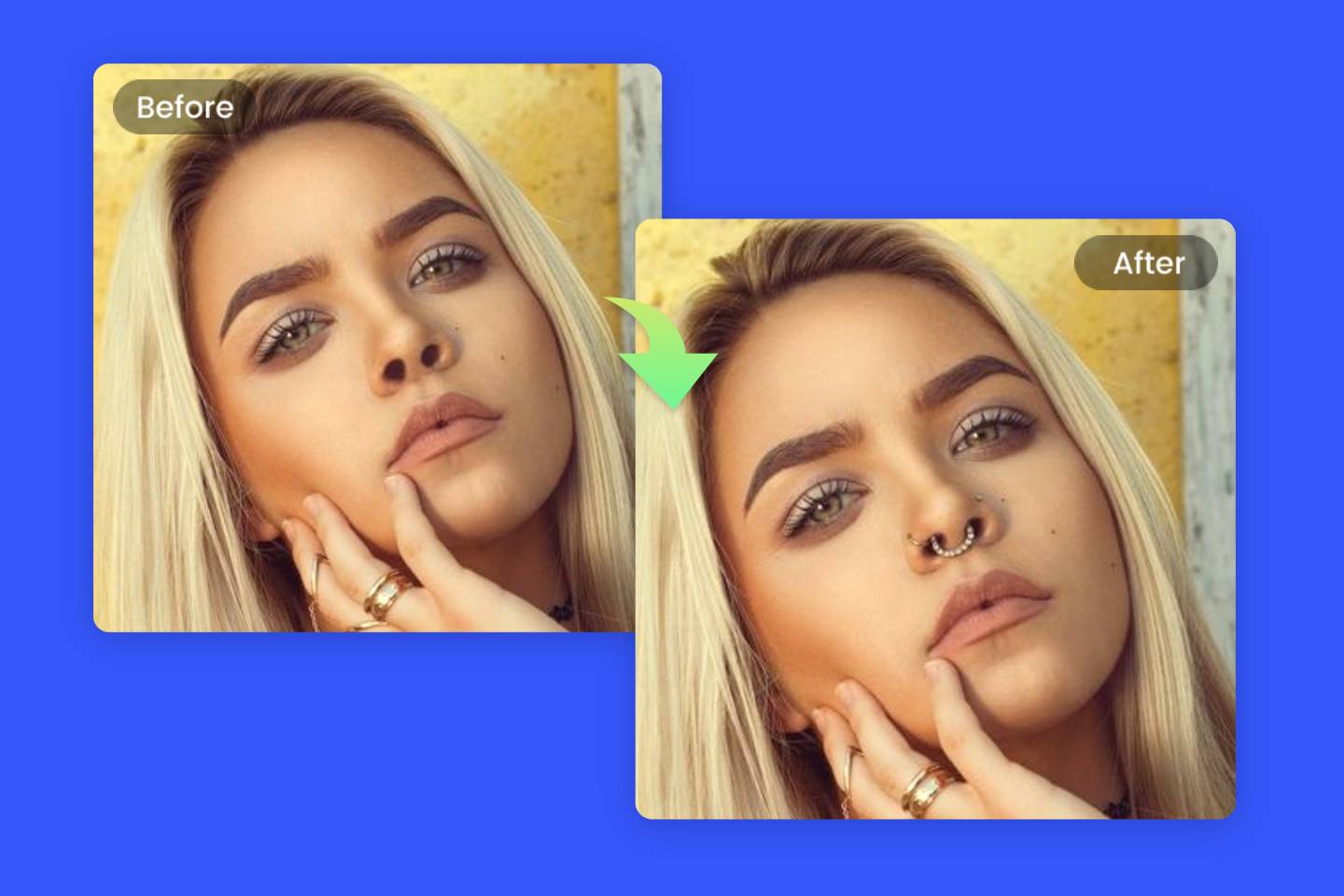
The most accessible entry point for virtual nose stud try-ons are mobile applications available on iOS and Android. These apps typically leverage the device’s front-facing camera and integrate AR capabilities to provide an immediate, interactive experience.
- Functionality: Users select from a library of virtual piercings (studs, hoops, rings) and position them on their nose using touch gestures. The app overlays the chosen piercing onto the live camera feed. Many allow users to save images or record videos of their virtual look.
- Technical Features: Key technical aspects include robust facial recognition for accurate placement, real-time rendering for minimal latency, and often, an array of material and gemstone options. Some apps also incorporate basic lighting adjustments to better match the virtual object to the real environment.
- Pros: High accessibility, instant feedback, ease of use, and the ability to experiment rapidly with multiple styles.
- Cons: Realism can vary significantly between apps; precise customization might be limited compared to professional photo editing software.
Examples often include “Piercing Photo Editor” type applications or general beauty try-on apps that have expanded to include piercings. The underlying tech is built on mobile AR frameworks like Apple’s ARKit or Google’s ARCore.
Advanced Photo Editing Software and AI Tools
For those seeking a higher degree of realism and customization, advanced photo editing software, often augmented by AI plugins or features, provides unparalleled control.
Professional Photo Editing (e.g., Adobe Photoshop, GIMP)
These powerful desktop applications allow users to manually insert and manipulate images of nose studs onto their existing photographs. While requiring more technical skill, the results can be virtually indistinguishable from a real piercing.
-
Technical Process:
- Image Selection: Start with a high-resolution, well-lit photograph of your face.
- Resource Gathering: Find high-quality images of nose studs from various angles and materials.
- Layer-Based Editing: Import the nose stud image as a new layer.
- Transformation: Scale, rotate, and position the stud accurately over the desired piercing spot.
- Blending and Adjustment:
- Lighting and Shadows: Crucially, adjust the stud’s lighting to match the photograph’s environment. This often involves using blending modes (e.g., Multiply for shadows, Screen for highlights) and painting subtle shadows beneath the stud.
- Color Matching: Use color correction tools to match the stud’s material color to the photo’s overall tone.
- Reflections and Highlights: Add subtle highlights to simulate the metallic or reflective properties of the stud, ensuring it catches light realistically.
- Depth and Contours: Use warp or liquefy tools to subtly conform the stud to the natural curvature of the nose, making it appear embedded rather than just pasted on.
- Refinement: Apply sharpening or noise reduction as needed to blend the stud seamlessly into the photograph.
-
Pros: Unmatched realism and customization, complete control over every aspect of the virtual piercing.
-
Cons: Steep learning curve, time-consuming, requires access to professional software.
AI-Powered Image Generators and Modifiers
The rise of generative AI has introduced a new paradigm for digital try-ons. Tools utilizing models like Diffusion models (e.g., Midjourney, Stable Diffusion) or sophisticated image manipulation AI can generate or modify images with incredible realism.
- How it Works: Users can upload a photo of themselves and then use text prompts to instruct the AI to “add a small silver nose stud on the left nostril.” The AI processes the image and the prompt, generating a new version of the photo with the specified piercing, often adjusting lighting, texture, and reflections automatically to ensure seamless integration.
- Technical Underpinnings: These AIs leverage deep learning models trained on millions of images to understand how objects like nose studs appear in various contexts, lighting conditions, and on different facial structures. They can synthesize new pixels in a way that is consistent with the rest of the image.
- Pros: Extremely realistic results with minimal effort, rapid iteration of different styles, ability to generate complex scenarios (e.g., “a golden nose ring with intricate filigree”).
- Cons: May require access to specific AI platforms, results can sometimes be unpredictable, and fine-tuning may still require some traditional editing.

The Future of Virtual Try-On: Beyond the Nose Stud
The technological advancements powering virtual nose stud try-ons are merely a microcosm of a broader trend in personal technology. The capabilities of AR and AI are rapidly expanding to encompass a full spectrum of personal styling and modification.
Looking ahead, we can anticipate:
- Hyper-Personalized Styling: AI will become even more sophisticated, not just suggesting but designing custom jewelry or modifications tailored to an individual’s unique biometric data, style preferences, and even personality traits inferred from digital footprints.
- Volumetric Video Integration: As 3D scanning and volumetric video capture become more commonplace, virtual try-ons will transition from 2D photos or live feeds to fully interactive 3D avatars of oneself, allowing for inspection from all angles with perfect realism.
- Haptic Feedback: While still nascent, the integration of haptic technology could one day simulate the sensation of wearing a virtual item, adding another layer of immersion to the try-on experience.
- Cross-Platform Consistency: Expect seamless transitions between trying on a nose stud in a mobile AR app, then refining it in desktop software, and finally generating a hyper-realistic portfolio image with an AI tool, all while maintaining consistent asset quality and realism.
- Ethical AI in Aesthetics: As these tools become more powerful, there will be an increasing focus on developing ethical AI that avoids biases in recommendations and promotes healthy self-image, ensuring these technologies empower users positively.
The journey from wondering “what would I look like” to seeing an accurate digital representation has been revolutionized by technology. Whether through the immediate gratification of an AR app, the meticulous control of photo editing software, or the generative power of AI, individuals now possess an unprecedented array of tools to explore their personal aesthetic before making any permanent choices. The nose stud is just one example, signaling a future where digital visualization becomes a standard, indispensable step in personal expression and self-discovery.
aViewFromTheCave is a participant in the Amazon Services LLC Associates Program, an affiliate advertising program designed to provide a means for sites to earn advertising fees by advertising and linking to Amazon.com. Amazon, the Amazon logo, AmazonSupply, and the AmazonSupply logo are trademarks of Amazon.com, Inc. or its affiliates. As an Amazon Associate we earn affiliate commissions from qualifying purchases.