
The Call to Action (CTA) in a lead nurture email is a critical strategic element, serving as the bridge between valuable content and the prospect’s next step in their journey with a brand. Unlike transactional emails that often push for an immediate sale, lead nurture CTAs are nuanced, reflecting the evolving relationship and the incremental progress a lead makes through the sales funnel. They are designed to guide, educate, and engage, ultimately moving the lead closer to a conversion event, all while reinforcing the brand’s value proposition and trustworthiness.
The Strategic Imperative of CTAs in Lead Nurturing
In the realm of brand strategy and marketing, lead nurturing is a marathon, not a sprint. Its success relies on delivering the right message, to the right person, at the right time. The CTA is the pivotal mechanism that orchestrates this progression. Without a clear, compelling CTA, even the most insightful and valuable email content can fall flat, leaving the lead unsure of what to do next or how to further engage with the brand. This stagnation is detrimental to the customer journey and dilutes the investment in content creation.

Effective lead nurture CTAs transform passive content consumption into active engagement. They acknowledge that a prospect is likely not ready for a hard sell but is open to further interaction, deeper information, or exploration of solutions relevant to their evolving needs. This understanding is foundational to building a robust brand and nurturing enduring customer relationships. It prioritizes the lead’s experience and natural progression over an immediate, often premature, transactional outcome. The CTA, therefore, isn’t just a button; it’s a strategic directive that aligns the lead’s intent with the brand’s desired outcome for that specific stage of engagement.
Tailoring CTAs to the Lead Nurture Journey Stages
The art of lead nurturing lies in its phased approach, recognizing that a cold lead requires a different interaction than one poised for purchase. Brands must meticulously align their CTAs with the lead’s current position within the sales funnel, typically categorized as Awareness, Consideration, and Decision stages, ensuring brand messaging remains relevant and persuasive throughout.
Awareness Stage CTAs: Educate and Engage
At the initial phase of the customer journey, leads are often just discovering a problem or beginning to research a general area of interest. The brand’s role is to educate, provide broad value, and establish itself as a trusted authority without any overt selling. CTAs at this stage are characterized by low commitment and an information-first approach. They aim to deepen the lead’s understanding of their challenge while subtly positioning the brand as a helpful resource. This builds initial brand credibility and initiates a relationship based on shared knowledge and value exchange.
Examples:
- “Download Your Free E-book: [Relevant Industry Topic]”
- “Read Our Latest Research Report on [Problem Area]”
- “Watch Our Explainer Video on [Concept]”
- “Explore Our Blog for More Insights on [General Topic]”
- “Subscribe to Our Weekly Newsletter for Industry Trends”
Consideration Stage CTAs: Deepen Engagement and Solution Exploration
As leads progress to the consideration stage, they have acknowledged their problem and are actively researching potential solutions. Here, CTAs should guide them towards content that helps them evaluate options and understand how the brand’s specific offerings address their needs. The commitment level subtly increases, but direct selling is often still premature. These CTAs aim to demonstrate the brand’s unique value proposition, highlight its differentiators, and provide social proof, solidifying the brand’s identity as a viable problem-solver.
Examples:
- “Download Our Product Comparison Guide”
- “Register for a Live Demo of [Solution]”
- “View a Case Study: How [Client] Achieved [Result]”
- “Read Customer Success Stories”
- “Learn More About Our [Specific Feature/Service]”
- “Join Our Community Forum to Discuss Solutions”
Decision Stage CTAs: Convert and Commit
At the bottom of the funnel, leads are poised to make a purchase or commit to the next significant step. They have a clear understanding of their problem, have evaluated various solutions, and are now comparing specific vendors. CTAs at this stage must be direct, clear, and laser-focused on conversion. They represent the culmination of the nurturing process, designed to close the deal or transition the lead into a sales-qualified opportunity. These CTAs must be compelling, articulate the final value proposition, and remove any remaining barriers to conversion, delivering on the brand’s promises made throughout the nurturing sequence.
Examples:
- “Start Your Free Trial Today”
- “Request a Personalized Consultation”
- “Get a Custom Quote for Your Needs”
- “Schedule a Discovery Call with Our Experts”
- “Buy Now and Get [Specific Benefit/Discount]”
- “Sign Up for [Service/Product]”
Crafting Irresistible Nurture Email CTAs
Beyond aligning CTAs with the lead journey, the actual construction of these calls to action demands meticulous attention to detail, psychological insight, and unwavering brand consistency. A well-crafted CTA is not just functional; it’s an extension of the brand’s voice and commitment to the customer experience.

Clarity, Conciseness, and Value Proposition
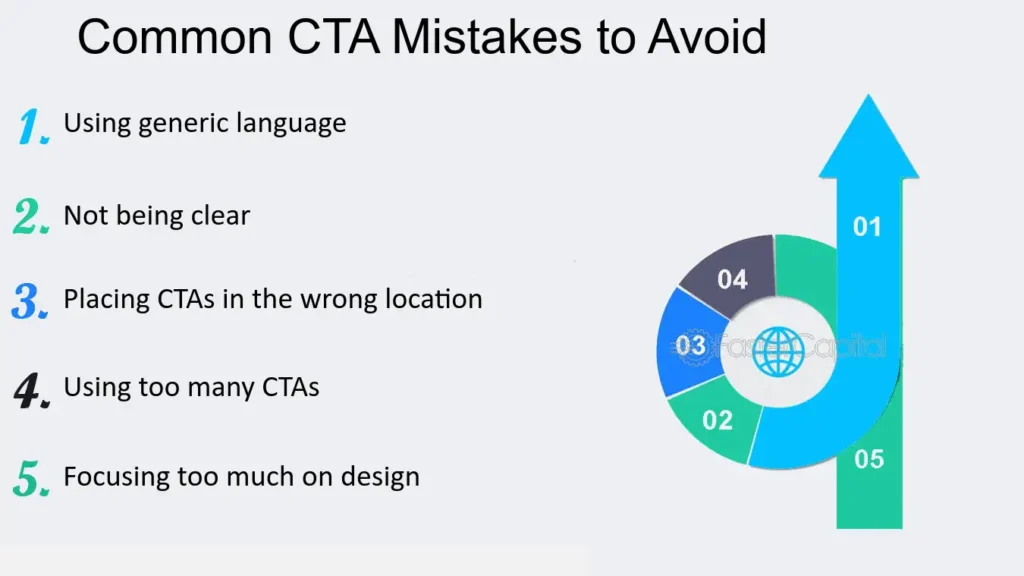
An effective CTA must instantaneously communicate what will happen upon clicking and, more importantly, why that action benefits the lead. Ambiguity is a conversion killer. Strong, action-oriented verbs are essential. For example, “Unlock Your Free Template” is far more compelling and value-driven than a generic “Click Here.” The CTA should succinctly reiterate the value proposition of the linked content or action, making the benefit immediate and apparent. Conciseness is also key; most impactful CTAs are between 2-5 words, cutting through noise and providing immediate, clear direction.
Strategic Placement and Visual Prominence
The CTA needs to be effortlessly discoverable. While a common placement is at the email’s conclusion, strategic integration within the email body can also be highly effective if it naturally follows the content. Visually, the CTA button or link must command attention. This involves utilizing contrasting colors (while adhering to brand guidelines), ensuring ample white space surrounding it, and sizing it for easy clicking on all devices. A robust visual hierarchy ensures the reader’s eye is instinctively drawn to the desired action, reinforcing the brand’s professionalism and user-friendliness.
Personalization and Relevance
Generic CTAs rarely inspire action. True personalization extends beyond merely addressing the lead by name; it means ensuring the CTA is profoundly relevant to their expressed interests, past interactions, or demographic profile. If a lead has shown interest in “advanced data analytics,” a CTA like “Download Our Guide to Predictive Analytics” will resonate far more powerfully than a blanket “View All Our Services.” This level of relevance underscores the brand’s understanding of its audience and fosters a deeper connection. Dynamic content insertion can further enhance this, allowing the CTA text or even the linked destination to adapt based on specific lead attributes, making each email feel uniquely tailored.
Psychological Triggers and Subtle Urgency
While nurture CTAs generally steer clear of aggressive, high-pressure urgency, subtle psychological triggers can be remarkably effective. Phrases such as “Discover how to…” or “Get instant access” imply immediate benefit and empower the lead. Addressing potential objections directly within the CTA, or hinting at a solution, can also boost click-through rates. For example, “Start Your Free Trial – No Credit Card Required” removes a common barrier and builds trust, aligning with a brand’s goal of a seamless customer experience. Brands can leverage A/B testing to identify which subtle triggers resonate most effectively with their specific target audience.
Measuring and Optimizing Your Nurture CTA Strategy
The journey of effective lead nurturing is continuous, necessitating ongoing measurement and optimization to ensure CTAs are performing at their peak. This iterative process is fundamental to successful brand marketing and maximizing ROI.
Key Performance Indicators (KPIs)
To gauge CTA effectiveness, brands must track specific metrics:
- Click-Through Rate (CTR): This essential metric reveals the percentage of recipients who clicked the CTA. A low CTR signals issues with the CTA’s compelling nature, placement, or relevance.
- Conversion Rate: This measures how many leads completed the intended action after clicking the CTA (e.g., downloading a resource, registering for an event, initiating a trial). It assesses the quality of the landing page and the alignment between the CTA’s promise and the actual offering.
- Engagement Metrics: While not directly CTA-specific, metrics like email open rates and time spent on linked content provide crucial context, indicating the overall effectiveness of the email in capturing attention, which directly impacts CTA visibility and intent.
- Lead Progression Rate: This critical KPI tracks how many leads successfully advanced from one nurture stage to the next after engaging with a specific CTA, offering insights into the CTA’s effectiveness in guiding the customer journey.
A/B Testing and Iteration
Assuming an initial CTA is optimal is a common pitfall. A/B testing is indispensable for continuous optimization. Brands should rigorously test various elements:
- CTA text: Compare phrases like “Download Now” versus “Get Your Free Guide.”
- Button attributes: Experiment with different colors, sizes, and shapes, adhering to brand guidelines.
- Placement: Determine the ideal location within the email (top, middle, bottom).
- Number of CTAs: Test the impact of a single primary CTA versus multiple secondary options (generally, fewer CTAs lead to greater focus).
- Format: Assess whether a visually prominent button outperforms a hyperlinked text.
Small, data-driven iterative changes can yield substantial improvements in engagement and conversion rates, ultimately strengthening the brand-lead relationship and marketing ROI. Documenting these tests and their outcomes builds an invaluable knowledge base for future campaigns.
Feedback Loops and Lead Behavior Analysis
Beyond quantitative metrics, analyzing qualitative feedback and broader lead behavior patterns is crucial. Are leads consistently dropping off after a particular nurture email? Is there a specific stage where many leads fail to click the CTA? Such insights might indicate a mismatch between the content, the CTA, and the lead’s readiness. Understanding these patterns allows for targeted adjustments, ensuring that brand communication remains relevant, valuable, and effective throughout the entire nurturing process. The overarching goal is to construct a seamless, intuitive path for the lead, reflecting a thoughtful and customer-centric brand approach.
Ultimately, CTAs in lead nurture emails are far more than mere navigational prompts; they are the strategic linchpins of an effective brand-building and sales pipeline. By meticulously aligning them with each stage of the lead journey, crafting them with clarity and psychological insight, and continuously optimizing them through data, brands can transform curious prospects into loyal customers, fostering lasting relationships that drive sustainable growth and reinforce brand authority.
aViewFromTheCave is a participant in the Amazon Services LLC Associates Program, an affiliate advertising program designed to provide a means for sites to earn advertising fees by advertising and linking to Amazon.com. Amazon, the Amazon logo, AmazonSupply, and the AmazonSupply logo are trademarks of Amazon.com, Inc. or its affiliates. As an Amazon Associate we earn affiliate commissions from qualifying purchases.