
The Pinnacle of Interactive Storytelling and Technical Prowess
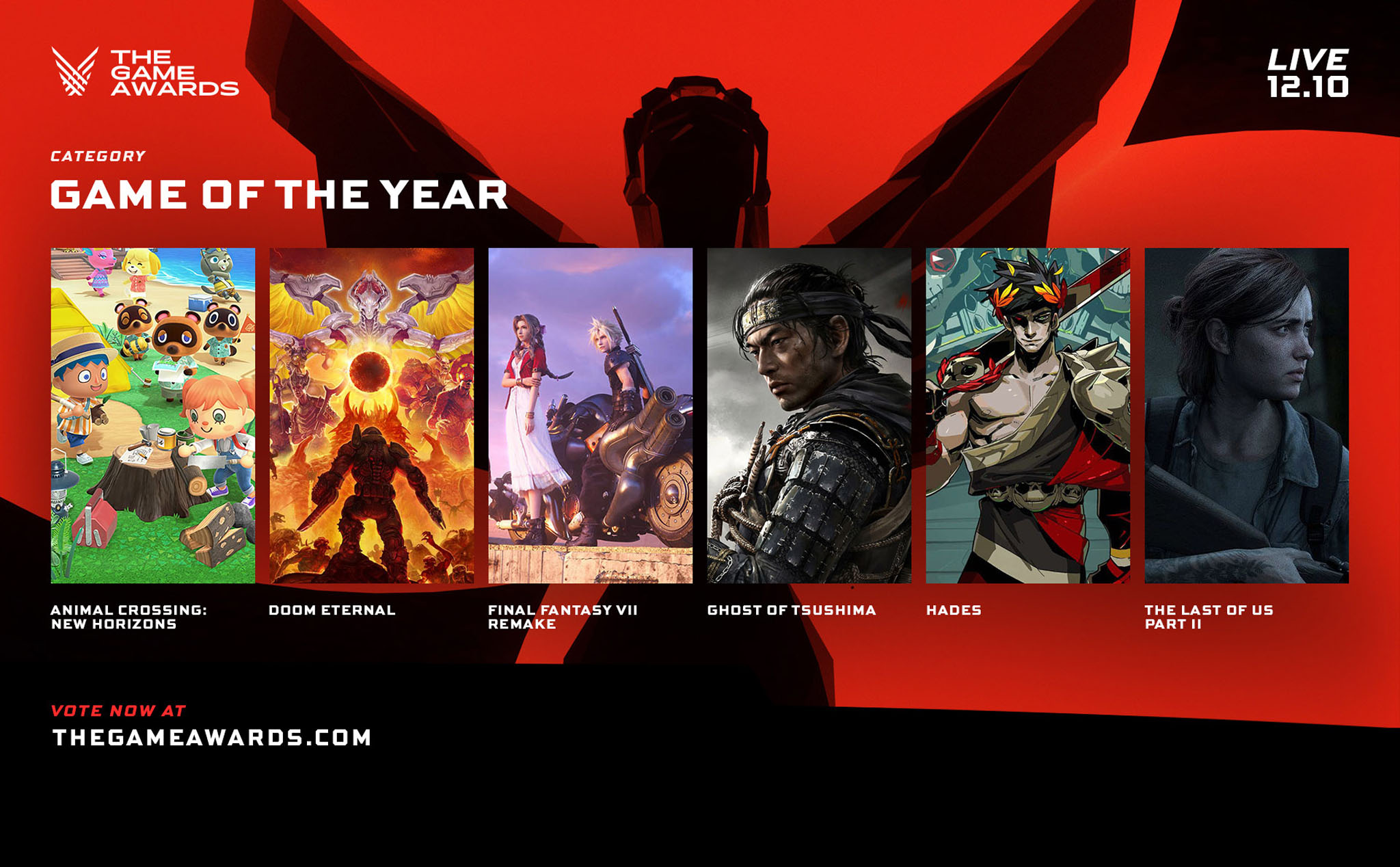
In a year marked by unprecedented global changes, the realm of interactive entertainment offered solace, escape, and profound experiences. The recipient of the coveted Game of the Year (GOTY) award for 2020, as recognized by The Game Awards, was The Last of Us Part II. Developed by Naughty Dog and published by Sony Interactive Entertainment, this title didn’t just win an award; it solidified its position as a monumental achievement in digital media, pushing the boundaries of what video games could accomplish both narratively and technologically. Its victory underscored a significant moment for the industry, celebrating a title that exemplified sophisticated software engineering, advanced graphical rendering, and deeply integrated gameplay mechanics.
A Defining Moment for PlayStation
The Last of Us Part II was released exclusively for the PlayStation 4, serving as a powerful testament to the console’s capabilities at the very end of its lifecycle, just months before the launch of the PlayStation 5. The game demonstrated the full potential of Naughty Dog’s proprietary engine, which had been continuously refined since the days of the original Uncharted series. This engine allowed for incredibly detailed environments, highly expressive character models, and a level of visual fidelity that pushed the hardware to its absolute limits. Its exclusive status further emphasized Sony’s commitment to first-party studios delivering blockbuster experiences that leverage console-specific optimizations, showcasing the synergy between hardware and bespoke software development.
Technical Achievements and Innovation in Gameplay
The technical achievements of The Last of Us Part II are numerous and noteworthy. The game featured groundbreaking character animation systems, utilizing advanced motion capture and blending techniques to create incredibly fluid and realistic movements. Combat, for instance, felt visceral and reactive, with enemy AI demonstrating sophisticated pathfinding, flanking maneuvers, and contextual awareness that surpassed many contemporaries. The dynamic lighting system, coupled with intricate material shaders, created environments that were not only visually stunning but also dynamically responsive to player actions and changing in-game conditions, adding layers of immersion. Furthermore, the audio design was a masterclass in spatial sound, employing advanced acoustic modeling to create a terrifyingly immersive soundscape that was critical to both navigation and combat strategy. Every rustle of foliage, distant cry, or echoing gunshot contributed to the game’s oppressive atmosphere, a testament to meticulous sound engineering and implementation.
Crafting a Narrative Masterpiece
Beyond its technical sheen, The Last of Us Part II was lauded for its audacious and challenging narrative. The game delved into themes of revenge, trauma, and the cyclical nature of violence with an unflinching gaze, prompting significant discussion and introspection within the gaming community. Its ability to weave such complex emotional threads into an interactive medium was a testament to sophisticated game design that prioritized player engagement with story elements, often through uncomfortable and morally ambiguous choices.
Emotional Resonance and Character Development
The narrative depth of The Last of Us Part II was largely attributed to its nuanced character development. Players spent dozens of hours with protagonists Ellie and Abby, witnessing their struggles, motivations, and evolving perspectives. The game employed innovative narrative structures, including non-linear storytelling and perspective shifts, to explore the psychological toll of their respective journeys. This approach required sophisticated scripting and branching dialogue systems, along with meticulously designed cinematics that seamlessly integrated with gameplay, blurring the lines between passive storytelling and active participation. The emotional impact was amplified by the exceptional performance capture and voice acting, bringing an unparalleled level of realism and vulnerability to the digital characters.
World-Building and Environmental Storytelling
The world of The Last of Us Part II, a post-apocalyptic Seattle, was a character in itself. Naughty Dog’s environmental artists and level designers created incredibly detailed and believable locations, each telling a story through its dilapidated structures, scattered artifacts, and overgrown flora. The game’s engine allowed for expansive, yet dense, playable areas that encouraged exploration and discovery. Every abandoned building, every decaying monument, contributed to a rich tapestry of environmental storytelling, providing backstory and context without relying heavily on explicit exposition. This masterful use of spatial design and visual cues immersed players deeper into the lore and history of its ravaged world, demonstrating how game environments could be powerful narrative tools.
Impact and Legacy in the Gaming Landscape

The victory of The Last of Us Part II as Game of the Year 2020 was more than just an accolade for a single title; it was a significant benchmark for the entire industry. It demonstrated the increasing maturity of video games as a storytelling medium and highlighted the constant evolution of game development technologies.
Setting New Standards for AAA Development
Naughty Dog’s work on The Last of Us Part II effectively raised the bar for what audiences and critics expect from AAA video game productions. From its photorealistic graphics to its intricate animation pipelines and complex AI systems, the game showcased the peak of current-generation console development. It served as a powerful benchmark for other studios, influencing best practices in areas such as performance capture, engine optimization, and the integration of diverse talent in creative teams. This standard-setting effect means future blockbuster titles are likely to strive for similar levels of technical polish and narrative ambition, driving innovation across the industry.
Influence on Future Game Design
Beyond technical benchmarks, the narrative risks taken by The Last of Us Part II have sparked broader discussions about thematic complexity and player agency in games. Its exploration of morally grey areas and its willingness to challenge player expectations have encouraged other developers to consider more ambitious and unconventional storytelling techniques. The game’s success, despite its polarizing elements, reinforced the idea that interactive entertainment can tackle mature, difficult subjects with grace and impact, pushing the medium beyond simple escapism into the realm of profound artistic expression. This influence is likely to manifest in more diverse and challenging narrative experiences in the coming years.
Beyond the Trophy: The Business of Excellence
While the GOTY award is a critical recognition, its implications extend into the broader business and technological ecosystem of the gaming industry. The commercial success and critical acclaim of The Last of Us Part II had tangible effects on the developers, publishers, and the trajectory of future investments in game technology.
Sales, Critical Acclaim, and Industry Recognition
Winning Game of the Year often correlates with significant commercial success and extended sales longevity. For The Last of Us Part II, critical acclaim translated into massive global sales, surpassing 4 million units in its launch weekend alone, making it the fastest-selling first-party PlayStation 4 exclusive at the time. This commercial triumph provides Naughty Dog and Sony with substantial resources to invest further in research and development, particularly in advancing their proprietary game engines, graphics pipelines, and animation tools. Such investment is crucial for pushing technological boundaries, funding the creation of more sophisticated AI, real-time rendering improvements, and innovative gameplay mechanics that define the next generation of gaming. The financial success of such a high-fidelity title directly fuels the technological arms race within the industry, benefitting consumers with more advanced and immersive experiences.
Push for Accessibility and Inclusivity in Tech
A particularly notable aspect of The Last of Us Part II‘s development was its pioneering work in accessibility. The game included an unprecedented suite of over 60 accessibility options, ranging from highly customizable control schemes and combat assists to innovative visual and auditory aids for players with various disabilities. These features were not merely add-ons but were deeply integrated into the game’s software architecture, demonstrating a commitment to inclusive design from the ground up. This set a new benchmark for the industry, strongly influencing other major studios to prioritize accessibility features in their own titles. This initiative highlights how technological development in gaming is increasingly focused on broadening player bases and ensuring that advanced interactive experiences are available to as many people as possible, fostering a more inclusive digital entertainment landscape.
The Future of Interactive Entertainment
The Last of Us Part II‘s reign as the Game of the Year 2020 stands as a significant marker in the history of video games, not just for its narrative daring but for its profound technological achievements. It represented a culmination of years of engine refinement, artistic vision, and a relentless pursuit of interactive excellence.

Evolving Technologies and Player Expectations
The game’s success underscored the evolving expectations of players for high-fidelity graphics, intricate mechanics, and emotionally resonant narratives delivered through cutting-edge technology. It demonstrated the power of dedicated game engines to extract maximum performance from specific hardware, a strategy that continues to influence console-exclusive development. As the industry moves forward, lessons learned from titles like The Last of Us Part II regarding advanced rendering, AI sophistication, immersive audio, and, critically, accessibility, will continue to shape the direction of game development. This legacy will push the boundaries of virtual realism, interactive storytelling, and inclusive design, ensuring that future gaming experiences are not only technically superior but also more broadly engaging and impactful for a global audience.
aViewFromTheCave is a participant in the Amazon Services LLC Associates Program, an affiliate advertising program designed to provide a means for sites to earn advertising fees by advertising and linking to Amazon.com. Amazon, the Amazon logo, AmazonSupply, and the AmazonSupply logo are trademarks of Amazon.com, Inc. or its affiliates. As an Amazon Associate we earn affiliate commissions from qualifying purchases.