
In the high-stakes world of corporate leadership, philanthropy, and global networking, the “Black Tie” invitation is rarely just a social summons. For the professional woman, it represents a critical touchpoint in her personal branding strategy. While the traditional definition of black tie centers on floor-length gowns and sophisticated elegance, the modern interpretation—viewed through the lens of brand strategy—is about communicating authority, values, and professional narrative without saying a word.
When a woman asks “What do I wear to a black tie event?” she is, in a branding context, asking: “How do I visually represent my personal brand and my organization’s identity in a high-pressure, high-visibility environment?” This article explores the intersection of formal etiquette and brand management, providing a framework for using black tie attire as a tool for strategic influence.
Decoding the Black Tie Signal: Why Visual Branding Matters at the Highest Levels
Visual communication is the fastest way to transmit information. In professional circles, your appearance functions as the “packaging” of your expertise. At a black tie gala or an industry awards ceremony, the dress code is the baseline, but the execution of that code is where the branding happens.
The Psychology of the Formal Dress Code
A dress code is a set of rules that facilitates social cohesion, but for a brand strategist, it is a framework for differentiation. When everyone is adhering to a strict standard—tuxedos for men, evening floor-length attire for women—the subtle variations in choice become heightened. In this environment, your attire signals your understanding of cultural nuances, your respect for the host (a key component of relationship branding), and your level of “Executive Presence.”
Adhering to the code while maintaining a distinct personal flair suggests that you are a leader who understands how to operate within established systems while still thinking independently. This balance is the cornerstone of a “Trusted Expert” brand.
Aligning Personal Values with Event Expectations
Every choice, from the sustainable silk of a gown to the choice of a heritage jewelry piece, tells a story about your values. If your personal brand is built on “Innovation and Disruption,” your black tie attire might lean toward architectural silhouettes or avant-garde designers. If your brand is “Steadfast and Traditional,” a classic A-line silhouette in a timeless palette communicates that stability.
Strategic branding requires that there be no “gap” between who you are in the boardroom and who you are at the gala. If your professional identity is built on transparency and minimalism, an overly fussy or sequin-heavy gown might create brand dissonance. Consistency across all platforms—physical and digital—is what builds brand equity.
Building a “Power Formal” Brand: Strategies for Choice and Consistency
In branding, consistency is king. For women in leadership, developing a “signature” formal style can reduce decision fatigue and reinforce their public persona. This is often referred to as “Power Formal”—attire that satisfies the highest social requirements while projecting the strength of a C-suite executive.
The Gown as a Brand Statement: Color, Cut, and Silhouette
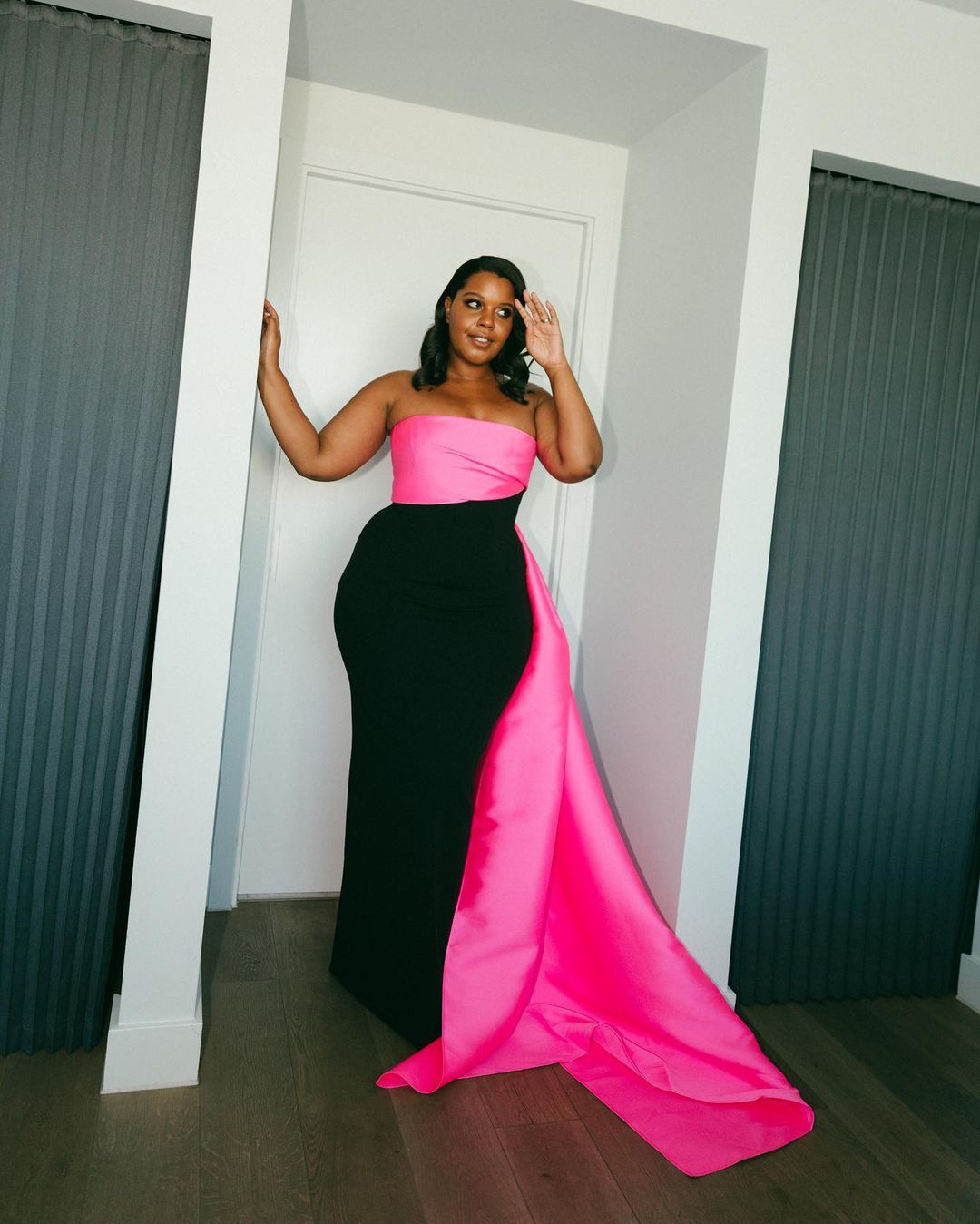
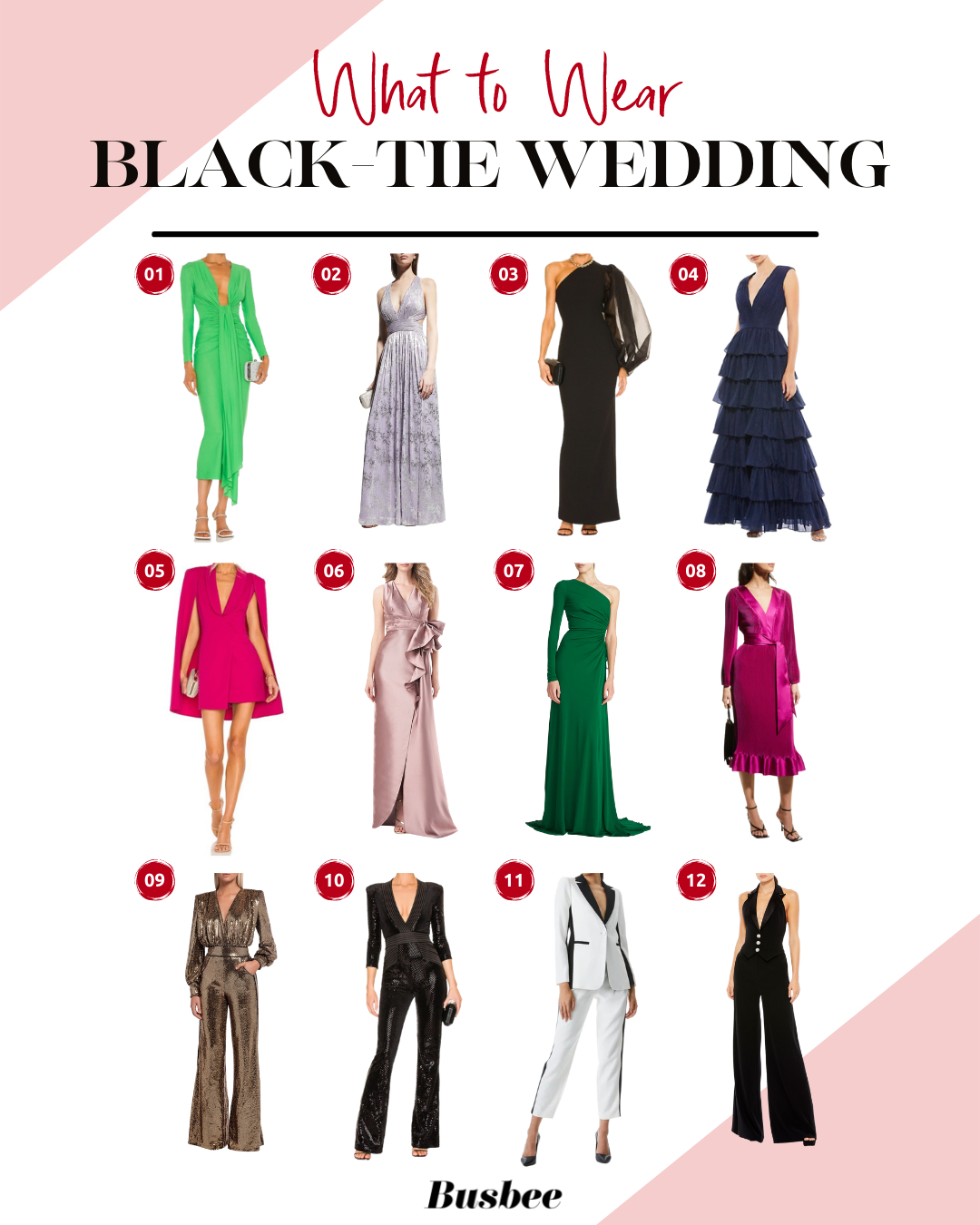
Color theory plays a massive role in brand strategy. A woman wearing a deep navy or charcoal gown projects a brand of “Sophisticated Authority” and “Dependability.” These colors are synonymous with corporate power but are softened by the evening fabrics. Conversely, a woman who chooses a bold red or emerald green is positioning her brand as “High-Energy,” “Confident,” and “Memorable.”
The silhouette of the garment also speaks volumes. Structured, tailored gowns with clean lines suggest a brand that is organized, precise, and disciplined. Softer, flowing fabrics might communicate a brand that is approachable, creative, and empathetic. When selecting what to wear, a woman must ask: What is the one word I want people to associate with me when I walk into this room? The dress must be the visual manifestation of that word.
Signature Elements: Creating Recognition Through Continuity
Just as a corporate logo uses specific fonts and icons to build recognition, a personal brand can use “signature elements.” This could be a specific style of jewelry—such as always wearing pearls or bold, sculptural gold—or a preference for a specific designer whose values align with your own.
Over time, these choices become part of your brand “visual vocabulary.” When you are consistent in your formal choices, you become more recognizable in the media and within your industry. This recognition is a form of social capital that can be leveraged for networking and business development.
The Corporate Identity Intersection: Representing the Organization at Galas
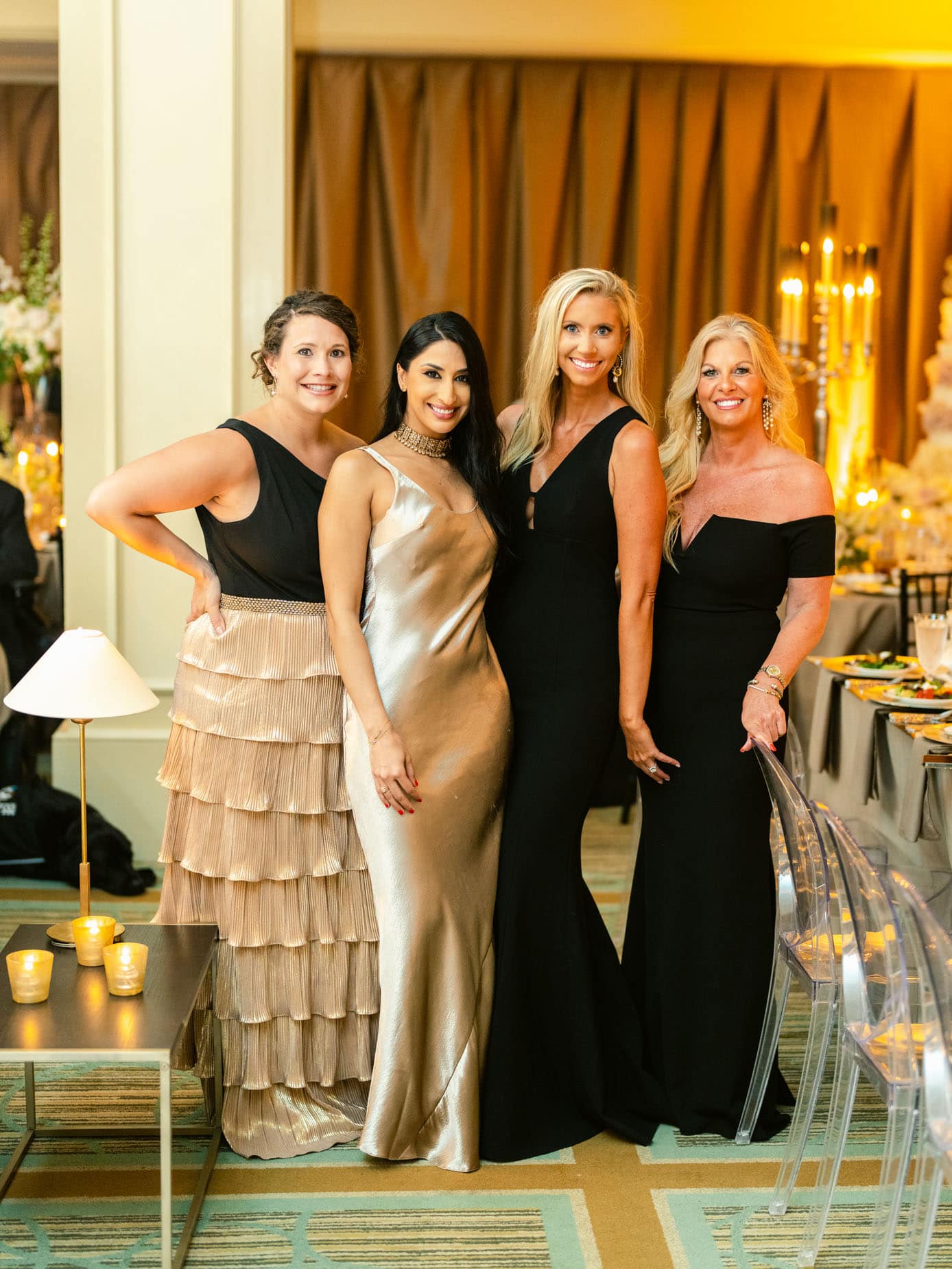
Often, a woman attends a black tie event not just as an individual, but as a representative of her corporation or firm. In these instances, her attire must bridge the gap between her personal brand and the corporate identity.
Balancing Individual Style with Institutional Values
If you are the CEO of a tech startup, your black tie “brand” might be more flexible, perhaps incorporating modern fabrics or even a high-end evening suit, reflecting a brand that is modern and agile. However, if you are a partner at a legacy law firm or a high-level executive at a traditional financial institution, your attire must mirror the “Institutional Trust” that your organization sells.
In this context, your clothing is a tool for “brand alignment.” You are a walking embodiment of your company’s mission statement. If the company prides itself on “Cutting-edge Sustainability,” wearing a vintage or ethically sourced gown isn’t just a fashion choice; it’s a strategic marketing move that reinforces the corporate narrative.
The “Brand Ambassador” Mindset in Social Settings
Black tie events are frequently “soft-selling” environments. Deals are not usually closed over the main course, but the foundations for those deals—trust, likability, and perceived status—are established. Viewing oneself as a “Brand Ambassador” changes the perspective on black tie attire from “dressing up” to “strategic positioning.”
When you look the part of a leader, you are treated as one. This “halo effect” can significantly impact how your organization is perceived by stakeholders, competitors, and potential partners. Your attire serves as the “visual proof” of your organization’s success and professionalism.
The ROI of Formal Attire: Investment Pieces and Sustainable Image Management
In the world of money and brand strategy, we often discuss Return on Investment (ROI). The same logic applies to a woman’s black tie wardrobe. A strategic brand does not chase trends; it invests in “brand assets.”
Curating a Capsule Black Tie Collection
A savvy professional doesn’t need a new gown for every event. In fact, “outfit repeating” is increasingly seen as a sign of a “Conscious and Confident” brand. By curating a small collection of high-quality, timeless pieces—the “Capsule Black Tie” collection—a woman ensures that she is always “on brand” without the stress of constant shopping.
An investment in a high-quality tuxedo-style suit for women or a perfectly tailored black silk column dress offers a high ROI. These pieces can be styled differently with accessories to suit various “brand moods,” providing versatility while maintaining a core identity. This approach mirrors the corporate strategy of “Brand Architecture,” where a strong core identity is adapted slightly for different markets (or in this case, different events).
The Longevity of Quality: Avoiding Fast Fashion Brand Dilution
Fast fashion is the enemy of a premium personal brand. Inexpensive fabrics, poor stitching, and trendy cuts that date quickly can inadvertently signal that your brand is “Disposable” or “Short-sighted.”
A woman who invests in craftsmanship—whether through bespoke tailoring or high-end labels known for quality—is signaling that she values “Long-term Excellence.” Just as a brand like Apple or Rolex relies on the perceived quality of their materials to justify their market position, a professional woman uses the quality of her attire to reinforce her position as a high-value asset in the professional marketplace.
Conclusion: The Final Polish on the Professional Brand
“What women wear to black tie” is a question that, when answered through the lens of brand strategy, transcends fashion. It is about the deliberate curation of a visual identity that commands respect, communicates values, and reinforces professional standing.
By understanding the psychology of the dress code, aligning personal style with corporate values, and investing in high-quality “brand assets,” the professional woman transforms a formal obligation into a powerful branding opportunity. In the end, the gown is not just a garment; it is a strategic tool designed to ensure that when the lights go up at the gala, the message being sent is one of power, poise, and purposeful leadership.
aViewFromTheCave is a participant in the Amazon Services LLC Associates Program, an affiliate advertising program designed to provide a means for sites to earn advertising fees by advertising and linking to Amazon.com. Amazon, the Amazon logo, AmazonSupply, and the AmazonSupply logo are trademarks of Amazon.com, Inc. or its affiliates. As an Amazon Associate we earn affiliate commissions from qualifying purchases.