
The seemingly straightforward question of “what will the next hurricane be named?” unveils a remarkably sophisticated and globally coordinated branding strategy. Far from being random labels, hurricane names serve as critical communication tools, historical markers, and vital components in a complex system designed to save lives and mitigate damage. In the realm of branding, where clarity, memorability, and impact are paramount, the naming of these colossal natural phenomena presents a unique and compelling case study. It’s a system built not for commercial gain, but for public safety and scientific rigor, demonstrating how strategic naming, even for something as uncontrollable as a hurricane, forms the backbone of effective crisis communication and long-term data management.
The Strategic Imperative of Naming: Why Hurricanes Need a Brand
At its core, branding is about identification and differentiation. For hurricanes, this imperative is not about market share, but about clarity in chaos. Without a unique identifier, the public and emergency responders would be left grappling with ambiguous and potentially life-threatening confusion.
Clarity and Communication in Crisis
Imagine a scenario where multiple tropical storms or hurricanes are simultaneously active across a vast ocean basin. Without distinct names, government agencies, media outlets, and the public would struggle to differentiate between them, leading to generalized warnings, misdirected aid, and increased casualties. The assignment of a singular, memorable name to each storm cuts through this potential ambiguity. “Hurricane Zeta” or “Tropical Storm Arlene” immediately conjures a specific entity, allowing meteorologists to issue precise advisories, emergency services to target relief efforts, and residents to understand which specific threat they need to prepare for. This system dramatically improves the efficacy of public warnings, making them actionable and reducing the likelihood of critical misunderstandings during high-stakes events. Before formalized naming conventions, communication was often chaotic, relying on cumbersome latitude and longitude coordinates that were neither easily remembered nor widely understood by the general public.
Tracking and Data Management
Beyond immediate communication, hurricane names are indispensable for scientific tracking and historical data management. Each named storm becomes a unique data point, allowing scientists to monitor its formation, trajectory, intensity changes, and eventual dissipation with unparalleled precision. This unique identifier is crucial for collecting and archiving meteorological data over decades, enabling researchers to study long-term trends in storm behavior, assess the impact of climate change, and refine forecasting models. When meteorologists refer to “Hurricane Katrina” or “Super Typhoon Haiyan,” they are not just referencing a historical event but invoking a vast dataset associated with that specific storm. This systematic approach ensures that every aspect, from wind speeds to rainfall totals and storm surge, is cataloged under a consistent “brand,” facilitating comparative analyses and contributing to a deeper understanding of these powerful weather systems.
Humanizing the Threat (and its Limitations)
Assigning a human-sounding name to a hurricane can paradoxically serve to humanize an otherwise abstract and terrifying natural phenomenon. While not intentionally designed to create empathy, a name like “Maria” or “Ian” makes a storm more relatable and easier for the public to discuss and remember than a technical designation. This anthropomorphism can, to some extent, aid in public recall and engagement with warnings. However, this humanizing effect has its limitations and ethical considerations. Historically, there was a debate about whether female-assigned names led to less serious public perception and preparedness compared to male-assigned names, though studies have shown mixed results and a shift in perception over time. The key is to balance the memorability and relatability of a name with the stark reality of the danger it represents, ensuring the name never trivializes the profound threat. The “brand” of a hurricane must always convey urgency and respect for its destructive power.
The Branding Blueprint: How Hurricane Names Are Chosen
The process of naming hurricanes is far from arbitrary; it is a meticulously planned and globally coordinated effort spearheaded by the World Meteorological Organization (WMO). This body acts as the ultimate “brand guardian,” ensuring consistency and effectiveness across various ocean basins.
The WMO’s Role: A Global Naming Authority
The World Meteorological Organization, a specialized agency of the United Nations, is the global authority responsible for coordinating weather, climate, and water activities. For tropical cyclones, the WMO has established regional committees, such as the Hurricane Committee for the North Atlantic and Eastern North Pacific, which are tasked with developing and maintaining the lists of names. These committees comprise meteorologists and representatives from countries within each specific basin. The decision to use a centralized body like the WMO for naming underscores the global nature of these phenomena and the need for a unified, consistent naming strategy. This coordinated approach ensures that a storm developing off the coast of Africa will be named using the same principles and lists as one forming in the Caribbean, preventing overlap and confusion on an international scale.
Crafting the Name Lists: Criteria and Constraints
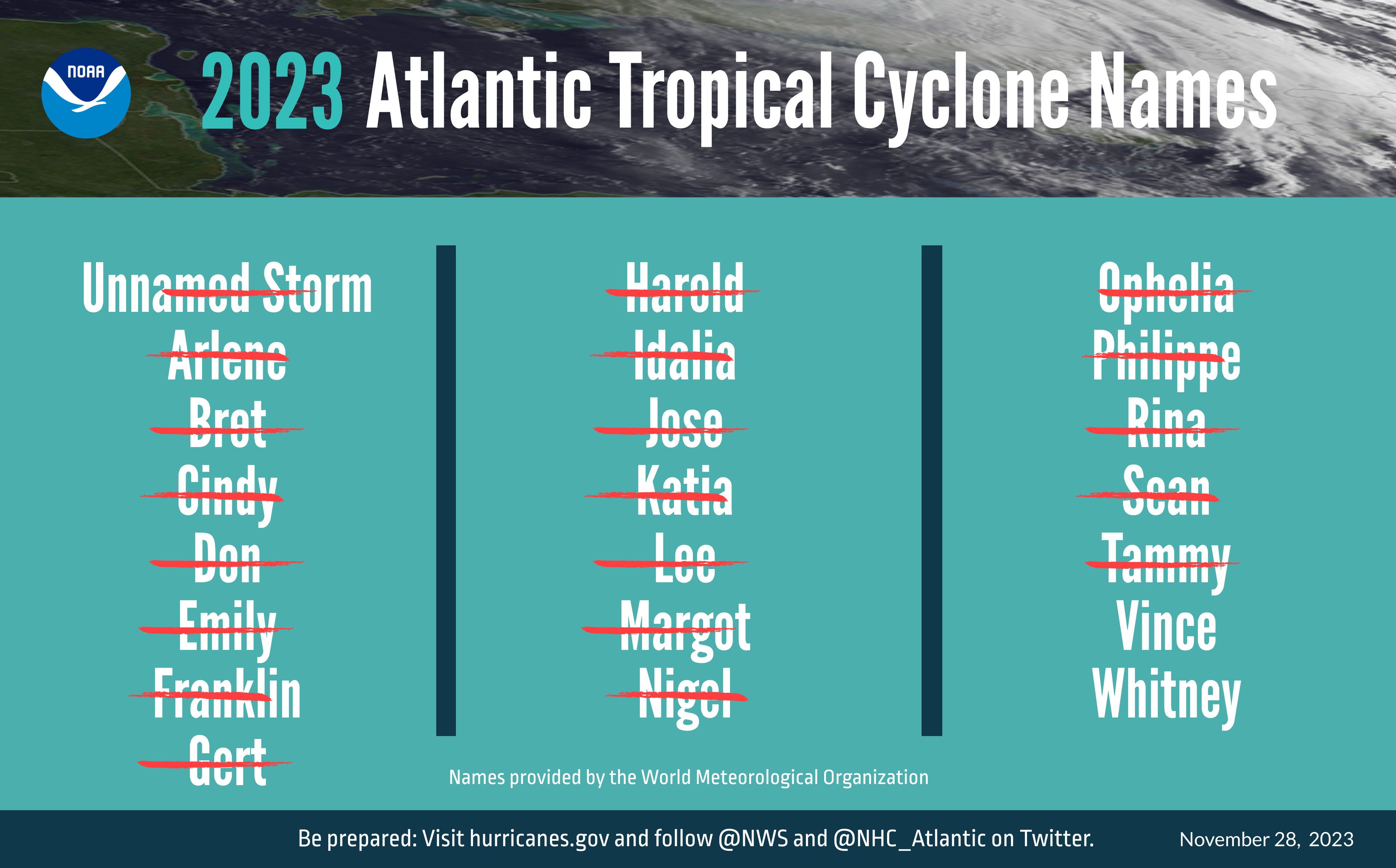
The WMO’s hurricane committees develop rotating lists of names, typically for six years in advance. For the Atlantic basin, for instance, there are six lists of 21 names each, which cycle sequentially. The criteria for name selection are strict and designed for optimal communication effectiveness. Names are arranged alphabetically (excluding Q, U, X, Y, Z due to the scarcity of suitable names) and alternate between male and female. This alternating gender pattern was adopted to avoid the historical perception issues associated with solely female names. The names themselves are chosen to be short, distinct, and easily pronounced in the languages of the regions affected by the storms. This emphasis on brevity and clarity maximizes “brand recall” and minimizes the potential for miscommunication during critical moments. Furthermore, offensive or culturally insensitive names are strictly avoided, reflecting a global standard of respect and appropriateness in crisis communication. The deliberate construction of these lists ensures a predictable and stable “brand portfolio” for each hurricane season.
Retirement: When a Name Becomes Too Powerful
Not all hurricane names get to complete their full six-year rotation. When a hurricane causes widespread death and destruction, its name is retired permanently from the list. This decision is made by the WMO’s regional committees out of sensitivity to the victims and to prevent future confusion or trauma. A retired name, such as Katrina (2005), Sandy (2012), Maria (2017), or Ian (2022), becomes indelibly linked with immense tragedy and devastation. In branding terms, the “brand equity” of these names is so profoundly negative and emotionally charged that they are deemed too powerful and too traumatic to be reused. Retiring a name acknowledges the severity of the event, serving as a permanent historical marker. It ensures that when someone refers to “Hurricane Katrina,” there is no ambiguity about which catastrophic storm they mean. This act of retirement highlights the profound psychological and historical weight that these carefully selected names can accrue, making them far more than mere labels.
The Evolving “Brand” of a Hurricane: From Prediction to Post-Mortem
A hurricane’s “brand” journey begins long before it forms and continues long after it dissipates, influencing public perception and action at every stage.
Pre-Season Buzz: Anticipating the “Next Big One”
Before the hurricane season officially begins, the public is often introduced to the upcoming roster of names. Meteorologists and news outlets frequently publish the lists for the year, building a subtle form of “pre-season buzz.” While not celebratory, this early dissemination serves as a psychological preparation tool. It makes the abstract concept of a future hurricane season more concrete by providing a tangible list of potential “brands” that communities might soon face. This foreknowledge allows for preliminary discussions about preparedness, encouraging residents in vulnerable areas to mentally review their emergency plans and supplies. The media’s role in “introducing” the lineup of names helps to embed these potential “brands” into the public consciousness, setting the stage for more targeted communication once a storm actually forms and gets its official name.
During the Storm: The Name as a Call to Action
Once a tropical disturbance intensifies enough to be named, that name rapidly becomes the focal point of all communication. News cycles, social media hashtags, government emergency alerts, and even local community discussions all revolve around the specific name of the storm. “Hurricane Delta is approaching,” or “Evacuate from the path of Tropical Storm Fred,” are clear, concise calls to action that leverage the established “brand” of the storm. The name functions as the central identifier for all real-time information – its current location, projected path, intensity, and associated dangers. Public perception and response during this critical phase are inextricably linked to the specific name. The name becomes a shorthand for the immediate threat, facilitating rapid information exchange among authorities and motivating necessary protective behaviors among the population. Without this specific brand identity, the deluge of information would be far less coherent and actionable.
Aftermath and Legacy: The Name’s Lasting Impact
Even after a hurricane has passed and dissipated, its name continues to resonate, shaping the narrative of recovery and remembrance. Post-disaster recovery efforts, aid distribution, and reconstruction projects are all referenced by the storm’s name. “Rebuilding after Hurricane Michael” or “Assistance for victims of Typhoon Nona” provides a clear, concise historical marker for relief organizations, government agencies, and affected communities. Furthermore, these names become deeply ingrained in collective memory, serving as powerful reference points for future preparedness initiatives, policy changes, and scientific studies. A retired name, in particular, carries a profound and often somber “brand” legacy, representing a pivotal moment of disaster and resilience in the history of a region. It acts as a constant reminder of the lessons learned and the importance of ongoing vigilance and preparedness, making the “brand” of a hurricane a marker in history, a symbol of both destruction and the human spirit’s capacity to endure and rebuild.
Beyond Names: Future Trends in Weather “Branding” and Communication
While the current naming system is highly effective, the field of weather communication is constantly evolving, presenting new opportunities to enhance the “branding” and dissemination of crucial information.
Enhancing Digital Communication
The future of weather “branding” will heavily leverage advancements in digital communication. This includes using AI and machine learning to deliver hyper-personalized alerts based on an individual’s exact location, vulnerabilities, and language preferences. Interactive 3D maps, augmented reality overlays, and real-time data visualizations will transform how the public understands a storm’s trajectory and potential impacts, making abstract meteorological data more tangible and immediate. Multi-platform dissemination of warnings – across social media, smart devices, connected cars, and even virtual reality environments – will ensure that critical information reaches diverse populations through their preferred channels. This digital evolution aims to make the “brand message” of a hurricane not just clear, but also deeply engaging and responsive to individual needs, thereby maximizing compliance with safety directives.
Public Engagement and Education
Moving forward, weather communicators will increasingly focus on innovative ways to engage and educate the public about hurricane preparedness. This could involve using storytelling and compelling visual narratives to explain the science behind storms and the importance of specific safety measures. Gamification and educational tools could make learning about hurricane safety more interactive and memorable, particularly for younger generations. The role of trusted social media influencers, community leaders, and even local celebrities in crisis communication will likely expand, leveraging their established credibility to amplify official warnings and preparedness messages. By fostering a deeper understanding and proactive mindset, these engagement strategies aim to build stronger community resilience, making the “brand” of preparedness as powerful as the “brand” of the storm itself.
The Ethical Considerations of Naming
As communication technologies advance, the ethical considerations surrounding weather “branding” will also come under closer scrutiny. This includes the delicate balance between conveying urgency and avoiding sensationalism that could lead to panic or desensitization. Cultural sensitivities in name selection will continue to be paramount, with efforts to ensure names are appropriate and respectful across diverse populations globally. Furthermore, ensuring accessibility and understanding of warnings for all demographics, including those with disabilities or language barriers, will be a key ethical imperative. The future of hurricane naming and communication will demand a continuous re-evaluation of how these powerful “brands” are constructed, shared, and perceived, ensuring they serve their ultimate purpose: to protect and inform, without causing undue alarm or misinterpretation.

Conclusion
The question “what will the next hurricane be named?” is far more profound than a simple inquiry. It’s an entry point into understanding a highly organized, globally coordinated, and life-saving branding strategy. Hurricane names, carefully chosen and systematically managed by the WMO, serve as indispensable tools for clarity in crisis communication, precision in scientific tracking, and anchors in collective memory. From the meticulous crafting of rotating name lists to the solemn act of retiring names associated with immense tragedy, every aspect of this “branding” system is designed to facilitate swift understanding and informed action. As technology evolves, so too will the methods of communicating these crucial “brands,” but the fundamental imperative remains: to equip humanity with the clearest possible identifiers in the face of nature’s most formidable forces, ultimately saving lives and fostering resilience. The “brand” of a hurricane, therefore, stands as a testament to human ingenuity in navigating and mitigating the profound power of the natural world.
aViewFromTheCave is a participant in the Amazon Services LLC Associates Program, an affiliate advertising program designed to provide a means for sites to earn advertising fees by advertising and linking to Amazon.com. Amazon, the Amazon logo, AmazonSupply, and the AmazonSupply logo are trademarks of Amazon.com, Inc. or its affiliates. As an Amazon Associate we earn affiliate commissions from qualifying purchases.