
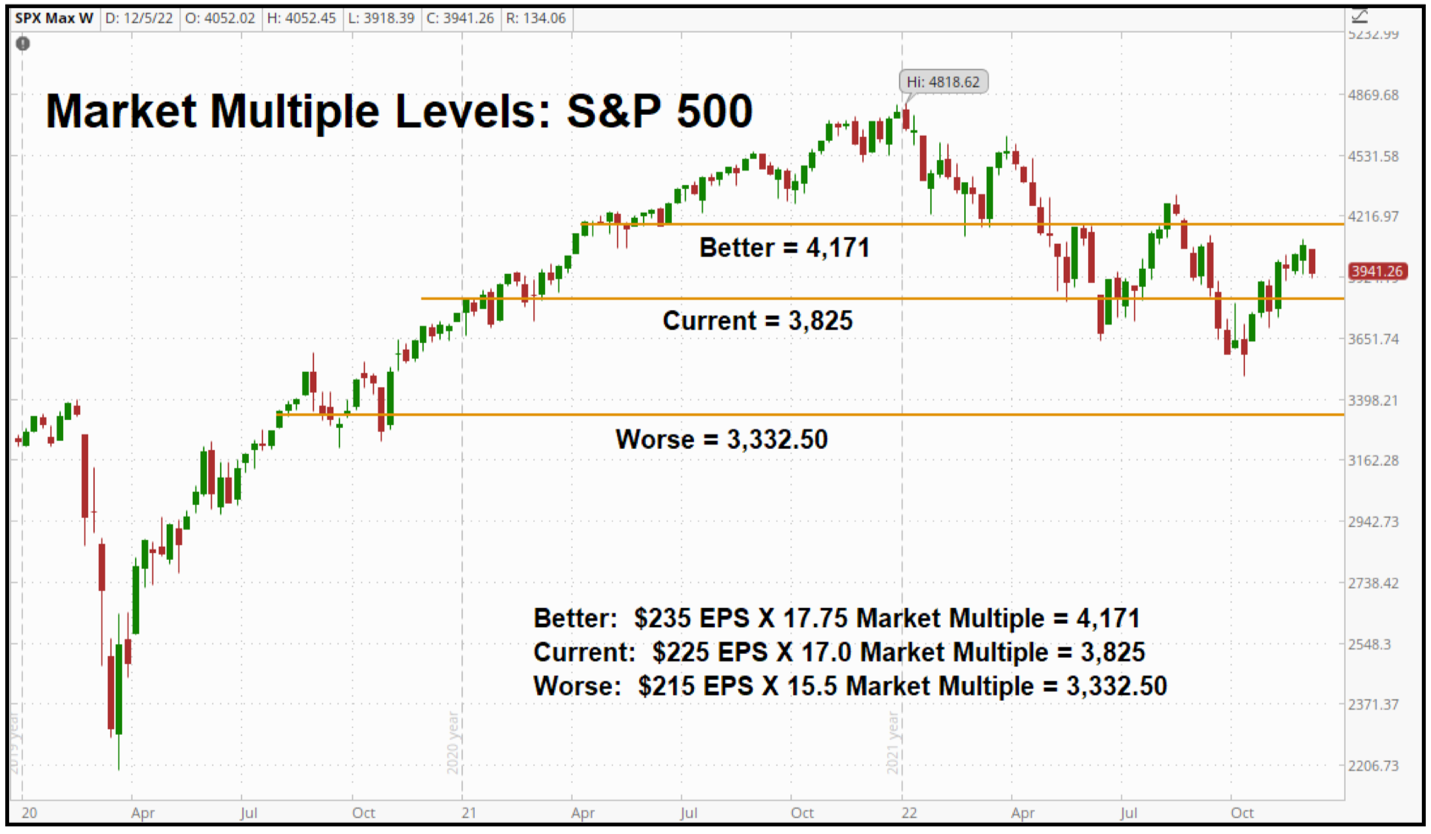
The question “What will the market do tomorrow?” echoes perpetually in the minds of investors, traders, financial analysts, and even casual observers worldwide. It’s a query driven by a primal human desire for certainty, a longing to peek behind the curtain of the future and gain an advantage. Yet, for all its universality and urgency, it is perhaps the most unanswerable question in finance. While the allure of predicting short-term market movements is undeniable, a deeper understanding reveals that tomorrow’s market action is a complex interplay of countless variables, many of which are inherently unpredictable. This article will delve into why precise short-term forecasting is an illusion, explore the key forces that generally shape market direction, and, most importantly, outline actionable strategies for building robust financial resilience regardless of what tomorrow brings.
The Elusive Crystal Ball: Why Predicting Market Movements is a Fool’s Errand
The fascination with predicting tomorrow’s market behavior stems from both a desire for profit and a natural aversion to risk. We want to buy low, sell high, and avoid downturns. However, the reality of financial markets is far more nuanced and chaotic than simple cause-and-effect models suggest.
The Complexity of Market Drivers
Financial markets are colossal, interconnected ecosystems influenced by a bewildering array of factors. These include macroeconomic indicators, geopolitical events, corporate performance, technological advancements, regulatory changes, and perhaps most significantly, human psychology. Each of these elements can shift rapidly, often with ripple effects across multiple sectors and geographies. For instance, a surprising inflation report from a major economy, a sudden political upheaval in an oil-producing region, or an unexpected earnings miss from a tech giant can all send shockwaves through the market. Predicting the precise timing and magnitude of these events, let alone their collective impact, is an exercise in futility.
The Efficient Market Hypothesis vs. Behavioral Finance
Two prominent theories offer contrasting views on market predictability. The Efficient Market Hypothesis (EMH), in its strong form, posits that all available information is already reflected in asset prices. If this holds true, then no investor can consistently achieve abnormal returns because any new information is instantly incorporated into prices, making tomorrow’s movements a random walk. While EMH has its critics, it underscores the difficulty of finding genuinely undervalued assets based on publicly available data.
Conversely, Behavioral Finance acknowledges that human emotions—fear, greed, optimism, pessimism—play a significant role in market fluctuations. Herd mentality, cognitive biases, and irrational exuberance or panic can lead to market inefficiencies and bubbles or crashes. While behavioral finance helps explain why markets can sometimes deviate from rational valuations, it doesn’t provide a reliable framework for predicting when these deviations will occur or how long they will last. The psychological tides are just as unpredictable as economic ones.
Short-Term Noise vs. Long-Term Trends
A critical distinction for investors is separating short-term market noise from long-term trends. Daily, weekly, or even monthly fluctuations are often just noise—reactions to minor news, algorithmic trading, or transient sentiment shifts. These movements are incredibly difficult to predict and exploit consistently. Over the long term, however, markets tend to reflect underlying economic growth, corporate profitability, and innovation. A focus on short-term predictions often distracts from the more reliable long-term trajectory driven by fundamental economic progress.
Key Factors Influencing Short-Term Market Direction
While predicting the exact direction of the market tomorrow is impossible, understanding the major forces that exert influence can help investors contextualize daily news and avoid impulsive reactions. These factors are the heavyweights that swing market sentiment, though their immediate impact can vary.
Economic Data Releases
Regular economic data releases provide a snapshot of the economy’s health and can significantly impact market expectations.
-
Inflation Reports (CPI, PPI): Higher-than-expected inflation can signal potential interest rate hikes, dampening investor enthusiasm for growth stocks.
-
Employment Figures (Non-Farm Payrolls, Unemployment Rate): Strong job growth typically indicates a healthy economy, but extremely tight labor markets can also fuel inflation concerns.
-
Gross Domestic Product (GDP): GDP reports measure economic output. Strong growth is generally positive, but recessions or slowdowns can lead to significant market downturns.
-
Retail Sales & Consumer Confidence: These indicators reflect consumer spending patterns, a major driver of economic activity.
Central Bank Actions and Monetary Policy
Central banks, like the Federal Reserve in the U.S. or the European Central Bank, wield immense power over financial markets through their monetary policy decisions.
-
Interest Rate Decisions: Raising interest rates can slow economic growth and make borrowing more expensive, impacting corporate profits and consumer spending. Lowering rates has the opposite effect.
-
Quantitative Easing (QE) / Quantitative Tightening (QT): These programs involve buying or selling government bonds to inject or withdraw liquidity from the financial system, directly influencing bond yields and overall market sentiment.
-
Forward Guidance: Central bank communications about future policy intentions can preemptively shape market expectations and behavior.
Corporate Earnings and Guidance
At the micro level, the performance of individual companies aggregated drives broader market sentiment.
-
Earnings Reports: Quarterly earnings reports reveal a company’s financial health. Better-than-expected earnings can boost stock prices, while misses can lead to sharp declines.
-
Future Guidance: What companies project for their upcoming quarters and fiscal years often matters more than past performance. Upbeat or pessimistic guidance can significantly sway investor confidence.
-
Sector-Specific News: Developments within specific industries (e.g., a breakthrough in AI, a new drug approval, or a regulatory challenge for tech companies) can disproportionately affect related stocks and indexes.
Geopolitical Events and Global Shocks
Beyond economic fundamentals, unpredictable geopolitical events can trigger immediate and often dramatic market reactions.
-
Wars and Conflicts: Regional or global conflicts can disrupt supply chains, increase commodity prices, and create widespread uncertainty.
-
Political Instability: Elections, government crises, or policy shifts in major economies can introduce volatility.
-
Natural Disasters & Pandemics: Large-scale natural events or global health crises can severely impact economic activity and human behavior, with immediate market consequences.
Investor Sentiment and Technical Indicators
While less fundamental, collective investor sentiment and technical analysis play a role in short-term movements.
-
Sentiment Surveys: Surveys like the AAII Investor Sentiment Survey gauge the bullishness or bearishness of individual investors.
-
Social Media & News Cycles: Rapid dissemination of news, rumors, and opinions through social media can amplify market reactions, sometimes irrespective of underlying fundamentals.
-
Technical Analysis: Traders use charts and patterns to identify potential short-term price movements. While controversial for its predictive power, it influences the actions of many short-term participants.
Strategies for Navigating Market Uncertainty
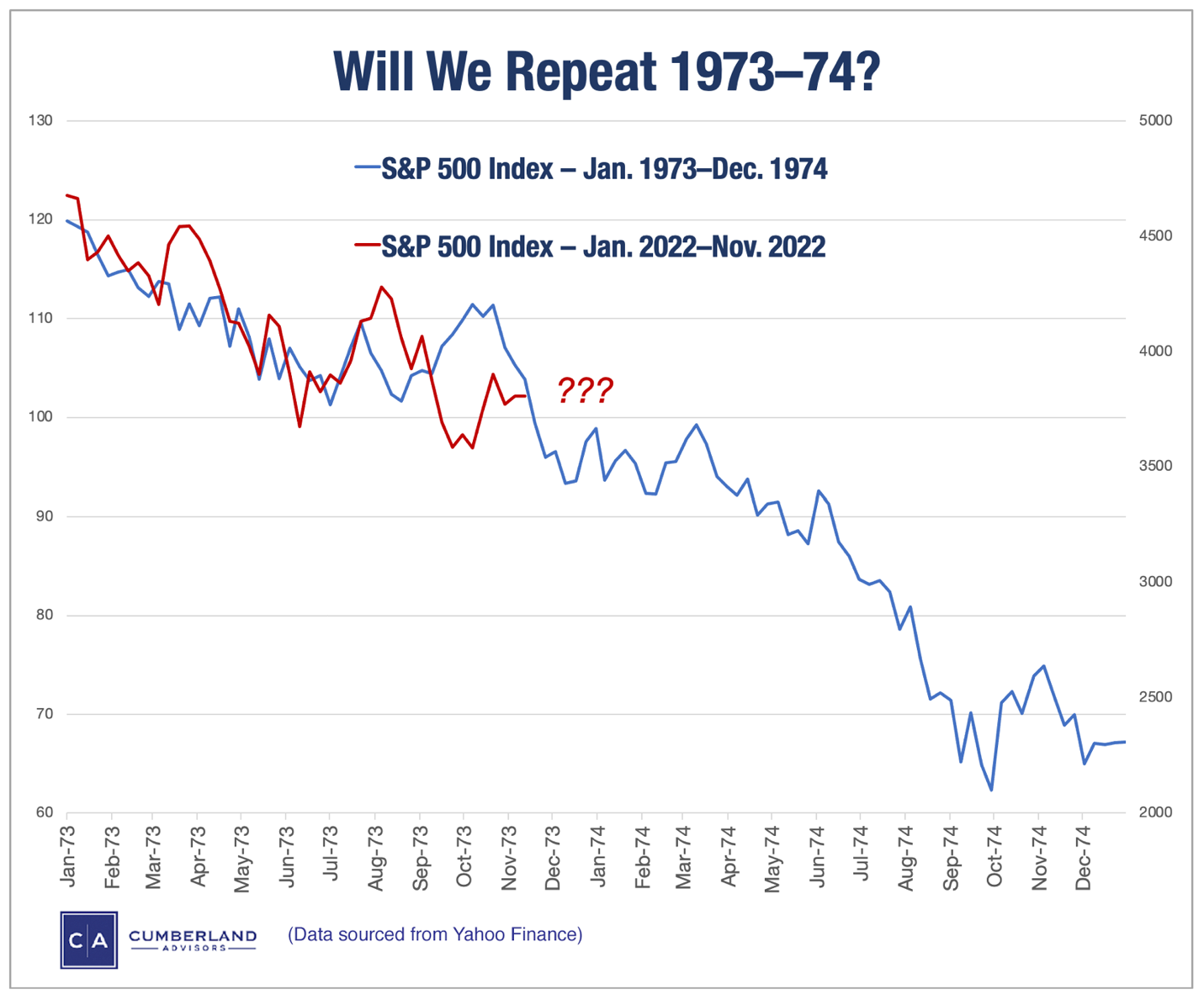
Given the inherent unpredictability of tomorrow’s market, a wise investor shifts focus from forecasting to preparing. The goal is not to dodge every storm but to build a ship sturdy enough to weather them and continue its voyage toward long-term financial goals.
Embrace a Long-Term Investment Horizon
Perhaps the most potent defense against short-term market volatility is adopting a long-term perspective. Historically, equity markets have demonstrated an upward bias over extended periods, overcoming countless crises, recessions, and geopolitical shocks. By investing for decades, rather than days or months, you allow the power of compounding to work its magic and minimize the impact of daily fluctuations. Don’t let tomorrow’s unknown overshadow your long-term vision.
Diversification as Your Primary Defense
Diversification is the bedrock of intelligent investing. It involves spreading your investments across various asset classes (stocks, bonds, real estate), geographies (domestic, international), industries, and company sizes. The principle is simple: when one part of your portfolio underperforms, another might be performing well, evening out overall returns. Diversification doesn’t guarantee profits or protect against loss, but it significantly reduces risk by ensuring no single event or asset class can devastate your entire portfolio.
The Power of Dollar-Cost Averaging
Dollar-cost averaging (DCA) is a disciplined investment strategy where you invest a fixed amount of money at regular intervals, regardless of the market’s current price. This means you buy more shares when prices are low and fewer shares when prices are high. Over time, DCA can help reduce the average cost per share and mitigate the risk of investing a lump sum right before a market downturn. It removes the emotional component of trying to time the market, allowing you to consistently build wealth.
Rebalancing Your Portfolio Strategically
Over time, different assets in your portfolio will grow at varying rates, potentially shifting your original asset allocation targets. Rebalancing means periodically adjusting your portfolio back to your desired allocation. If stocks have performed exceptionally well, you might sell some stock to buy bonds, reducing risk. Conversely, if a market downturn has made certain assets cheaper, you might buy more to bring your allocation back into line. This systematic approach forces you to “buy low and sell high” in a controlled manner, preventing your portfolio from becoming overly concentrated in risky assets.
Focusing on Fundamentals, Not Fads
Instead of chasing hot stocks or reacting to daily headlines, focus on the fundamental strength of your investments. For individual stocks, this means researching a company’s business model, competitive advantages, management team, balance sheet, and earnings potential. For broader market investments, it means understanding the long-term economic outlook and the health of the underlying industries. Ignore the speculative noise and anchor your decisions in sound analysis and intrinsic value.
Beyond Tomorrow: Building a Resilient Financial Future
While the market’s daily gyrations will always capture headlines, a truly robust financial plan extends far beyond tomorrow’s price action. It’s about constructing a personal financial framework that can withstand economic shocks, leverage opportunities, and ultimately secure your long-term prosperity.
Setting Clear Financial Goals
What are you investing for? Retirement, a home, your children’s education, financial independence? Clearly defined, measurable financial goals provide purpose and direction for your investment strategy. They help you determine your risk tolerance, required rate of return, and time horizon, which are far more influential than tomorrow’s market movements. Without clear goals, investing becomes a rudderless ship, easily swayed by market sentiment.
The Importance of a Robust Emergency Fund
Before even contemplating investments, ensure you have a fully funded emergency savings account. This fund, typically 3-6 months’ worth of essential living expenses, acts as a crucial buffer against unexpected job loss, medical emergencies, or unforeseen expenses. It prevents you from being forced to sell investments during a market downturn out of necessity, allowing your long-term strategy to remain intact. An emergency fund is your first line of defense against personal financial shocks, insulating you from market volatility.
Continuous Learning and Adapting
The financial world is dynamic. Regulations change, new investment vehicles emerge, and global economics evolve. Staying informed, continuously learning, and being willing to adapt your strategies (within the confines of your long-term plan) is vital. Read reputable financial news, explore diverse perspectives, and understand the macro forces at play without becoming obsessed with short-term predictions.
Seeking Professional Financial Guidance
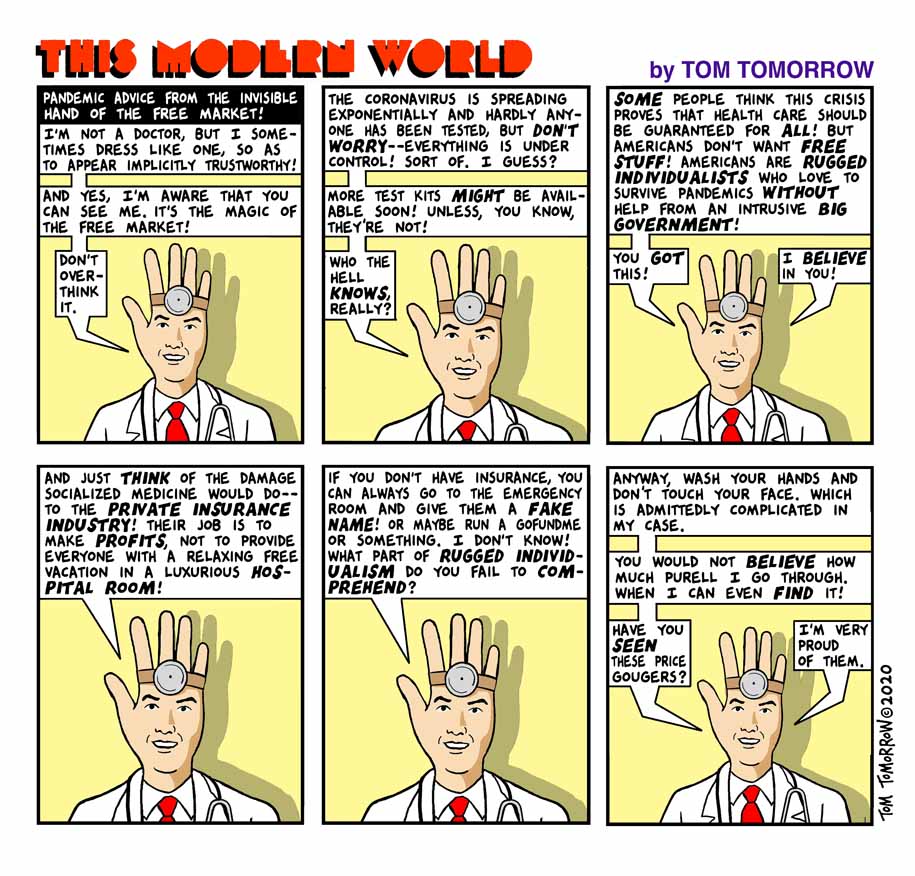
For many, navigating the complexities of investing and financial planning can be overwhelming. A qualified financial advisor can provide personalized guidance, help you set realistic goals, construct a diversified portfolio, manage risk, and stay disciplined, especially during periods of market stress. They can act as an objective voice, helping you avoid emotional decisions driven by the fear or greed of tomorrow’s market movements.
In conclusion, the question “What will the market do tomorrow?” is a natural one, but its answer holds little practical value for the prudent investor. Instead of chasing an illusionary forecast, focus on building a resilient investment strategy grounded in long-term principles, diversification, consistent saving, and a clear understanding of your personal financial goals. By doing so, you transcend the daily noise and position yourself for lasting financial success, regardless of the unpredictable twists and turns of tomorrow’s market.
aViewFromTheCave is a participant in the Amazon Services LLC Associates Program, an affiliate advertising program designed to provide a means for sites to earn advertising fees by advertising and linking to Amazon.com. Amazon, the Amazon logo, AmazonSupply, and the AmazonSupply logo are trademarks of Amazon.com, Inc. or its affiliates. As an Amazon Associate we earn affiliate commissions from qualifying purchases.