
It’s the question on the minds of millions of investors, traders, and casual observers every morning: what will the stock market do today? Will it surge to new highs, plummet into correction, or simply drift sideways? While the desire for a clear, definitive answer is entirely natural, the reality of financial markets is far more complex and resistant to simple predictions. Acknowledging this complexity is the first step towards a more informed and strategic approach to investing.
Rather than chasing an elusive crystal ball, a more productive endeavor involves understanding the intricate web of factors that influence daily market movements. By dissecting these drivers, we can cultivate a deeper appreciation for market dynamics, manage expectations, and ultimately make more rational financial decisions, regardless of the immediate headlines. This article aims to demystify the daily gyrations of the stock market, shifting the focus from futile prediction to insightful comprehension, equipping you with the knowledge to navigate the financial landscape with greater confidence.
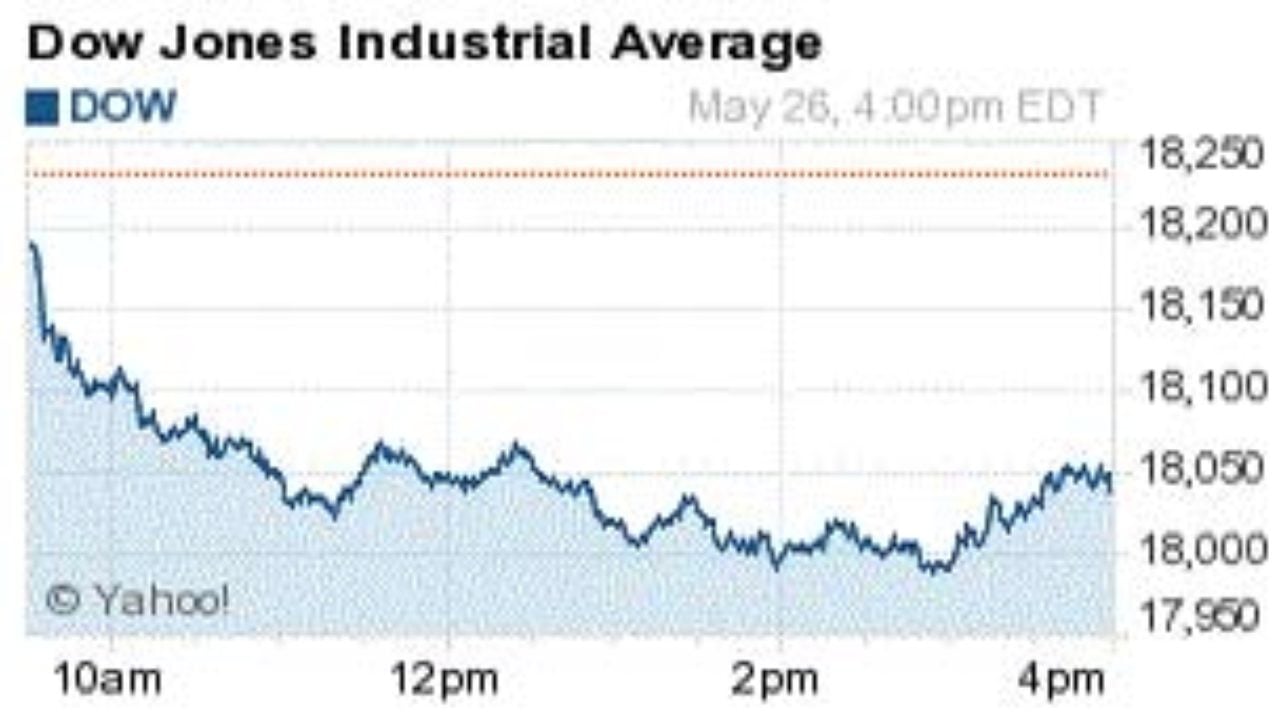
The Elusive Crystal Ball: Why Daily Predictions Are a Trap
The allure of knowing what the market will do next is powerful. Imagine the wealth one could accumulate with perfect foresight! Yet, this very desire often leads investors astray, fostering an environment where speculation overshadows sound analysis and short-term noise obscures long-term value.
The Seduction of the Immediate
In our hyper-connected world, instant gratification has become the norm. Financial news cycles operate at breakneck speed, with minute-by-minute updates on stock prices, company announcements, and economic data. This constant stream of information feeds the human tendency to seek immediate answers, leading many to believe that today’s market movement holds the key to their financial destiny. Social media amplifies this effect, creating echo chambers where speculative calls and daily forecasts gain undue prominence, often without rigorous analytical backing. This immediate focus can lead to impulsive decisions, driven by fear of missing out (FOMO) or panic, rather than a well-thought-out strategy.
Market’s Complex Adaptive System
The stock market is not a simple machine with predictable inputs and outputs; it is a complex adaptive system. It comprises millions of participants—individual investors, institutional funds, corporations, central banks, and governments—each with their own motivations, information sets, and biases. These agents interact in myriad ways, creating emergent behaviors that are impossible to model perfectly. Furthermore, the market itself learns and adapts; once a predictable pattern is identified, enough participants exploit it, causing it to change or disappear. This dynamic nature means that while historical data can offer insights into tendencies, it cannot guarantee future outcomes, especially on a day-to-day basis.
Noise vs. Signal: Distinguishing Short-Term Volatility from Long-Term Trends
A significant challenge for daily market observers is differentiating between “noise” and “signal.” Noise refers to the random, unpredictable fluctuations that account for much of the day-to-day movement in stock prices. These can be triggered by minor news items, algorithmic trading, or simply the collective mood of traders. Signal, on the other hand, represents the underlying fundamental trends—economic growth, corporate earnings power, technological innovation—that drive market values over longer periods. Focusing too heavily on daily noise can be distracting and detrimental, leading to overtrading, higher transaction costs, and a failure to capitalize on the sustained upward trajectory that markets have historically demonstrated over decades. A healthy investment philosophy necessitates tuning out much of the daily noise to concentrate on the fundamental signals that truly matter.
Unpacking the Daily Drivers: Factors Shaping Today’s Market
While precise daily predictions remain elusive, understanding the categories of events and data that can influence market movements is invaluable. These are the primary forces that contribute to the day’s narrative, shaping investor sentiment and trading activity.
Economic Data Releases
Scheduled economic reports are paramount catalysts. Investors eagerly await data such as the Consumer Price Index (CPI) for inflation, employment reports (non-farm payrolls, unemployment rate), Gross Domestic Product (GDP) figures, manufacturing indices (PMI), and consumer confidence surveys. A deviation from consensus estimates, whether positive or negative, can trigger significant market reactions as traders adjust their expectations for corporate performance, consumer spending, and central bank policy. For instance, a stronger-than-expected jobs report might initially boost confidence but could also fuel concerns about inflation, leading to expectations of higher interest rates, which can sometimes weigh on growth stocks.
Corporate News & Earnings
Company-specific news forms another critical layer of daily market influence. Major corporations release quarterly earnings reports, providing insights into their financial health and future outlook. Positive or negative surprises, changes in revenue or profit guidance, and announcements of mergers, acquisitions, or divestitures can cause dramatic swings in individual stock prices and, if significant enough, influence broader market sectors or even indices. Analyst upgrades or downgrades, product launches, regulatory approvals, or legal challenges also contribute to the daily flow of corporate-driven market activity.
Central Bank Rhetoric & Policy
The pronouncements and actions of central banks, most notably the U.S. Federal Reserve, the European Central Bank (ECB), and the Bank of Japan (BoJ), hold immense sway. Decisions regarding interest rates, quantitative easing (QE), or quantitative tightening (QT) directly impact the cost of borrowing, corporate profitability, and the attractiveness of different asset classes. Speeches from central bank officials, minutes from policy meetings, and official statements are meticulously scrutinized for clues about future monetary policy direction. Any hint of a shift can send ripples through global markets, affecting everything from bond yields to currency values and, consequently, equity prices.
Geopolitical Developments
Global events, from political instability and elections to international trade disputes, conflicts, and natural disasters, introduce an element of unpredictable risk. A sudden geopolitical flare-up can spark immediate flight-to-safety trades, driving investors towards perceived safe havens like government bonds or gold, and away from riskier assets like equities. Trade tensions, for instance, can impact global supply chains and corporate profitability, creating uncertainty that suppresses market enthusiasm. Conversely, a resolution to a long-standing conflict or a positive diplomatic breakthrough can boost investor confidence, leading to market rallies.
Technical Analysis & Market Sentiment
Beyond fundamental data, technical factors and collective market psychology play a role. Technical analysts study chart patterns, trading volumes, and historical price movements to identify trends and potential turning points. While often self-fulfilling, these patterns can influence short-term trading decisions. Market sentiment, an often amorphous but powerful force, reflects the collective mood of investors—whether they are predominantly optimistic (greedy) or pessimistic (fearful). Indicators like the CBOE Volatility Index (VIX), often called the “fear index,” or measures of put/call options ratios, can offer glimpses into prevailing sentiment, which can drive short-term buying or selling waves irrespective of underlying fundamentals.
Navigating the Daily Swings: A Strategic Investor’s Mindset
Given the unpredictable nature of daily market movements, adopting a strategic, long-term perspective is not just advisable; it’s essential for achieving sustainable financial growth. Focusing on robust principles rather than fleeting trends helps insulate investors from the emotional rollercoaster of daily market reports.
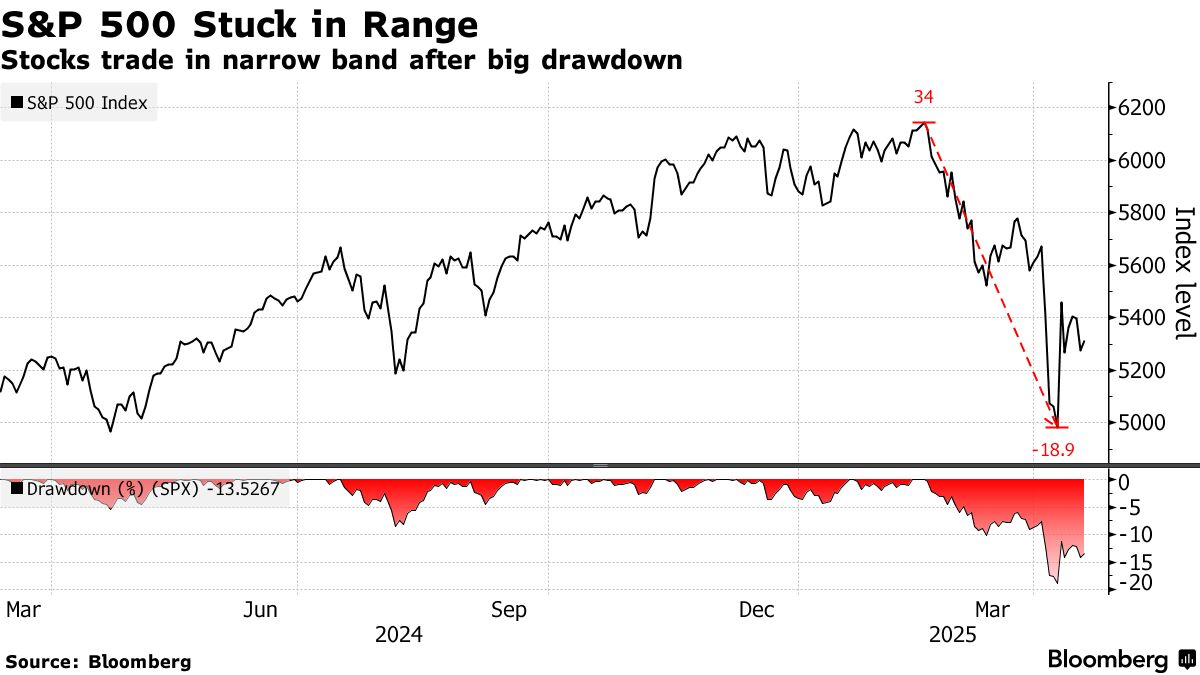
Focus on the Horizon, Not the Minute
One of the most profound lessons in investing is that time is your greatest ally. While the stock market can be volatile on a day-to-day, week-to-week, or even year-to-year basis, its long-term trajectory has historically been upward. Companies innovate, economies grow, and human ingenuity finds solutions, all of which generally translate into increasing asset values over decades. Investors who commit to a long-term strategy—often defined as 10 years or more—can largely weather short-term corrections and capitalize on the power of compounding returns, allowing their investments to grow exponentially over time. Daily price fluctuations become mere blips on a much larger, upward-sloping graph.
The Shield of Diversification
Diversification is the bedrock of risk management. By spreading investments across various asset classes (stocks, bonds, real estate, commodities), different industries, geographical regions, and company sizes, an investor reduces the impact of any single poor-performing asset or adverse event. If one sector experiences a downturn, others might remain stable or even thrive, cushioning the overall portfolio. A diversified portfolio doesn’t eliminate risk entirely, but it significantly reduces idiosyncratic risk—the risk associated with a specific company or sector—making the daily market noise less impactful on your overall financial well-being.
Dollar-Cost Averaging: Smoothing Out the Ride
Dollar-cost averaging (DCA) is a disciplined investment strategy where an investor commits to investing a fixed amount of money at regular intervals, regardless of the stock price. This means buying more shares when prices are low and fewer shares when prices are high. Over time, DCA helps average out the purchase price, reducing the risk of making a large investment at an inopportune market peak. This systematic approach takes the emotion out of investing, encouraging consistent contributions and fostering a steady accumulation of assets, thereby diminishing the psychological and financial impact of daily market volatility.
Emotional Discipline as Your Edge
Perhaps the most challenging, yet crucial, aspect of navigating market swings is maintaining emotional discipline. Fear and greed are powerful forces that can compel investors to make irrational decisions—panic selling during downturns or chasing hot stocks during speculative bubbles. A strategic investor understands that market declines are often opportunities to buy quality assets at lower prices, while excessive exuberance can signal overvaluation. Adhering to a pre-defined investment plan, resisting the urge to check portfolios daily, and focusing on long-term goals rather than immediate price movements are key to harnessing emotional discipline and converting market volatility into an advantage.
Leveraging Information: Tools and Best Practices for Market Awareness
While daily predictions are a fool’s errand, staying informed about the market’s underlying dynamics and key catalysts is essential for making sound investment decisions. The goal is not to react to every flicker but to understand the broader context.
Reputable Financial News & Analysis
Access to high-quality, unbiased financial news and analysis is paramount. Sources such as The Wall Street Journal, Bloomberg, Financial Times, Reuters, and reputable financial research firms provide in-depth reporting, expert commentary, and economic analysis that goes beyond sensational headlines. Learning to critically evaluate news—distinguishing between factual reporting, opinion, and speculative rumor—is a vital skill. Focus on understanding why events are happening and their potential long-term implications, rather than just what happened in the past hour.
Economic Calendars & Event Trackers
To anticipate potential market-moving events, utilize economic calendars and event trackers. These tools list scheduled releases of key economic data (e.g., inflation reports, jobs figures, GDP updates), central bank meetings, corporate earnings announcements, and geopolitical events. Being aware of these upcoming catalysts allows investors to contextualize market reactions and avoid being blindsided by significant news. Many financial news websites and brokerage platforms offer customizable calendars that can alert users to events relevant to their portfolios.
Brokerage Platforms & Research Tools
Modern online brokerage platforms offer a wealth of research tools, analytics, and educational resources. These often include company fundamental data, analyst reports, technical analysis charts, news feeds, and even proprietary market commentary. Learning to effectively use these tools can deepen your understanding of specific companies and sectors, helping you make informed decisions when considering new investments or reviewing existing ones. Many platforms also offer portfolio analysis tools that help track performance, assess diversification, and manage risk.
Beyond the Headlines: Deep Dives into Fundamentals
True market awareness extends beyond merely skimming headlines. It involves conducting deep dives into the fundamentals of the companies you own or are considering. This means understanding their business models, competitive advantages, management quality, financial health (revenue, earnings, debt levels), and long-term growth prospects. Similarly, a grasp of macroeconomic trends—such as technological shifts, demographic changes, and global trade patterns—provides a crucial backdrop for understanding broader market movements. This analytical rigor transforms you from a passive observer to an active, engaged investor.
Building Resilience: Your Personal Investment Framework
Ultimately, navigating the question of “what will the stock market do today?” comes down to cultivating a robust personal investment framework. This framework acts as your compass, guiding your decisions through all market conditions and helping you stay anchored amidst volatility.
Define Your Investment Goals
Before making any investment, clearly define your financial goals. Are you saving for retirement, a down payment on a house, your children’s education, or a specific major purchase? What is your time horizon for each goal? What is your personal risk tolerance—how much volatility can you comfortably endure without losing sleep or making rash decisions? Explicitly articulating these parameters forms the foundation of your investment strategy, ensuring that your portfolio decisions align with your broader life objectives.
Crafting a Robust Investment Plan
Once goals are defined, construct a detailed investment plan. This plan should outline your asset allocation strategy (e.g., what percentage of your portfolio will be in stocks, bonds, cash), your criteria for selecting investments (e.g., growth vs. value, specific sectors), your rebalancing rules (how often will you adjust your portfolio back to target allocations), and your contingency plans for market downturns or significant life changes. A written plan serves as a roadmap, reducing the likelihood of emotional, reactive decisions when markets become turbulent.
Continuous Learning and Adaptation
The financial world is dynamic, constantly evolving with new technologies, economic shifts, and regulatory changes. A resilient investor is committed to continuous learning, staying informed not just about current events but also about new investment products, strategies, and economic theories. This doesn’t mean constantly altering your plan, but rather intelligently adapting it when fundamental changes warrant a strategic review. Engaging with reputable financial literature, educational resources, and expert analysis can keep your knowledge base current and your framework robust.
The Value of Professional Guidance
For many, navigating the complexities of investing can be daunting. Engaging a qualified and ethical financial advisor can be an invaluable asset. A good advisor can help you define your goals, craft a personalized investment plan, ensure proper diversification, and most importantly, provide an objective voice during periods of market stress, helping you stick to your long-term strategy and avoid emotional pitfalls. They can also offer expertise on tax planning, estate planning, and other aspects of holistic financial management, providing a comprehensive approach to your financial well-being.
In conclusion, the quest to predict what the stock market will do today is, for most, a distraction from the more critical endeavor of understanding why it moves and how to position oneself for long-term success. By appreciating the myriad factors at play, embracing a strategic, long-term mindset, and building a disciplined investment framework, you can transform the daily market noise from a source of anxiety into a backdrop for informed, confident financial decision-making. The true power lies not in prediction, but in preparation and perspective.
aViewFromTheCave is a participant in the Amazon Services LLC Associates Program, an affiliate advertising program designed to provide a means for sites to earn advertising fees by advertising and linking to Amazon.com. Amazon, the Amazon logo, AmazonSupply, and the AmazonSupply logo are trademarks of Amazon.com, Inc. or its affiliates. As an Amazon Associate we earn affiliate commissions from qualifying purchases.