
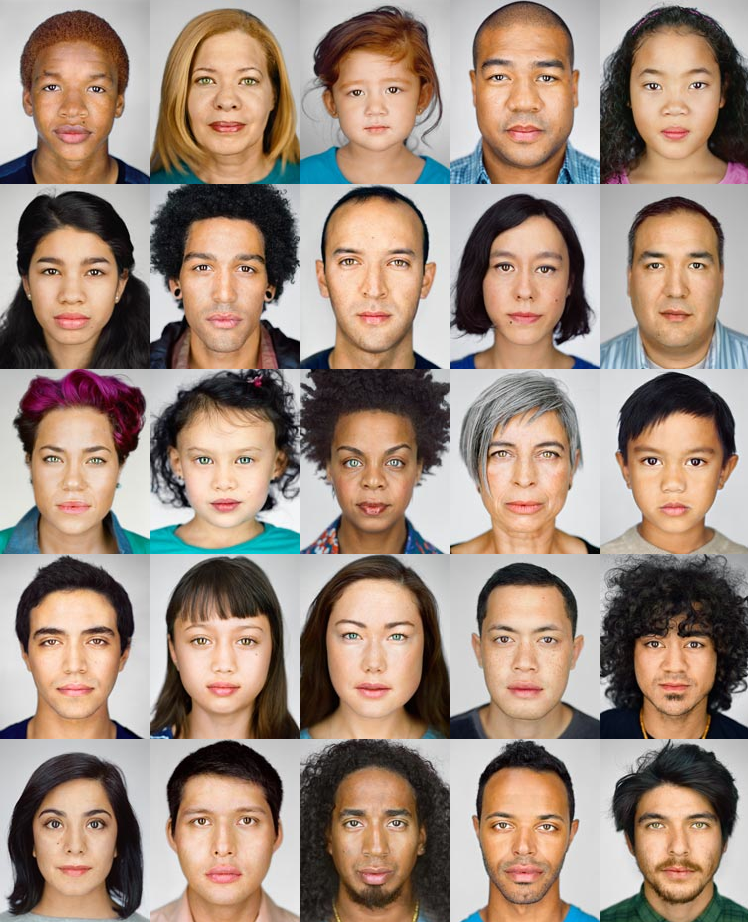
The year 2050 feels like a distant horizon, yet it’s less than three decades away – a mere blink in the grand sweep of human history. For many, imagining the future conjures images of flying cars and sentient robots, but perhaps a more profound transformation will be found closer to home: in ourselves. How will the human form, our aesthetics, our very perception of what constitutes “looking human,” evolve by mid-century? The answer is a complex tapestry woven from rapid technological advancements, evolving personal and corporate branding strategies, and the ever-present influence of economic forces. It’s a future where our physical selves become both a canvas for technological innovation and a powerful statement of identity, deeply intertwined with digital trends and financial accessibility.

The Technological Tapestry: From Augmentation to Alteration
Technology is undoubtedly the primary driver behind potential shifts in human appearance. From the devices we wear to the biological code within us, innovations currently in their nascent stages will likely mature into commonplace tools, fundamentally altering how we present ourselves to the world.
The Era of Integrated Wearables and Augmented Reality
By 2050, the concept of a separate “device” might feel quaint. Instead, technology will be seamlessly integrated into our daily lives, often directly onto or into our bodies. Imagine contact lenses that aren’t just for vision correction but are also high-definition augmented reality (AR) displays, overlaying digital information onto the physical world. These “smart lenses” could project customized visual filters onto your own reflection, allowing you to instantly preview different makeup styles, hairstyles, or even virtual tattoos before committing to them. Or perhaps they could project bespoke aesthetic augmentations for others to see, making you appear taller, more muscular, or giving you an ethereal glow, all through personalized, audience-specific AR filters visible only through their compatible tech.
Earbuds might evolve into discreet, skin-integrated audio systems, perhaps even offering haptic feedback or subtle neurological stimulation to enhance focus or mood, subtly influencing facial expressions and overall demeanor. Smart clothing, woven with advanced sensors, will not only monitor vital signs but could also dynamically change its texture, color, and even shape based on personal preference, mood, or environmental factors. These gadgets will become extensions of our personal style, offering dynamic, adaptable aesthetics that can shift with the click of a button or even a thought, blurring the lines between physical presence and digital projection. Digital security for these integrated wearables will be paramount, ensuring personal data and aesthetic preferences remain private and protected from unauthorized access or manipulation.
Biotech and Genetic Engineering: Reshaping the Human Form
Beyond external wearables, the most profound changes might come from within. Advances in biotechnology, particularly gene-editing tools like CRISPR, hold the potential to move beyond therapeutic applications and into elective aesthetic enhancements. While ethical debates will undoubtedly rage, the allure of perfect skin, optimized metabolism for ideal body composition, or even subtle changes to facial features through genetic “tweaks” could become a reality for some. Imagine personalized medicine not just curing disease but also pre-emptively enhancing physical attributes, delaying aging processes, or even optimizing genetic predispositions for muscle growth or hair thickness.
AI tools will play a crucial role in this, analyzing genetic data to identify optimal interventions for desired aesthetic outcomes, designing personalized bio-enhancement protocols, and even predicting the long-term effects of such alterations. Software will be developed to simulate these biological changes, allowing individuals to “design” their future selves before any physical intervention. This opens a Pandora’s Box of possibilities, from erasing genetic predispositions to baldness or acne, to potentially selecting traits for future generations. The ethical implications are immense, but the technological capability will undeniably exist, prompting deep societal conversations about what it means to be naturally human versus synthetically optimized.
Digital Twins and the Metaverse: Our Virtual Selves
The increasing prominence of the metaverse and digital realities means that our “look” in 2050 won’t be confined to the physical realm. Many individuals will likely spend significant portions of their lives in virtual spaces, where their digital avatars become as important, if not more so, than their physical appearance. These digital twins, powered by sophisticated AI and advanced graphics software, can be anything we desire – unbound by the constraints of biology or physics.
The skills learned in crafting and maintaining a compelling digital presence will directly influence physical aesthetics. Trends originating in the metaverse, from fantastical hair colors to intricate digital tattoos, could easily spill over into the physical world as technologies for safe and reversible bodily modification advance. Our digital look will inform our physical one, and vice versa, creating a continuous feedback loop. Apps for creating hyper-realistic avatars, customizing virtual outfits, and designing entire digital environments will be commonplace. This duality of existence will mean that “what people look like” will be a multi-dimensional concept, encompassing both their tangible selves and their infinitely malleable digital representations, each influencing the other in a dance of evolving identity.
The Evolving Canvas: Personal Branding and Societal Identity
As technology grants us unprecedented control over our appearance, the way we project ourselves – our personal brand – will become an even more crucial aspect of our identity. Our physical and digital looks will be meticulously curated expressions of who we are, or who we aspire to be, profoundly influenced by both individual choice and the broader currents of corporate identity and marketing.
Appearance as a Personal Brand Statement
In an increasingly competitive and interconnected world, personal branding will extend far beyond a professional resume or an online profile. By 2050, our physical appearance, enhanced or otherwise, will be a direct, walking, talking manifestation of our personal brand. From custom-designed smart contact lenses displaying subtle brand logos or mood indicators, to bespoke biotechnological enhancements signaling specific affiliations or values, every aspect of one’s look could be meticulously crafted.
Individuals will leverage advanced design tools, often AI-powered, to create unique aesthetic profiles that align with their personal narratives, career aspirations, or social causes. This means that a creative professional might sport dynamic, color-shifting hair dyes projected via optical tech, while a sustainability advocate might choose bio-integrated wearables that monitor environmental impact. This isn’t just about looking good; it’s about signaling identity, belonging, and ambition. The rise of personal branding consultants specializing in physical aesthetics and digital self-representation will be a major industry, helping individuals navigate the vast array of options to craft a cohesive and impactful “look.”
Corporate Aesthetics and the Influence of Marketing
Beyond individual branding, corporate identity will also profoundly influence how people look. Brands will likely offer integrated aesthetic packages, tying their products and services directly to physical enhancements or stylistic trends. Imagine sportswear companies developing smart fabrics that not only track performance but also dynamically adapt their appearance to optimize for various social settings, becoming a part of a user’s ever-changing “look.” Luxury brands might offer exclusive access to advanced genetic tailoring for anti-aging or specific aesthetic traits, creating new tiers of brand loyalty tied to physical embodiment.
Marketing will become incredibly sophisticated, using advanced AI to analyze personal data and predict aesthetic preferences, then pushing highly personalized enhancement solutions or stylistic trends directly to individuals. The reputation of these brands will heavily depend on the ethical application of such technologies and the transparency with which they operate. The drive for market share will undoubtedly lead to innovative, and sometimes controversial, proposals for altering human appearance, making the consumer a direct participant in corporate narratives. The concept of “brand ambassadors” might even extend to people embodying certain corporate aesthetics through their very biology or augmented reality overlays.
Navigating Authenticity in an Enhanced World
As the lines between natural and enhanced blur, a significant challenge will be navigating the concept of authenticity. If every aspect of our appearance can be digitally or biologically altered, what does it mean to be “real”? Society will grapple with new definitions of beauty, honesty, and self-expression. Will there be a premium on “unenhanced” features, or will the ability to customize oneself be seen as the ultimate form of self-expression?
This will spur new discussions around digital ethics and the responsibility of creators and users alike. Platforms and social norms will likely emerge to help distinguish between permanent alterations, temporary digital overlays, and naturally occurring features. Perhaps reputation systems will incorporate aspects of “aesthetic transparency,” indicating the extent of enhancement. The pursuit of “authenticity” might paradoxically lead to a focus on inner qualities, as outward appearances become increasingly mutable. Personal branding in this context will involve a delicate balance: leveraging technology for self-expression while maintaining a core sense of identity that resonates beyond superficial changes.
The Price of Perfection: Economic Divides and the Future of Aesthetics
While the technological potential is vast, access to these advancements will inevitably be shaped by economic realities. The future of appearance will not be uniform; instead, it will likely reflect and even exacerbate existing socio-economic divides, creating a new “economy of self-optimization.”
The Premium on Personal Enhancement: A Question of Access
Cutting-edge aesthetic technologies, from bespoke genetic therapies to advanced integrated wearables, will undoubtedly come with a hefty price tag. Initially, these innovations will be available only to the wealthiest echelons of society. This means that by 2050, there could be a visible aesthetic divide: a “designer class” adorned with the latest bio-enhancements, dynamic AR projections, and seamlessly integrated tech, contrasting with those who cannot afford such advancements. This disparity could manifest in everything from prolonged youthfulness and optimized health markers to perfectly symmetrical features or entirely customized appearances.
Investing in these personal enhancements might be seen not just as a luxury but as a necessary investment in one’s personal and professional capital, much like education or networking today. Access to “optimal looks” could become a barrier to social mobility or career progression, creating new forms of discrimination based on perceived genetic or technological “upgrades.” Financial tools and services might emerge to help people finance these costly procedures, akin to loans for higher education or home ownership, highlighting the significance placed on a technologically enhanced appearance.
The Subscription Economy of Self-Optimization
As some of these technologies mature and become more widespread, they may transition into subscription-based models, making them more accessible but still a continuous financial commitment. Imagine paying a monthly fee for anti-aging gene therapies that require regular “boosters,” or subscribing to an AR aesthetic package that provides access to the latest visual filters and virtual fashion updates. This “subscription to youth” or “membership to beauty” would create a recurring revenue stream for tech and biotech companies, further entrenching these enhancements into daily life.
Online income opportunities and side hustles might increasingly revolve around demonstrating or promoting these aesthetic subscriptions, with individuals becoming micro-influencers for various enhancement services. The constant pressure to maintain an “upgraded” look would fuel a continuous cycle of consumption, pushing individuals to invest a significant portion of their personal finance into their aesthetic upkeep. This model could democratize access to some extent, but it would also create a new form of financial dependence tied directly to one’s perceived self-worth and societal standing.
Influencers, Trends, and the Monetization of Looks
The role of influencers in shaping aesthetic trends will undoubtedly intensify. With advanced tools for physical and digital alteration, influencers will be able to embody and promote new looks with unprecedented speed and impact. They might showcase the latest bio-integrated facial symmetry enhancements, display dynamic skin patterns projected via AR, or promote specific genetic predispositions that become desirable. These influencers, often sponsored by tech and biotech companies, will drive consumer demand, turning aesthetic upgrades into aspiration-driven purchases.
The “monetization of looks” will become a central theme. Individuals might earn money directly from displaying sponsored aesthetic enhancements, or through performance-based contracts tied to their physical transformations. The financial success of many will be directly linked to their ability to adapt to and exemplify the latest aesthetic trends, creating a highly competitive market for personal appearance. Marketing campaigns will not just sell products but lifestyles inextricably linked to specific looks, further blurring the lines between personal expression, commercial influence, and financial gain.
Beyond the Physical: The Blurring Lines of Human Experience
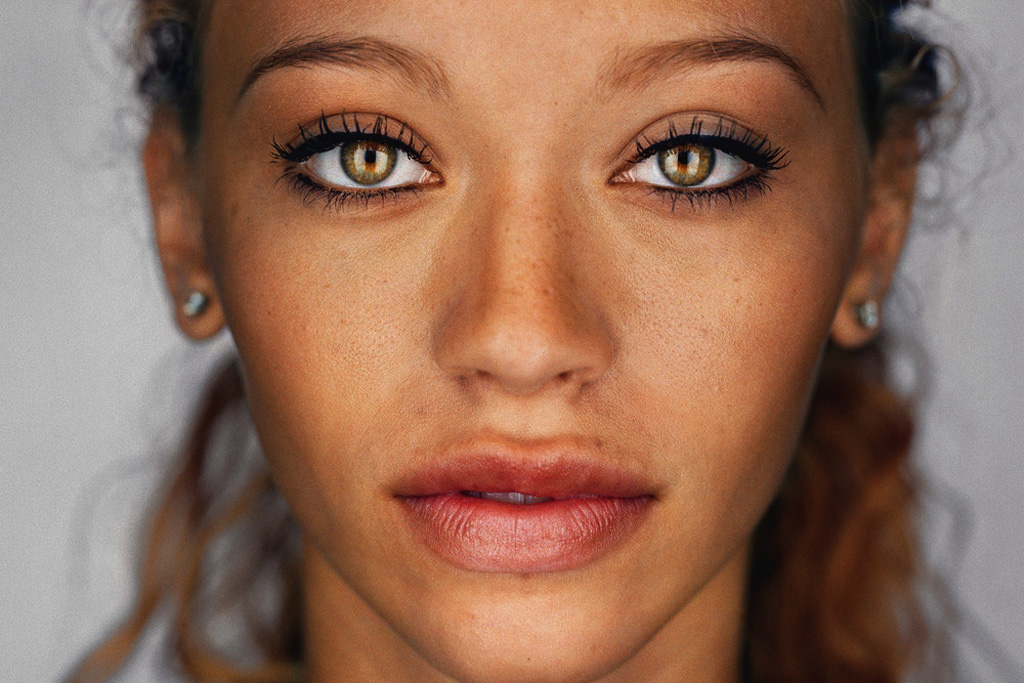
Ultimately, what people will look like in 2050 is not merely a question of physical attributes, but a profound exploration of human identity in a world saturated with technological possibility and shifting societal values. The changes will extend beyond skin deep, influencing our cognition, emotions, and how we interact with the world and each other. The blend of technology, branding, and economic factors will create a spectrum of appearances, ranging from the subtly augmented to the radically transformed.
The journey to 2050 promises a fascinating, and at times challenging, redefinition of what it means to be human. Our understanding of beauty, authenticity, and even humanity itself will be stretched and reshaped by these advancements. While the drive for self-improvement and aesthetic expression is a timeless human trait, the tools at our disposal will be revolutionary. Our physical selves will become highly personalized interfaces, reflecting our choices, our affiliations, and our place in a technologically advanced, economically stratified, and brand-conscious society. The future will not present a single, uniform look, but rather a kaleidoscope of individual expressions, each a testament to the era’s boundless innovation and enduring human desire to shape our own destiny.
aViewFromTheCave is a participant in the Amazon Services LLC Associates Program, an affiliate advertising program designed to provide a means for sites to earn advertising fees by advertising and linking to Amazon.com. Amazon, the Amazon logo, AmazonSupply, and the AmazonSupply logo are trademarks of Amazon.com, Inc. or its affiliates. As an Amazon Associate we earn affiliate commissions from qualifying purchases.