
In the sophisticated world of industrial and commercial technology, the efficiency of a cooling system is governed by the laws of thermodynamics and the purity of its internal environment. Refrigeration systems—ranging from massive data center cooling units to industrial cold storage—are engineered to operate using specific refrigerants that transition between liquid and gas states. However, the introduction of non-condensable gases (NCGs) acts as a persistent “glitch” in this mechanical hardware. Understanding what non-condensables result in is critical for technicians and engineers tasked with maintaining the uptime and longevity of high-tech cooling infrastructure.
Understanding Non-Condensables: The “Invisible Enemy” of Cooling Technology
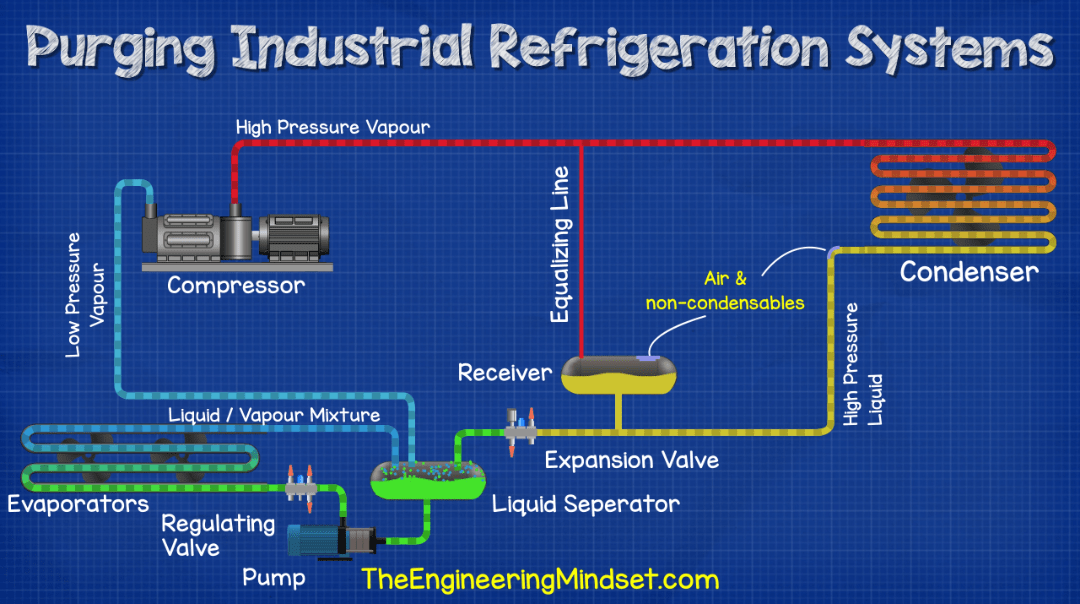
To understand the results of contamination, we must first define the technical nature of non-condensables. In a refrigeration circuit, non-condensables are substances—primarily air, nitrogen, or oxygen—that remain in a gaseous state under the temperatures and pressures normally found in the condenser. Unlike the refrigerant, which is designed to shed heat and liquefy, these gases remain trapped, circulating through the system and wreaking havoc on its operational logic.
What are Non-Condensable Gases?
Non-condensable gases are typically atmospheric air that has leaked into a system or nitrogen left behind after an improper commissioning process. In the context of modern HVAC/R technology, these gases are “foreign objects.” Because they cannot condense into a liquid at the pressures provided by the compressor, they congregate at the top of the condenser and the receiver, effectively reducing the available surface area for heat exchange.
Common Sources of Contamination
Contamination often occurs during the installation or repair phase. If a technician fails to achieve a “deep vacuum” (measured in microns) before charging the system, atmospheric air remains inside. Other sources include leaks on the suction side of systems operating under a vacuum or the degradation of low-quality lubricants that release trapped gases over time. Even in high-end industrial tech, a small oversight in the sealing of a Schrader valve or a loose flare fitting can introduce these problematic elements.
The Technical Impact on System Performance and Efficiency
The most immediate result of non-condensables is a drastic shift in the system’s pressure dynamics. Refrigeration technology relies on a precise relationship between pressure and temperature (the P-T relationship). When non-condensables enter the mix, they follow Dalton’s Law of Partial Pressures, which states that the total pressure in a container is the sum of the pressures of each individual gas.
Elevated Discharge Pressures and Temperatures
When air is trapped in the condenser, the compressor must work against both the pressure of the refrigerant and the pressure of the non-condensables. This results in “high head pressure.” Technically, the compressor has to compress the refrigerant to a much higher level than required by the ambient temperature to overcome the added pressure of the air. This increases the compression ratio, leading to higher discharge temperatures at the compressor head. In high-performance tech environments, this inefficiency can lead to “tripping” of high-pressure safety switches, causing sudden and unexpected system downtime.
Reduced Heat Transfer Capabilities
The condenser’s primary function is to transfer heat from the refrigerant to the cooling medium (air or water). Non-condensables act as an insulating blanket. As these gases collect on the inner walls of the condenser tubes, they create a barrier that prevents the refrigerant vapor from touching the cool surface of the metal. The result is a significant drop in the system’s cooling capacity. The hardware might run continuously without ever reaching the desired setpoint, leading to a “thermal runaway” scenario where the system consumes maximum power while providing minimal cooling output.
Long-term Mechanical Consequences and Component Failure
Beyond the immediate loss of efficiency, non-condensables initiate a series of chemical and mechanical failures that can lead to total system collapse. In the tech industry, reliability is paramount, and the presence of these gases is a leading cause of premature equipment retirement.
Lubricant Degradation and Acid Formation
Oxygen and moisture are the two primary components of air. When they are introduced into a pressurized, high-heat environment containing refrigerant and polyester (POE) or mineral oils, a chemical reaction occurs. This process, known as hydrolysis, leads to the formation of highly corrosive acids. These acids attack the copper windings of the compressor motor and the polished metal surfaces of the bearings. Over time, the lubricant loses its viscosity and turns into a thick “sludge,” which can clog expansion valves and capillary tubes, essentially choking the system’s “circulatory” pathways.
Compressor Stress and Potential Burnout
The compressor is the heart of the refrigeration system. When forced to operate under high discharge pressures caused by non-condensables, the internal valves and pistons are subjected to extreme mechanical stress. The higher discharge temperatures also cause the oil to carbonize or “plate” onto the discharge valves. Eventually, the insulation on the motor windings fails due to acid and heat, resulting in a “burnout.” This is the most expensive failure in refrigeration technology, often requiring a complete system flush and component replacement.
Diagnostic Tools and Modern Technological Solutions
Identifying the presence of non-condensables requires a blend of traditional mechanical knowledge and modern digital diagnostic tools. Technicians must be able to distinguish between a “dirty condenser” (external airflow issue) and “non-condensables” (internal gas issue).
Utilizing Manifold Gauges and Pressure-Temperature (P-T) Charts
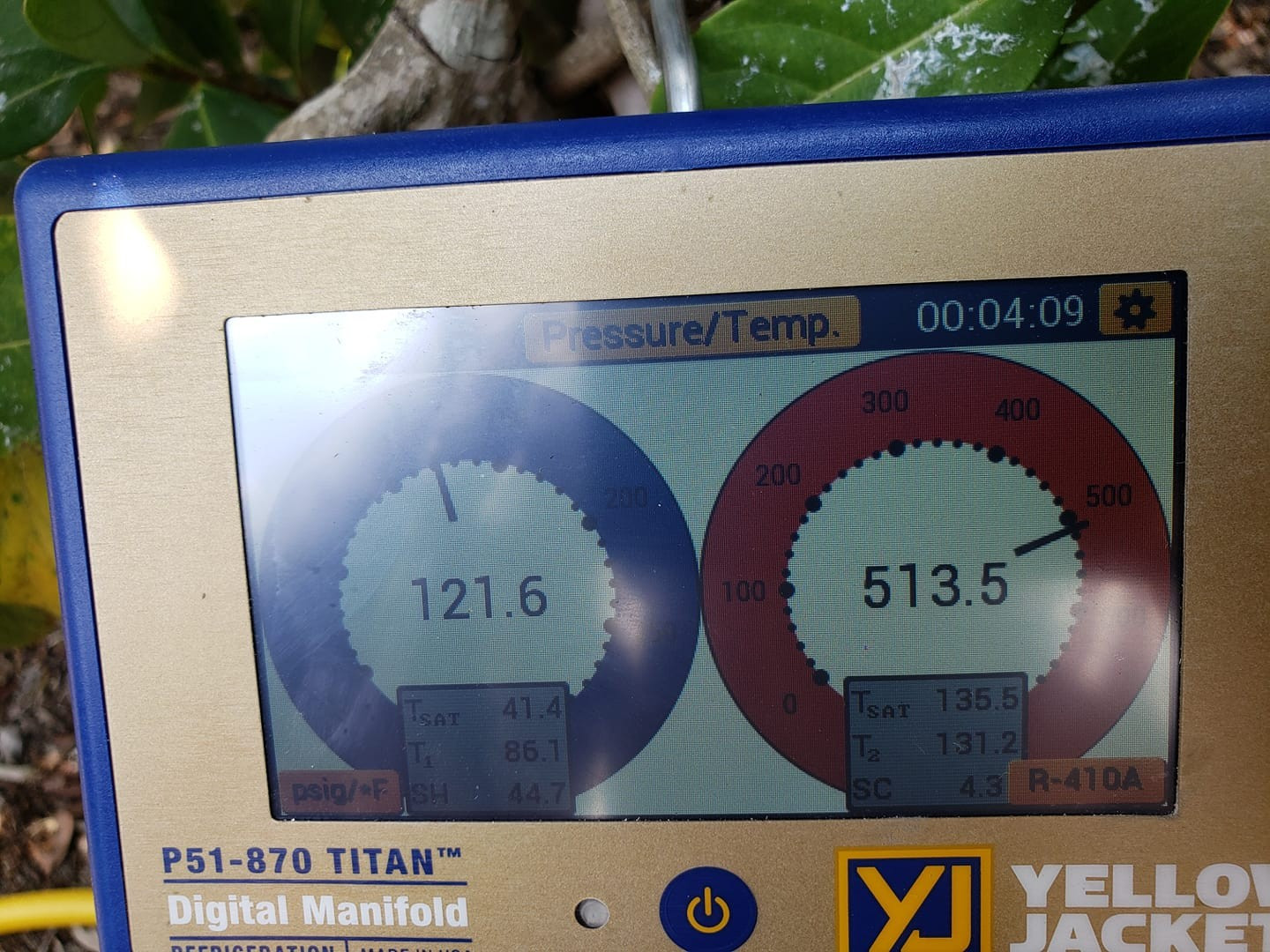
The standard diagnostic procedure involves comparing the actual pressure in the condenser to the “saturated pressure” for the ambient temperature. For example, if a technician uses a digital manifold gauge to find that the pressure is 20-30 PSI higher than what the P-T chart suggests for the current temperature, it is a definitive sign of non-condensable gases. Advanced digital manifolds now come with built-in software that calculates “subcooling” and “superheat” in real-time, providing immediate visual alerts if the pressure-temperature relationship is skewed.
Automated Air Purgers and Smart Monitoring Systems
In large-scale industrial refrigeration tech—such as ammonia systems used in food processing—non-condensables are such a persistent threat that “air purgers” are integrated into the hardware. These are specialized subsystems that automatically detect, collect, and vent non-condensable gases without losing refrigerant. Modern IoT-enabled cooling systems also use sensors to monitor discharge pressure trends. If the software detects a steady rise in pressure that does not correlate with a rise in ambient temperature, it can flag the issue for preventive maintenance before a mechanical failure occurs.
Preventive Maintenance Protocols for Sustained System Integrity
The best way to handle the results of non-condensables is to prevent their entry entirely. This requires adherence to rigorous technical standards during installation and servicing.
Deep Vacuum Procedures and Micron Measurement
The gold standard in refrigeration technology is the triple evacuation method. Instead of relying on a simple “timed” vacuum, technicians use high-precision digital micron gauges. A system is typically pulled down to below 500 microns. A “vacuum decay test” is then performed: if the pressure rises and stabilizes, it indicates the presence of moisture or non-condensables still boiling off; if it rises indefinitely, it indicates a leak. Using high-tech vacuum pumps and large-diameter hoses allows for a faster and more thorough removal of all non-condensable elements.
The Role of Digital Leak Detection
Since leaks on the low-pressure side of a system (especially in systems using low-pressure refrigerants like R-123) can suck air in, leak detection technology is vital. Modern ultrasonic leak detectors and heated diode sensors can find microscopic leaks that would be invisible to the naked eye. By maintaining a hermetically sealed environment, the “tech” inside the refrigeration system remains pure, ensuring that the only thing circulating through the evaporator and condenser is the intended refrigerant.

Conclusion
Non-condensables in a refrigeration system result in a domino effect of technical failures: high discharge pressures, reduced cooling capacity, chemical degradation, and eventually, catastrophic compressor failure. In an era where energy efficiency and hardware uptime are critical benchmarks for success, the “invisible” threat of air and nitrogen cannot be ignored. By leveraging modern diagnostic tools, adhering to strict evacuation protocols, and utilizing automated purging technology, engineers can ensure that refrigeration systems operate at peak performance, providing the reliable cooling necessary for today’s technological infrastructure.
aViewFromTheCave is a participant in the Amazon Services LLC Associates Program, an affiliate advertising program designed to provide a means for sites to earn advertising fees by advertising and linking to Amazon.com. Amazon, the Amazon logo, AmazonSupply, and the AmazonSupply logo are trademarks of Amazon.com, Inc. or its affiliates. As an Amazon Associate we earn affiliate commissions from qualifying purchases.