
The process of pregnancy is defined by a series of physiological transitions, many of which are marked by subtle shifts in the body’s protective mechanisms. One of the most significant, yet frequently misunderstood, markers of approaching labor is the loss of the mucus plug. For expectant parents, understanding the physical presentation of this biological barrier is essential for navigating the final stages of gestation with clarity and composure. While folklore often emphasizes the dramatic nature of these changes, the reality is a nuanced look at cervical health and preparation.
The Biological Function and Composition of the Mucus Plug
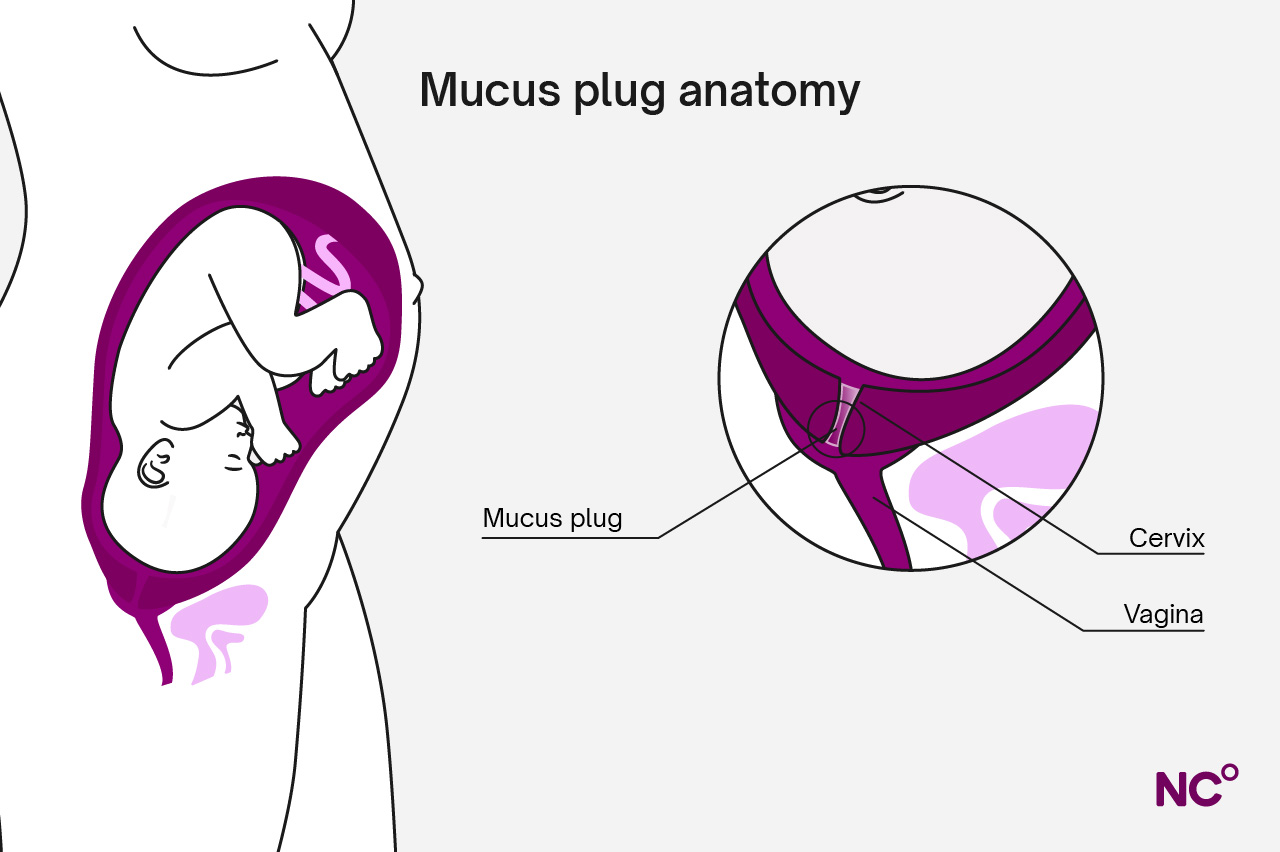
To understand the appearance of the mucus plug, one must first appreciate its purpose. During early pregnancy, the cervix secretes a thick, viscous substance that gathers in the cervical canal. This creates a physical and chemical barrier designed to seal off the uterus, protecting the developing fetus from the potential infiltration of bacteria and pathogens from the vagina.

The Role of Cervical Mucus
The composition of the mucus is largely determined by hormonal fluctuations, specifically the rise in progesterone. Throughout the pregnancy, this plug serves as a biological gatekeeper. It is rich in immunoglobulins and antimicrobial proteins, acting as the first line of defense for the sterile environment of the amniotic sac. As the pregnancy reaches full term, the cervix undergoes a process known as “ripening” or effacement—the thinning and softening of the cervical tissue. This process causes the plug to loosen and eventually dislodge.
Variability in Texture and Consistency
Because the plug is composed of a dense matrix of glycoproteins, its consistency is generally thicker and more gelatinous than the standard discharge experienced throughout the second trimester. It is not merely a fluid; it is a structural formation. When observed, it often holds its shape, resembling a globule of translucent jelly, a cluster of thick mucus, or, in some cases, a stringy, adhesive substance. The consistency is rarely watery; if a pregnant individual notices a continuous, thin, watery discharge, it is more likely to be amniotic fluid rather than the mucus plug.
Visual Variations: Colors and Indicators
One of the most common questions surrounding the loss of the mucus plug involves its color. The variance in hue is rarely a cause for concern, provided the individual is near their due date and experiencing no other alarming symptoms.
Clear and Translucent Shades
In its most pristine state, the mucus plug is often clear, white, or slightly off-white. This translucent appearance indicates that the cervix is beginning to soften but has not yet experienced significant vascular changes. Many people may lose their plug in small, incremental pieces over several days or weeks, making it difficult to distinguish from regular cervical discharge. In these cases, the discharge may appear as thin, stretchy strands on toilet paper or in undergarments.
The Significance of Pink, Brown, or Red Tinges
As the cervix begins to efface and dilate, tiny capillaries within the cervical tissue may rupture. This is entirely normal. When this minor bleeding occurs, the mucus plug may become “tinged.”
- Pink-tinged mucus: Often signals the very beginning of cervical dilation. This is a common occurrence as the tissues stretch and undergo the micro-trauma associated with labor preparation.
- Brown mucus: Typically indicates “old” blood. This is often observed if the blood from the initial cervical stretching has taken some time to make its way through the cervical canal.
- Red or “bloody show”: This term refers to a more significant release of mucus mixed with fresh blood. It is a classic sign that labor is imminent. While the sight of blood can be startling, a small amount mixed with mucus is standard. However, any heavy, bright red vaginal bleeding—similar to a heavy menstrual period—should be treated as a medical priority and reported to a healthcare provider immediately.
Distinguishing the Plug from Other Pregnancy Discharges
Distinguishing the mucus plug from common pregnancy discharge is a skill that develops as one nears the end of the third trimester. While increased discharge (leukorrhea) is a standard side effect of high estrogen levels, the mucus plug possesses distinct physical properties.
Evaluating Texture and Volume
Standard leukorrhea is typically thin, milky, and mild in odor. It is designed to cleanse the vagina and prevent infections. In contrast, the mucus plug is significantly more substantial. If the plug is expelled in its entirety, it is often a noticeable mass—roughly the size of a tablespoon or slightly larger—that feels distinctly different from the typical daily discharge.
The “Bloody Show” vs. Active Labor
It is crucial to understand that losing the mucus plug does not necessarily mean that active labor has begun. The plug can be lost hours, days, or even a week before contractions start. It is an indicator of progress—a sign that the body is preparing—but it is not a diagnostic tool for immediate delivery. In contrast, the rupture of the amniotic sac (the “water breaking”) is a more urgent clinical milestone. If the fluid is clear and accompanied by regular contractions, the focus should shift toward labor management. If the fluid is green, yellow, or foul-smelling, medical intervention is required.
When to Contact Your Healthcare Provider
While the loss of the mucus plug is a natural physiological event, there are specific circumstances where professional guidance is necessary. Recognizing the boundaries between normal progression and clinical concern is part of a proactive approach to prenatal care.
Identifying Red Flags
The primary concern regarding vaginal discharge near the end of pregnancy relates to the amount and the nature of the blood. If the mucus plug release is accompanied by:
- Bright red blood: Bleeding that exceeds a few tablespoons or mimics a period.
- Abdominal pain: Severe, sharp, or constant pain that is not related to the rhythmic tightening of contractions.
- Fever or chills: Potential signs of infection within the uterine environment.
- Reduced fetal movement: Any change in the established pattern of the baby’s activity.

The Importance of Monitoring
Communication with an obstetrician or midwife remains the most reliable path to safety. If you are uncertain about what you are seeing, taking a photograph to show your provider or describing the color, volume, and timing of the discharge can provide them with the information necessary to assess your status.
The passage of the mucus plug is essentially a silent celebration of the body’s readiness. It represents the culmination of months of physiological adjustment, serving as the final transition before the onset of active labor. By maintaining a calm, observant mindset and staying in contact with your clinical team, you can navigate this phase of pregnancy with the assurance that your body is moving through the stages of labor exactly as nature intended. Whether it arrives as a sudden “bloody show” or a slow, incremental departure, it remains a powerful reminder of the resilience and efficiency of the human body as it prepares to welcome new life.
aViewFromTheCave is a participant in the Amazon Services LLC Associates Program, an affiliate advertising program designed to provide a means for sites to earn advertising fees by advertising and linking to Amazon.com. Amazon, the Amazon logo, AmazonSupply, and the AmazonSupply logo are trademarks of Amazon.com, Inc. or its affiliates. As an Amazon Associate we earn affiliate commissions from qualifying purchases.