
The prospect of homeownership is often intertwined with a fundamental question: “What will my mortgage be?” It’s a query that resonates with hopeful buyers, first-time applicants, and even those considering refinancing. Far from a simple calculation, your monthly mortgage payment is a multifaceted financial commitment influenced by a dynamic interplay of economic factors, personal financial health, and the specifics of your chosen property. Understanding this crucial figure is not merely about budgeting; it’s about gaining clarity on one of the most significant financial decisions you’ll ever make, empowering you to navigate the real estate market with confidence and foresight.
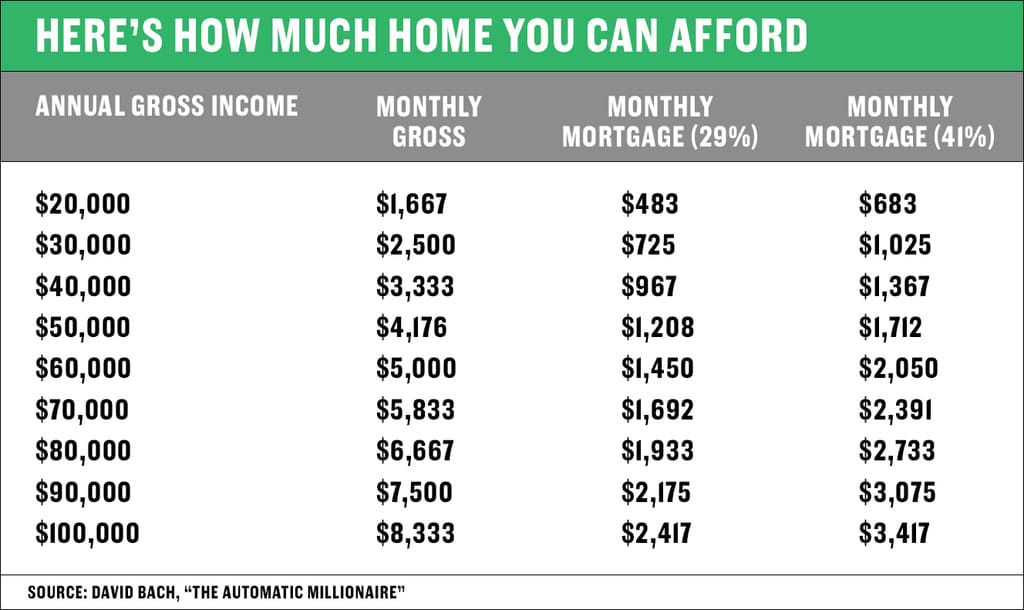
In a financial landscape constantly reshaped by interest rate fluctuations, housing market shifts, and evolving lending criteria, a robust understanding of your potential mortgage payment is more critical than ever. This guide will meticulously deconstruct the components of a mortgage, illuminate the primary factors that dictate its size, and equip you with strategies to estimate, manage, and ultimately optimize this cornerstone of your personal finances. By peeling back the layers of principal, interest, taxes, and insurance, we aim to transform a daunting question into an accessible and actionable financial insight, positioning you firmly on the path to informed homeownership.
Deconstructing the Core Mortgage Payment: Principal and Interest
At its heart, a mortgage payment primarily consists of two components: principal and interest. This foundational duo forms the basis of what you repay to the lender each month for the loan itself. Understanding how these two elements interact is crucial for comprehending the long-term financial trajectory of your home loan.
The Amortization Schedule: How Your Payments Evolve
An amortization schedule is the roadmap of your mortgage repayment. It’s a detailed table showing each payment made over the life of the loan, itemizing the amount applied to interest and the amount applied to the principal balance. In the initial years of a standard fixed-rate mortgage, a disproportionately large portion of your monthly payment goes towards interest. This is because the outstanding loan balance is at its highest, and the lender is recouping their cost of lending. As time progresses and the principal balance decreases, a larger share of each subsequent payment is directed towards reducing the principal, leading to faster equity growth in the latter half of the loan term.
For example, on a 30-year fixed-rate mortgage, it’s not uncommon for the first five to ten years to see the majority of payments consumed by interest. This structure explains why early extra principal payments can have such a profound impact on the total interest paid over the life of the loan and can significantly shorten your repayment period. It’s a powerful illustration of how consistent, targeted financial actions can yield substantial long-term savings and accelerate your path to full home ownership.
The Critical Role of Interest Rates
The interest rate is arguably the single most influential factor in determining your monthly mortgage payment. It is the cost you pay to borrow the principal amount, expressed as a percentage of the outstanding loan balance. Even a fractional change in the interest rate can translate into hundreds or even thousands of dollars difference in your monthly payment and tens of thousands over the life of the loan.
Interest rates are influenced by a myriad of macroeconomic factors, including the Federal Reserve’s monetary policy, inflation expectations, the bond market, and the overall health of the economy. Your individual interest rate, however, will also be heavily dependent on your creditworthiness, the loan type (e.g., fixed-rate vs. adjustable-rate), and the loan term. A lower interest rate means less money paid to the lender and more towards your equity, underscoring the importance of securing the most favorable rate possible. It highlights the strategic advantage of improving your credit score and diligently shopping for lenders, as even minor rate differences can compound into significant financial impacts over time.
Beyond Principal and Interest: The Full Picture of Your Monthly Payment
While principal and interest form the core of your mortgage payment, they are rarely the entire payment. For most homeowners, the true monthly expense includes additional components often bundled into an escrow account. This consolidated payment is commonly referred to as PITI: Principal, Interest, Taxes, and Insurance. Some properties may also include Homeowners Association (HOA) fees.
Property Taxes: A Non-Negotiable Component
Property taxes are levied by local governmental authorities (county, city, school districts) based on the assessed value of your home. These taxes fund public services such as schools, roads, emergency services, and parks. Unlike principal and interest, property tax rates and assessments can fluctuate annually, impacting your overall monthly payment. Lenders typically collect a portion of your estimated annual property taxes with each monthly mortgage payment and hold these funds in an escrow account. When the tax bill is due, the lender pays it on your behalf. This ensures taxes are paid on time and mitigates the risk of tax liens on the property. It’s crucial for prospective buyers to research local property tax rates, as they can vary significantly even within neighboring communities.
Homeowner’s Insurance: Protecting Your Investment
Homeowner’s insurance is another essential expense that lenders require to protect their investment (and yours) against perils like fire, theft, vandalism, and certain natural disasters. Like property taxes, an estimated portion of your annual homeowner’s insurance premium is typically collected monthly by your lender and held in escrow. When the policy renewal comes due, the lender disburses the payment to your insurance provider. The cost of homeowner’s insurance varies based on factors such as the home’s location, age, construction type, replacement cost, deductible chosen, and your claims history. Living in areas prone to specific risks (e.g., hurricanes, earthquakes) may necessitate additional coverage, further impacting this portion of your monthly payment.
Private Mortgage Insurance (PMI): When It Applies and How to Avoid It
Private Mortgage Insurance (PMI) is an additional insurance premium required by lenders when a borrower puts down less than 20% of the home’s purchase price. PMI protects the lender, not the borrower, in case of default. It is typically added to your monthly mortgage payment. While it adds to your monthly outlay, PMI enables individuals with smaller down payments to achieve homeownership sooner. However, it’s a cost you want to eliminate as soon as possible. Fortunately, PMI can often be canceled once you’ve built up sufficient equity in your home (usually when your loan-to-value ratio reaches 80% or below), either through regular payments, property appreciation, or making additional principal payments. Proactively tracking your equity and understanding the cancellation criteria is a smart financial move.
Homeowners Association (HOA) Fees: Community Living Costs
For homes within planned communities, condominiums, or townhouses, Homeowners Association (HOA) fees are a regular expense that, while not typically part of the mortgage payment collected by your lender, are an unavoidable monthly housing cost. HOA fees cover the maintenance and management of common areas (e.g., landscaping, pools, clubhouses), shared utilities, and sometimes even external repairs or amenities like security. These fees can vary widely depending on the community’s offerings and can significantly impact your total monthly housing budget. It’s imperative to factor in HOA fees when calculating overall affordability, as they are a recurring and mandatory charge for residents in such communities.
Key Factors Driving Your Mortgage Amount
Beyond the foundational elements, several key financial and loan-specific factors play a direct role in determining the final monthly payment figure. Understanding these drivers allows you to strategically position yourself for a more favorable mortgage.
Down Payment: Your Upfront Investment
The size of your down payment is one of the most significant determinants of your monthly mortgage payment. A larger down payment directly reduces the amount of money you need to borrow, thus lowering your principal balance and, consequently, both your monthly principal and interest payments. Furthermore, a down payment of 20% or more allows you to avoid Private Mortgage Insurance (PMI), which can save you a substantial amount each month. A larger down payment also signals financial stability to lenders, potentially qualifying you for more competitive interest rates. Conversely, a smaller down payment means a larger loan amount and potentially higher monthly payments, including PMI, underscoring the financial leverage of saving adequately upfront.

Loan Term: 15-Year vs. 30-Year Mortgages
The loan term, typically 15 or 30 years for fixed-rate mortgages, dictates how long you have to repay the loan. This choice has a direct and substantial impact on your monthly payment. A 30-year mortgage spreads the repayment over a longer period, resulting in lower monthly payments, which can enhance affordability and cash flow. However, you’ll pay significantly more interest over the life of the loan. A 15-year mortgage, while having higher monthly payments due to the shorter repayment window, allows you to pay off your home much faster and results in substantially less interest paid over the life of the loan. The decision between a 15-year and 30-year term is a balance between monthly affordability and long-term financial savings.
Your Credit Score: Unlocking Better Rates
Your credit score is a numerical representation of your creditworthiness and is a critical factor lenders use to assess the risk of lending to you. A higher credit score (generally 740 and above) indicates a responsible borrower and typically qualifies you for lower interest rates. Conversely, a lower credit score can lead to higher interest rates, which directly translates to a higher monthly payment and increased total interest paid over the life of the loan. Lenders view borrowers with excellent credit as less risky and are willing to offer them more favorable terms. Prioritizing credit health well in advance of applying for a mortgage is a strategic financial move that can yield significant long-term savings.
Debt-to-Income Ratio: Lenders’ Assessment of Affordability
Your debt-to-income (DTI) ratio is another key metric lenders use to determine your borrowing capacity and, consequently, the maximum mortgage payment they believe you can afford. It compares your total monthly debt payments (including the prospective mortgage payment, credit card minimums, car loans, student loans, etc.) to your gross monthly income. Lenders typically prefer a DTI ratio below 43%, though this can vary by loan program. A high DTI suggests you may be overextended, making it harder to qualify for a mortgage or potentially pushing you into higher interest rate tiers. Managing and reducing your existing debt before applying for a mortgage can improve your DTI, strengthen your application, and potentially lead to a more favorable loan.
Strategies to Manage and Optimize Your Mortgage Payment
Understanding the components and factors is the first step; the next is to proactively employ strategies that can help you manage, reduce, and optimize your mortgage payments both initially and throughout the life of your loan. Thoughtful financial planning can translate into significant savings and greater financial flexibility.
The Power of a Larger Down Payment
As discussed, a larger down payment is arguably the most direct way to reduce your monthly mortgage payment. By lowering the principal amount borrowed, you immediately decrease both the principal and interest components of your payment. Additionally, reaching the 20% down payment threshold eliminates the need for Private Mortgage Insurance (PMI), which can be a substantial monthly saving. Beyond these direct benefits, a larger down payment can signal lower risk to lenders, potentially opening doors to even more competitive interest rates. If possible, prioritize saving for a substantial down payment; it’s an investment that pays dividends every month.
Shopping Around for the Best Rates and Lenders
Never settle for the first mortgage offer you receive. Interest rates and closing costs can vary significantly between different lenders (banks, credit unions, mortgage brokers, online lenders). Dedicate time to comparing loan estimates from multiple sources. Even a quarter-point difference in the interest rate can save you tens of thousands of dollars over the life of a 30-year loan. Be prepared to provide the same information to each lender to ensure an “apples-to-apples” comparison. Leverage the competition among lenders to your advantage to secure the most favorable terms possible. This diligence is a critical step in optimizing your mortgage.
Improving Your Financial Health Before Applying
Proactive financial hygiene can dramatically improve your mortgage prospects. Focus on boosting your credit score by paying bills on time, reducing credit card balances, and avoiding new debt. A higher credit score not only unlocks lower interest rates but can also make you eligible for a wider range of loan products. Simultaneously, work on lowering your debt-to-income ratio by paying down existing debts. A healthier DTI demonstrates greater financial capacity to lenders, increasing your chances of approval and potentially securing better loan terms. The time invested in enhancing your financial profile before applying can pay off immensely.
Considering Shorter Loan Terms for Long-Term Savings
While a 15-year mortgage comes with higher monthly payments, the long-term financial benefits are compelling. You pay off your home twice as fast as a 30-year term, and the total interest paid over the life of the loan is significantly reduced – often by hundreds of thousands of dollars. If your budget allows for the higher monthly outlay, a 15-year mortgage is an excellent strategy for building equity faster and achieving debt-free homeownership sooner. Even if you initially opt for a 30-year loan, consider making extra principal payments to mimic a shorter term and accelerate your payoff.
Refinancing: A Strategy for Lowering Payments or Rates
For existing homeowners, refinancing can be a powerful tool to optimize your mortgage payment. If interest rates have dropped since you took out your original loan, refinancing to a lower rate can significantly reduce your monthly principal and interest payment. You might also consider refinancing from an adjustable-rate mortgage (ARM) to a fixed-rate mortgage for payment stability, or from a 30-year to a 15-year loan to accelerate repayment. Refinancing involves closing costs, so it’s essential to calculate the break-even point to ensure the savings outweigh the costs. A well-timed refinance can unlock substantial long-term financial benefits.
Financial Tools and Professional Guidance
Estimating and understanding your mortgage payment doesn’t have to be a solo journey. A wealth of tools and professional expertise are available to help you navigate the complexities and make informed decisions.
Harnessing Online Mortgage Calculators
Online mortgage calculators are invaluable tools for estimating your potential monthly payments. By inputting variables such as the home price, down payment amount, interest rate, loan term, estimated property taxes, and insurance premiums, these calculators can provide an instant breakdown of your PITI payment. They often include amortization schedules, allowing you to visualize how your principal and interest payments evolve over time. While these tools offer excellent initial estimates, remember they rely on the accuracy of the data you provide. Use them for preliminary budgeting and comparison, but always confirm details with a lender.

The Invaluable Role of Financial Advisors and Mortgage Brokers
For a truly personalized and in-depth understanding of your mortgage options, consulting with financial professionals is highly recommended. A qualified financial advisor can help you assess your overall financial picture, determine how a mortgage fits into your long-term goals, and advise on optimal down payment strategies, loan terms, and debt management. A mortgage broker, on the other hand, acts as an intermediary between you and multiple lenders. They can shop around for the best rates and loan programs tailored to your specific financial situation, often accessing options that might not be available directly to the public. Their expertise can save you time, money, and stress throughout the mortgage process, ensuring you secure a mortgage that aligns perfectly with your financial capacity and objectives.
Understanding “what will my mortgage be” is a crucial step toward achieving the dream of homeownership. It’s an exercise in financial literacy that extends beyond a single calculation, encompassing economic trends, personal financial health, and strategic decision-making. By meticulously breaking down the principal and interest, accounting for taxes and insurance, and leveraging intelligent financial strategies, you gain not just an estimate, but a comprehensive roadmap to managing your most significant financial asset. Armed with this knowledge, you can approach the housing market with clarity, confidence, and the insight necessary to secure a mortgage that genuinely fits your financial future.
aViewFromTheCave is a participant in the Amazon Services LLC Associates Program, an affiliate advertising program designed to provide a means for sites to earn advertising fees by advertising and linking to Amazon.com. Amazon, the Amazon logo, AmazonSupply, and the AmazonSupply logo are trademarks of Amazon.com, Inc. or its affiliates. As an Amazon Associate we earn affiliate commissions from qualifying purchases.