
The question “what will my monthly payment be?” is more than just a fleeting query; it’s a fundamental pillar of personal financial planning, a critical component of any significant financial decision, and often the gateway to understanding the true cost of a loan or purchase. Whether you’re contemplating a new home, a car, a personal loan, or even just a new subscription service, understanding your monthly financial outlay is paramount. This article delves into the intricacies of calculating and comprehending monthly payments, providing a professional and insightful guide to empower your financial decisions.
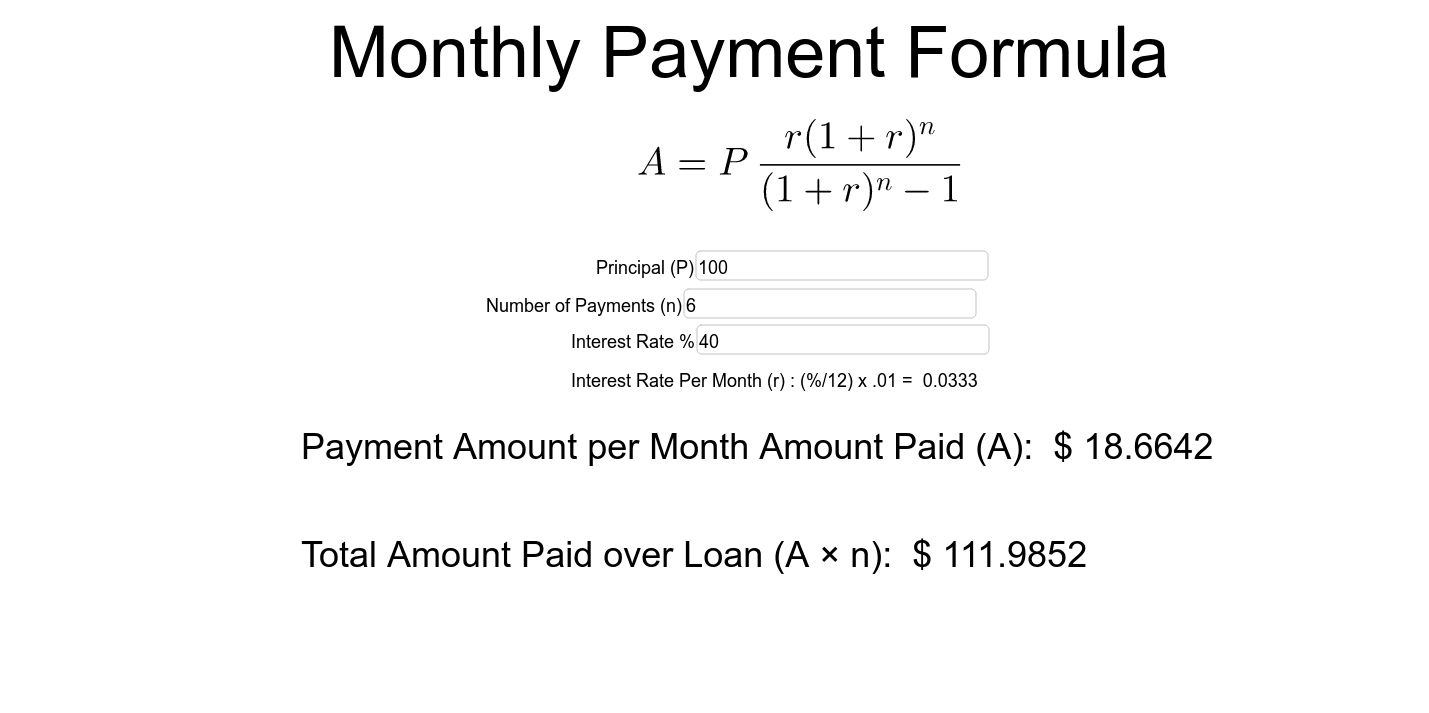
Understanding the Core Components of Any Payment
At its heart, a monthly payment for a loan or financed purchase is a complex interplay of several key factors. Dissecting these elements is the first step towards demystifying the payment process and gaining control over your finances.
Principal: The Foundation of Your Debt
The principal is the original amount of money you borrow or the total cost of the item you are financing. It is the base upon which all other calculations are made. For instance, if you take out a mortgage for $300,000, that’s your principal. Every payment you make chipping away at this principal amount is what ultimately reduces your debt. A higher principal naturally leads to higher monthly payments, assuming all other factors remain constant. Conversely, a larger down payment on an asset can significantly reduce the principal amount you need to finance, thereby lowering your subsequent monthly obligations.
Interest Rate: The Cost of Borrowing
The interest rate is arguably the most influential factor determining your monthly payment beyond the principal itself. It represents the cost of borrowing money, expressed as a percentage of the principal. Lenders charge interest as compensation for the risk and the opportunity cost of lending you money. A 5% interest rate on a loan means you’ll pay 5% of the outstanding principal balance annually (or calculated monthly/daily, depending on the loan terms) in addition to repaying the principal. Even a slight variation in the interest rate can lead to substantial differences in your monthly payment and the total amount repaid over the life of the loan. Understanding whether your interest rate is fixed or variable is also crucial, as a variable rate can introduce unpredictability into your future payments.
Loan Term: Time is Money
The loan term refers to the duration over which you agree to repay the borrowed amount. Common terms range from a few months for personal loans to 30 years for mortgages. While a longer loan term might make your monthly payments seem more affordable by spreading the cost over more installments, it almost invariably results in paying significantly more in total interest over the life of the loan. Conversely, a shorter term leads to higher monthly payments but reduces the overall interest paid. Choosing the right loan term is a delicate balancing act between managing your current cash flow and minimizing your total financial outlay.
Common Monthly Payments and Their Nuances
While the core components remain consistent, different types of loans carry unique characteristics and considerations that impact your monthly payment calculations.
Mortgages: The Largest Monthly Commitment
For many, a mortgage represents the single largest monthly payment they will ever make. Mortgage payments typically consist of principal and interest (P&I), but they often include other elements like property taxes and homeowner’s insurance (escrow), and sometimes private mortgage insurance (PMI) if your down payment is less than 20%. These additional components can significantly inflate the total monthly payment beyond just the loan’s P&I. Understanding the various types of mortgages – fixed-rate, adjustable-rate (ARM), FHA, VA – and their specific requirements is vital for accurate payment estimation. A fixed-rate mortgage offers predictable payments, while an ARM might start lower but can fluctuate, introducing risk.
Auto Loans: Driving Your Budget Decisions
Auto loan payments are generally simpler than mortgages, primarily consisting of principal and interest. However, the depreciation of the asset (the car) is a unique factor. While not directly part of the payment calculation, it impacts your equity position and potential future trade-in value. Factors like the vehicle’s price, your down payment, the loan term (commonly 3 to 7 years), and your credit score (which influences the interest rate) are the main drivers of your monthly car payment. Longer terms, while reducing the monthly payment, mean you might be “upside down” (owe more than the car is worth) for a longer period.
Personal Loans & Credit Cards: Flexible but Fickle
Personal loans offer a lump sum that is repaid in fixed monthly installments over a set term, much like auto loans. The interest rate is heavily dependent on your creditworthiness. Credit cards, on the other hand, offer revolving credit, meaning you can borrow up to a certain limit, repay it, and borrow again. Their monthly payments are typically a minimum amount calculated as a small percentage of your outstanding balance plus interest. While this offers flexibility, carrying a balance on a credit card, especially with high interest rates, can lead to spiraling debt, where a significant portion of your minimum payment goes solely towards interest, making it difficult to pay down the principal effectively.
Student Loans: Investing in Your Future, Payment by Payment
Student loan payments are a long-term commitment, often spanning decades. They can be federal or private, each with different interest rate structures, repayment plans, and borrower protections. Federal student loans offer various income-driven repayment (IDR) plans that adjust your monthly payment based on your income and family size, providing a safety net for borrowers. Private student loans typically have fewer flexible repayment options. Understanding the nuances of deferment, forbearance, and grace periods is also critical for managing student loan payments effectively, especially during periods of financial strain.
The Impact of Down Payments and Fees

Beyond the core principal, interest, and term, other financial elements can dramatically alter your monthly payment structure and overall loan cost.
Lowering Your Principal with a Down Payment
A down payment is an upfront cash payment made at the time of purchase, reducing the amount you need to borrow. The larger your down payment, the smaller your principal loan amount will be. This directly translates to lower monthly payments because you’re financing less money, and you’ll accrue less interest over the loan’s lifetime. For mortgages, a substantial down payment can also help you avoid private mortgage insurance (PMI), saving you an additional monthly expense. For vehicles, a down payment helps you build equity faster and can make it easier to stay “right side up” on your loan.
Hidden Fees and Their Effect on APR
While not always directly integrated into the primary monthly payment calculation, various fees can significantly impact the overall cost of your loan, reflected in its Annual Percentage Rate (APR). The APR represents the true annual cost of a loan, including interest and certain upfront fees, expressed as a single percentage. Common fees include origination fees, closing costs (for mortgages), application fees, and sometimes prepayment penalties. These fees might be paid upfront or rolled into the loan amount, increasing your principal and, consequently, your monthly payment. Always scrutinize the loan disclosure to understand all associated fees and their impact on your APR, as a lower advertised interest rate might be offset by high fees.
Tools and Strategies for Calculating and Managing Payments
Empowering yourself with the right tools and strategies is key to accurately predicting and effectively managing your monthly payments.
Online Calculators: Your First Stop
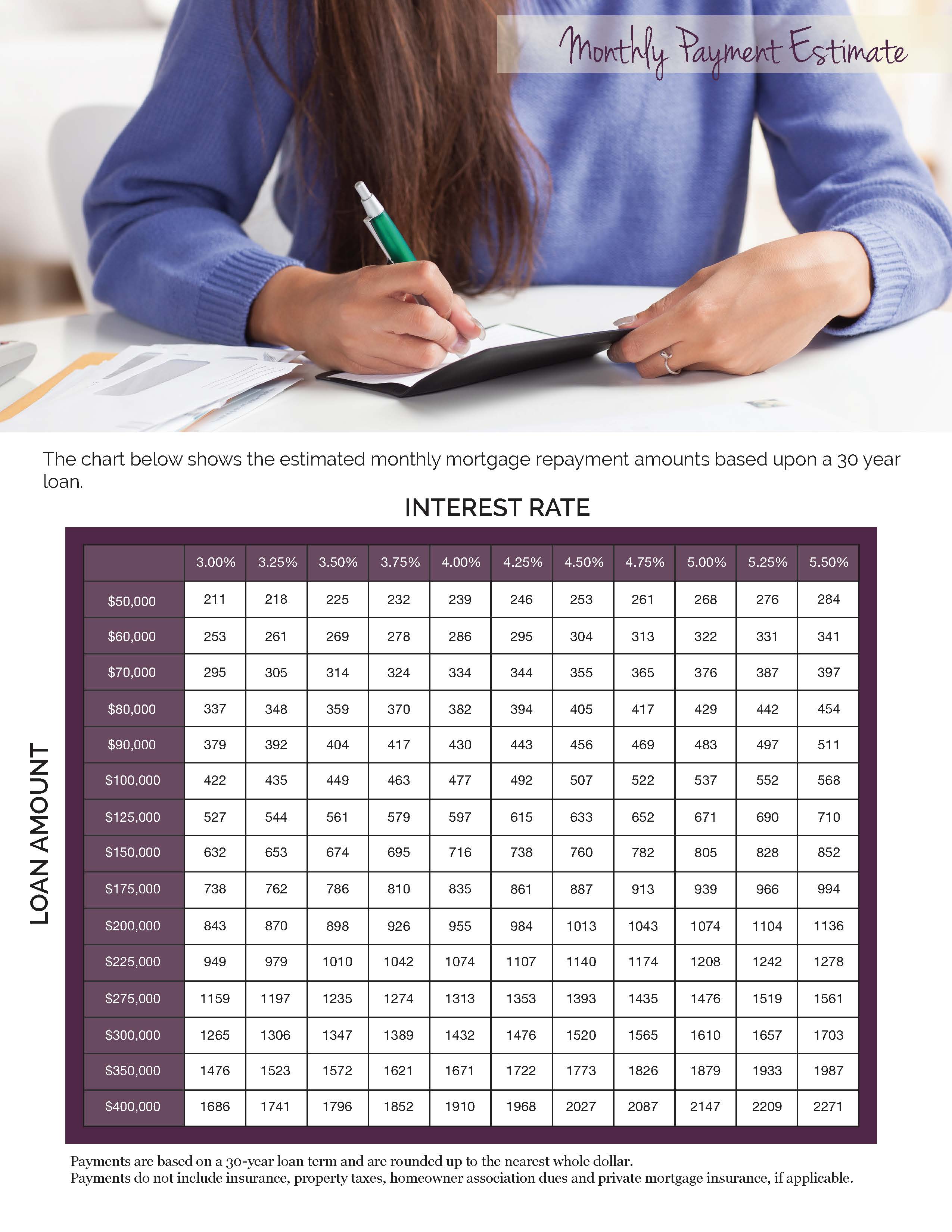
For preliminary estimates, online loan calculators are invaluable. They allow you to input various scenarios for principal, interest rate, and loan term, instantly showing you the estimated monthly payment. Many financial websites, banks, and mortgage lenders offer these free tools. They are particularly useful for comparing different loan options and understanding how changes in variables affect your payment. However, remember that these are often estimates; your actual payment may vary based on specific lender charges, escrow amounts, and closing costs.
Amortization Schedules: Seeing the Long Game
An amortization schedule provides a detailed breakdown of each payment over the life of a loan, showing how much goes towards principal and how much towards interest. In the early stages of most loans, a larger portion of your payment goes towards interest, with less applied to the principal. As the loan matures, this ratio gradually shifts, with more of each payment reducing the principal. Reviewing an amortization schedule offers a clear, insightful view of your debt repayment journey, highlighting how much interest you’ll pay over time and the impact of making extra payments.
Budgeting for Payments: Integration into Your Financial Plan
Understanding your monthly payments is only half the battle; integrating them into a comprehensive personal budget is the other. Your budget should account for all fixed monthly payments (like loans, rent/mortgage, insurance premiums) and variable expenses (utilities, groceries, entertainment). By allocating funds for each payment, you ensure you have sufficient cash flow to meet your obligations without stress. Budgeting tools, spreadsheets, or financial apps can help you track income and expenses, providing a clear picture of your financial health and capacity to take on new payment responsibilities.
Strategic Approaches to Reducing Your Monthly Payments
For those facing high monthly payments or looking to free up cash flow, several strategic options can be explored.
Refinancing: A Fresh Start
Refinancing involves taking out a new loan to pay off an existing one, often with more favorable terms. This could mean securing a lower interest rate, which directly reduces your monthly payment and total interest paid. Alternatively, you might refinance to extend the loan term, lowering individual monthly payments (though potentially increasing total interest). Refinancing is a common strategy for mortgages and student loans when interest rates drop or your credit score improves. However, it usually involves fees and a new application process, so the savings must outweigh these costs.
Debt Consolidation: Streamlining Your Obligations
Debt consolidation combines multiple debts, often high-interest ones like credit card balances or personal loans, into a single, new loan with a lower interest rate or a longer repayment term. This can simplify your financial life by reducing multiple payments to just one and potentially lowering your overall monthly outflow. Common consolidation methods include personal loans, balance transfer credit cards, or home equity loans. The key benefit is often a lower average interest rate, making your payments more manageable and accelerating debt repayment.
Accelerated Payments: Shortening Your Term
While counterintuitive if your goal is to reduce the required monthly payment, making accelerated or extra payments can effectively lower your future monthly payments or, more accurately, the number of future payments. By consistently paying more than the minimum required, you reduce your principal balance faster. This means less interest accrues over the loan’s life. For mortgages, even making one extra payment per year can significantly shorten the loan term and save tens of thousands in interest. If your goal is long-term financial freedom and reducing the total cost of debt, this is a powerful strategy.
In conclusion, the question “what will my monthly payment be?” is a gateway to profound financial understanding. By dissecting the principal, interest, and loan term, recognizing the nuances of different loan types, accounting for down payments and fees, and leveraging available tools and strategies, individuals can confidently navigate their financial commitments. Informed decision-making regarding monthly payments is not just about managing debt; it’s about building a stable financial future and achieving peace of mind.
aViewFromTheCave is a participant in the Amazon Services LLC Associates Program, an affiliate advertising program designed to provide a means for sites to earn advertising fees by advertising and linking to Amazon.com. Amazon, the Amazon logo, AmazonSupply, and the AmazonSupply logo are trademarks of Amazon.com, Inc. or its affiliates. As an Amazon Associate we earn affiliate commissions from qualifying purchases.