
The age-old struggle for a pristine lawn often boils down to a simple, yet vexing question: how can we eliminate unsightly weeds without harming the desirable grass we’ve carefully cultivated? This isn’t just an aesthetic pursuit; a healthy, weed-free lawn contributes to a robust ecosystem, prevents soil erosion, and enhances the overall value and enjoyment of a property. Historically, this battle has been waged with a variety of methods, from manual labor to harsh chemicals. However, in the current landscape of sustainable practices and technological advancements, the question takes on new dimensions, particularly when viewed through the lens of Tech.

The evolution of lawn care technology has seen a significant shift towards precision, efficiency, and environmental consciousness. Gone are the days of broad-stroke applications of potentially harmful substances. Today, we’re witnessing the rise of sophisticated tools and intelligent systems designed to target specific problems with remarkable accuracy. This technological revolution offers a more nuanced and effective approach to weed control, ensuring that our grassy havens remain verdant and unblemished.
This article will delve into the technological innovations that are revolutionizing weed management, exploring how these advancements allow for selective elimination of unwanted flora while safeguarding the health and vitality of our lawns. We will examine the underlying principles, the diverse range of tools available, and the future trajectory of this fascinating intersection of technology and horticulture.
The Science of Selective Herbicide Application: Precision in a Bottle
The fundamental challenge in weed control lies in the biological similarities between many weeds and desirable grasses. Both are photosynthetic plants, often sharing similar cellular structures and metabolic pathways. Traditional herbicides often struggle to differentiate, leading to collateral damage. However, advancements in chemical formulation and delivery systems are enabling a more targeted approach.
Understanding Herbicide Selectivity
The concept of herbicide selectivity is paramount. Herbicides are classified based on their mode of action and their target specificity. Selective herbicides are designed to target specific plant families or species, often by interfering with biochemical processes unique to those plants. For instance, some herbicides inhibit enzymes essential for amino acid synthesis in broadleaf weeds but not in grasses, which have different enzymatic pathways.
Advanced Herbicide Formulations
Modern herbicide development focuses on creating more sophisticated formulations that enhance selectivity. This includes:
- Post-Emergent Selective Herbicides: These are applied after both weeds and grass have emerged. They are formulated to be absorbed by the leaves of broadleaf weeds and translocated to the roots, disrupting their growth. Common examples include 2,4-D, MCPP, and dicamba, often found in mixtures to broaden the spectrum of weed control. The effectiveness of these depends on the weed species present and the stage of its growth.
- Pre-Emergent Herbicides: These are applied to the soil before weed seeds germinate. They create a chemical barrier that prevents weed seedlings from establishing. While not killing existing weeds, they are crucial for preventing new infestations and are generally safe for established turfgrass. Examples include prodiamine and trifluralin. Their efficacy is tied to proper application timing and soil moisture.
- Systemic vs. Contact Herbicides: Systemic herbicides are absorbed by the plant and translocated throughout its system, killing it from the roots up. Contact herbicides kill only the parts of the plant they directly touch. For selective weed control that won’t harm grass, systemic herbicides that are specifically formulated for broadleaf weed control are generally preferred, as they minimize damage to the grass blades.
The Role of Adjuvants and Surfactants
Beyond the active ingredient, the formulation of a herbicide often includes adjuvants and surfactants. These are not herbicides themselves but are crucial for enhancing the performance of the active ingredient. Surfactants, for example, reduce the surface tension of water, allowing the herbicide spray to spread more evenly over weed leaves and penetrate their waxy cuticle. Properly formulated mixtures can improve the absorption and efficacy of selective herbicides, further minimizing the risk to surrounding grass.
The Rise of Smart Weed Control Technologies: Data-Driven Precision
The true revolution in “what will kill weeds but not grass” lies not just in the chemicals themselves, but in the intelligent application and management of these solutions. The advent of precision agriculture, adapted for domestic and commercial lawn care, is enabling unprecedented accuracy and efficiency.
Robotic Weeders: Autonomous Lawn Guardians
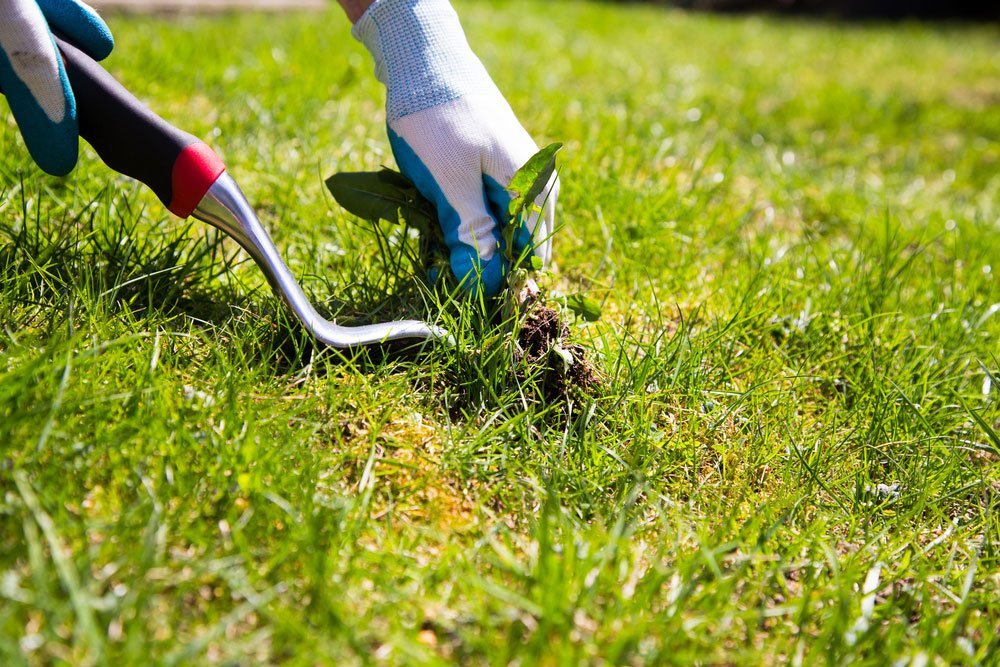
Perhaps the most visually striking technological advancement is the robotic weeder. These autonomous machines utilize a combination of GPS, computer vision, and advanced sensors to navigate lawns and identify individual weeds.
- Computer Vision and AI: High-resolution cameras and sophisticated algorithms allow these robots to distinguish between weeds and grass. They are trained on vast datasets of weed and grass images, enabling them to recognize patterns, shapes, and colors that differentiate unwanted plants. Artificial intelligence plays a crucial role in the learning and adaptation of these systems, improving their accuracy over time.
- Targeted Application: Once a weed is identified, the robot can employ various methods for its elimination:
- Micro-dosing Herbicides: Some robots precisely spray a tiny amount of selective herbicide directly onto the identified weed, minimizing overspray and environmental impact.
- Mechanical Removal: Other robots might be equipped with small, precise tools to physically pluck or cut the weed at its base, a completely chemical-free approach.
- Laser or Thermal Treatment: Emerging technologies explore using focused lasers or thermal energy to kill weeds without damaging surrounding grass. These methods offer a chemical-free and highly localized solution.
- Efficiency and Sustainability: Robotic weeders can operate continuously, day or night, covering large areas with remarkable efficiency. Their precision application significantly reduces the overall amount of herbicides used, making them a highly sustainable option for lawn maintenance.
Sensor-Based Weed Detection and Mapping
Beyond fully autonomous robots, advanced sensor technology is empowering more traditional lawn care equipment with greater precision.
- Spectroscopic Analysis: Technologies like near-infrared (NIR) spectroscopy can analyze the light reflected by plants, identifying unique chemical signatures that differentiate weed species from grass. This data can be fed into sprayers that then apply herbicide only to the targeted areas.
- Real-time Data Integration: Drones equipped with multispectral cameras can survey large lawns, creating detailed maps that identify weed infestations with high accuracy. This data can then be used to program precision sprayers, ensuring that herbicides are applied only where needed. This level of granular control drastically reduces chemical usage and potential harm to desirable turf.
- IoT in Lawn Care: The Internet of Things (IoT) is connecting lawn care equipment, enabling them to communicate with each other and with central management systems. This allows for optimized scheduling, targeted interventions, and data-driven decision-making for weed control.
Leveraging Digital Tools for Informed Weed Management
The technological approach to weed control extends beyond physical machinery to encompass the digital tools that empower homeowners and professionals with knowledge and control.
Weed Identification Apps and AI Diagnosis
The first step in effective weed control is accurate identification. The proliferation of smartphone applications powered by artificial intelligence has made this easier than ever.
- Image Recognition: Users can simply take a picture of an unknown plant, and the AI-powered app will analyze the image, compare it to a vast database, and provide a likely identification, often with detailed information about the weed’s characteristics and potential control methods.
- Personalized Recommendations: Based on the identified weed and the type of grass present, these apps can often provide tailored recommendations for selective herbicides or other control measures that are safe and effective for that specific situation. This empowers users to make informed decisions rather than resorting to generic treatments.
Precision Application Software and Data Analytics
For larger properties or professional lawn care services, sophisticated software solutions are becoming indispensable.
- Mapping and Zoning: These platforms allow for the creation of detailed digital maps of properties, enabling users to divide lawns into different zones based on grass type, soil conditions, and existing weed populations.
- Prescription Spraying: Data from weed detection sensors or manual surveys can be used to create “prescription maps.” These maps guide precision sprayers to apply specific treatments at precise rates to targeted areas, minimizing waste and maximizing effectiveness. This ensures that only the necessary amount of herbicide is applied, and only where it’s needed, significantly reducing environmental impact and cost.
- Record Keeping and Performance Tracking: Digital tools allow for detailed record-keeping of all treatments applied, including the types of herbicides used, the dates of application, and the areas treated. This data can be analyzed to track the effectiveness of different strategies over time, identify recurring weed problems, and optimize future management plans.
The Future of Lawn Care: Integrated Smart Systems
The ultimate goal is the integration of these diverse technological elements into comprehensive smart lawn care systems. Imagine a system where your lawn’s health is continuously monitored by sensors, where data is analyzed by AI to predict potential weed outbreaks, and where automated robotic weeders or precision sprayers are deployed autonomously to address issues before they become widespread. This represents a paradigm shift from reactive treatment to proactive, data-driven management, ensuring healthy, weed-free lawns with minimal human intervention and maximum environmental benefit.
In conclusion, the question of “what will kill weeds but not grass” is no longer solely a matter of chemical formulation. It is increasingly about the intelligent application of technology, from sophisticated herbicides and precise delivery systems to autonomous robots and data-driven software. These advancements are transforming lawn care into a more efficient, sustainable, and effective endeavor, promising greener, healthier lawns for the future.
aViewFromTheCave is a participant in the Amazon Services LLC Associates Program, an affiliate advertising program designed to provide a means for sites to earn advertising fees by advertising and linking to Amazon.com. Amazon, the Amazon logo, AmazonSupply, and the AmazonSupply logo are trademarks of Amazon.com, Inc. or its affiliates. As an Amazon Associate we earn affiliate commissions from qualifying purchases.