
The question of where interest rates will stand in 2025 is not merely an academic exercise; it’s a pivotal inquiry for individuals, investors, and businesses worldwide. Interest rates are the lifeblood of the global financial system, influencing everything from the cost of a mortgage and the return on savings to corporate borrowing costs and the valuations of entire markets. After a period of historically low rates followed by aggressive tightening cycles across major economies, predicting their trajectory even a year out is fraught with complexity. This article delves into the economic forces at play, the potential scenarios, and the profound implications of future rate decisions, all strictly within the domain of Money and financial markets.

The Current Economic Landscape Shaping 2025
Understanding where interest rates might go in 2025 requires a thorough analysis of the present economic environment. Central banks, notably the U.S. Federal Reserve, the European Central Bank (ECB), and the Bank of England (BoE), have been on a concerted mission to tame inflation, often at the risk of slowing economic growth. Their actions today lay the groundwork for tomorrow’s financial conditions.
Inflationary Pressures and Central Bank Responses
The dominant narrative influencing interest rates has been the battle against persistent inflation. Post-pandemic supply chain disruptions, coupled with robust consumer demand fueled by fiscal stimulus, ignited price increases not seen in decades. Central banks responded by rapidly hiking benchmark rates, making borrowing more expensive to cool economic activity and bring inflation back towards their 2% targets.
As we approach 2025, the key question for central banks is whether inflation is truly “sticky” or merely experiencing a prolonged descent. While headline inflation metrics have largely retreated from their peaks, core inflation (which strips out volatile food and energy prices) often proves more stubborn, reflecting underlying demand and wage growth. The effectiveness of past rate hikes in fully reining in core inflation will be a primary determinant of future policy. If inflation remains elevated, central banks may be compelled to keep rates higher for longer, or even consider further hikes, challenging the widespread expectation of rate cuts. Conversely, if inflation demonstrably cools and aligns with targets, it opens the door for monetary easing.
Geopolitical Factors and Supply Chain Dynamics
Geopolitical tensions continue to cast a long shadow over the global economy. Conflicts in Eastern Europe and the Middle East, along with ongoing trade tensions between major economic powers, introduce significant uncertainty. These events can trigger commodity price spikes (especially in oil and gas), disrupt critical supply chains, and impact global trade flows. Such disruptions can act as renewed inflationary impulses, complicating central bank efforts and potentially forcing them to maintain a tighter monetary stance. For example, a sudden surge in energy prices due to geopolitical events could reignite inflation just as central banks thought they had it under control, directly affecting the pace and direction of interest rate adjustments.
Labor Market Strength and Wage Growth
The health of the labor market is another critical barometer for interest rate decisions. Historically strong labor markets, characterized by low unemployment rates and robust wage growth, can contribute to inflationary pressures. When wages rise significantly, businesses may pass these increased costs onto consumers through higher prices, creating a “wage-price spiral.” Central banks closely monitor labor market indicators, including unemployment rates, job openings, and average hourly earnings. A loosening labor market, with rising unemployment and moderating wage growth, would signal that the economy is cooling and inflationary pressures are subsiding, potentially giving central banks more room to consider rate cuts. Conversely, a persistently tight labor market could keep inflation elevated and necessitate a longer period of restrictive monetary policy. The balance between full employment and price stability remains a delicate act for policymakers.
Key Factors Influencing Future Rate Decisions
Forecasting interest rates isn’t just about looking at current data; it’s about anticipating how a confluence of economic indicators, policy mandates, and global trends will evolve. Several key factors will primarily dictate the path of interest rates into and throughout 2025.
The Persistent Challenge of Inflation
Despite significant progress in bringing down headline inflation, the journey to the 2% target is often the hardest part. Supply-side issues, energy price volatility, and the “stickiness” of services inflation (which is less sensitive to commodity prices and more to wage growth) remain persistent challenges. Central banks operate under dual mandates, typically aiming for maximum employment and price stability. In the current environment, price stability has taken precedence. Their resolve to reach the 2% inflation target, even if it means tolerating slower economic growth or a modest recession, will heavily influence how long rates stay elevated or how quickly they might fall. Any resurgence of inflationary pressures, perhaps from new fiscal spending or unforeseen supply shocks, could swiftly reverse expectations of rate cuts.
Economic Growth Trajectories (GDP Forecasts)
The trajectory of economic growth—measured by Gross Domestic Product (GDP)—is intrinsically linked to interest rate decisions. A robust economy that continues to grow strongly might be able to absorb higher interest rates without tipping into recession, allowing central banks to maintain restrictive policies for longer to ensure inflation is fully vanquished. Conversely, signs of a significant economic slowdown or an impending recession would likely prompt central banks to cut rates to stimulate activity and prevent a deeper downturn. The debate centers around the possibility of a “soft landing” (inflation cooling without a recession) versus a “hard landing” (recession triggered by high rates). Different central banks, due to varying economic structures and political pressures, may have different thresholds for tolerating slower growth. For 2025, forecasts for GDP growth will be constantly updated, with each revision potentially shifting market expectations for interest rates.
Monetary Policy Stance and Forward Guidance
Central bank communications, often referred to as “forward guidance,” play a crucial role in shaping market expectations. Statements from the Federal Open Market Committee (FOMC), the ECB Governing Council, or the BoE’s Monetary Policy Committee, along with speeches from their respective chairs, are meticulously scrutinized. Tools like the Federal Reserve’s “dot plot” provide insights into policymakers’ individual interest rate projections, offering a glimpse into their collective thinking. A hawkish stance (favoring higher rates) or a dovish stance (favoring lower rates) directly impacts market pricing for future rate movements. Any divergence from previously communicated guidance or unexpected shifts in rhetoric could trigger significant market volatility. The credibility of central banks in managing inflation expectations is paramount; any perceived wavering could make their job harder.
Government Debt and Fiscal Policy
The level of government debt and future fiscal policy also indirectly influence interest rates. Large government deficits requiring significant borrowing can push up demand for credit, potentially leading to higher long-term interest rates. Furthermore, if markets perceive a government’s fiscal policy as unsustainable, it could demand higher yields on government bonds, indirectly influencing corporate and consumer borrowing costs. The interplay between fiscal policy (government spending and taxation) and monetary policy (central bank actions) is complex. Coordinated efforts can stabilize the economy, but conflicting policies can create headwinds, making central bank decisions on interest rates even more challenging. With many developed nations carrying elevated debt loads, this factor will remain a consideration for bond markets and, by extension, the central bank’s interest rate decisions.
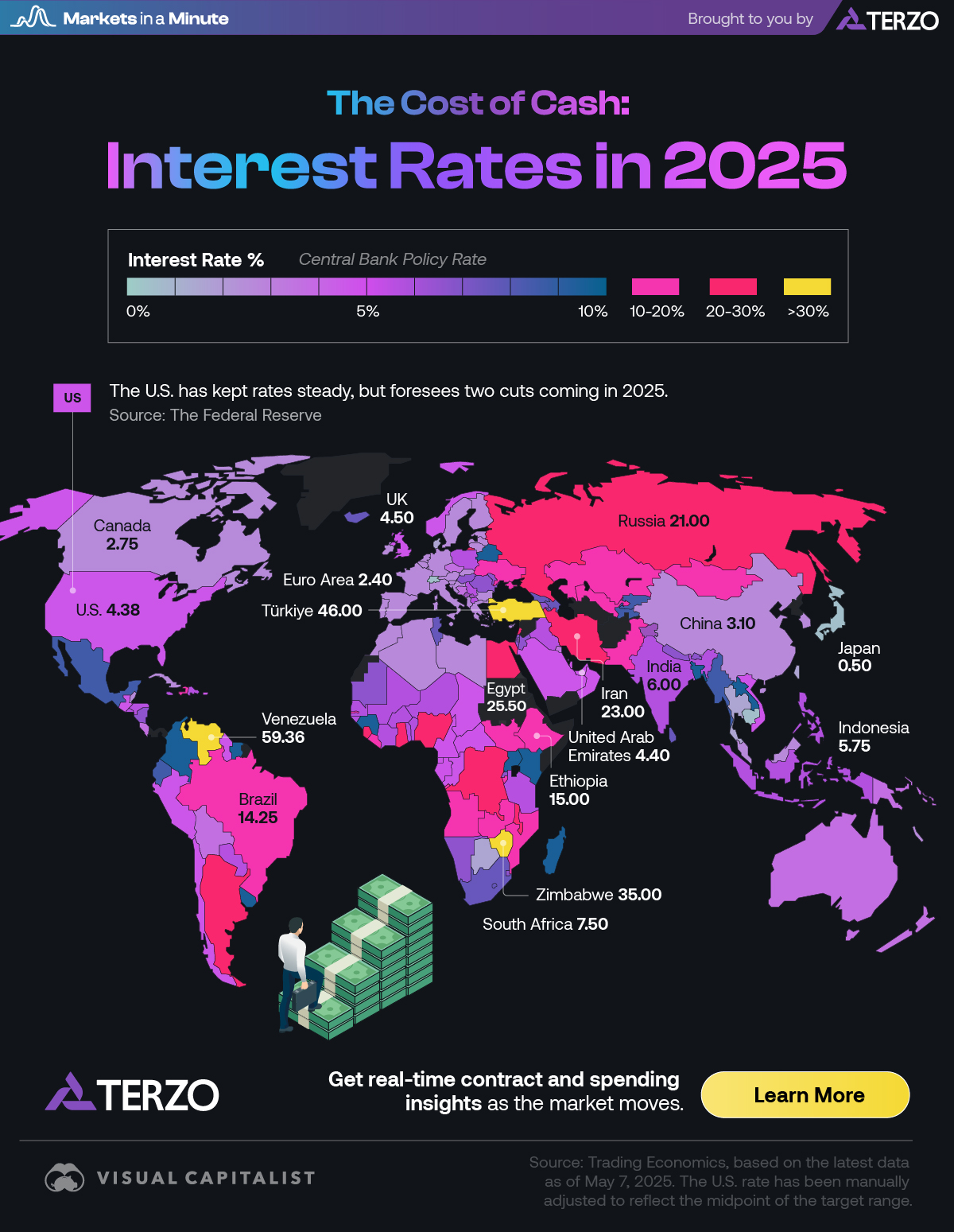
Potential Scenarios for Interest Rates in 2025
Given the multitude of influencing factors, pinning down an exact interest rate forecast for 2025 is impossible. However, we can outline several plausible scenarios, each with different underlying economic assumptions and implications.
Scenario 1: Gradual Easing (Soft Landing)
This scenario assumes that inflation continues its steady decline towards central bank targets without a significant recession. Under this “soft landing” outcome, central banks would begin to gradually cut interest rates in 2025, moving them from restrictive levels towards more neutral territory. The cuts would be modest and data-dependent, perhaps 75-150 basis points over the year, as policymakers seek to avoid both a reacceleration of inflation and an unnecessary economic downturn. This scenario is often the market’s most hoped-for outcome, balancing economic stability with returning to more normalized borrowing costs. It implies that the aggressive rate hikes of the preceding years were successful in rebalancing demand and supply without breaking the economy.
Scenario 2: Persistent High Rates (Stagflation/Hard Landing Lite)
In this scenario, inflation proves more stubborn than anticipated, perhaps due to renewed supply shocks, geopolitical events, or entrenched wage-price dynamics. While growth might slow significantly, central banks remain committed to their 2% inflation targets and therefore keep interest rates elevated for a longer period than currently expected, perhaps even considering minor hikes if inflation outlooks worsen. This could lead to a period of “stagflation-lite,” characterized by sluggish growth and elevated prices, without necessarily a deep recession. In this environment, interest rates in 2025 would likely remain near or only slightly below their restrictive peaks, dashing hopes for significant rate cuts and continuing to burden borrowers.
Scenario 3: Aggressive Cuts (Recession)
This is the “hard landing” scenario. Economic growth falters significantly, potentially tipping into a full-blown recession. This could be triggered by the cumulative effect of past rate hikes finally breaking economic momentum, or by an external shock. In response to a sharp increase in unemployment and a contraction in GDP, central banks would likely pivot aggressively to stimulate the economy, implementing significant and rapid interest rate cuts, potentially 200-300 basis points or more, depending on the severity of the downturn. While such cuts would bring relief to borrowers, they would come at the cost of widespread economic pain and job losses.
The Role of Global Central Banks
It’s important to remember that interest rates are not set in isolation. While the U.S. Federal Reserve often leads, major central banks globally (ECB, BoE, Bank of Japan, People’s Bank of China, etc.) also play critical roles. Their synchronized or divergent policy actions can influence currency markets, capital flows, and global inflation. For example, if the ECB is forced to keep rates high due to persistent European inflation, it might limit the BoE’s ability to cut rates without weakening the pound, even if the UK economy shows signs of cooling. The interconnectedness of global finance means that decisions made in one major economy can have ripple effects, shaping the overall global interest rate environment in 2025.
Implications for Investors and Consumers
Regardless of which scenario unfolds, the direction of interest rates in 2025 will have profound implications across all facets of money and finance. Prudent planning and adaptability will be key.
For Borrowers: Mortgages, Loans, Credit Cards
For consumers with variable-rate mortgages, personal loans, or credit card debt, the outlook for 2025 is critical. In a “gradual easing” or “aggressive cuts” scenario, falling rates would bring relief, reducing monthly payments and making new borrowing more affordable. This could stimulate housing markets and business investment. Conversely, if rates remain persistently high (Scenario 2), borrowers will continue to face elevated costs, potentially leading to increased defaults and financial strain. Those considering new loans, especially for homes or large purchases, will need to closely monitor rate expectations and potentially lock in fixed rates if they anticipate rates staying higher for longer.
For Savers: High-Yield Accounts, CDs
Savers have enjoyed a reprieve from years of near-zero returns. High-yield savings accounts and Certificates of Deposit (CDs) have offered attractive returns. In a “persistent high rates” scenario, this trend would continue, benefiting those who prioritize safe, income-generating assets. However, in scenarios of “gradual easing” or “aggressive cuts,” these returns would diminish, forcing savers to seek alternative investment avenues to maintain their yield. Understanding the potential for rates to fall means evaluating longer-term CDs versus more liquid savings options.
For Investors: Stocks, Bonds, Real Estate, Cryptocurrencies
Interest rates are a primary driver of asset valuations.
- Bonds: Bond prices typically move inversely to interest rates. If rates fall in 2025, existing bonds with higher yields will become more attractive, increasing their market value. Conversely, persistently high rates would depress bond prices and offer higher yields on newly issued bonds. Investors might shift towards longer-duration bonds in anticipation of rate cuts or stick to short-term bonds if rates are expected to remain volatile.
- Stocks: Lower interest rates generally support stock market valuations by reducing borrowing costs for companies, improving profitability, and making future earnings more valuable in present terms. Growth stocks, in particular, tend to benefit. Higher rates, however, can depress valuations as discount rates rise and recession fears grow. Sector-specific impacts are also crucial, with rate-sensitive sectors like technology and real estate being particularly vulnerable to rate changes.
- Real Estate: Higher mortgage rates cool housing markets by reducing affordability. Falling rates could re-ignite demand and potentially lead to price appreciation. Commercial real estate is also heavily impacted by borrowing costs and economic growth, making it sensitive to rate fluctuations.
- Cryptocurrencies: While often seen as uncorrelated, even cryptocurrencies can be indirectly affected. During periods of high interest rates, risk-off sentiment can lead investors to shun speculative assets, while lower rates might encourage more risk-taking.
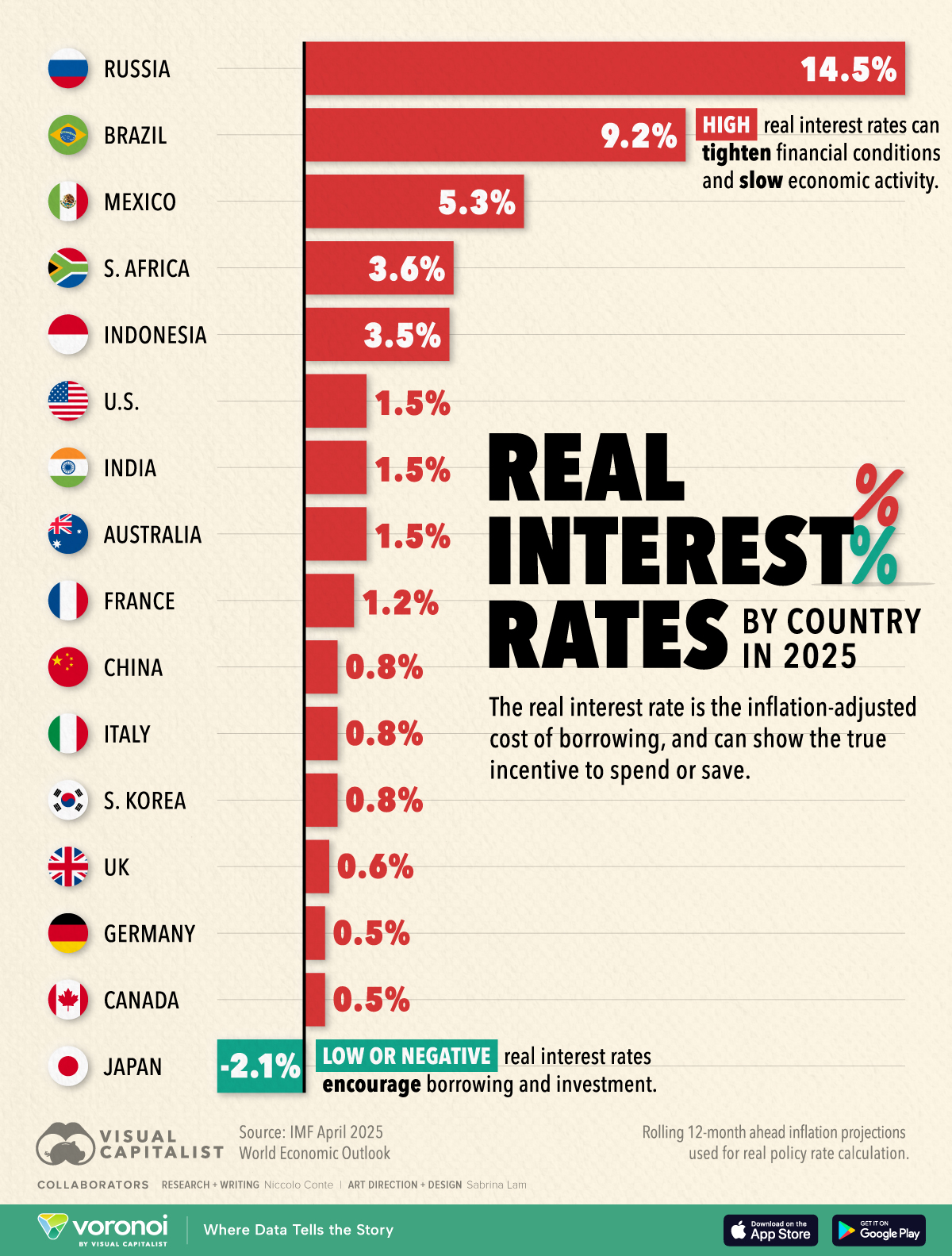
For Businesses: Cost of Capital, Expansion Plans
Businesses, particularly those reliant on debt financing, are acutely sensitive to interest rates. Higher rates increase the cost of capital, making it more expensive to fund expansion, research and development, or even day-to-day operations. This can dampen investment, slow job creation, and reduce profitability. Lower rates, on the other hand, provide an impetus for growth, encouraging borrowing for new projects and potentially fostering innovation. Small and medium-sized enterprises (SMEs) are often more vulnerable to rate swings than large corporations with deeper pockets and more diverse funding options.
In conclusion, the question of “what will interest rates be in 2025” remains complex and subject to numerous unpredictable variables. While many anticipate a period of gradual easing, the pathways of inflation, economic growth, and central bank resolve will ultimately determine the outcome. For consumers and investors, the key lies not in predicting the exact numbers but in understanding the potential scenarios, their underlying drivers, and the strategies required to navigate an evolving financial landscape with resilience and informed decision-making. Adaptability, diversification, and a keen eye on economic indicators will be the most valuable financial tools for 2025.
aViewFromTheCave is a participant in the Amazon Services LLC Associates Program, an affiliate advertising program designed to provide a means for sites to earn advertising fees by advertising and linking to Amazon.com. Amazon, the Amazon logo, AmazonSupply, and the AmazonSupply logo are trademarks of Amazon.com, Inc. or its affiliates. As an Amazon Associate we earn affiliate commissions from qualifying purchases.