
For millions of Americans, Social Security stands as a cornerstone of financial security, providing essential income in retirement, during disability, or to surviving family members. Yet, despite its pervasive influence, many individuals find themselves asking the fundamental question: “What exactly will I receive from Social Security?” This inquiry is more than just curiosity; it’s a critical component of personal financial planning, impacting everything from retirement timelines to estate strategies. Understanding the intricacies of Social Security benefits is not merely about knowing the potential dollar amount, but grasping the underlying mechanics, eligibility criteria, and strategic decisions that can profoundly affect your financial future. This article delves into the various forms of Social Security benefits, the factors that dictate your payout, and how to navigate this vital program effectively within the realm of personal finance.
Understanding the Pillars of Social Security Benefits
Social Security isn’t a singular benefit; it’s a comprehensive social insurance program designed to offer financial protection across different life stages. Its three primary pillars cater to distinct needs, each with its own set of rules and eligibility requirements. For those integrating Social Security into their financial strategy, distinguishing between these benefit types is the first crucial step.
Retirement Benefits: Your Foundation for Later Life
The most widely recognized form of Social Security is undoubtedly retirement benefits. These payments are designed to replace a portion of your pre-retirement earnings, providing a steady income stream for the rest of your life once you stop working. Eligibility is primarily determined by your work history. To qualify, you generally need to have accumulated at least 40 Social Security “credits.” In 2024, you earn one credit for every $1,730 in earnings, up to a maximum of four credits per year. This means that after 10 years of working and paying Social Social Security taxes, you will typically have accumulated enough credits to be eligible.
The amount you receive in retirement benefits is calculated using a complex formula that factors in your highest 35 years of indexed earnings. This “average indexed monthly earnings” (AIME) is then run through a progressive formula to determine your Primary Insurance Amount (PIA), which is the benefit you receive if you claim at your Full Retirement Age (FRA). Retirement benefits are critical for long-term financial planning, offering a stable income that can be combined with pensions, 401(k)s, IRAs, and other personal savings to create a robust retirement portfolio.
Disability Benefits: A Safety Net When You Can’t Work
Life can be unpredictable, and an unexpected disability can derail even the most meticulously planned financial futures. Social Security Disability Insurance (SSDI) provides a vital safety net for individuals who become unable to work due to a severe medical condition. Unlike short-term disability insurance, SSDI is reserved for disabilities expected to last at least one year or result in death. The definition of disability is strict: you must be unable to engage in “substantial gainful activity” (SGA) due to your medical condition, and your condition must prevent you from doing work you previously did, as well as adjusting to other types of work.
Eligibility for SSDI also depends on your work history and the number of Social Security credits you’ve accumulated. The number of credits needed varies by age at the time of disability onset, with younger workers requiring fewer credits than older workers. The benefit amount for SSDI recipients is generally the same as what they would receive if they claimed retirement benefits at their full retirement age, providing essential financial relief during a period of profound need. For financial planners, understanding SSDI is crucial for clients who may face unexpected health challenges, ensuring they are aware of this critical income replacement option.
Survivor Benefits: Protecting Your Loved Ones
The final pillar of Social Security is survivor benefits, offering crucial financial support to the families of deceased workers. This benefit acts as a form of life insurance, providing a financial lifeline to spouses, minor children, adult children with disabilities, and dependent parents. For example, a surviving spouse caring for a child under age 16 can receive benefits, as can a widow or widower age 60 or older (or age 50 if disabled). Unmarried children under age 18 (or 19 if still in high school) can also qualify.
The amount of survivor benefits depends on the deceased worker’s earnings and their Primary Insurance Amount (PIA). Each eligible family member receives a certain percentage of the deceased worker’s basic Social Security benefit. There’s a maximum family benefit, meaning the total amount paid to all family members cannot exceed a certain limit, typically between 150% and 180% of the deceased worker’s PIA. Integrating survivor benefits into a comprehensive financial plan means ensuring that dependent family members are aware of these protections, especially in the context of life insurance policies and estate planning.
Key Factors Influencing Your Benefit Amount
While the three pillars define what you can receive, several critical factors dictate how much you will receive. These variables are deeply intertwined with your work history, age, and broader economic conditions, making strategic planning essential for optimizing your Social Security payouts.
Your Earning History: The Cornerstone of Your Benefits
The most significant determinant of your Social Security benefit amount is your earnings history. The Social Security Administration (SSA) calculates your benefit based on your average indexed monthly earnings (AIME) over your 35 highest-earning years. “Indexed” means that past earnings are adjusted to account for changes in average wages since the year the earnings were received, ensuring that earlier earnings reflect their relative value over time.
Crucially, if you work fewer than 35 years, years with zero earnings will be included in the calculation, bringing down your average. This underscores the importance of a consistent and high-earning career for maximizing your benefits. For financial planning, this highlights the value of continuous employment, even part-time work, particularly during later career stages, to replace lower-earning years with higher ones.
Full Retirement Age (FRA): Timing is Everything
Your Full Retirement Age (FRA) is the age at which you are entitled to receive 100% of your Primary Insurance Amount (PIA). This age is determined by your birth year:
- Born 1943-1954: FRA is 66
- Born 1955: FRA is 66 and 2 months
- Born 1956: FRA is 66 and 4 months
- Born 1957: FRA is 66 and 6 months
- Born 1958: FRA is 66 and 8 months
- Born 1959: FRA is 66 and 10 months
- Born 1960 or later: FRA is 67
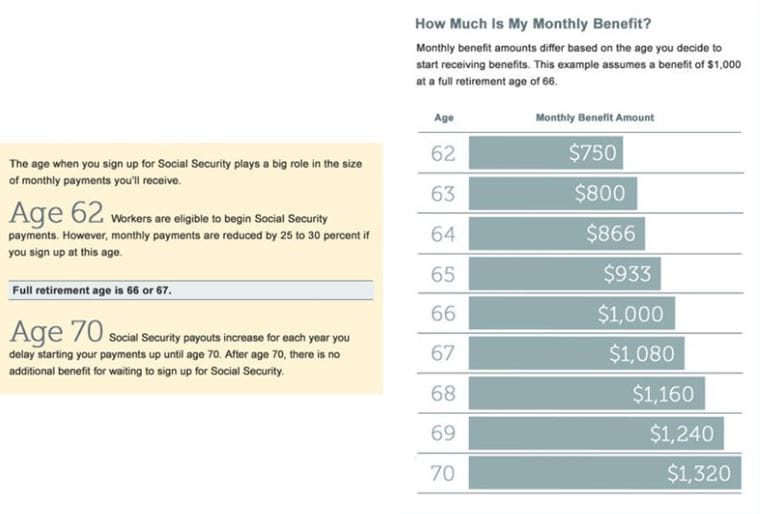
Knowing your FRA is foundational because it serves as the benchmark against which early or delayed claiming decisions are measured. Claiming before your FRA results in a permanent reduction of your monthly benefit, while delaying beyond it can lead to a significant increase.
Claiming Age: The Impact of Early vs. Delayed Filing
The age at which you choose to claim your Social Security benefits is one of the most impactful decisions you’ll make regarding your financial future.
- Early Claiming (as early as age 62): You can start receiving retirement benefits as early as age 62, but your monthly benefit will be permanently reduced. The reduction can be substantial, up to 30% if your FRA is 67. While this provides earlier access to funds, it means a smaller check for life. This option is often considered by those who need the income, can no longer work, or have a shorter life expectancy.
- Claiming at Full Retirement Age (FRA): By waiting until your FRA, you receive 100% of your calculated benefit (PIA). This avoids the reduction associated with early claiming and ensures you get the full amount your earnings history qualifies you for.
- Delayed Claiming (up to age 70): For every year you delay claiming benefits beyond your FRA, up to age 70, you earn “delayed retirement credits.” These credits permanently increase your monthly benefit by 8% per year. For someone with an FRA of 67, delaying until 70 could result in a 24% increase over their FRA benefit. This strategy is particularly appealing to those in good health, who don’t immediately need the income, and who wish to maximize their lifetime payout or provide a higher survivor benefit for their spouse.
The optimal claiming age is a complex decision, often requiring careful analysis of your health, other retirement assets, marital status, and desired legacy.
Cost-of-Living Adjustments (COLAs) and Taxation
Social Security benefits are not static; they are periodically adjusted to keep pace with inflation through Cost-of-Living Adjustments (COLAs). These annual increases, based on the Consumer Price Index for Urban Wage Earners and Clerical Workers (CPI-W), ensure that the purchasing power of your benefits doesn’t erode significantly over time. While not guaranteed to occur every year, COLAs are a crucial feature for long-term financial stability.
It’s also important to be aware that your Social Security benefits may be subject to federal income tax. If your “combined income” (adjusted gross income + non-taxable interest + half of your Social Security benefits) exceeds certain thresholds, a portion of your benefits (up to 85%) may be taxable. Many states also tax Social Security benefits, adding another layer of complexity to retirement income planning.
Navigating the Application Process and Managing Your Benefits
Once you’ve grasped the types of benefits and the factors influencing their amounts, the next step is understanding how to apply and manage them effectively. The process is designed to be accessible, but preparedness is key to a smooth experience.
Essential Documents for Your Application
When you’re ready to apply for benefits, whether for retirement, disability, or survivor benefits, having the right documents prepared beforehand will significantly streamline the process. While the exact list can vary slightly depending on the benefit type, common requirements include:
- Your Social Security card or a record of your Social Security number.
- Your birth certificate.
- Proof of U.S. citizenship or lawful alien status if you were not born in the U.S.
- Your marriage certificate (if applying for spousal or survivor benefits).
- Your W-2 forms or self-employment tax returns for the previous year.
- Your U.S. military service papers (if applicable).
- Bank account information for direct deposit.
For disability benefits, extensive medical records and details about your doctors and hospitals will also be required. It’s always advisable to check the SSA website or contact them directly for the most up-to-date and complete list relevant to your specific application.
Creating Your My Social Security Account
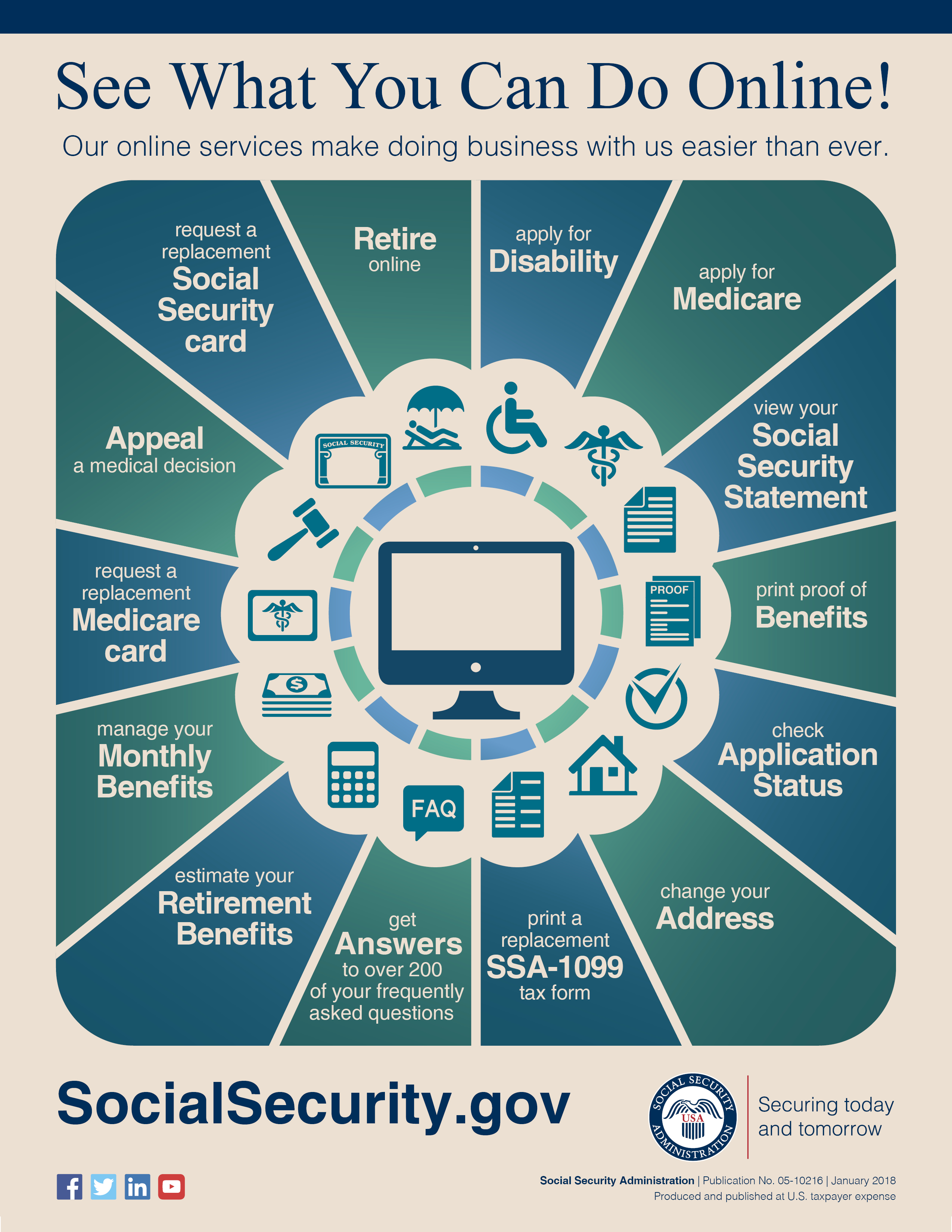
One of the most valuable tools for managing your Social Security benefits and planning your financial future is the “my Social Security” online account. This secure portal allows you to:
- Check your earnings record for accuracy.
- View your estimated future benefits at various claiming ages (62, FRA, 70).
- Get an estimate of your disability and survivor benefits.
- Manage your benefits once you start receiving them (e.g., change your address, direct deposit information).
- Print benefit verification letters.
Creating an account is free and takes only a few minutes. It provides invaluable personalized information that empowers you to make informed decisions about your claiming strategy and overall retirement planning.
What to Expect After You Apply
After submitting your application, the SSA will review your information. For retirement benefits, the process is usually straightforward. For disability claims, it can be much longer due to the need for medical evaluations and evidence review. You will typically receive a decision letter in the mail, outlining the benefits you’ll receive, the start date, and any further actions required. Payments are generally made via direct deposit, which is the safest and most convenient method.
Ongoing Management and Reporting Changes
Once you begin receiving benefits, it’s crucial to manage your account and report certain life changes to the SSA promptly. These changes can include:
- Moving to a new address.
- Changes in your bank account information.
- Getting married or divorced (which can affect spousal/survivor benefits).
- If you are receiving disability benefits, a return to work or improvement in your medical condition.
- For those working while receiving benefits, changes in earnings.
Failing to report changes can lead to overpayments that you’ll have to pay back or underpayments that you might miss out on. Maintaining an active “my Social Security” account and staying informed are your best defenses against potential issues.
Maximizing Your Social Security Payouts
The question “what will I receive?” often evolves into “how can I receive more?” While your earning history is largely set, there are still strategic levers you can pull to optimize your Social Security benefits within your broader financial plan.
Strategic Claiming Decisions
The decision of when to claim benefits is arguably the most significant control you have over your Social Security income. As discussed, delaying benefits past your Full Retirement Age (FRA) can lead to a substantial permanent increase in your monthly payments, potentially by 24% or more if you delay until age 70 (for those with FRA of 67). This strategy can be particularly powerful for:
- Individuals in good health with a family history of longevity.
- Those who have sufficient other retirement assets to cover expenses in their early retirement years.
- The higher-earning spouse in a married couple, as their benefit will determine the survivor benefit for the spouse.
Conversely, claiming early might be appropriate for those with pressing financial needs, health concerns that suggest a shorter life expectancy, or who want to free up funds to invest elsewhere. There’s no one-size-fits-all answer; it requires a personalized financial analysis.
Coordinating with Other Retirement Income Streams
Social Security is rarely designed to be your sole source of retirement income. It’s intended to be one leg of a three-legged stool, alongside personal savings/investments (e.g., 401(k)s, IRAs) and employer-sponsored pensions. Effective financial planning involves coordinating these income streams. For example:
- Using other savings to bridge the gap: If you have ample savings, you might draw from your 401(k) or IRA in your early 60s to allow your Social Security benefits to grow until age 70.
- Maximizing survivor benefits: Married couples can strategically coordinate their claiming ages to maximize the survivor benefit for the surviving spouse, often by having the higher earner delay claiming.
- Tax planning: Understanding how Social Security benefits are taxed in conjunction with withdrawals from pre-tax retirement accounts is crucial for minimizing your overall tax burden in retirement.
Seeking Professional Financial Advice
Given the complexity of Social Security rules, the significant financial implications of claiming decisions, and the need to integrate these benefits into a holistic financial plan, seeking professional financial advice is highly recommended. A qualified financial advisor specializing in retirement planning can:
- Analyze your individual earnings history and health status.
- Model various claiming scenarios to project lifetime benefits.
- Help you understand the tax implications of different strategies.
- Integrate your Social Security decisions with your other assets, liabilities, and goals.
- Provide guidance on spousal and survivor benefit strategies.
The decisions made regarding Social Security can impact tens, if not hundreds, of thousands of dollars over your lifetime. Investing in expert advice can yield significant returns in terms of maximized benefits and peace of mind.
In conclusion, “what will I receive from Social Security” is a multi-faceted question with answers that span across retirement, disability, and survivor protections. Your earnings history, birth year, and claiming age are paramount in determining your payout, while ongoing management and strategic planning are essential for optimizing these benefits. By understanding these components and proactively engaging with the system, you can ensure that Social Security serves its intended purpose as a robust and reliable foundation of your financial security.
aViewFromTheCave is a participant in the Amazon Services LLC Associates Program, an affiliate advertising program designed to provide a means for sites to earn advertising fees by advertising and linking to Amazon.com. Amazon, the Amazon logo, AmazonSupply, and the AmazonSupply logo are trademarks of Amazon.com, Inc. or its affiliates. As an Amazon Associate we earn affiliate commissions from qualifying purchases.