
The trajectory of mortgage rates is perhaps the most scrutinized metric in the modern financial landscape. For prospective homebuyers, current homeowners considering a refinance, and real estate investors, the movement of these percentages represents the difference between a manageable monthly obligation and a prohibitive financial burden. As we navigate a complex economic recovery characterized by fluctuating inflation and shifting central bank policies, the question of what will happen to mortgage rates requires a deep dive into the mechanics of the bond market, the priorities of the Federal Reserve, and the broader health of the global economy.
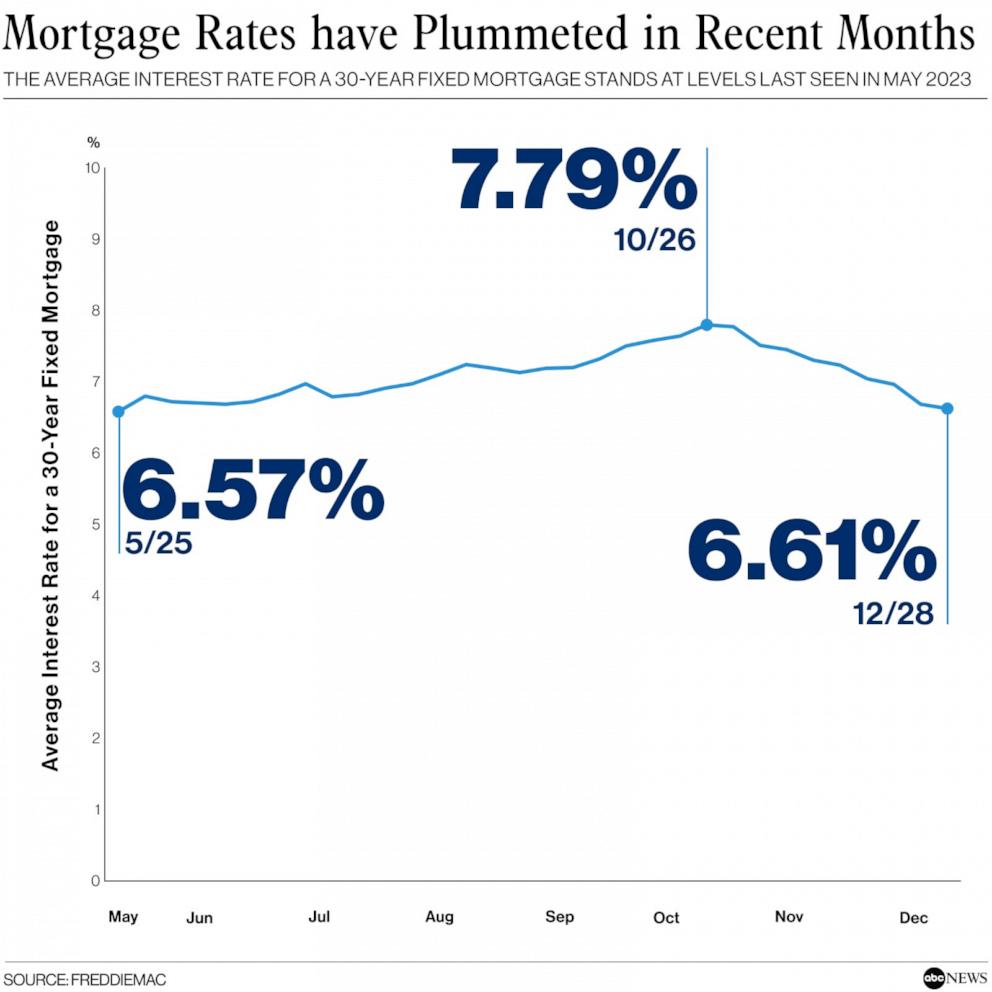
Understanding the future of mortgage rates is not about predicting a single number, but rather about analyzing the confluence of factors that drive those numbers. From the “higher for longer” narrative to the intricate relationship between the 10-year Treasury yield and mortgage-backed securities, the path forward is paved with both challenges and opportunities.
The Macroeconomic Landscape: Understanding the Fed’s Influence
The Federal Reserve does not set mortgage rates. This is a common misconception that often leads to confusion when the Fed announces a rate hike or a pause. However, while the Fed directly controls the federal funds rate—the interest rate banks charge each other for overnight loans—their actions set the temperature for the entire lending environment.
The Federal Funds Rate vs. Mortgage Rates
When the Federal Reserve adjusts the federal funds rate, it is attempting to either cool an overheating economy or stimulate a sluggish one. Mortgage rates generally move in anticipation of these shifts. If the market expects the Fed to keep rates elevated to combat inflation, mortgage lenders will price their loans higher to account for the increased cost of capital and the risk of holding long-term debt in a high-inflation environment. Conversely, when the Fed signals a “pivot” toward cutting rates, mortgage rates often begin to decline well before the actual cuts are implemented, as investors price in future easing.
Inflation and the Consumer Price Index (CPI)
Inflation is the primary enemy of fixed-income investments like mortgages. Because a mortgage pays a fixed amount of interest over 15 or 30 years, the purchasing power of that interest is eroded if inflation remains high. Consequently, lenders demand higher interest rates to compensate for this loss of value. The Consumer Price Index (CPI) and the Personal Consumption Expenditures (PCE) price index are the two metrics that determine the direction of mortgage rates more than almost any other data point. Until inflation consistently trends toward the Federal Reserve’s 2% target, mortgage rates are likely to face upward pressure or remain in a restrictive range.
Market Indicators and the Role of Bond Yields
To understand what will happen to mortgage rates tomorrow, one must look at what is happening in the bond market today. Mortgage rates are most closely tethered to the yield on the 10-year Treasury note.
The 10-Year Treasury Note Correlation
The 10-year Treasury is viewed as a “risk-free” asset. When investors are nervous about the economy, they flock to Treasuries, driving prices up and yields down. Because mortgages carry more risk than government debt, they typically trade at a “spread” above the 10-year yield. Historically, this spread is around 170 to 200 basis points (1.7% to 2.0%). In recent years, however, this spread has widened significantly, sometimes exceeding 300 basis points. This widening occurs due to market volatility and uncertainty regarding the Fed’s balance sheet. If the spread narrows as the economy stabilizes, mortgage rates could drop even if Treasury yields stay flat.
Investor Appetite for Mortgage-Backed Securities (MBS)
Most mortgages are packaged into Mortgage-Backed Securities (MBS) and sold to investors on the secondary market. The demand for these securities dictates the interest rates offered to consumers. When institutional investors, such as pension funds or international banks, are eager to buy MBS, rates tend to fall. If the Federal Reserve continues its program of quantitative tightening—reducing its holdings of these securities—it increases the supply on the open market, which can keep rates higher as other buyers demand a higher yield to absorb the extra supply.
Supply, Demand, and the Housing Market Paradox
The direction of mortgage rates is inextricably linked to the health of the housing market itself. We are currently witnessing a unique phenomenon where high rates have not led to a significant crash in home prices, primarily due to a severe lack of inventory.
The “Lock-in Effect” of Historically Low Rates
A significant portion of current homeowners are sitting on mortgage rates between 2.5% and 4%. For these individuals, moving to a new home means trading a very cheap loan for a much more expensive one. This has created a “lock-in effect,” where homeowners are unwilling to sell, drastically reducing the supply of existing homes. This supply constraint keeps home prices elevated despite the lower demand caused by higher rates. For rates to significantly trend downward, there may need to be a shift that encourages more movement in the housing stock, though it is more likely that rates will need to fall first to break the gridlock.
Inventory Challenges and Pricing Pressure
As long as demand exceeds supply, the housing market remains sensitive to even minor fluctuations in rates. A small drop in mortgage rates often brings a surge of buyers back into the market, which can drive home prices even higher, offsetting the savings from the lower rate. This creates a challenging environment for the “Money” category of personal finance: how do you balance the cost of borrowing against the equity growth of the asset? Prospective buyers must weigh the potential for future refinancing against the risk of being priced out of the market entirely if they wait too long.
Economic Forecasts: What Experts Expect for the Coming Quarters
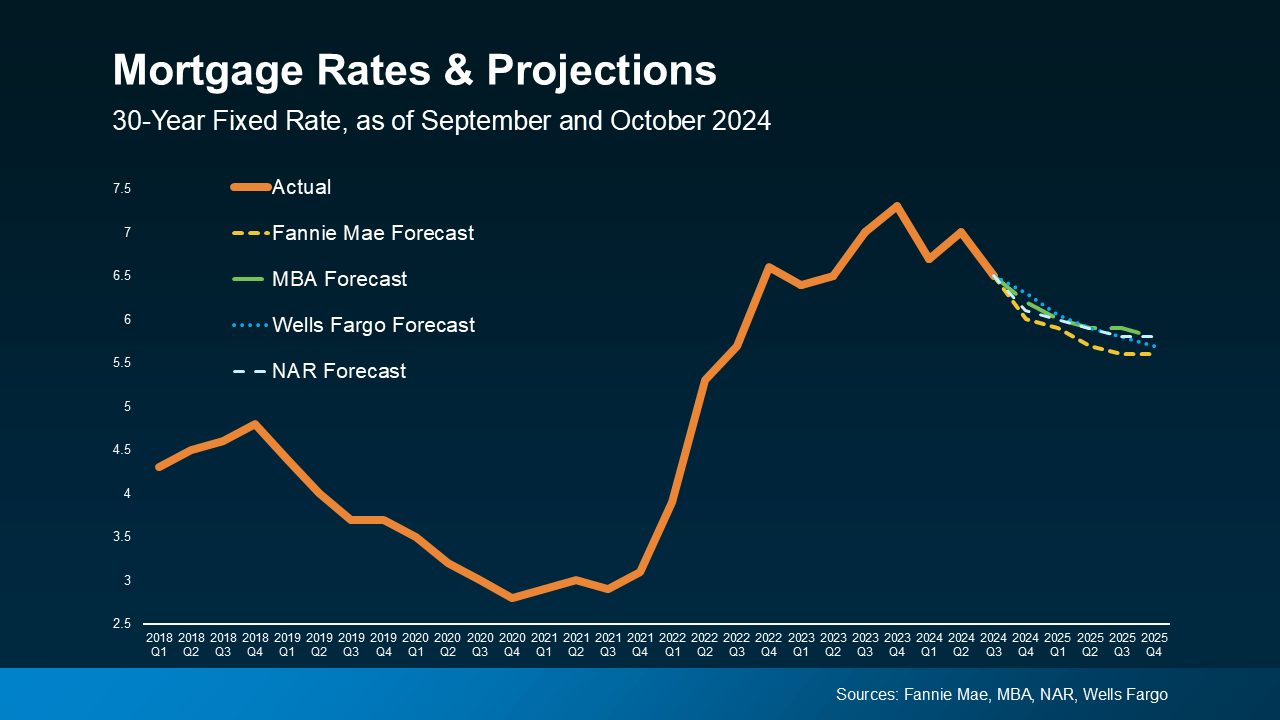
While no one has a crystal ball, economic models and consensus forecasts from organizations like the Mortgage Bankers Association (MBA) and Fannie Mae provide a roadmap for the coming months.
Short-term Volatility vs. Long-term Stability
In the short term, expect “sideways” movement. As long as the labor market remains strong and consumer spending stays resilient, the Federal Reserve has little incentive to rush into rate cuts. This suggests that mortgage rates will likely fluctuate within a narrow band, sensitive to every new jobs report or inflation reading. Any data suggesting the economy is “too hot” will send rates upward, while signs of a cooling economy will provide temporary relief.
Potential Scenarios for the Next 12 to 18 Months
Most analysts anticipate a gradual downward trend in mortgage rates as we move further away from the peak inflation of the post-pandemic era. However, the return to the ultra-low rates of 2020 and 2021 is highly unlikely. A “new normal” for mortgage rates is expected to settle somewhere in the 5.5% to 6.5% range. This transition depends heavily on the “soft landing” scenario—where inflation returns to target without a significant recession. If a recession does occur, the Fed may move more aggressively to cut rates, which could see mortgage rates drop faster than currently anticipated, though this would come at the cost of broader economic instability.
Strategic Advice for Potential Homebuyers and Refinancers
Navigating the mortgage market requires more than just watching the news; it requires a proactive financial strategy. Whether rates go up, down, or stay the same, your individual financial profile is the variable you can control.
When to Lock in a Rate
For those currently in the process of buying a home, the decision of when to lock in a rate is a high-stakes gamble. “Rate locks” typically last for 30 to 60 days. In a volatile market, locking early provides peace of mind. However, many lenders offer “float-down” provisions, which allow you to take advantage of a lower rate if market conditions improve before you close. From a personal finance perspective, it is often better to lock a rate that fits your budget today rather than gambling on a future decrease that may not materialize in time for your closing.

Improving Your Financial Profile for Better Terms
The “headline” mortgage rate you see in the news is often reserved for borrowers with pristine credit and a 20% down payment. To secure the best possible rate in any environment, focus on the following:
-
Credit Score Optimization: Even a 20-point difference in your credit score can move you into a different pricing tier, potentially saving you tens of thousands of dollars over the life of the loan.
-
Debt-to-Income (DTI) Ratio: Lenders are increasingly cautious. Lowering your revolving debt can improve your DTI, making you a more attractive borrower and potentially qualifying you for lower interest rate margins.
-
Comparison Shopping: Mortgage rates can vary significantly between big banks, credit unions, and online lenders. Obtaining at least three different Loan Estimates is one of the most effective ways to ensure you are getting the most competitive rate available in the current market.
Ultimately, what will happen to mortgage rates is a story of economic normalization. After a decade of unnaturally low rates and a sudden, sharp spike to combat inflation, the market is searching for an equilibrium. While the days of 3% mortgages are likely behind us for the foreseeable future, the move toward a more stable, predictable interest rate environment will eventually provide the clarity that homebuyers and investors need to make sound financial decisions. The key is to remain informed, maintain a strong financial foundation, and be ready to act when the market aligns with your long-term goals.
aViewFromTheCave is a participant in the Amazon Services LLC Associates Program, an affiliate advertising program designed to provide a means for sites to earn advertising fees by advertising and linking to Amazon.com. Amazon, the Amazon logo, AmazonSupply, and the AmazonSupply logo are trademarks of Amazon.com, Inc. or its affiliates. As an Amazon Associate we earn affiliate commissions from qualifying purchases.