
In the realm of personal finance and wealth management, we often focus on high-level strategies: diversified portfolios, tax-advantaged accounts, and real estate acquisitions. However, some of the most consistent financial gains are found in the optimization of daily recurring expenses. For the average household, the automobile represents one of the largest depreciating assets and a significant drain on monthly cash flow. While many drivers view fuel and maintenance as fixed costs, they are, in reality, variable expenses heavily influenced by driving behavior. Specifically, the practice of gradual acceleration stands as one of the most effective, zero-cost strategies for reducing the total cost of ownership (TCO) and preserving the value of your automotive investment.
The Direct Impact on Fuel Economy and Monthly Budgeting
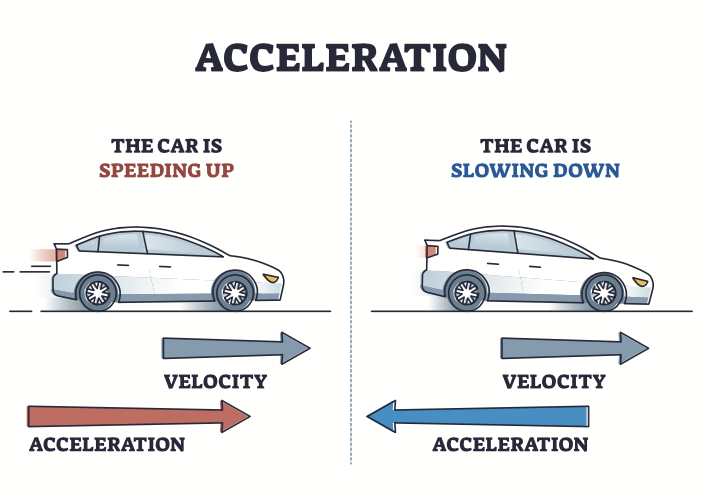
The most immediate financial benefit of gradual acceleration is the optimization of fuel consumption. From a physics perspective, rapid acceleration requires a massive surge of energy to overcome inertia. In an internal combustion engine, this necessitates a rich fuel-to-air ratio and high RPMs (revolutions per minute), which are the least efficient operating states for a vehicle.
The Physics of Fuel Consumption and Cash Flow
When you “floor” the gas pedal, the engine’s electronic control unit (ECU) instructs the fuel injectors to spray a higher volume of gasoline into the cylinders to meet the demand for immediate torque. This process is inherently wasteful. Most vehicles reach their peak fuel efficiency at a steady speed, typically between 45 and 55 miles per hour, with moderate acceleration curves. By opting for a gradual increase in speed—aiming for a steady climb over 15 to 20 seconds rather than a five-second burst—you keep the engine in its “sweet spot” for efficiency.
From a budgetary standpoint, the difference is staggering. Industry data suggests that aggressive driving, characterized by rapid acceleration and hard braking, can lower gas mileage by roughly 15% to 30% at highway speeds and 10% to 40% in stop-and-go traffic. For a driver spending $3,000 annually on fuel, transitioning to gradual acceleration can result in savings between $450 and $1,200 per year. Over a five-year period, this simple habit change can reclaim upwards of $6,000—capital that could be redirected toward high-yield savings or debt reduction.
Real-World Savings and Micro-Investing
In the context of modern financial tools, these savings are even more impactful. Many personal finance apps allow users to “round up” or automate savings based on reduced spending. By consistently lowering your fuel spend through gradual acceleration, you increase your monthly discretionary income. If that $100 saved per month is redirected into an S&P 500 index fund with an average 7% annual return, the “gradual acceleration fund” could grow to over $17,000 over a decade. In this light, aggressive driving isn’t just a mechanical strain; it is an opportunity cost that actively depletes your future net worth.
Reducing Long-Term Maintenance Costs and Component Depreciation
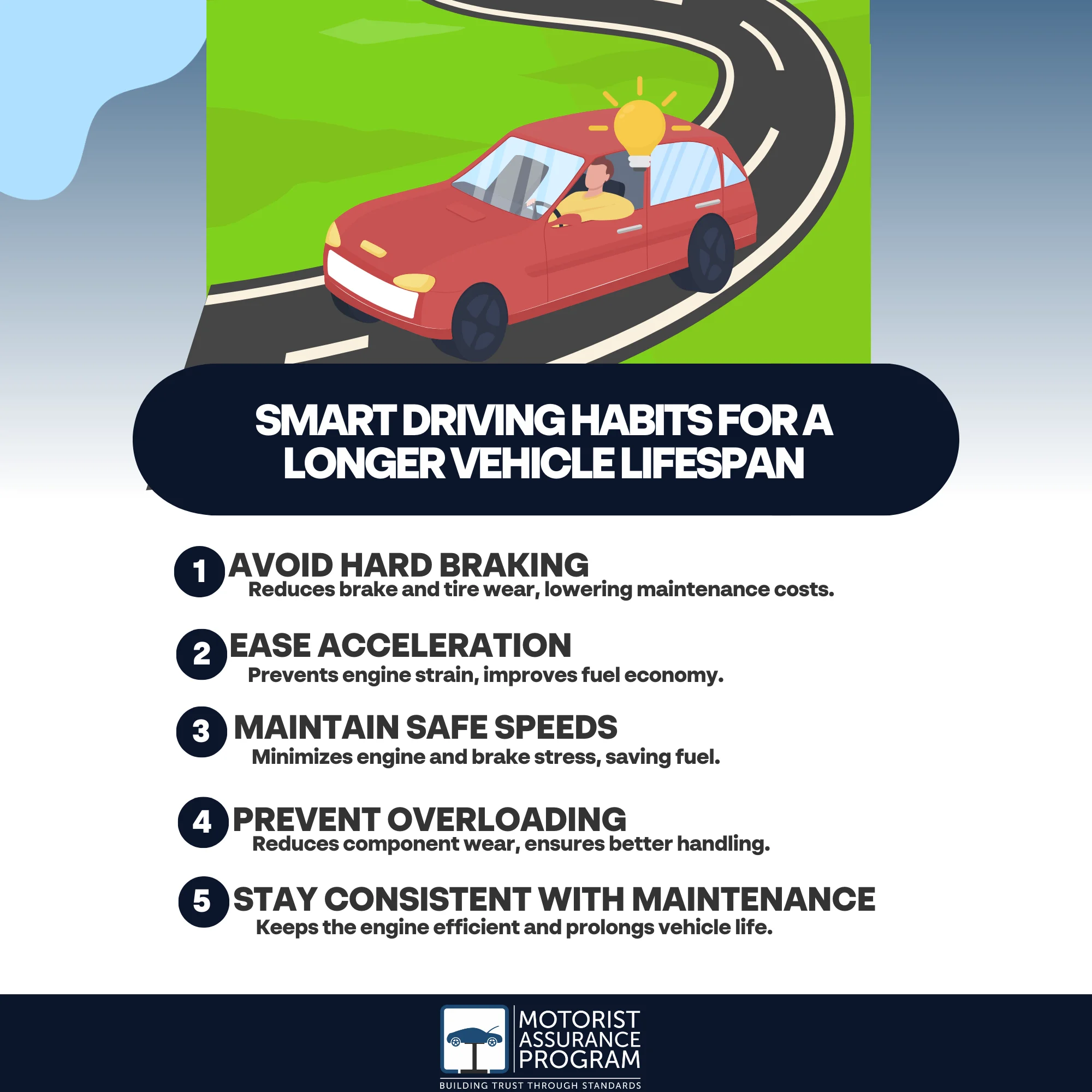
Beyond the gas pump, gradual acceleration acts as a preventative maintenance strategy that extends the lifespan of critical mechanical components. A vehicle is a complex system of moving parts, and rapid changes in velocity create “shock loads” that accelerate the wear and tear of these components.
Engine Longevity and Capital Preservation
The engine is the heart of your automotive asset. Rapid acceleration forces the engine to operate at high temperatures and pressures before the oil has had a chance to fully circulate and reach its optimal lubricating viscosity. Over time, this leads to increased friction on piston rings, cylinder walls, and bearings.
By accelerating gradually, you allow the engine components to expand and lubricate evenly. This reduces the likelihood of premature engine failure or the need for expensive repairs such as head gasket replacements or valve jobs. In the world of finance, preventing a $5,000 engine rebuild is equivalent to a tax-free gain. Keeping the engine in peak condition also ensures that the vehicle remains a reliable tool for generating income, reducing the risk of lost wages due to mechanical downtime.
Protecting the Drivetrain and Transmission
The transmission is responsible for transferring the engine’s power to the wheels. It is one of the most expensive components to repair or replace, often costing between $3,000 and $6,000. Rapid acceleration causes the transmission to shift gears under high stress, creating heat and friction that degrades transmission fluid and wears down internal clutches and bands.
Gradual acceleration allows for smoother gear transitions, significantly extending the life of the transmission fluid and the hardware itself. For the savvy vehicle owner, this means longer intervals between expensive fluid flushes and a much lower probability of a catastrophic transmission failure late in the vehicle’s life cycle.
Tire Tread Life and Replacement Cycles
Tires are a recurring capital expenditure. Rapid acceleration, particularly from a dead stop, increases the friction between the tire tread and the road surface. In high-performance or heavy vehicles, aggressive starts can even cause microscopic amounts of rubber to peel away, leading to uneven wear and “flat spotting.” By easing into your speed, you preserve the integrity of the tread. Extending the life of a set of tires from 30,000 miles to 50,000 miles through gentle driving can save a driver thousands of dollars over the lifetime of car ownership.
Enhancing Resale Value and Asset Retention
When it comes time to exit your automotive investment, the physical and mechanical condition of the vehicle dictates its market value. A car that has been driven with care—manifested through gradual acceleration and smooth handling—will inevitably command a higher price than one that shows signs of abuse.
The “Gentle Driver” Premium
Prospective buyers and dealership appraisers look for “tells” of aggressive driving. These include worn pedal covers, excessive brake dust, uneven tire wear, and engine oil that shows signs of high-heat degradation. A vehicle that has been treated with the philosophy of gradual acceleration generally has a cleaner mechanical history. When you can provide service records showing that the vehicle has not required premature replacements of brakes, tires, or suspension components, you build “trust equity” with the buyer. This can lead to a resale premium of 10% to 20% over the “Fair” market value of a similar but poorly treated model.
Maintenance Logs as Financial Proof
In the niche of high-end or enthusiast vehicles, driving habits are even more scrutinized. Using telematics or simply maintaining a meticulous log of fuel economy can prove to a buyer that the vehicle was never pushed to its mechanical limits. For the owner, this maximizes the “Residual Value” of the asset, which is a critical component of the total cost of ownership calculation.
Insurance Premiums and the Rise of Telematics
The intersection of technology and finance has introduced a new variable to the cost of driving: telematics-based insurance. Modern insurance companies are increasingly moving away from static demographic pricing toward dynamic, behavior-based pricing.
Usage-Based Insurance (UBI) Benefits
Programs like Progressive’s Snapshot, State Farm’s Drive Safe & Save, and Tesla’s integrated insurance use onboard sensors to monitor driving habits. The primary metric they track? Acceleration. Rapid increases in speed are flagged as high-risk events, as they are statistically correlated with a higher frequency of accidents.
By practicing gradual acceleration, you are actively lowering your risk profile in the eyes of the insurer’s algorithms. For many drivers, this behavior can lead to premium discounts ranging from 5% to 30%. In an era where car insurance premiums are rising due to inflation and repair costs, maintaining a “safe driver” discount through gradual acceleration is a powerful tool for controlling fixed monthly expenses.
Risk Mitigation and Liability Costs
Beyond premiums, aggressive acceleration increases the kinetic energy of the vehicle, reducing the driver’s reaction time and increasing the severity of potential impacts. From a financial planning perspective, an at-fault accident is a “black swan” event that can lead to massive out-of-pocket costs, legal fees, and increased future premiums. Gradual acceleration fosters a defensive driving mindset, significantly reducing the probability of these wealth-depleting events.
Strategic Financial Management of Automotive Assets
Ultimately, the way you accelerate your vehicle is a reflection of your broader financial philosophy. Are you prioritizing immediate, short-term gratification (the thrill of speed), or are you focused on long-term wealth preservation and efficiency?
Opportunity Cost of Aggressive Driving
Every time you floor the accelerator, you are making a micro-transaction. You are paying for that burst of speed with increased fuel consumption, accelerated component wear, higher insurance risk, and lower resale value. When you aggregate these costs over a decade of driving, the price of “getting to the next red light faster” can easily reach tens of thousands of dollars.
Transitioning from Liability to Managed Asset
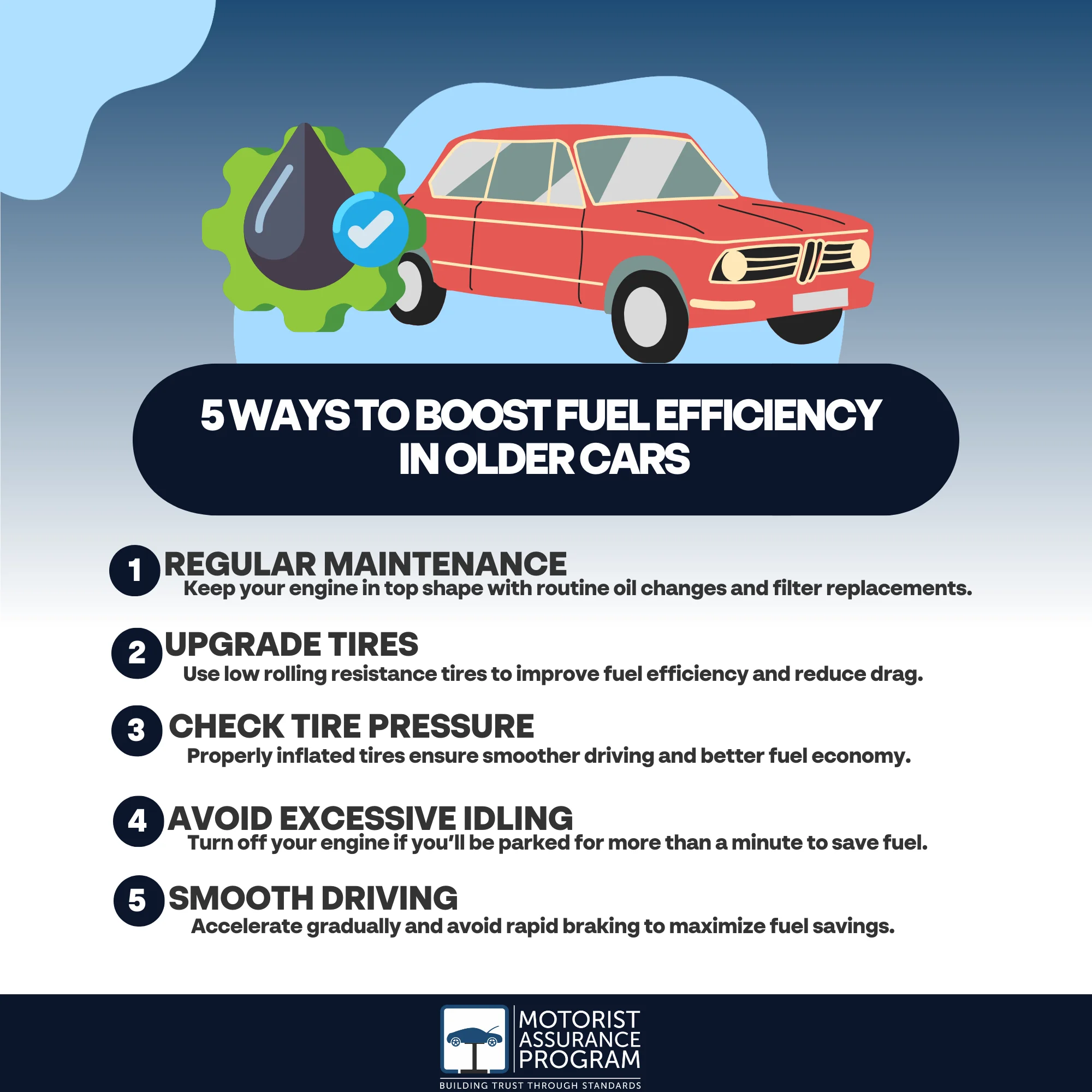
While a car is technically a depreciating liability, gradual acceleration allows you to manage that depreciation more effectively. By minimizing operating costs and maximizing the lifespan of the hardware, you lower the “cost per mile” of your transportation. In a world where financial independence is built on the accumulation of small, disciplined choices, the habit of gradual acceleration is a cornerstone of smart automotive asset management. It is a rare example of a lifestyle adjustment that requires no financial investment yet yields a guaranteed, tax-free return on your time and effort.
aViewFromTheCave is a participant in the Amazon Services LLC Associates Program, an affiliate advertising program designed to provide a means for sites to earn advertising fees by advertising and linking to Amazon.com. Amazon, the Amazon logo, AmazonSupply, and the AmazonSupply logo are trademarks of Amazon.com, Inc. or its affiliates. As an Amazon Associate we earn affiliate commissions from qualifying purchases.