
The moment the final ball drops and the numbers on the screen align perfectly with the slip of paper in your hand, your financial reality undergoes a seismic shift. While the immediate impulse is to search for the specific winning numbers in the lottery to confirm a life-changing event, the “numbers” that matter most follow the celebration. Beyond the digits of the draw lies a complex landscape of tax obligations, investment strategies, and asset protection.
To the casual observer, the lottery is a game of pure chance. To a student of personal finance, however, a lottery win represents one of the most significant wealth management challenges an individual can face. Navigating this transition from a standard income earner to a high-net-worth individual requires more than luck; it requires a strategic financial blueprint designed to turn a temporary windfall into a multi-generational legacy.
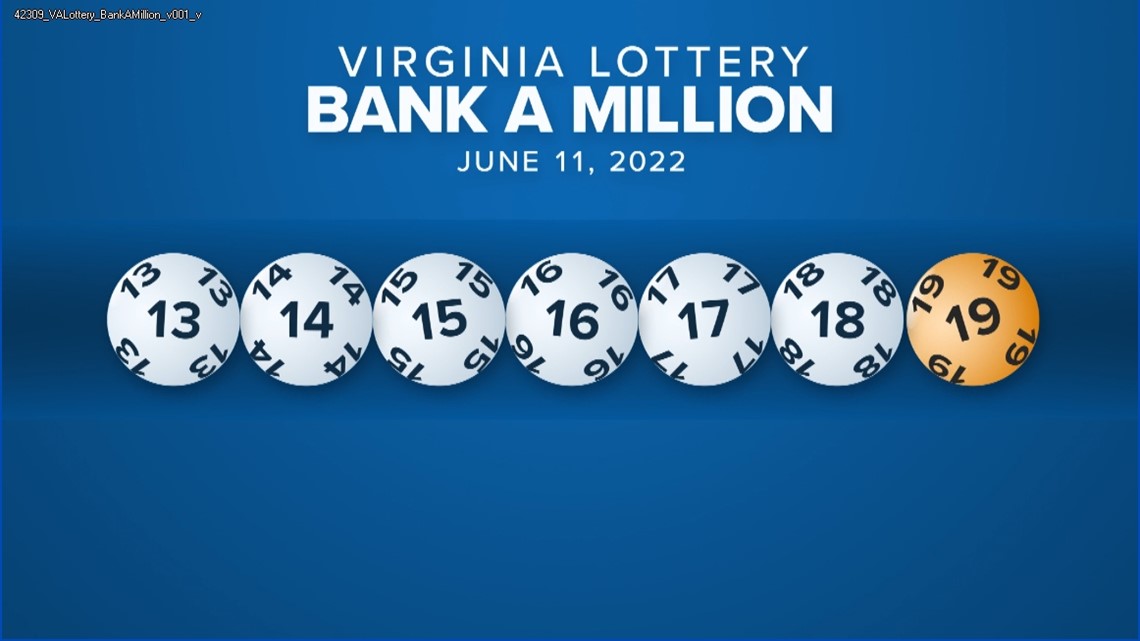
The Mathematics of the Draw and the Psychology of Windfalls
To understand the weight of winning numbers, one must first understand the mathematical improbability they represent. In major games like Powerball or Mega Millions, the odds of matching all six numbers often exceed 1 in 292 million. From a financial perspective, the “expected value” of a lottery ticket is typically negative, making it a poor investment compared to traditional equity markets. However, once the win occurs, the focus shifts from probability to preservation.
Understanding the Odds and the Payout Structures
Most participants look at the headline jackpot number—the “advertised” prize. However, from a money management standpoint, that number is rarely the reality. The advertised jackpot is usually based on an annuity payout over 29 or 30 years. The cash option, or the “lump sum,” is the actual amount of liquid capital the lottery commission has on hand to fund that annuity. For a financial strategist, the choice between these two is the first major decision in a series of high-stakes moves.
The Psychological Impact of Sudden Wealth
“Sudden Wealth Syndrome” is a recognized psychological condition that can lead to disastrous financial decisions. When an individual who is used to managing a monthly budget of a few thousand dollars is suddenly handed tens of millions, the brain often fails to compute the scale of the capital. This leads to the “lottery curse,” where winners find themselves bankrupt within years. Professional wealth management begins with emotional regulation and the implementation of a “cooling-off period” before any major purchases are made.
Navigating the Immediate Aftermath: The First 90 Days
The first few weeks after realizing your numbers have hit are the most critical for your long-term financial health. The goal during this period is not to spend, but to protect.
Securing the Ticket and Maintaining Anonymity
Before a single dollar is claimed, the physical ticket must be secured. From a legal and financial standpoint, a lottery ticket is a “bearer instrument,” meaning whoever holds it is the owner. Financial advisors recommend placing the ticket in a bank safe deposit box and consulting with a legal team before signing the back. Depending on state laws, you may be able to claim the prize through a blind trust or a Limited Liability Company (LLC) to maintain anonymity. Privacy is a financial asset; it prevents “frivolous litigation” and the influx of unsolicited investment “opportunities” that plague public winners.
Building Your Professional Advisory Team
No individual, regardless of their financial literacy, should manage a multi-million dollar windfall alone. A professional team is the barrier between your wealth and the many forces that will attempt to erode it. This team should ideally include:
- A Tax Attorney: To navigate the complex web of federal and state gift taxes, estate taxes, and income reporting.
- A Fiduciary Financial Advisor: Someone legally obligated to act in your best interest, focusing on capital preservation and sustainable growth.
- A Certified Public Accountant (CPA): To manage the immediate tax bite and ongoing filings.
- A Private Banker: To handle the logistics of moving and securing large sums of cash.
The Lump Sum vs. Annuity: A Strategic Financial Analysis

One of the most debated topics in personal finance is whether a winner should take the cash now or the payments over time. There is no one-size-fits-all answer, as the decision depends on the winner’s age, risk tolerance, and financial discipline.
The Case for the Lump Sum
The primary advantage of the lump sum is the “Time Value of Money.” By taking the cash upfront, even after a significant haircut from the advertised jackpot, you have the opportunity to invest that capital immediately. If the market returns are higher than the implicit interest rate of the lottery’s annuity (which is typically based on conservative government bonds), you could end up with significantly more wealth over 30 years. Additionally, having the cash provides maximum flexibility for estate planning and charitable giving.
The Case for the Annuity
The annuity acts as a financial “safety net” against human error. If a winner takes the lump sum and makes a series of bad investments or suffers from lifestyle creep, the money can disappear. An annuity provides a guaranteed “do-over” every year for three decades. For individuals who lack experience managing large sums or who fear they may be pressured by friends and family for loans, the annuity offers a structured, disciplined income stream that is difficult to deplete prematurely.
Tax Implications and Long-term Wealth Preservation
The moment the winning numbers are verified, the government becomes your primary partner. Understanding the tax landscape is essential for maintaining your net worth.
Federal and State Tax Liabilities
Lottery winnings are treated as ordinary income by the IRS. Currently, the top federal tax bracket is 37%. While the lottery commission usually withholds 24% off the top for federal taxes, the winner will likely owe the remaining 13% during the next tax season. Furthermore, state taxes vary wildly. States like California and Delaware do not tax lottery winnings at the state level, whereas New York or New Jersey can take an additional 8% to 10%. Calculating these liabilities is the first step in determining your “spendable” capital.
Asset Protection and Estate Planning
Once the initial tax bill is settled, the focus shifts to protecting what remains. This involves setting up sophisticated legal structures.
- Irrevocable Trusts: These can be used to move assets out of your taxable estate, reducing the burden on your heirs and protecting the capital from creditors.
- Family Limited Partnerships: These allow you to maintain control over the assets while gifting interests to family members over time, utilizing annual gift tax exclusions.
- Charitable Lead/Remainder Trusts: These structures allow you to fulfill philanthropic goals while receiving significant tax deductions that offset your lottery income.
Strategic Investing for Sustainable Income
With the capital secured and the taxes planned for, the final stage is to put the money to work. The objective for a lottery winner is rarely “aggressive growth”; it is “capital preservation with inflation protection.”
Diversification and Risk Management
A sudden influx of cash should not be dumped into a single asset class. A diversified portfolio for a high-net-worth individual typically includes a mix of:
- Fixed Income: High-quality municipal bonds (which may offer tax-free interest) and corporate bonds to provide a steady yield.
- Equities: Low-cost index funds and dividend-paying stocks to ensure the principal grows alongside the global economy.
- Real Estate: Direct ownership or REITs to provide a hedge against inflation and a tangible asset base.
- Alternative Investments: Private equity or venture capital, but usually limited to a small percentage of the total portfolio due to liquidity constraints.

The “Safe Withdrawal Rate”
To ensure the money lasts for several lifetimes, winners should adhere to a “Safe Withdrawal Rate” (SWR). While the 4% rule is a standard benchmark in retirement planning, many lottery winners opt for a more conservative 2% or 3% withdrawal rate. This allows the principal to remain untouched and continue to compound, ensuring that even after the “winning numbers” fade from public memory, the financial security they provided remains intact for generations to come.
Winning the lottery is the ultimate “black swan” event in personal finance. While the numbers on the ticket are the catalyst, the numbers on your balance sheet are what define your future. By treating a windfall with professional rigor, seeking expert counsel, and prioritizing long-term strategy over short-term gratification, a winner can transform a moment of luck into a lifetime of financial freedom.
aViewFromTheCave is a participant in the Amazon Services LLC Associates Program, an affiliate advertising program designed to provide a means for sites to earn advertising fees by advertising and linking to Amazon.com. Amazon, the Amazon logo, AmazonSupply, and the AmazonSupply logo are trademarks of Amazon.com, Inc. or its affiliates. As an Amazon Associate we earn affiliate commissions from qualifying purchases.