
The year 2022 will be remembered in the annals of financial history as one of the most volatile and transformative periods for the United States housing market. For over a decade, homeowners and prospective buyers had grown accustomed to a “lower-for-longer” interest rate environment, fueled by accommodative central bank policies and steady economic growth. However, 2022 shattered those expectations, delivering a sequence of interest rate hikes that moved with a speed and magnitude not seen in over forty years. Understanding what mortgage rates were in 2022 requires more than just looking at a few percentages; it requires an analysis of the macroeconomic forces that ended the era of cheap money and redefined the boundaries of housing affordability.
The Year of the Great Reset: An Overview of 2022 Interest Rates
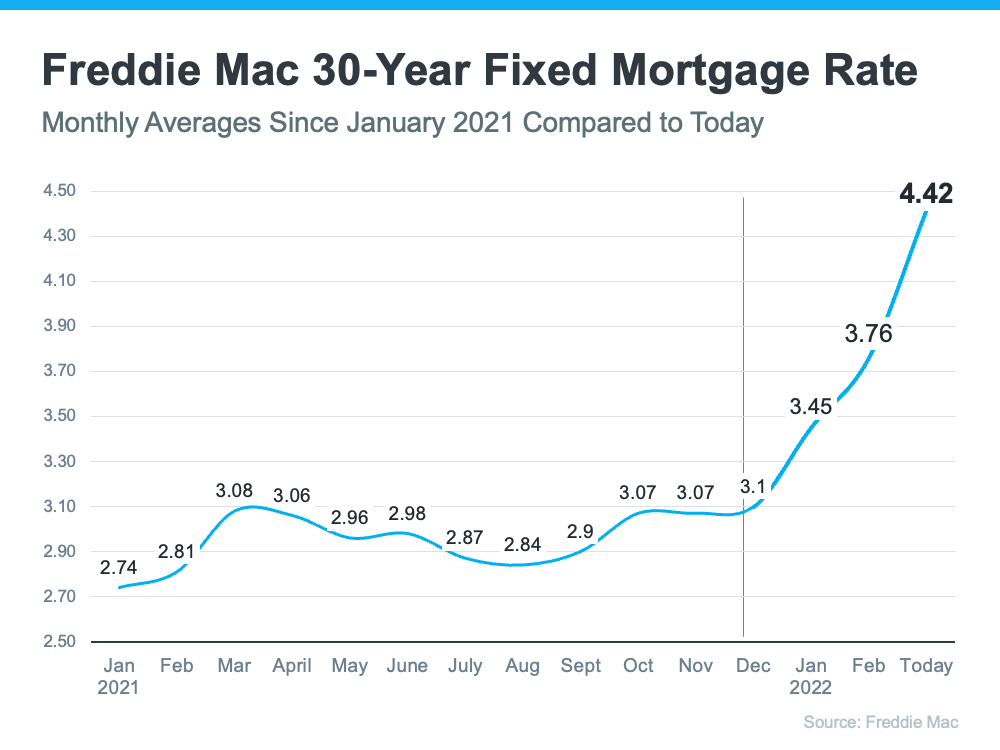
The trajectory of mortgage rates in 2022 was characterized by a steep, almost vertical ascent. At the dawn of the year, the market was still basking in the glow of historic lows. The 30-year fixed-rate mortgage—the gold standard for American home financing—began the year in the low 3% range, a continuation of the favorable borrowing conditions that characterized the 2020-2021 pandemic real estate boom.
Starting at Historic Lows
In the first week of January 2022, Freddie Mac reported the average 30-year fixed-rate mortgage at approximately 3.22%. At this level, the housing market remained white-hot. Demand was fueled by a combination of remote-work flexibility and the desire for more space, while supply remained constrained. For many buyers, these sub-4% rates were the primary engine driving their purchasing power, allowing them to bid aggressively on limited inventory.
The Rapid Ascent: From 3% to 7%
The narrative shifted drastically as the first quarter progressed. By March, rates had crossed the 4% threshold. By May, they were consistently above 5%. This movement represented a psychological and financial shock to the system. The acceleration did not stop there; after a brief period of stabilization in the summer, rates surged again in the autumn. In October and November of 2022, the 30-year fixed-rate mortgage breached 7% for the first time since 2002. In less than twelve months, the cost of borrowing had more than doubled, a phenomenon that effectively locked out a significant portion of first-time homebuyers and stalled the refinancing frenzy of the previous years.
Key Catalysts Behind the Rate Surge
The dramatic rise in mortgage rates during 2022 did not happen in a vacuum. It was the direct result of a fundamental shift in the global and domestic economic landscape, primarily driven by the battle against rampant inflation.
Inflation and the Consumer Price Index (CPI)
Throughout 2022, inflation reached levels not seen since the early 1980s. Factors such as supply chain disruptions, the Russian invasion of Ukraine (which spiked energy and food prices), and the lingering effects of massive pandemic-era fiscal stimulus combined to push the Consumer Price Index (CPI) to a peak of 9.1% in June. Because inflation erodes the purchasing power of the fixed interest payments that mortgage investors receive, they demanded higher yields to compensate for the risk. This upward pressure on bond yields translated directly into higher mortgage rates for consumers.
The Federal Reserve’s Aggressive Monetary Policy
The Federal Reserve, tasked with maintaining price stability, was forced to pivot from its supportive stance to an aggressively hawkish one. To cool the overheating economy, the Fed initiated a series of hikes to the federal funds rate. While the Fed does not set mortgage rates directly, its actions influence the entire yield curve. In 2022, the Fed implemented several “jumbo” rate hikes of 75 basis points (0.75%), signaling to the market that it was committed to curbing inflation at any cost, even if it meant a “hard landing” for the housing market.
The End of Mortgage-Backed Securities Purchases
Another critical factor was the Federal Reserve’s move toward “quantitative tightening.” During the pandemic, the Fed purchased billions of dollars in mortgage-backed securities (MBS) to keep long-term interest rates low. In 2022, the Fed began reducing its balance sheet, effectively removing a massive, guaranteed buyer from the mortgage market. With less demand for these securities, their prices fell and their yields rose, further driving up the rates offered to everyday borrowers.
Comparing Mortgage Products in 2022
As the standard 30-year fixed rate climbed, the landscape for different financial products shifted. Borrowers who were desperate to maintain some semblance of affordability began looking beyond the traditional options.

The 30-Year Fixed-Rate Mortgage (FRM)
The 30-year FRM remains the most popular choice because it offers long-term stability. In 2022, this product saw the most dramatic volatility. The difference in a monthly payment for a $400,000 mortgage at 3.2% versus 7.0% is staggering—amounting to nearly $900 more per month in interest and principal. This “payment shock” was the defining feature of the 2022 real estate market.
The 15-Year Fixed-Rate Mortgage
Typically favored by those looking to pay off their homes faster or those with higher disposable income, the 15-year fixed rate also saw significant increases. It began the year around 2.43% and ended well above 6%. While the 15-year rate is always lower than the 30-year rate, the higher monthly payments necessitated by the shorter amortization period became increasingly difficult for borrowers to justify as the baseline interest rates rose.
The Resurgence of Adjustable-Rate Mortgages (ARMs)
After falling out of favor following the 2008 financial crisis, Adjustable-Rate Mortgages (ARMs) saw a resurgence in 2022. Borrowers turned to 5/1 or 7/1 ARMs, which offer a lower “teaser” rate for the first few years before adjusting. By mid-2022, the share of mortgage applications for ARMs doubled as buyers sought any possible way to lower their initial monthly obligations. While this provided a temporary bridge for some, it also reintroduced a level of interest rate risk that had been largely absent from the market for a decade.
Economic Consequences for Homebuyers and the Housing Market
The doubling of mortgage rates in a single calendar year created a ripple effect that touched every corner of the American economy, from construction starts to retail spending.
The Affordability Squeeze and Purchasing Power
The most immediate impact was the erosion of purchasing power. A buyer with a $2,500 monthly budget could afford a significantly more expensive home in January than they could in December. This led to a cooling of home price appreciation; while prices didn’t crash in most markets due to low inventory, the “bidding war” culture largely evaporated by the end of the year. Buyers became more discerning, and sellers were forced to adjust their expectations for the first time in years.
The “Lock-in Effect” and Inventory Shortages
A unique phenomenon emerged in late 2022 known as the “lock-in effect.” Millions of homeowners had refinanced or purchased homes in 2020 and 2021 at rates between 2.5% and 3.5%. As rates climbed toward 7%, these homeowners became reluctant to sell. Moving to a new home meant trading an incredibly cheap mortgage for one that was twice as expensive. This essentially froze the secondary housing market, as potential sellers chose to stay put rather than take on a significantly higher debt burden. This restricted supply helped prop up home prices despite the falling demand.
Refinancing Activity Hits a Wall
The refinance market, which had been a massive source of revenue for banks and a way for consumers to lower their monthly expenses, virtually disappeared in 2022. With current rates so much higher than historical averages, the incentive to refinance vanished for almost everyone except those needing to tap into home equity for emergency cash (cash-out refinances). This led to significant layoffs within the mortgage lending and brokerage industries.
Strategic Takeaways: Managing Personal Finance in Volatile Markets
The events of 2022 serve as a masterclass in the importance of financial agility and the impact of macroeconomic trends on personal wealth. For investors and homeowners, several key lessons emerged from this period of transition.
Diversification and Long-Term Planning
2022 proved that the housing market is not insulated from broader economic shifts. Investors who were over-leveraged in real estate found their margins squeezed by rising costs and slowing appreciation. The year highlighted the necessity of maintaining a diversified portfolio where real estate is balanced by more liquid assets. It also underscored the importance of fixed-rate debt in an inflationary environment; those who secured low fixed rates prior to 2022 effectively saw the real value of their debt decrease as inflation rose.
Understanding the Relationship Between the 10-Year Treasury and Mortgages
One of the most important financial tools for tracking mortgage rates is the 10-year Treasury note yield. Traditionally, there is a “spread” between the 10-year Treasury and the 30-year fixed mortgage rate, usually around 1.7 to 2.0 percentage points. In 2022, this spread widened significantly due to market uncertainty and volatility. Financial literacy—specifically understanding how bond markets influence mortgage costs—became an essential skill for anyone looking to time their entry into the property market.
In conclusion, 2022 was a year of profound correction. Mortgage rates moved from historic lows to multi-decade highs, driven by an unprecedented fight against inflation and a total recalibration of Federal Reserve policy. While the era of 3% mortgages may have ended, the year provided a stark reminder that interest rates are cyclical. For the savvy financial planner, the lessons of 2022 remain a guidepost for navigating the complexities of debt, investment, and the ever-changing landscape of the American dream.
aViewFromTheCave is a participant in the Amazon Services LLC Associates Program, an affiliate advertising program designed to provide a means for sites to earn advertising fees by advertising and linking to Amazon.com. Amazon, the Amazon logo, AmazonSupply, and the AmazonSupply logo are trademarks of Amazon.com, Inc. or its affiliates. As an Amazon Associate we earn affiliate commissions from qualifying purchases.